Hydration in calm, light layers
Is skin flooding good for mature skin after 40?
The short answer: Skin flooding can suit dehydrated mature skin when it means applying one or two light hydrating layers to slightly damp skin, followed by moisturiser. It is a technique, not a treatment, and more layers are not automatically better. Avoid soaking the face, keep active products separate if they irritate, and finish with sunscreen in the morning.
Skin flooding is the trend-led name for layering water-focused skincare before sealing it with moisturiser. The useful part is simple: give humectants some water to work with, then reduce evaporation before the skin begins to feel tight.
This can be helpful after 40 when the face feels dehydrated, looks temporarily flat or develops fine surface lines in air conditioning. It does not require five serums, a dripping-wet face or constant misting. A toner, one hydrating serum and a suitable moisturiser are usually enough.
The difference between a thoughtful routine and product overload is restraint. Each layer should have a job, settle comfortably and leave room for sunscreen or makeup. If the result is sticky, shiny or prone to pilling, simplify.
Dry skin and dehydrated skin are not identical
Dry skin lacks enough surface oil. Dehydrated skin describes a temporary lack of water in the outer layer. Mature skin can be both. A water-light serum may improve the look and feel of dehydration, while a cream or oil supplies the emollient support needed for dryness.
This is why skin flooding should end with moisturiser. Spraying more mist over an unsealed face can feel refreshing for a minute, yet water may evaporate and leave the surface tight again. The final cream is not an optional extra; it is what turns several wet steps into a coherent routine.
How damp should the skin be?
Slightly damp, not wet enough for products to run. After cleansing, pat away drips while leaving a trace of moisture. Alternatively, apply one light mist of toner. If a serum’s directions specify dry skin, follow the label instead of the trend.
Australian climate changes the balance. In humid weather, one light serum and a lighter moisturiser may be plenty. In dry inland air or a heated room, use a nourishing cream promptly after the serum. Humectants work best as part of a complete formula and routine, not as isolated drops left to dry.
A simple mature-skin flooding routine
- Cleanse without stripping. Use Cream Cleanser and lukewarm water, then pat away excess water.
- Mist lightly. Apply Anti-Ageing Toner as one even veil rather than repeatedly soaking the face.
- Add one hydrating serum. Press a small amount of Hyaluronic Acid Serum over the face and neck.
- Seal with moisturiser. Choose a light or nourishing texture according to weather and comfort.
- Protect in daytime. Let layers settle, then apply broad-spectrum SPF50 or SPF50+ sunscreen according to its label.
Why skin flooding can pill under sunscreen
Pilling usually means the combined layers are forming little rolls on the surface. Too much product, incompatible textures, rubbing and insufficient settling time can all contribute. Skin flooding is especially prone to this when several gel serums are stacked simply because the method sounds generous.
Reduce each amount before removing useful steps. Use one mist, one serum and one moisturiser. Press rather than rub, give the routine a short moment to settle, then smooth sunscreen in an even layer without prolonged massaging. Never use less sunscreen to solve a layering problem; simplify what sits beneath it.
Can sensitive mature skin try it?
Yes, if the products are already well tolerated and the routine is introduced gradually. Hydrating does not automatically mean non-irritating. Fragrance, preservatives, botanical extracts and active ingredients can still cause a reaction in an individual formula.
Patch test new products and add only one at a time. If skin is burning or visibly inflamed, do not keep adding watery layers in the hope of calming it. Return to the simple routine recommended by your pharmacist, GP or dermatologist.
How many layers are enough?
Usually two hydration steps before moisturiser: a toner or mist, then a serum. Some people need only the serum. The skin should feel supple, not coated. Repeating the same toner seven times is unnecessary and can make it harder to identify what caused irritation.
Give the method a fair but simple trial for a week. Compare comfort at midday and on waking, not just the immediate dewy finish. A routine earns its place when it is easy to repeat and behaves well beneath your morning sunscreen.
Which ingredients make sense?
Hyaluronic acid is a humectant used to bind water in cosmetic formulas. Skin Suga Hyaluronic Acid Serum combines vegan hyaluronic acid with radish root ferment in a light texture. Aloe-based toner can provide a gentle first water layer, while jojoba, shea butter and avocado in Nourishing Moisturiser supply a richer finish.
You do not need every popular humectant in separate bottles. Glycerin, hyaluronic acid, aloe and other water-binding ingredients may already appear throughout a routine. Judge the complete formulas and the finish together.
When should you skip the trend?
Skip skin flooding when the face is already irritated by a procedure, sunburn, over-exfoliation or a new active product. More hydration layers cannot diagnose or correct every cause of redness and flaking. Use the simple aftercare recommended by your clinician and reintroduce cosmetic products only when appropriate.
It is also unnecessary when your current serum and moisturiser keep skin comfortable all day. A trend can provide a useful technique without becoming a permanent extra step. The goal is reliable hydration, not the maximum number of wet layers.
Ritual first: Ultimate Hydration Ritual
The Ultimate Hydration Ritual turns the useful principle behind skin flooding into a measured routine. Hydrate in light layers, then finish with a moisturiser that suits your skin and the Australian weather.
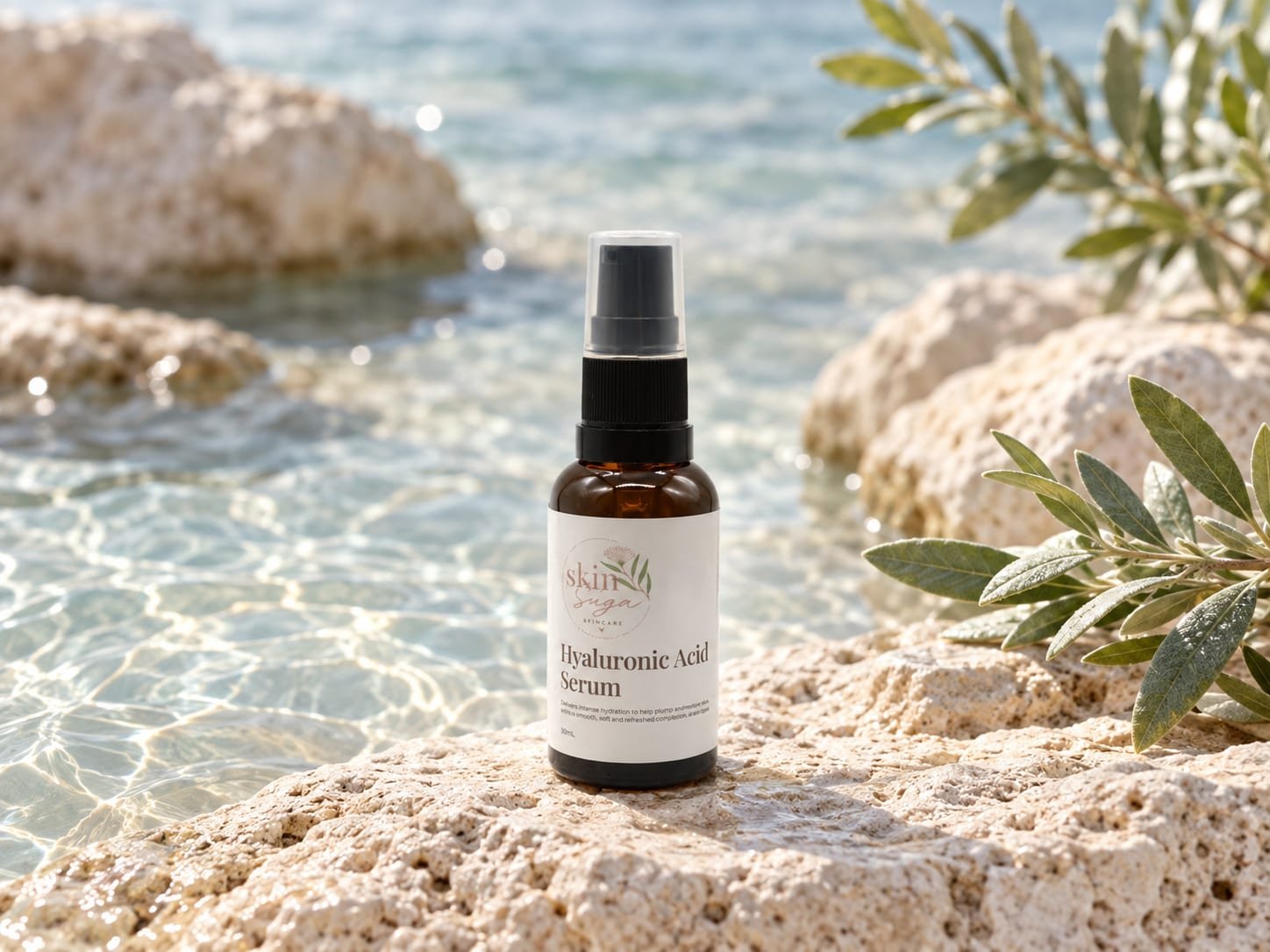
Hyaluronic Acid Serum
Vegan hyaluronic acid and radish root ferment provide a focused water-binding step for hydrated-looking skin.
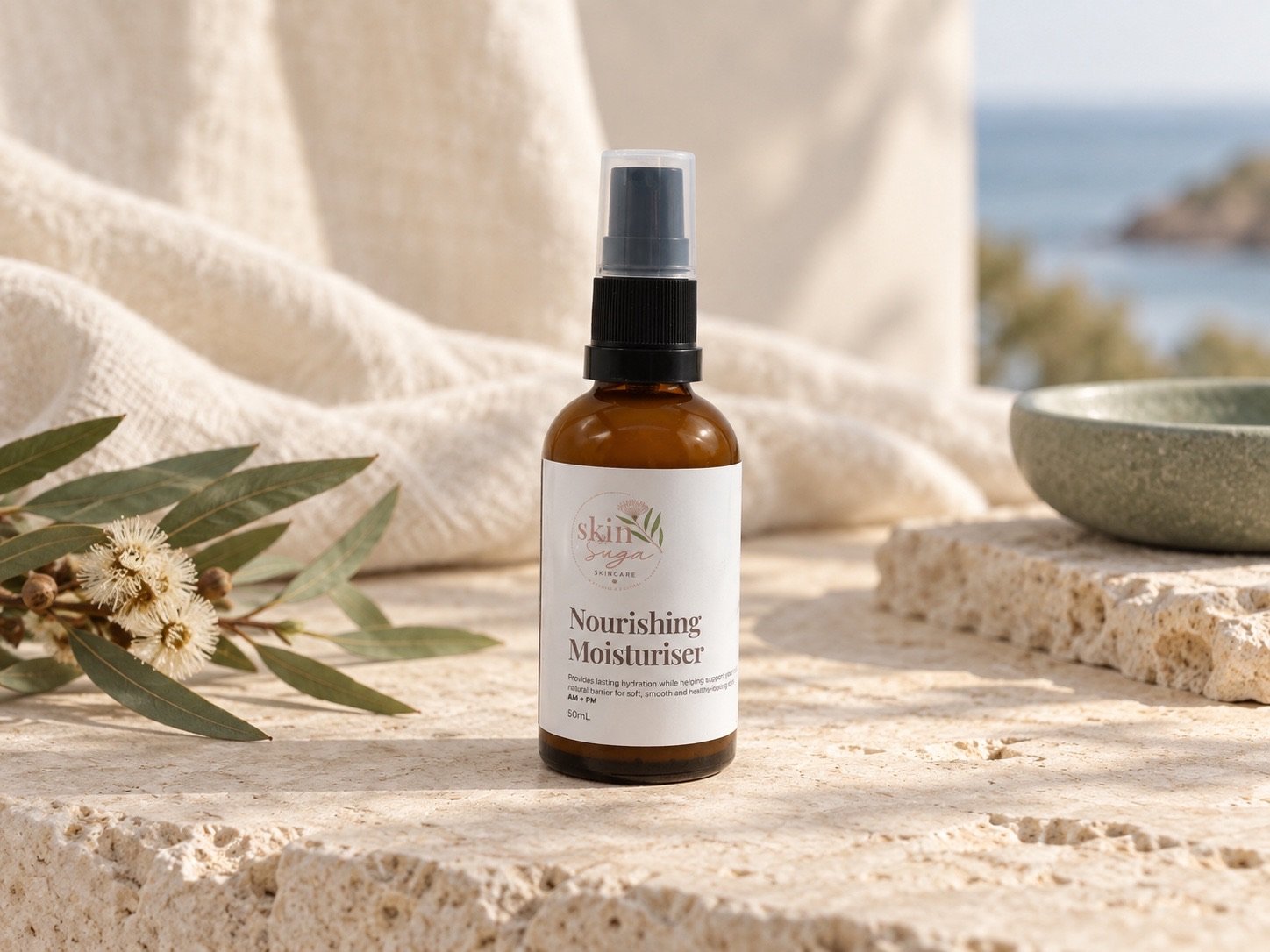
Nourishing Moisturiser
Jojoba, shea butter, avocado and antioxidant botanicals create the comfortable finishing layer.
Hydrate well without adding clutter
Use one purposeful serum and seal it with the moisturiser your skin actually needs.
Common questions
Can I skin flood every day?
Yes if the simple routine stays comfortable, but it is not mandatory. Use fewer layers when humidity or your moisturiser already provides enough hydration.
Should I skin flood morning or night?
Either can work. Keep mornings light enough for sunscreen and use a richer moisturiser at night when dry skin needs more comfort.
Can I use vitamin C while skin flooding?
Follow the vitamin C directions and apply it where it fits comfortably. Sensitive skin may prefer vitamin C on dry skin and the hydration-focused routine at another time.
Is skin flooding the same as slugging?
No. Flooding builds water-focused layers before moisturiser; slugging emphasises a final occlusive layer that slows water loss.
Sources
- American Academy of Dermatology: Moisturising dry skin
- DermNet: How moisturising ingredients work
- Cleveland Clinic: Hyaluronic acid in skincare
General cosmetic skincare information only. Persistent flaking, pain, itching or rash deserves professional assessment.