
Three ingredient roles, one comfortable skin barrier
Humectants, emollients and occlusives: what does mature skin need?
The short answer: Most mature skin benefits from a balance of all three. Humectants help attract and hold water at the skin surface, emollients soften rough spaces between surface cells, and occlusives reduce water loss by forming a protective film. The right balance depends on dryness, climate, season and how rich a finish your skin tolerates.
Humectant, emollient and occlusive are ingredient roles, not competing product tribes. Humectants help draw water toward the outer skin, emollients soften rough spaces between surface cells, and occlusives form a film that slows water loss. Mature skin often feels best when a formula or layered routine combines the three in proportions suited to the weather and the skin’s current dryness.
Why these words matter after 40
Skin can become drier with age because surface oil production and barrier function change. Hormonal shifts may add tightness or sensitivity. When a moisturiser is described only as “hydrating” or “nourishing”, these three roles explain what it is actually trying to do.
Understanding the roles prevents a common mistake: adding more and more water-based serum to skin that cannot hold the water comfortably. It also prevents the opposite mistake of applying a heavy oil or balm to a surface that is dehydrated underneath. The goal is not maximum richness. It is the right balance.
Humectants: attracting and holding water
Humectants are water-attracting ingredients. Hyaluronic acid, glycerin, urea and some sugar-derived ingredients are common examples. They can improve the plump, comfortable look of the outer skin and reduce the appearance of fine dehydration lines.
A humectant serum is light and useful under other products, but it is not always a complete moisturiser. In dry or air-conditioned conditions, mature skin may still need emollient and occlusive ingredients above it to reduce evaporation. Apply humectant products according to their directions; “damp skin” is not a universal rule for every formula.
Hyaluronic acid does not inject volume or recreate dermal filler. In a cosmetic serum, it works at the skin surface as part of a hydration routine.
Emollients: smoothing and softening
Emollients help fill microscopic spaces between dry surface cells and make rough skin feel smoother. Plant oils, fatty alcohols, squalane, shea butter and many esters can act as emollients. They improve flexibility and slip, which is why foundation may sit more evenly after a suitable moisturiser.
Emollient does not automatically mean greasy. Formulators can create light lotions or rich creams from similar ingredient families by changing proportions and structure. Mature combination skin may prefer a light emollient layer on the whole face with extra cream only on dry cheeks.
Botanical oils can contribute emollience, but “natural” does not mean reaction-proof. Patch test new formulas and stop if irritation develops.
Occlusives: slowing water loss
Occlusives form a protective film that reduces transepidermal water loss. Petrolatum is the classic highly occlusive ingredient, while waxes, silicones and some butters or oils provide varying degrees of occlusion. A night cream can combine occlusion with emollience rather than belonging to only one category.
Occlusion is valuable when skin is very dry, exposed to winter wind or sleeping in heated or air-conditioned rooms. Too much can feel sticky, increase shine or cause products to move. Use richer layers where needed instead of treating the whole face identically.
Occlusives do not add water by themselves. They help keep existing moisture from escaping, which is why they often work best over a humectant or moisturising base.
How the three roles work together
Imagine a dry brick wall. Humectants help increase water around the outer layer, emollients smooth gaps and occlusives reduce water escaping. The analogy is imperfect, but it shows why a single hero ingredient rarely solves every dryness problem.
A balanced cream may contain all three roles in one product. A layered routine can achieve the same pattern: hydrating serum, moisturiser, then a small amount of facial oil or richer cream at night. More layers are not inherently better; use the fewest that keep skin comfortable.
Choosing the balance for Australian conditions
In humid summer weather, a humectant serum plus light moisturiser may be enough. In Perth heat, heavy layers can feel uncomfortable beneath sunscreen, so reserve richer occlusion for evening. During winter, coastal wind or indoor heating, the same skin may need more emollient cream and a finishing oil on the driest areas.
Climate changes through the day as well as the year. Air conditioning can leave cheeks tight even when the outdoors is humid. Judge the routine by afternoon comfort, not only by the finish in the bathroom.
A balanced hydration routine for mature skin
- Cleanse with a gentle formula that does not leave a squeaky finish.
- Apply a humectant serum in a thin, even layer.
- Add a moisturiser containing emollient ingredients.
- In the morning, finish with broad-spectrum sunscreen.
- At night, add richer cream or a small amount of facial oil only where needed.
- Reduce layers if the routine pills, feels sticky or causes congestion.
- Reassess the balance when season, travel or hormonal changes alter comfort.
Where Skin Suga fits
The Ultimate Hydration Ritual is the clearest expression of these complementary roles. It starts with gentle cleansing, adds a hyaluronic acid hydration step, follows with moisturising emollients and includes a facial oil for extra evening comfort.
Skin Suga Hyaluronic Acid Serum uses vegan hyaluronic acid with radish root ferment as the lightweight humectant step. Nourishing Moisturiser includes jojoba oil, shea butter, green tea, mangosteen, acai oil and avocado oil, combining softness and comfort in a cream layer. The ritual works because ingredients have jobs within a sequence, not because every face needs the heaviest possible finish.
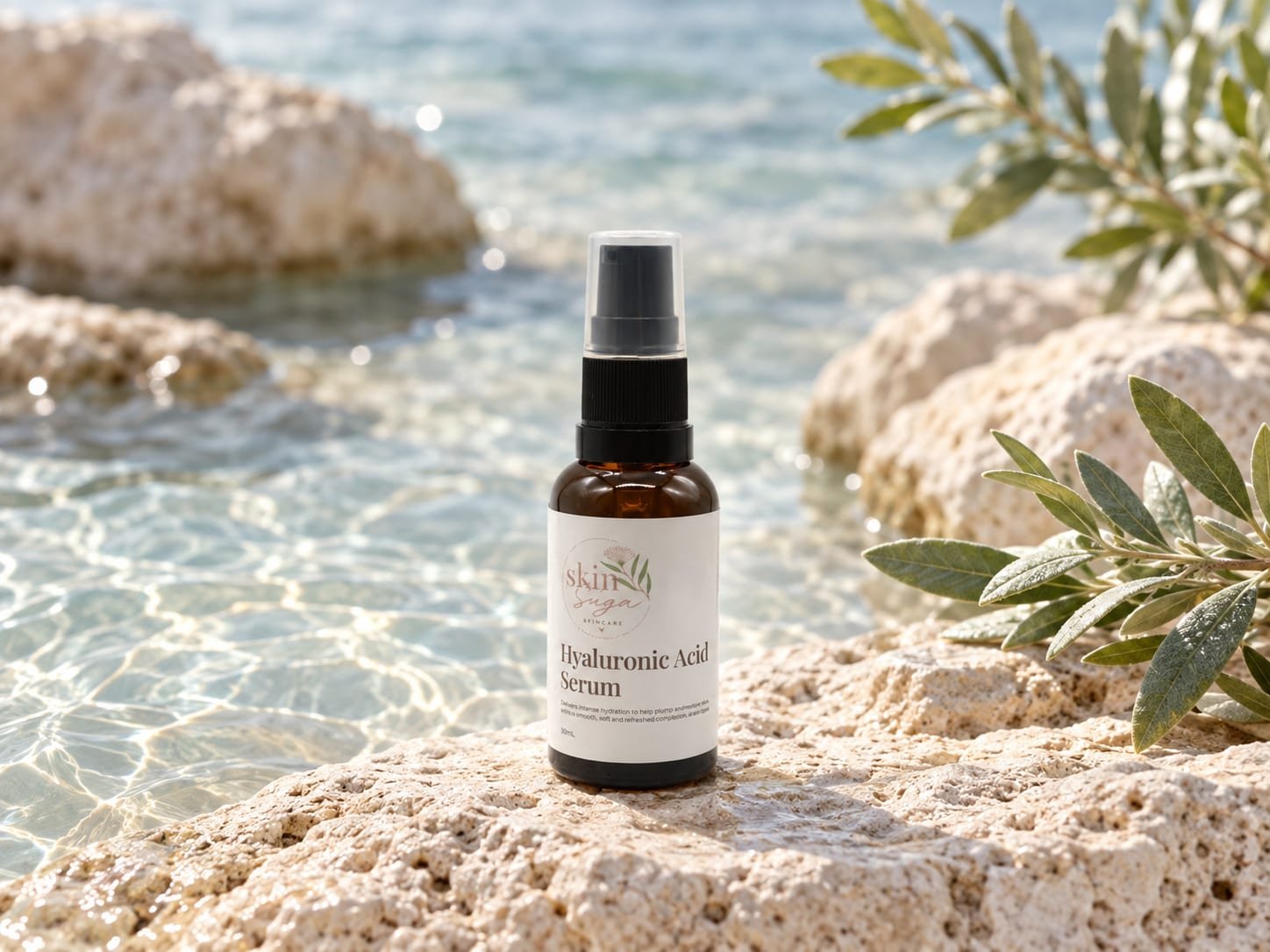
Hyaluronic Acid Serum
A light humectant-focused step for skin that feels dehydrated, tight or less cushioned after cleansing.
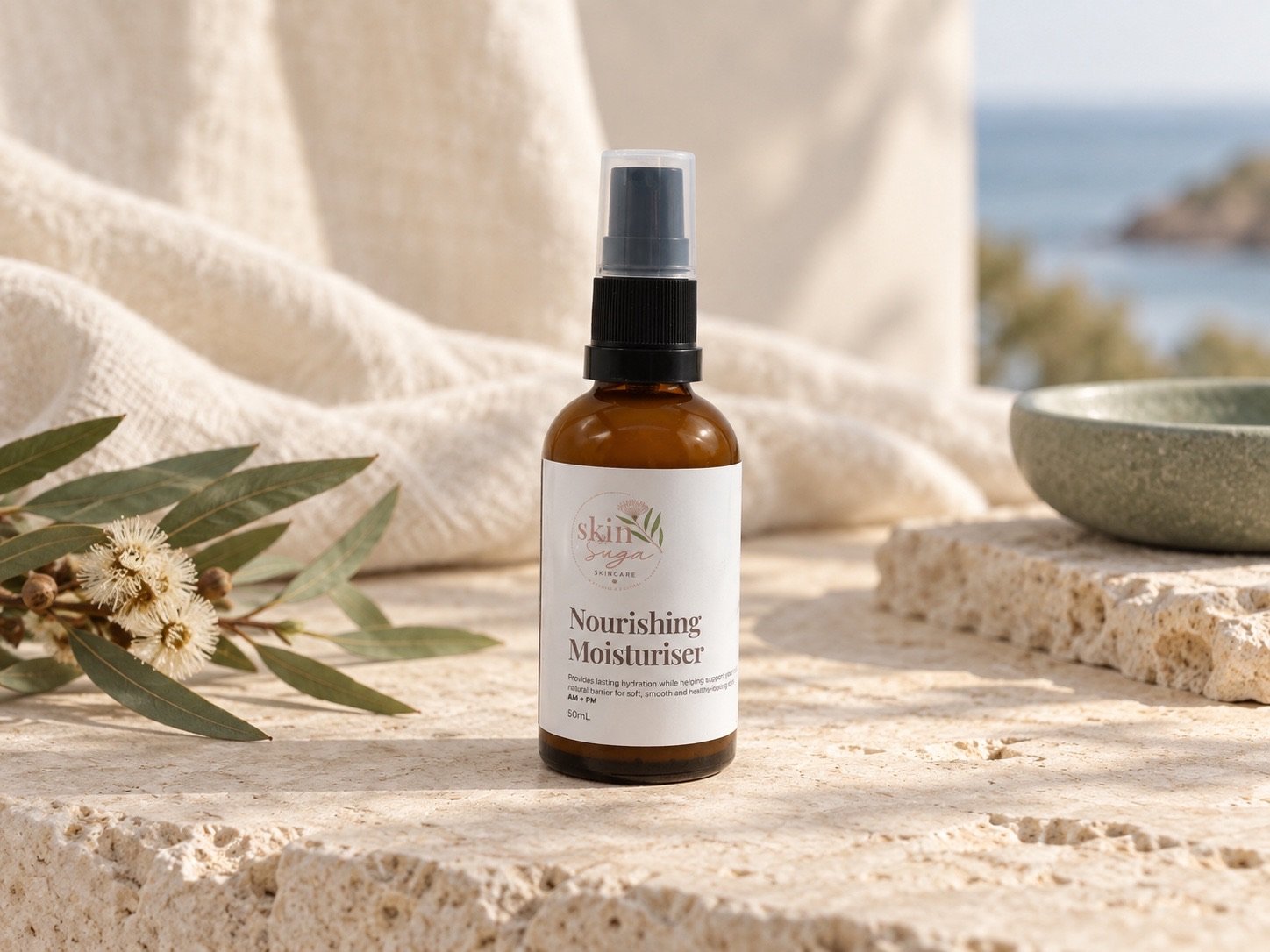
Nourishing Moisturiser
An emollient-rich cream layer with jojoba, shea butter and botanical oils to soften and support surface comfort.
Signs your balance needs adjusting
- Skin still feels tight after a water-based serum: add a moisturiser above it.
- Products feel greasy and slide under sunscreen: reduce oil or rich cream in the morning.
- Cheeks are dry but the T-zone is shiny: apply richer products by zone.
- Fine dehydration lines reappear by afternoon: review both hydration and water-loss protection.
- Everything stings: pause active products and seek advice if irritation persists.
- A new formula causes swelling or rash: stop use rather than trying to “build tolerance”.
Frequently asked questions
Is hyaluronic acid a moisturiser?
It is a humectant ingredient. Some hyaluronic acid products are complete moisturisers, but a light serum usually benefits from a cream above it when skin is dry.
Is facial oil an occlusive?
Oils vary, and many act mainly as emollients with some reduction in water loss. They can finish a routine but do not replace every function of a balanced moisturiser.
Does oily mature skin need moisturiser?
It may. Oiliness and dehydration can coexist. Choose lighter textures and apply richer products only where the skin feels dry.
Which role is best for fine lines?
Hydration and surface smoothing can soften the appearance of dehydration lines. No cosmetic moisturiser permanently removes established wrinkles.
Give every layer a clear job
Build hydration with a coordinated ritual that attracts water, softens the surface and adds richer comfort only where mature skin needs it.
Explore Ultimate Hydration RitualExplore Daily Essentials Ritual
Sources and further reading
- DermNet: Emollients and moisturisers
- NCBI StatPearls: Moisturisers
- Harvard Health: How to moisturise your skin
Ingredient roles overlap, and a finished formula matters more than categorising one ingredient in isolation.