
Two ingredients, one uncluttered routine
Can you use niacinamide and hyaluronic acid together after 40?
The short answer: Niacinamide and hyaluronic acid can usually be used in the same routine because they have different cosmetic roles and do not require separation. Apply the thinner product first, use small amounts, then moisturise. If either formula is new, introduce it alone before combining them so you can recognise irritation or pilling.
Niacinamide and hyaluronic acid are often discussed as if every mature-skin routine needs both. They can work comfortably together, but compatibility does not create necessity.
Hyaluronic acid is primarily used as a humectant in skincare, helping a formula bind water at the surface. Niacinamide, a form of vitamin B3, is used in cosmetic formulas for barrier support, oil balance and a more even-looking complexion. One is not a substitute for the other.
The best routine after 40 starts with your actual priority. If skin feels dehydrated, a hyaluronic acid serum plus moisturiser may be enough. If you already use a niacinamide product and enjoy it, the two can usually share a morning or evening without elaborate timing.
Which one should go first?
Apply products from lighter to richer texture. If both are serums, use the thinner, more water-like formula first. Many routines place hyaluronic acid on slightly damp skin, followed by niacinamide and moisturiser. If your niacinamide formula is thinner, reverse them.
Do not mix full products together in their bottles. That can disturb the formula and preservative system. Layer small amounts on the skin or use one ingredient in the morning and the other at night when the combination feels sticky.
Do you need to wait between them?
No special chemical waiting period is normally required. Give the first serum enough time to stop feeling very wet, then press on the next. Thirty seconds to a minute is often practical, but texture matters more than a stopwatch.
If little rolls form, waiting longer may help, but reducing the amounts is usually more effective. Two large gel layers can pill even when the ingredients themselves are compatible. A pea-sized amount or the label’s stated dose is plenty for most serums.
A calm two-ingredient routine
- Cleanse gently. Avoid starting with a stripped, tight-feeling face.
- Apply hyaluronic acid. Use a light layer on slightly damp or label-directed skin.
- Add niacinamide if needed. Apply the separate product in a small amount and avoid rubbing.
- Moisturise. Seal the water-focused layers with a cream suited to your skin.
- Finish daytime with SPF. Apply broad-spectrum SPF50 or SPF50+ sunscreen according to its label.
Can this pair irritate sensitive mature skin?
Either formula can cause discomfort depending on concentration, supporting ingredients and individual sensitivity. Higher-strength niacinamide products are not automatically more useful. Some people experience flushing, stinging or dryness, particularly when several active products are already in the routine.
Introduce one product at a time and patch test. If skin is currently burning, peeling or inflamed, simplify rather than adding a compatibility experiment. Persistent redness, swelling or an itchy rash should be assessed by a health professional.
What if hyaluronic acid feels drying?
Hyaluronic acid should be part of a complete moisturising routine. Apply it to slightly damp skin when directions allow, use a modest amount, and follow promptly with moisturiser. In dry air, leaving a humectant layer unsealed can feel tight as surface water evaporates.
Skin Suga Hyaluronic Acid Serum pairs vegan hyaluronic acid with radish root ferment. It is the dedicated hydration step; the cream that follows supplies the emollient finish. Adding niacinamide does not remove the need for moisturiser.
Morning or night?
Both ingredients can be used morning or night according to their labels. Morning works well when the final layers sit smoothly beneath sunscreen. Evening gives you more room to use a nourishing moisturiser without worrying about makeup.
You can also divide them: niacinamide in the morning and hyaluronic acid at night, or the reverse. Separation is a comfort and simplicity choice, not a safety requirement for this pair.
Do they treat wrinkles?
Cosmetic hydration can temporarily soften the appearance of fine dehydration lines, while niacinamide formulas may support a smoother and more even-looking surface. Neither ingredient stops normal ageing or replaces sunscreen. Avoid claims that the combination rebuilds facial structure or permanently removes wrinkles.
Consistency with a gentle routine matters more than stacking fashionable ingredients. Cleanse without stripping, moisturise, protect from UV, then use targeted serums only when they add a clear benefit.
What niacinamide strength should you choose?
Higher percentages are easy to market, but mature skin does not need the strongest bottle available. Niacinamide appears in complete moisturisers and serums at different levels, and the finished formulation matters more than a single front-label number. If you are new to it, choose a modest formula and use it every second day before considering more frequent application.
Check whether niacinamide is already present in your moisturiser, toner or sunscreen before buying another serum. Duplicating the same ingredient across several layers may add stickiness without adding a distinct benefit. Keep Hyaluronic Acid Serum as the clearly defined hydration step and let any niacinamide product address a separate concern.
How do you prevent an overloaded routine?
Count functions rather than bottles. One cleanser, one purposeful serum, moisturiser and sunscreen form a complete morning base. Add a second serum only when you can describe what it contributes and the final routine remains comfortable beneath SPF.
On evenings when you use a vitamin A product or exfoliant, consider keeping niacinamide and hyaluronic acid to another routine until you understand your tolerance. Separating products is often about making reactions easier to trace, not because this ingredient pair is inherently incompatible.
Ritual first: Daily Essentials Ritual
The Daily Essentials Ritual provides the stable routine around any separate niacinamide product: gentle cleansing, a refreshing toner, a purposeful serum and moisturiser. Keep the Skin Suga Hyaluronic Acid Serum as the hydration step and add niacinamide only if it serves a separate goal.
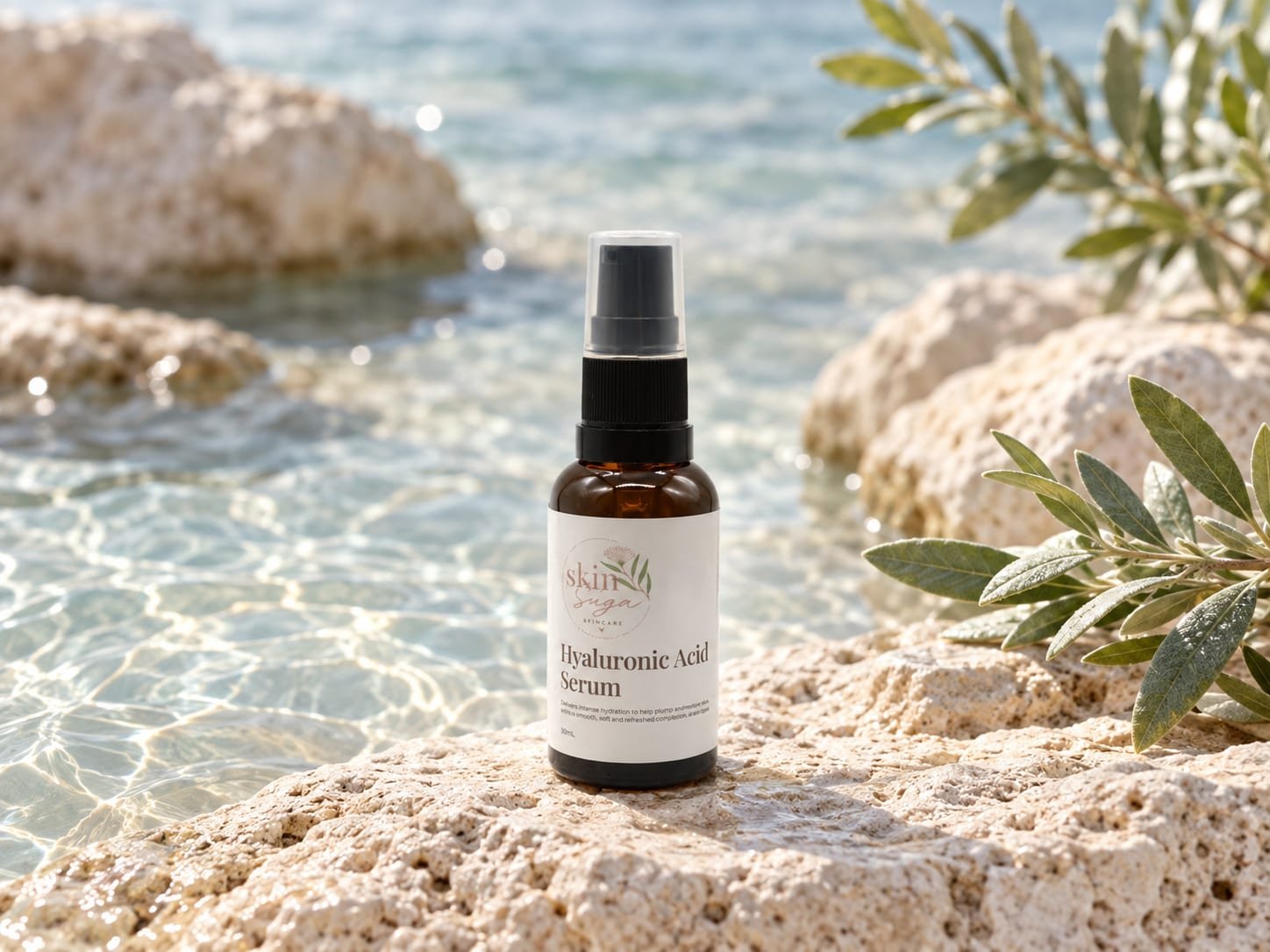
Hyaluronic Acid Serum
Vegan hyaluronic acid and radish root ferment create a lightweight, focused hydration layer.
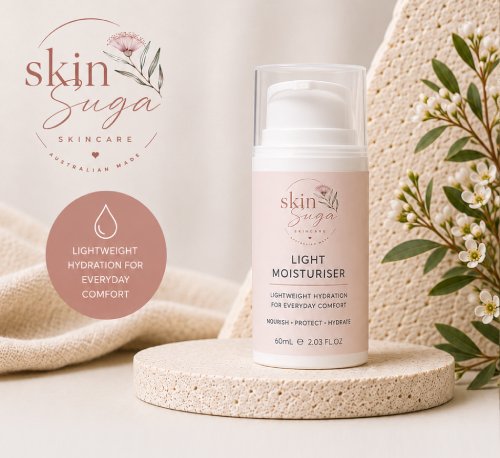
Light Moisturiser
A lighter cream finish for sealing serum layers without making a daytime routine unnecessarily heavy.
Give every serum a clear job
Pair compatible ingredients in small amounts and keep the routine easy to repeat.
Common questions
Can I mix the two serums in my hand?
Layering is more predictable. Mixing may change how evenly each formula applies, so follow the individual product directions.
Which ingredient is better for dry skin?
Hyaluronic acid is the more direct hydration step, but dry skin still needs moisturiser. Niacinamide may support the barrier but does not replace a cream.
Can I also use vitamin C?
Many formulas can share a routine, but three serums may be unnecessary. Introduce one at a time and split morning and evening if layering becomes sticky or irritating.
Why does niacinamide sting?
The concentration or complete formula may not suit your skin, particularly when the barrier is unsettled. Stop using it if discomfort persists.
Sources
- DermNet: Nicotinamide in skin care
- Cleveland Clinic: Hyaluronic acid overview
- American Academy of Dermatology: Choosing moisturiser
General cosmetic skincare information only. Follow each product label and seek advice for a persistent reaction.