
Water shortage and oil shortage are not the same
Is mature skin dry or dehydrated after 40?
The short answer: Dry skin produces less oil, while dehydrated skin is temporarily short of water. Mature skin can be both at once. Persistent flaking, roughness and a generally tight feel suggest dryness; tightness that changes with weather, cleansing or air conditioning can point to dehydration. The practical response is gentle cleansing, a water-based hydrating step, moisturiser to reduce water loss, and daily broad-spectrum sunscreen.
Dry and dehydrated are often used as if they mean the same thing. They can feel similar, but the distinction helps you choose a routine instead of repeatedly adding richer products to skin that may mainly need gentler cleansing and better water retention.
Dry skin is a skin type or ongoing condition in which the surface has less sebum and fewer comfortable lipids. Dehydration is a temporary state in which the outer layer has less water than it needs. Any skin type, including oily skin, can become dehydrated. After 40, natural changes in sebum production and barrier function can make both more noticeable.
You do not need a home test to make a useful decision. Look at the pattern over days, not one moment in the mirror. Notice whether the problem is constant or follows hot showers, foaming cleansers, cold wind, indoor heating, air conditioning, swimming or a new active product.
Signs that point towards dry mature skin
Dry skin often feels rough and consistently tight. Fine flaking may appear around the mouth, cheeks or sides of the nose. Makeup can catch on the surface, and the skin may feel more comfortable after a cream or facial oil. Dryness can affect the body as well as the face.
Age, hormones, genetics, climate and cleansing habits all contribute. The American Academy of Dermatology notes that skin commonly becomes drier with age. That does not mean discomfort should be accepted as inevitable. Persistent cracking, bleeding, itch or rash deserves medical advice because eczema, contact dermatitis and other conditions can look like ordinary dryness.
Signs that point towards dehydration
Dehydrated skin may feel tight immediately after cleansing yet become shiny later. Fine surface lines can look more obvious when the skin is short of water. The feeling may improve quickly in a more humid environment or after a hydrating serum followed by moisturiser.
A common pattern in Australia is skin that feels oily in summer but tight after air conditioning, sun exposure or repeated cleansing. Adding only oil can soften the surface without supplying water. A water-based serum and a moisturiser are usually more logical first steps.
Can mature skin be both dry and dehydrated?
Yes, and this is common. A dry skin type has less natural oil to slow water loss, so it can also become dehydrated easily. The routine then needs both humectants, which attract water within the formula and upper skin layers, and emollient or occlusive ingredients, which smooth the surface and reduce evaporation.
Hyaluronic acid is a humectant. Jojoba, shea butter, avocado oil and facial oils act mainly as emollient or occlusive support. One category does not replace the other. The most comfortable routine layers them in a sensible order.
A simple morning routine
- Cleanse only as needed. A lukewarm rinse may be enough if the face is not oily or covered in an overnight treatment.
- Add water-based hydration. Apply a small amount of Hyaluronic Acid Serum to slightly damp, not dripping, skin.
- Seal with moisturiser. Choose a light or nourishing texture according to comfort and weather.
- Protect every morning. Finish with broad-spectrum SPF50 or SPF50+ sunscreen according to the label.
A simple evening routine
- Remove the day gently. Massage Cream Cleanser with fingertips and rinse with lukewarm water.
- Replenish hydration. Use Hyaluronic Acid Serum while the skin retains a trace of moisture.
- Apply moisturiser. Press on a comfortable layer rather than rubbing repeatedly.
- Add oil only if needed. Two or three drops after moisturiser can soften a persistently dry surface.
Why hyaluronic acid sometimes feels drying
Hyaluronic acid does not literally pull all the water out of your face, but a hydrating serum can feel insufficient if it is used alone in dry air. The complete formula, amount, humidity and finishing moisturiser matter. Apply it to slightly damp skin and follow promptly with moisturiser instead of waiting for it to dry tight.
If the serum stings, pills or increases tightness, stop and reassess. More layers are not always better. A simple moisturiser on damp skin may suit a sensitive period better than several serums.
Does drinking more water fix dehydrated skin?
Normal hydration supports general health, but drinking extra water is not a direct treatment for a disrupted facial barrier. Topical care and exposure patterns still matter. Follow health advice about fluid intake, especially during heat or illness, but do not expect water alone to counter harsh cleansing or an irritating exfoliant.
Should you exfoliate flakes?
Not automatically. Flakes can tempt you to scrub, yet repeated acids, grainy scrubs and cleansing brushes may worsen water loss and irritation. Pause exfoliation while the skin feels tight, sore or itchy. Let gentle cleansing and moisturising restore comfort first.
When the skin is calm, reintroduce one exfoliating product slowly if you still want it. Mature skin does not need to feel polished or squeaky to be clean.
How climate changes the answer
Perth heat, coastal wind, winter heating and strong air conditioning can all change what feels comfortable. In humid weather, a light moisturiser may be enough. In cooler or drier conditions, Nourishing Moisturiser or a few drops of Glow Face Oil can provide a more protective finish.
Adjust texture before changing the entire routine. Keep cleanser, serum and sunscreen stable, then vary the finishing layer. This makes it easier to see what the skin actually needs.
When dryness is more than cosmetic
See a GP, pharmacist or dermatologist if dryness is persistent, very itchy, painful, cracked, bleeding, spreading or accompanied by a rash. Sudden changes can be related to medicines, health conditions, allergy or dermatitis. Cosmetic products can support comfort but cannot diagnose or treat those causes.
Ritual first: Ultimate Hydration Ritual
The Ultimate Hydration Ritual brings gentle cleansing, water-based hydration and moisturising together in the right order. It is the clearest starting framework when mature skin feels both tight and rough. Add a facial oil only when the surface still needs more softness.
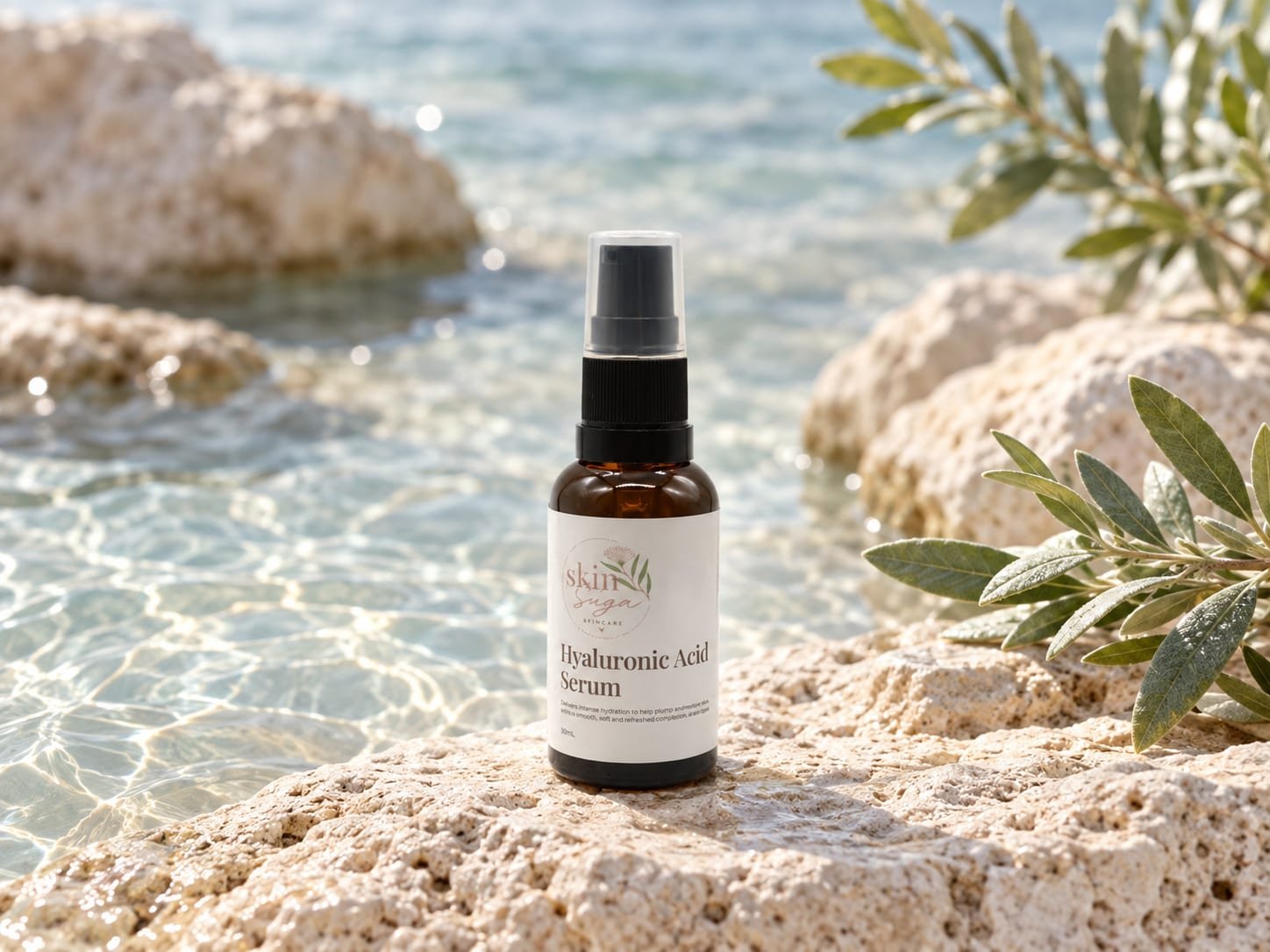
Hyaluronic Acid Serum
Vegan hyaluronic acid with radish root ferment for a lightweight hydration step.
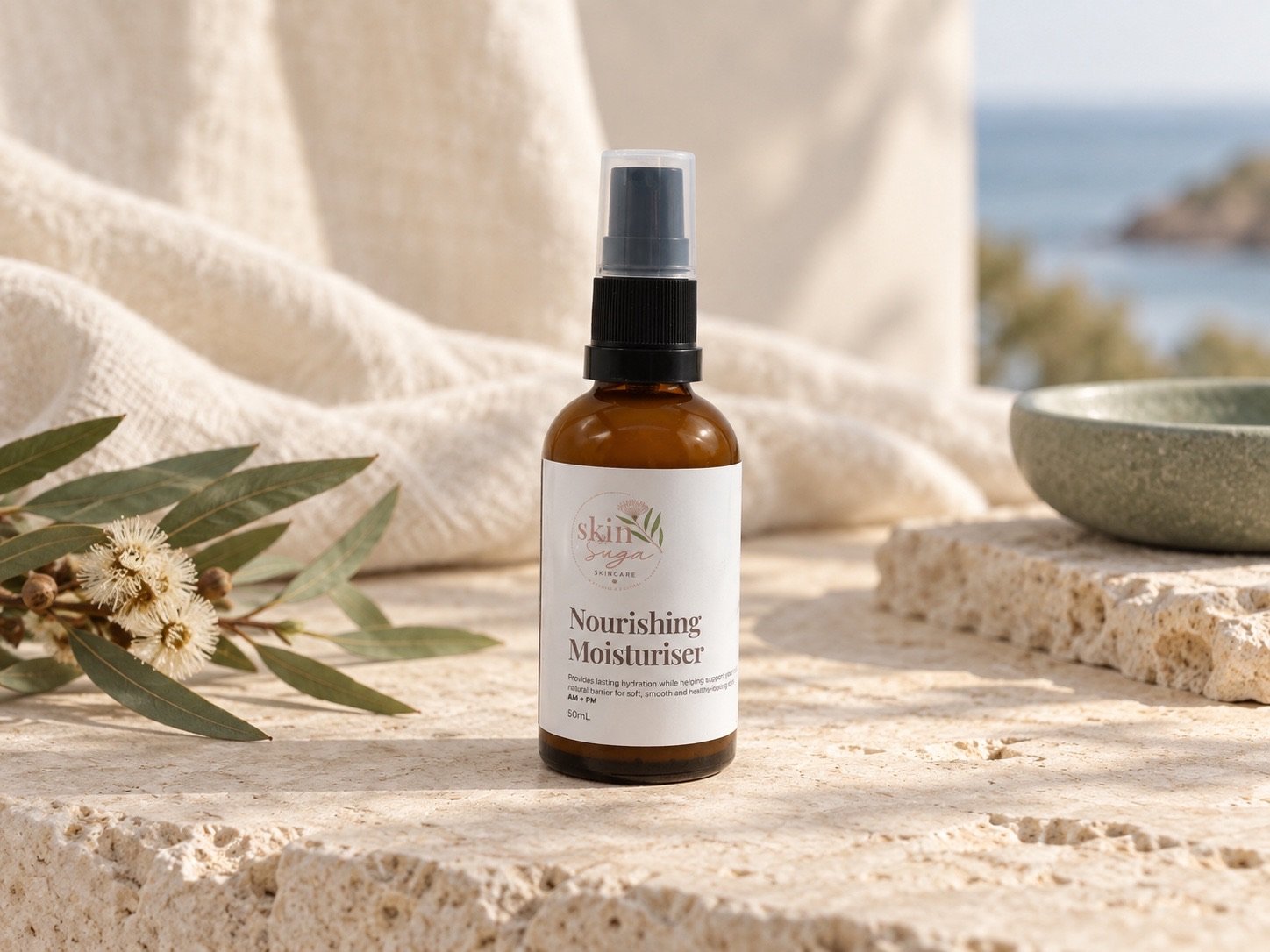
Nourishing Moisturiser
Jojoba, shea butter and avocado provide a richer finishing layer for dry-feeling skin.
Give mature skin water and comfort
Build hydration in layers instead of relying on one heavy product.
Common questions
Can oily skin be dehydrated?
Yes. Oil production and water content are different. Skin can look shiny while feeling tight after cleansing.
Is dry skin always flaky?
No. It may mainly feel rough, tight or uncomfortable. Persistent symptoms still deserve assessment.
Should facial oil go before moisturiser?
Usually use water-based serum first, moisturiser next and oil last, unless the product directions say otherwise.
How quickly should dehydration improve?
Mild tightness may improve quickly when triggers are removed, but a disrupted barrier can take longer. Seek advice if symptoms persist or worsen.
Sources
- American Academy of Dermatology: Skin care in your 60s and 70s
- American Academy of Dermatology: Causes of dry skin
- American Academy of Dermatology: Choosing a moisturiser
General cosmetic skincare information only. Persistent or severe dryness, itching, cracking or rash should be assessed by a health professional.