
Oil and water are different
Why does my mature skin look shiny but still feel dry?
The short answer: surface oil and skin hydration are not the same thing. Skin can produce oil in the T-zone while still feeling tight, rough or dehydrated elsewhere. Harsh cleansing, over-exfoliation, dry air and an unbalanced routine can make the contrast more obvious. Treat the face by zone, restore gentle hydration and avoid trying to scrub away every trace of shine.
A shiny forehead and tight cheeks can feel contradictory, especially after 40 when the advice everywhere seems to assume mature skin is uniformly dry. In reality, combination skin remains possible at every age, and dehydration can occur across oily, dry and combination skin.
Dry skin, dehydrated skin and oily skin
Dry skin generally produces less oil and may feel rough, flaky or uncomfortable. Oily skin produces more sebum and often shows shine or congestion. Dehydration describes a shortage of water in the outer skin layers and can affect either type. These categories overlap, which is why buying the strongest foaming cleanser for shine can make tightness worse.
Age also changes the picture. The skin often becomes drier with time, but hormones, climate, medication, stress, sunscreen, makeup and product choices all affect daily appearance. A midday sheen does not prove the entire face needs an oil-stripping routine.
Read the face by zone
Look at the skin several hours after a gentle cleanse, not immediately after washing. If the nose and forehead shine but the cheeks feel tight, treat them as different zones. Apply a lighter moisturiser amount through the centre of the face and a more generous amount over the cheeks, jaw and neck. Facial oil can be limited to dry areas at night.
If the whole face is shiny only after skincare, the issue may be product finish rather than sebum. Reduce layer quantity and compare the bare-skin pattern. If shine is accompanied by sudden breakouts, redness or scaling, professional assessment can help distinguish cosmetic dehydration from a skin condition.
Common routine mistakes
Cleansing until the skin feels squeaky
A tight finish is not evidence of a deeper clean. Strong surfactants, very hot water and repeated cleansing can remove surface lipids and leave mature skin uncomfortable. Use a gentle cleanser and massage briefly with lukewarm water.
Exfoliating every shiny area
Exfoliation can smooth surface cells, but daily acids, scrubs and cleansing brushes may increase irritation. Shine does not equal a layer of dead skin that must be removed. Reduce frequency when the skin stings, looks red or feels papery.
Avoiding moisturiser completely
A heavy cream everywhere may not suit combination skin, but no moisturiser at all can leave dry zones unsupported. The American Academy of Dermatology recommends tailoring texture and placement: lighter products or less moisturiser through oily areas, richer support where the skin is dry.
Layering oil to fix dehydration
Oil can soften and reduce water loss, but it does not replace a water-based hydration step. Apply toner or humectant serum first, then moisturiser, and add oil only where needed.
A balanced morning and evening routine
Morning
- Rinse or cleanse gently according to overnight oil and comfort.
- Apply a light hydrating toner or serum.
- Use moisturiser selectively, concentrating on tight areas.
- Finish with the full labelled amount of broad-spectrum sunscreen.
Evening
- Remove sunscreen and makeup without scrubbing.
- Use one targeted serum, not several competing actives.
- Moisturise the cheeks, jaw and neck; use less through the T-zone if comfortable.
- Add facial oil only to dry zones on selected nights.
What ingredients make sense?
Hyaluronic acid is a humectant that supports a water-binding step. Glycerin performs a similar role in many formulas. Emollients such as jojoba, shea butter and avocado oil soften the surface and improve slip. Antioxidant botanical extracts can support a well-rounded cosmetic formula, but the basic architecture remains water-binding hydration followed by an appropriate moisturising layer.
Niacinamide can suit some combination-skin routines, but higher strength is not automatically better and sensitive skin may prefer a simpler formula. If you already use several actives, introduce only one change and patch test first.
The best Skin Suga starting point
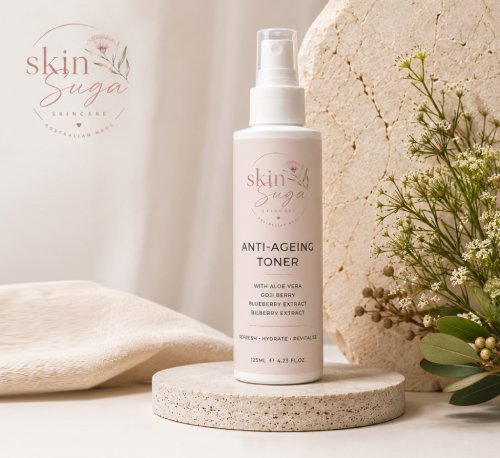
The Daily Essentials Ritual is the cleanest foundation because it separates cleansing, toning, water-binding serum and moisturiser. The Cream Cleanser uses apricot kernel oil with oat, milk thistle, elderflower and cucumber extracts for a soft cleansing experience. The Anti-Ageing Toner provides aloe vera with goji, blueberry and bilberry extracts, while the Hyaluronic Acid Serum supplies focused hydration.
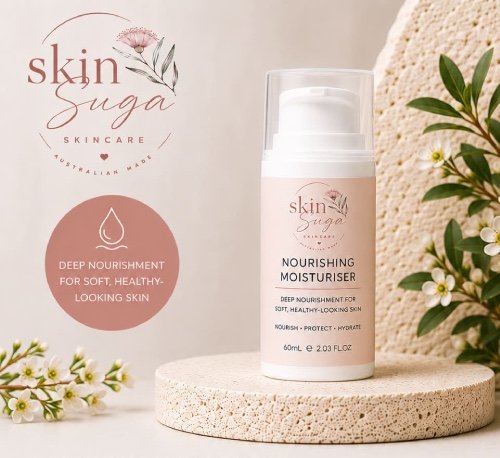
Apply the Nourishing Moisturiser according to zones rather than using the same thick layer everywhere. Its jojoba oil, shea butter, green tea, mangosteen, acai and avocado oils make it a richer comfort step for areas that feel dry. If the T-zone is already comfortable beneath sunscreen, use less there.
Light hydration first
Aloe vera and berry extracts provide a refreshed step without asking facial oil to do a water-based job.
Moisturise by zone
Use more where mature skin feels tight and less where natural oil already provides comfort.
Balance the routine instead of fighting the shine
Daily Essentials provides a flexible base you can adjust by climate, time of day and facial zone.
Explore Daily EssentialsView Anti-Ageing TonerHow to judge whether the routine is working
Over two to four weeks, look for less post-cleansing tightness, fewer flaky patches and a more comfortable sunscreen finish. Do not use absence of all shine as the goal. Healthy-looking skin can reflect light. The meaningful measures are comfort, even application, manageable congestion and a routine you can repeat without irritation.
Take one photograph per week in the same indirect light rather than checking hourly. Note weather, hormonal changes and new products. If discomfort persists despite gentle care, or the skin becomes inflamed, cracked or itchy, seek advice from a GP or dermatologist.
Common questions
Can mature skin be oily?
Yes. Ageing does not erase oily or combination tendencies, although dryness can become more common. Treat the skin you have now rather than the category you had at 25.
Should I use facial oil on shiny skin?
It is optional. Use a small amount only on dry zones or at night. Stop if it feels heavy or worsens congestion.
Does drinking more water fix dehydrated skin?
General hydration supports wellbeing, but topical comfort also depends on cleansing, climate, moisturiser and skin-barrier condition. Do not rely on water intake as the only intervention.
Should I powder away shine?
A small amount of powder can help cosmetically, but heavy repeated powder may emphasise dry texture. Blot gently and keep the underlying routine balanced.
Related guides: combination skin after 40, skin still dry after moisturising and how often to use facial oil.
Sources and further reading
- American Academy of Dermatology: moisturiser for dry, oily and combination skin
- American Academy of Dermatology: why oily or acne-prone skin may still need moisturiser
- American Academy of Dermatology: dry skin causes and ageing
General cosmetic education only; not medical advice.