
Comfort begins before the serum
Why do hot showers make mature skin feel dry?
The short answer: long, hot showers can remove protective surface oils and increase the dry, tight feeling that becomes more common with age. Use warm rather than hot water, keep showers brief, pat instead of rubbing, and apply hydration and moisturiser soon afterwards while the skin is still slightly damp.
The shower can quietly undo a thoughtful routine. You may use a gentle cleanser and nourishing moisturiser, yet ten minutes under very hot water leaves the face, neck and body feeling tight before skincare even begins.
Why mature skin notices heat more
Skin generally becomes drier with age because it retains less water and produces less protective oil. Hot water does not literally “open the pores”, but it can dissolve and remove surface lipids more efficiently than warm water. Add fragranced body wash, a foaming face cleanser and vigorous towel rubbing, and the result can be a rough or papery feel.
The effect is often strongest in winter, in air-conditioned homes, after swimming or during menopause-related dryness. This does not mean water itself is harmful. A short warm shower can add water to the outer skin; the key is preventing that water from evaporating without a moisturising layer.
A shower routine that protects comfort
Turn the temperature down one step
Aim for comfortably warm water, not steam that reddens the skin. If the mirror is heavily fogged and your face remains flushed long after the shower, the temperature may be more than your skin needs.
Keep the exposure brief
The American Academy of Dermatology recommends limiting showers to about five to ten minutes for dry skin. You do not need a stopwatch every day; use the guideline to notice when a leisurely hot shower has become the main dryness trigger.
Cleanse the face deliberately
Do not let shampoo and body wash run over the face as the cleansing method. Use a gentle facial cleanser with your fingertips, then rinse well. A washcloth, scrub or facial brush can add friction when the skin is already softened by water.
Pat, do not polish
Blot the skin with a clean soft towel and leave it slightly damp. Vigorous rubbing can increase visible redness and discomfort. Treat the neck and décolletage with the same care as the face.
Moisturise promptly
Apply a hydrating serum and moisturiser within a few minutes rather than waiting until the skin feels tight. Moisturiser helps trap some of the water introduced during washing.
The three-minute post-shower sequence
- First minute: pat the face, neck and chest so they are damp rather than dripping.
- Second minute: apply a hydrating toner or hyaluronic acid serum according to directions.
- Third minute: apply moisturiser; add facial oil only if extra night-time comfort is needed.
In the morning, finish with broad-spectrum sunscreen according to the label. Do not mix facial oil into sunscreen or use oil as sun protection.
What if you love a hot shower?
You do not have to turn every shower cold. Keep the face out of the hottest stream, shorten the hot portion, then lower the temperature before cleansing the face. A warm shower followed by immediate moisturising is more useful than enduring an unpleasant cold routine you will abandon.
If showers trigger persistent itching, hives, marked redness or a rash, seek professional assessment. Heat can aggravate several skin conditions, and cosmetics are not a diagnosis or treatment.
Notice the full environment as well as the tap. A heated bathroom followed by dry air-conditioning can increase evaporation, while a rough towel adds friction. Keep a clean soft face towel and moisturiser within easy reach so the comfortable choice is also the convenient one.
Which ingredients help after washing?
Hyaluronic acid and glycerin support water binding. Aloe vera can contribute a refreshed, soothing feel. Shea butter and plant oils such as jojoba and avocado act as emollients, improving softness and reducing the rough sensation associated with dryness. The sequence matters: water-based hydration first, moisturiser next, optional oil last.
Very dry skin may need a richer cream, but richness should not come from endless layers. A comfortable moisturiser applied at the right time often performs better than several serums applied after the skin has already dried completely.
The Skin Suga ritual for post-shower dryness
The Ultimate Hydration Ritual is the closest match because it coordinates Cream Cleanser, Anti-Ageing Toner, Hyaluronic Acid Serum, Nourishing Moisturiser and Nourishing Facial Oil. You can use the water-based steps promptly after showering, then decide whether oil is necessary according to time of day and climate.
The Cream Cleanser includes apricot kernel oil, oat, milk thistle, elderflower and cucumber extracts. The Hyaluronic Acid Serum supplies focused hydration. The Nourishing Moisturiser follows with jojoba, shea butter, green tea, mangosteen, acai and avocado oils, while facial oil is an optional final comfort layer rather than the first response to damp skin.
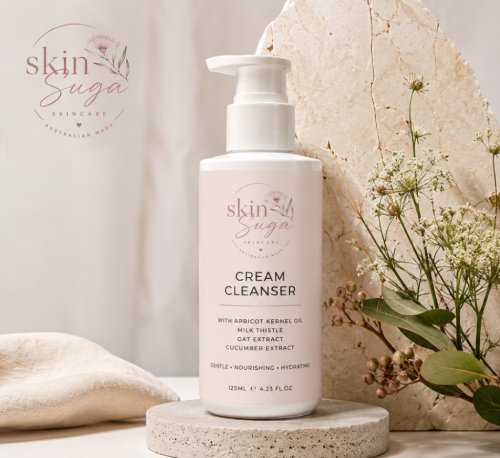
Cleanse without chasing squeakiness
A cream cleanser can remove daily residue while supporting a softer post-rinse feel.
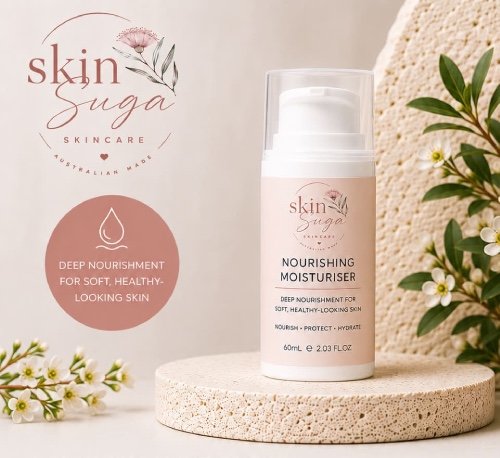
Trap water promptly
Apply moisturiser while the skin retains a trace of water rather than waiting for tightness.
Make the shower part of the hydration ritual
Ultimate Hydration coordinates the steps that follow warm water, from gentle cleansing to optional facial oil.
Explore Ultimate HydrationView Nourishing MoisturiserBody, hands and face need slightly different care
Use cleanser where it is needed rather than heavily lathering every area of dry body skin. Apply body moisturiser after bathing and hand cream after handwashing. Facial products should be used according to their directions and eye products kept away from the eye itself.
Australian sun protection remains essential after the morning shower. Cancer Council advises daily sunscreen when the UV index is forecast to reach 3 or above, together with clothing, shade, a hat and sunglasses. The neck, ears, chest and backs of hands are often missed.
Common questions
Does hot water cause permanent wrinkles?
A hot shower does not suddenly create permanent wrinkles, but repeated dryness can make fine dehydration lines look more obvious. Long-term UV exposure is a much more important preventable ageing factor.
Should I apply hyaluronic acid to wet skin?
Use it on slightly damp rather than dripping skin if the product directions allow, then follow with moisturiser.
Can I wash my face in the shower?
Yes, if the water is warm, the pressure is gentle and you use an appropriate facial cleanser. Avoid holding the face under very hot direct spray.
Why does my face sting after showering?
Heat, cleanser, friction or an irritated barrier may contribute. Reduce variables and seek advice if stinging persists, is severe or comes with rash or swelling.
Related guides: tightness after washing, hyaluronic acid on damp or dry skin and air-conditioning and dry mature skin.
Sources and further reading
- American Academy of Dermatology: short warm showers and prompt moisturising
- American Academy of Dermatology: hot showers, ageing and dry skin
- American Academy of Dermatology: caring for skin in the 60s and 70s
- Cancer Council Australia: daily sun protection
General cosmetic education only; not medical advice.