

Comfort after pool or ocean time
What is the best post-swim skincare routine for dry mature skin?
The short answer: Rinse promptly with fresh lukewarm water, cleanse only when needed, pat rather than rub, then apply hydration and moisturiser while skin is still slightly damp. After daytime swimming, reapply broad-spectrum sunscreen according to its directions. The aim is to remove salt, chlorine and sunscreen residue without turning one swim into several harsh cleansing sessions.
Swimming is excellent movement and pleasure; skincare should support it, not make it feel risky. Pool chemicals, salt water, wind, sun and repeated towel drying can leave mature skin feeling tight, rough or itchy, particularly when it was already dry.
The best post-swim routine is short and practical. Fresh water, gentle handling and prompt moisturising matter more than a long list of treatments. Outdoor swimmers must also treat sunscreen reapplication as part of the routine, not an optional extra.
Why swimming can leave skin feeling dry
Pool water contains disinfectants needed for hygiene. Extended contact, repeated swims and showering may disturb surface oils and increase a dry feeling for some people. Ocean salt can feel drying as water evaporates, while wind adds another source of evaporation. Hot post-swim showers compound the problem.
Sunscreen, sweat and water-resistant formulas can also leave residue. The answer is effective but gentle cleansing, not scrubbing until the skin squeaks.
Before swimming
For outdoor swimming, use water-resistant broad-spectrum sunscreen and follow the label for application timing and reapplication. Add a rash vest, hat, shade and sunglasses where practical. Do not rely on a facial oil as sun protection.
If your face feels dry before entering the pool, a light moisturiser beneath sunscreen may improve comfort, but test the combination ahead of time. Heavy layers can feel slippery and may pill.
A five-step post-swim reset
- Rinse promptly. Use fresh lukewarm water to remove pool or salt residue.
- Cleanse only as needed. Use a cream cleanser if sunscreen, makeup or residue remains.
- Pat dry. Press a soft towel against skin instead of rubbing.
- Hydrate and moisturise. Apply a light hydrating step, then moisturiser while the surface retains a trace of water.
- Reprotect. If returning outdoors, reapply sunscreen according to its water-resistance and reapplication directions.
Pool, ocean and spa need slightly different thinking
Chlorinated pools
Rinse soon after leaving the pool. If you swim frequently, keep a small gentle cleanser and moisturiser in your bag so comfort does not depend on getting home.
Ocean swimming
Salt, wind and sun are the main combination. Rinse salt from the face and hairline, moisturise, and restore sun protection before remaining outdoors.
Heated pools and spas
Warm water can intensify dryness. Limit prolonged heat exposure and use a lukewarm rinse rather than following with another hot shower.
Which Skin Suga ritual fits frequent swimmers?
The Ultimate Hydration Ritual is the ritual-first fit when regular swimming leaves skin tight. Cream Cleanser offers a soft cleansing step with apricot kernel oil, oat, milk thistle, elderflower and cucumber extracts. Anti-Ageing Toner and Hyaluronic Acid Serum provide lighter water-based hydration before Nourishing Moisturiser.
Nourishing Moisturiser combines jojoba oil, shea butter, green tea, mangosteen, acai and avocado oils. The Nourishing Facial Oil can be an optional evening layer after the final swim of the day; it is not a substitute for daytime sunscreen.
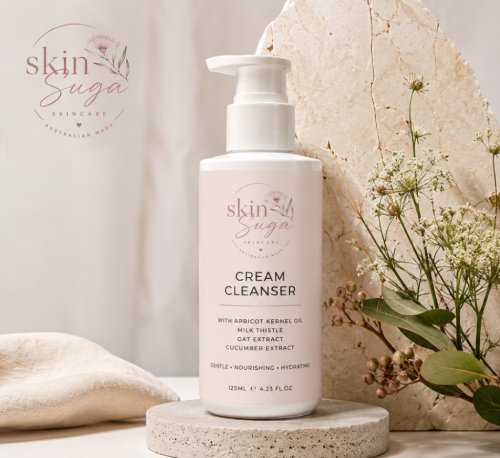
Cream Cleanser
Remove sunscreen and residue without chasing a stripped, squeaky finish.

Nourishing Moisturiser
Use promptly after rinsing to restore a softer, more comfortable surface feel.
Build a swim-day hydration ritual
Ultimate Hydration brings the rinse, hydration and nourishment jobs into one coherent sequence.
Explore Ultimate HydrationView Cream CleanserWhat not to do after swimming
Avoid facial scrubs, rough washcloths and strong exfoliating acids immediately after a long swim if skin feels tight. Do not take a very hot shower or delay moisturiser until the face is completely dry and uncomfortable. Avoid using fragrance over irritated skin.
If swimming happens several times a week, consistency beats recovery treatments. Keep the post-swim routine simple enough to perform at the pool.
Pack a small swim skincare kit
A useful kit needs only a soft towel, gentle cleanser, moisturiser and your chosen sunscreen. Add a hydrating serum if it genuinely improves comfort, but avoid carrying several open dropper bottles into heat and sunlight. Store products according to their directions and do not leave sunscreen in a hot car.
Decanting can remove labels, expiry information and ingredient lists, so use secure travel sizes or original packaging where possible. Keeping the kit permanently in your swim bag makes the routine more reliable than depending on memory.
Frequent swimmers need a weekly strategy
If you swim most days, judge the routine across the week. Note whether tightness appears after the pool, after the shower or later in an air-conditioned room. That timing helps identify whether the main issue is water exposure, cleansing, delay before moisturising or the environment.
Keep non-swim evenings gentle too. Using a strong exfoliant to “remove buildup” after several pool sessions may increase sensitivity. Choose one quiet evening each week with cleanser, hydration and moisturiser only. If skin remains consistently comfortable, optional actives can be scheduled away from the longest swim days.
Swimming with makeup or heavy sunscreen
Water-resistant sunscreen is designed to persist better in water, so it may need a thorough cream cleanse afterwards. Massage cleanser gently over dry or damp skin according to directions, paying attention to the hairline and around the ears. Rinse well before deciding whether a second cleanse is necessary.
If makeup remains, remove it without repeated wipes or scrubbing. One effective gentle cleanse is kinder than several rushed passes. Persistent eye irritation after swimming should be assessed rather than treated with facial skincare.
Body skin matters as well
The shoulders, arms and lower legs may feel drier than the face after swimming. Rinse the whole body, pat dry and apply a suitable body moisturiser. Skin Suga facial products are intended for the facial ritual; use dedicated body products where that is more practical and economical.
Plan around the time of day
An early indoor swim may be followed by a normal morning routine. A midday outdoor swim requires prompt sunscreen reapplication and stronger attention to shade. An evening swim can lead directly into a gentle night routine, with facial oil used only after cleansing, hydrating serum and moisturiser.
If you swim twice in one day, do not automatically perform two long cleansing rituals. Rinse after each session, then use cleanser when sunscreen, makeup or residue needs removal. Repeated washing should stay brief and gentle.
How to judge whether the routine is working
Look for less tightness within 20 minutes of leaving the water, less visible flaking by evening and a routine that does not sting. Keep the same approach for two weeks before adding treatments. If one pool consistently causes more irritation than another, water conditions or exposure time may be relevant.
Persistent symptoms are not a cue to keep adding oil. Review cleanser, shower temperature, swim duration and body care, and speak with a health professional when dryness remains uncomfortable.
When dryness is more than cosmetic
Persistent itching, cracked skin, hives, swelling or a rash may require medical assessment. Some swimmers develop irritation or contact reactions unrelated to ordinary dryness. Stop suspect products and seek advice if symptoms are severe or continue.
Common questions
Do I need to double cleanse after swimming?
Usually not. One thorough gentle cleanse is enough unless heavy water-resistant sunscreen or makeup remains.
Can I apply hyaluronic acid at the pool?
Yes, after rinsing, followed by moisturiser. Do not leave a humectant serum as the only post-swim step when skin feels dry.
Should I exfoliate chlorine away?
No. Chlorine is removed by rinsing and cleansing. Scrubbing can worsen the dry feeling.
Continue with hot showers and mature skin, overnight dryness and a skin-barrier reset.
Sources and further reading
- DermNet: swimming pools and skin
- Cancer Council Australia: sunscreen use
- American Academy of Dermatology: dry-skin care
General cosmetic education only; not medical advice.