

Comfort when the weather turns
How should I care for mature skin in windy Australian weather?
The short answer: Use a gentle cleanser, layer water-based hydration beneath moisturiser, protect the face with a hat or soft scarf and keep broad-spectrum sunscreen consistent. Wind, cool air and low humidity can increase dryness and friction, but scrubbing or over-exfoliating the rough feeling usually makes it worse. Restore comfort first and simplify active products until skin settles.
A windy walk can leave the cheeks and lips feeling tight even when the day is not especially cold. The effect is often strongest along the coast, on open hills, during winter travel or after hours outdoors. Mature skin may notice the change sooner because the surface can already be drier and less oily than it once was.
DermNet identifies cool, windy conditions and low humidity as environments that can contribute to dry skin. Wind also increases evaporation and brings friction from scarves, collars, hair and airborne particles. The response should be protective and gentle, not aggressive.
Is “windburn” the same as sunburn?
The word windburn is commonly used for red, sore skin after windy weather, but wind does not replace UV as a cause of sun damage. A bright, cool day can still carry significant ultraviolet exposure, and the cooling sensation may make the strength of the sun less obvious. Treat persistent pain, blistering or significant redness as more than ordinary dryness and seek professional advice.
Use the UV forecast and SunSmart guidance rather than temperature as the signal for protection. When UV is 3 or above, combine sunscreen with clothing, a broad-brimmed hat, shade and sunglasses.
Prepare before going outdoors
Start with a calm morning routine. If the face is not oily or dirty, a brief rinse may be enough. Apply a light hydration step, follow with moisturiser and allow it to settle. Use broad-spectrum sunscreen on all exposed skin according to the label.
A soft scarf can protect the lower face and neck, but rough wool or a tight synthetic collar may create friction. Choose a smooth breathable layer and wash it regularly. Secure long hair so repeated strands do not whip across the cheeks.
A windy-day routine
Before exposure
- Rinse or cleanse gently.
- Apply a thin hydrating serum to comfortable skin.
- Follow with moisturiser, especially on cheeks and around the mouth.
- Apply sunscreen and use a broad-brimmed hat, scarf and sunglasses.
After coming inside
- Let the face return to room temperature.
- Rinse only if dust, salt or residue needs removal.
- Pat dry without rubbing.
- Apply moisturiser to tight areas.
- Pause acids, scrubs and vitamin A if the skin feels irritated.
Hydration and moisturiser have different jobs
A humectant such as hyaluronic acid helps bind water at the surface. A moisturiser adds emollient ingredients that soften and helps reduce water loss. In dry wind, using both in measured layers can feel more comfortable than repeatedly applying a watery mist.
Do not leave a hydrating serum as the final step if the face already feels dry. Follow with moisturiser. If one cheek receives more wind while driving or walking, apply a little extra moisturiser to that zone rather than coating the whole face heavily.
Which Skin Suga ritual fits?
The Ultimate Hydration Ritual is the ritual-first choice for predictable weather dryness. Cream Cleanser keeps the evening removal step gentle; Anti-Ageing Toner and Hyaluronic Acid Serum provide lighter hydration; Nourishing Moisturiser and Nourishing Facial Oil add increasing levels of comfort.
Hyaluronic Acid Serum is the focused water-binding step. Nourishing Moisturiser includes jojoba oil, shea butter, green tea, mangosteen, acai and avocado oils. Use facial oil at night only when extra richness is useful. It does not replace sunscreen or protective clothing outdoors.
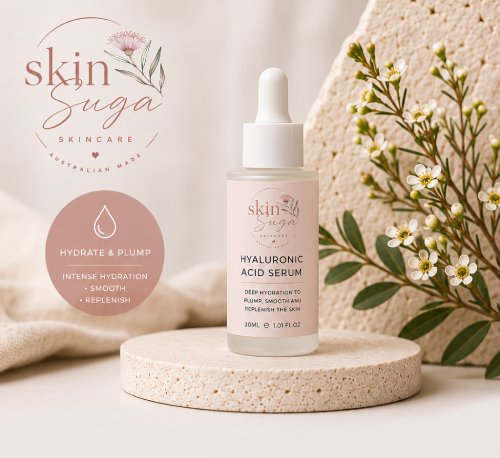
Hyaluronic Acid Serum
Use a thin layer beneath moisturiser before a dry, windy day.
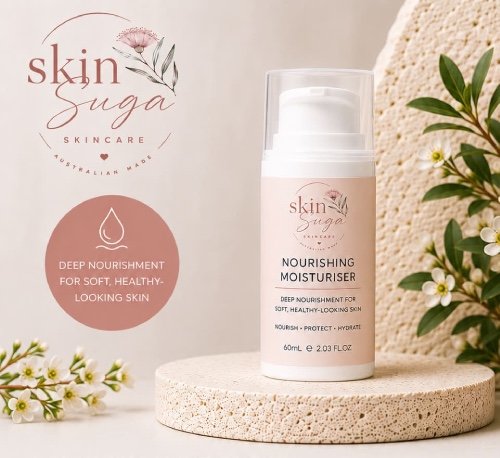
Nourishing Moisturiser
Concentrate a comfortable layer on cheeks, jaw and other wind-exposed zones.
Build weather resilience into one ritual
Ultimate Hydration coordinates cleansing, water-based hydration and nourishing layers without relying on harsh exfoliation.
Explore Ultimate HydrationView Nourishing MoisturiserWhat to avoid when skin feels rough
Roughness can tempt you to scrub, but friction is already part of the problem. Avoid grainy exfoliants, cleansing brushes, very hot water and repeated towel rubbing. Pause unfamiliar actives and do not interpret stinging as evidence that a product is working.
Keep showers warm rather than hot and limit direct fan-heater exposure. Indoor heating can continue the low-humidity effect after you come home. A humidifier may help in a persistently dry room when used and cleaned according to its directions.
Wind, salt and coastal activity
Coastal wind can carry salt and sand. Rinse the face with fresh lukewarm water after prolonged exposure and cleanse if sunscreen, makeup or residue remains. Do not use a towel to polish away salt crystals. Pat dry and moisturise promptly.
If you have been swimming, reapply sunscreen before further outdoor exposure. Water resistance does not mean all-day protection; follow the sunscreen label and Cancer Council reapplication guidance.
Protect the neck, lips and hands
The jawline is not the edge of the routine. Apply moisturiser and sunscreen to the exposed neck and upper chest, then use a scarf or high collar where comfortable. Use an SPF lip product and reapply it. Hands can benefit from moisturiser after washing and sunscreen outdoors.
Adjust by season and location
A Perth sea breeze, a cold southern holiday and a dry inland wind may feel different. Keep the product list stable and change amount first. Add moisturiser to exposed zones, use facial oil at night if needed and reduce optional active nights. When the weather becomes humid again, return to lighter amounts.
Review how skin feels over several days, not just immediately after one walk. Persistent cracking, intense itch, rash or pain may indicate dermatitis or another condition requiring a GP or dermatologist.
A small outdoor kit is enough
Pack sunscreen, an SPF lip product, a clean soft tissue and the hat or scarf you will actually wear. There is rarely a need to carry the full evening ritual. If the face feels tight while you are outside, move into shelter before touching it and use clean hands. Reapply sunscreen according to its label rather than layering facial oil over the protective film.
Store sunscreen and skincare away from direct heat and sunlight. A car dashboard, beach bag in full sun or window ledge can exceed recommended storage temperatures. Check the formula for separation, unusual smell or texture and replace expired sunscreen.
Make the evening routine restorative, not corrective
After a difficult weather day, the face does not need punishment for looking rough. Cleanse only as much as needed to remove sunscreen and residue, use hydration, moisturise and sleep. Delay a peel or strong active until the skin is comfortable. This protects your ability to use those products consistently later.
Frequently asked questions
Should I apply facial oil before going into the wind?
Moisturiser is the main comfort layer. Facial oil can be used if your skin tolerates it, but sunscreen remains the final daytime product and clothing adds physical protection.
Can wind cause permanent skin ageing?
Wind commonly contributes to dryness and irritation. UV exposure is the established concern for premature ageing, so use sun protection even on cool windy days.
Should I exfoliate flaky skin after a windy day?
Not immediately. Restore comfort with gentle cleansing and moisturising first; exfoliation can increase irritation.
Continue with hot showers and dry mature skin, air-conditioning and dry skin and a skin-barrier reset.
Sources and further reading
- DermNet: dry skin and environmental causes
- American Academy of Dermatology: relieving dry skin
- American Academy of Dermatology: choosing a moisturiser
- Cancer Council Australia: sunscreen use and reapplication
General cosmetic education only; not medical advice.