

Rotate with purpose
Is skin cycling suitable for mature skin over 40?
The short answer: It can be, but skin cycling is an optional scheduling method rather than a treatment rule. Mature skin often benefits from separating potentially irritating active products and keeping recovery nights simple. Start with fewer active nights, follow each product label, use moisturiser consistently and protect skin from the sun every day.
Skin cycling gives different evenings different jobs. A widely shared version rotates exfoliation, a retinoid and recovery nights. The concept can help people stop stacking several strong products at once, but the exact four-night pattern is not compulsory and may be too ambitious for dry or reactive mature skin.
The schedule should follow your skin and the directions of the products you actually own. If you do not use an exfoliant, you do not need to buy one just to complete a cycle. If vitamin A already causes dryness, add more recovery time rather than forcing the calendar.
What skin cycling is really trying to solve
Using several anti-ageing treatments together can irritate the skin. The American Academy of Dermatology advises starting retinoids slowly, using moisturiser and applying sun protection. A rotation creates space between active nights, making it easier to see what the skin tolerates.
The useful principle is separation. The trend name matters less than avoiding a strong exfoliant, vitamin A and a new serum in one evening. Mature skin can respond well to consistency, but irritation may make dryness, roughness and uneven-looking tone more noticeable.
A conservative four-night example
Four nights, adjusted for mature skin
- Night 1 – preparation: Gentle cleanse, then an exfoliant only if you already tolerate one and its directions support that frequency. Otherwise make this a recovery night.
- Night 2 – vitamin A: Gentle cleanse, allow skin to dry, apply the directed amount of your vitamin A product, then moisturise as directed.
- Night 3 – recovery: Cleanse, hydrating serum, moisturiser.
- Night 4 – recovery: Repeat the gentle hydration routine or use facial oil after moisturiser on dry zones.
Begin with an extra recovery night whenever dryness, stinging or peeling appears. A six- or seven-night cycle is still skin cycling if it suits you better.
Vitamin A needs the most care
Vitamin A is a family of ingredients that includes retinoids and retinol. Strength, formulation and directions differ. Cleveland Clinic and the AAD both recommend gradual introduction because dryness, redness and irritation can occur. Use only at night when directed, begin at low frequency and keep morning sun protection consistent.
Do not use topical retinoids during pregnancy. Ask a doctor about pregnancy, breastfeeding, prescription retinoids, skin conditions or other treatments. A cosmetic product page cannot replace personal medical advice.
Do you need an exfoliation night?
No. Exfoliation is not a membership fee for skin cycling. If your skin is already smooth, sensitive or using vitamin A, a dedicated acid night may add more irritation than benefit. If you use one, choose a product designed for facial use, follow its directions and keep it away from the same night as vitamin A unless a qualified professional has told you otherwise.
Scrubs are not automatically gentler than acids. Friction can also irritate. The right frequency may be weekly, fortnightly or not at all.
Which Skin Suga ritual fits?
The Age Defy Ritual is the ritual-first choice when vitamin A is part of the goal because the products can be arranged around active and recovery nights. The routine should not make every night an active night. Use the Vitamin A Facial Oil only according to its label and keep the other evenings focused on hydration and comfort.
For recovery nights, Hyaluronic Acid Serum provides a water-binding step and Nourishing Moisturiser combines jojoba oil, shea butter, green tea, mangosteen, acai and avocado oils. Anti-Ageing Elixir, which contains bakuchiol, belongs in the schedule only when its directions and your tolerance allow. Do not stack it automatically with vitamin A simply because both are in the bathroom.
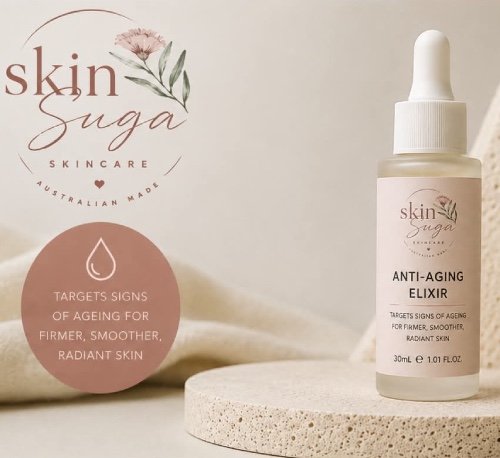
Anti-Ageing Elixir
A bakuchiol-led treatment step to introduce separately and schedule according to tolerance.

Nourishing Moisturiser
The dependable comfort step across active and recovery nights.
Build an age-support ritual with recovery built in
Use Age Defy as the framework, then rotate active products slowly rather than stacking them.
Explore Age DefyView Anti-Ageing ElixirHow to start without losing track
Patch test one new product first. Keep cleanser, moisturiser and sunscreen stable for at least two weeks. Start the active on one night each week, then observe dryness, redness, stinging and peeling. Increase only if the label permits and the skin remains comfortable.
Write the schedule on paper or in a phone calendar. Product names are more useful than vague labels such as “active night”. If a reaction occurs, you should be able to identify exactly what was used.
What belongs on recovery nights?
Recovery does not require a special repair product. A gentle cleanser, one hydrating layer and moisturiser are enough. Facial oil can be pressed over moisturiser if the skin feels dry. Avoid adding a peel, scrub, strong mask or new treatment because the evening looks empty.
If the face stings even with the basic routine, stop active products and allow the skin to settle. Persistent symptoms may need a dermatologist.
Morning care is part of the cycle
A night schedule is incomplete without daytime protection. Use broad-spectrum sunscreen with clothing, shade, a hat and sunglasses when UV is 3 or above. Follow the sunscreen label for application and reapplication. Vitamin A can increase sun sensitivity, and sun exposure can undermine the appearance goals the routine is meant to support.
How to tell whether the cycle is helping
Assess comfort before chasing visible change. A useful cycle should be easy to remember and should not produce repeated burning, cracking or prolonged peeling. Keep a weekly note of active nights, dryness, stinging and sunscreen tolerance. Review the pattern after six to eight weeks rather than judging each morning in isolation.
If the skin is comfortable but the routine feels too complicated, simplify it. One vitamin A night followed by several recovery nights may be enough. If an active causes repeated irritation at the lowest permitted frequency, stop and ask a dermatologist whether that ingredient or strength is suitable.
Seasonal changes matter in Australia
A cycle that works in a humid Perth summer may feel different during winter, air-conditioned travel or a dry inland trip. Extend recovery nights when climate or sun exposure increases dryness. Never use an extra active night to compensate for missed evenings. The schedule is a tool for consistency, not a performance target.
When skin cycling is not the answer
Do not start a complex cycle on sunburnt, broken or actively inflamed skin. If you have eczema, rosacea, severe acne, recurrent dermatitis or prescription treatment, ask a dermatologist how to arrange products. A fixed internet schedule cannot account for diagnosis, medication or ingredient strength.
Frequently asked questions
Must skin cycling be four nights?
No. Add recovery nights and reduce active frequency according to product directions and tolerance.
Can I use bakuchiol and vitamin A on the same night?
Do not assume they should be layered. Introduce separately and follow each label; seek professional advice for a combined active routine.
What if I forget which night I am on?
Choose a recovery night. A missed active night is less concerning than doubling up and causing irritation.
Continue with how to use vitamin A facial oil, bakuchiol versus retinol and a skin-barrier reset.
Sources and further reading
- American Academy of Dermatology: retinoids and retinol
- Cleveland Clinic: retinol use and tolerance
- American Academy of Dermatology: skincare order
- Cancer Council Australia: sunscreen basics
General cosmetic education only; not medical advice.