A botanical without the folklore
What does milk thistle do for mature skin?
The short answer: Milk thistle is used in skincare as a botanical source of flavonolignans, including compounds grouped under the name silymarin. Laboratory and animal research suggests antioxidant activity, but there is not strong human evidence that a milk-thistle cleanser removes wrinkles, reverses sun damage or treats skin disease. In mature skincare, its most realistic role is as one supporting ingredient inside a well-formulated, gentle product. Formula quality and the cleanser’s overall after-feel matter more than the botanical name alone.
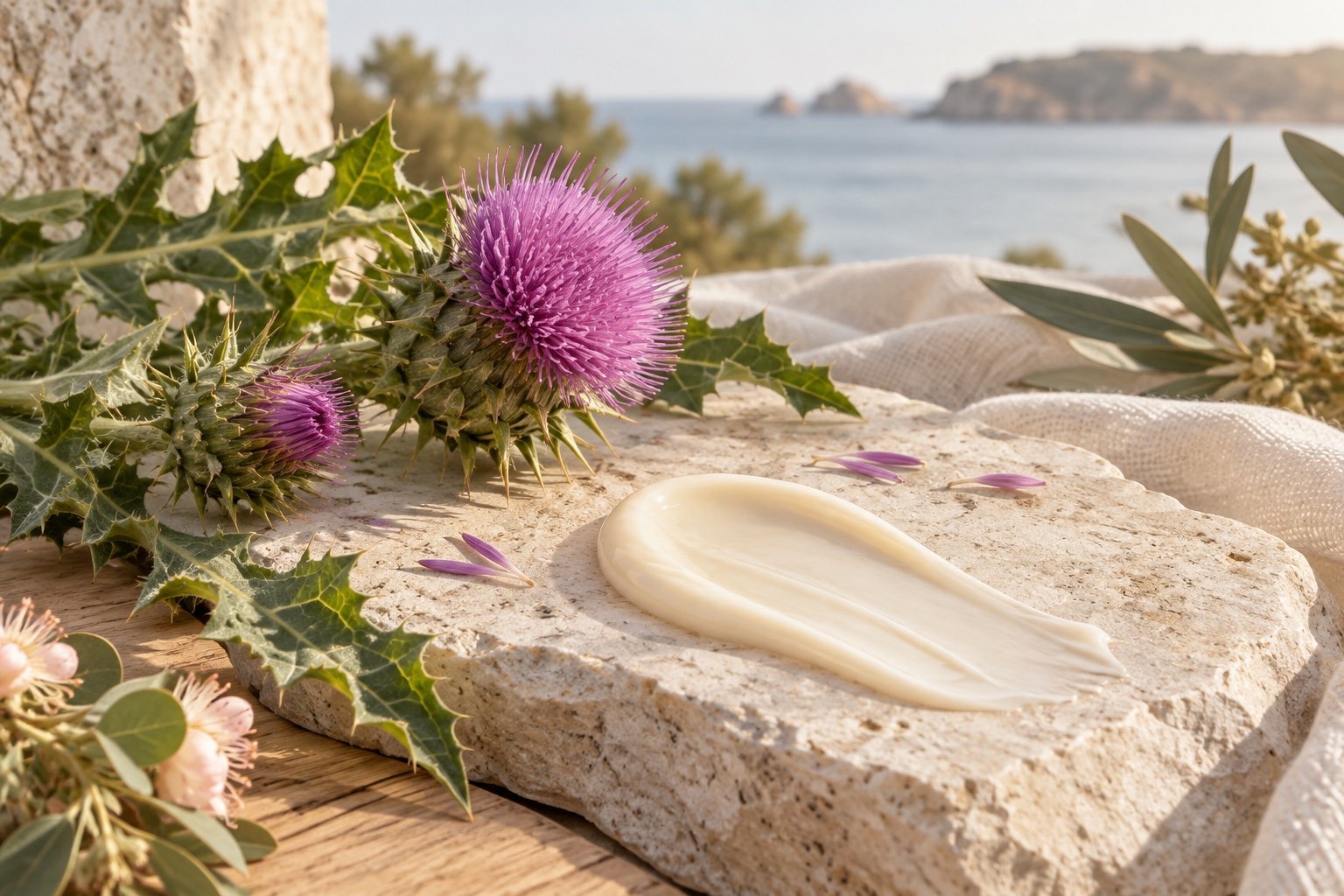
Milk thistle is better known as a herbal supplement than a facial-care ingredient, which creates fertile ground for exaggerated beauty claims. The plant’s Latin name is Silybum marianum. Its fruits and seeds contain a mixture of related compounds commonly called silymarin, with silibinin among the best studied.
Those names can sound clinical, but an ingredient story is not the same as a proven result on a human face. Mature skin benefits from honest distinctions: what researchers observed in cells or animals, what a finished cosmetic can reasonably do, and what remains unproven.
What does the research actually show?
Silymarin has demonstrated antioxidant and anti-inflammatory mechanisms in experimental research. Reviews of ultraviolet-exposed mouse models describe photoprotective effects, while laboratory work explores how its compounds interact with oxidative-stress pathways. These findings help explain why formulators are interested in the botanical.
They do not prove that a rinse-off cleanser containing milk thistle prevents skin cancer, repairs UV injury or performs like sunscreen. Much of the topical literature is preclinical, delivery research or ingredient-level investigation rather than large, controlled trials of ordinary facial products in women over 40. A responsible cosmetic description therefore stays with cleansing, comfort and appearance instead of borrowing medical outcomes from a different model.
Antioxidant does not mean sunscreen
Antioxidants can help a formula manage oxidation, and some may interact with reactive molecules in experimental settings. The word does not confer an SPF, make skin immune to sunlight or replace regulated sun protection. In Australia, use broad-spectrum sunscreen according to its label when protection is recommended, together with clothing, shade, a broad-brim hat and sunglasses.
That distinction matters because antioxidant language is often stretched into claims about “repairing sun damage”. Skin Suga cosmetics are designed to support the look and feel of skin. A changing lesion, persistent rough patch or other medical concern needs assessment rather than a botanical cleanser.
Why include milk thistle in a cream cleanser?
A cleanser’s primary task is to loosen makeup, sunscreen, oil and daily residue so they can be rinsed away. Mature skin often prefers this without a tight, squeaky finish. A cream cleanser combines cleansing agents with emollient and botanical components to create a softer sensory experience.
Milk thistle can sit within that complete formula as a supporting botanical. It does not work alone, and it is not on the face for as long as a leave-on serum. The emulsifying system, oils, preservation, pH, amount used and rinsing method all shape the experience. Judge the finished cleanser by whether it removes what you need removed and leaves the face comfortable.
A comfortable evening cleanse
- Start dry or damp as directed: Follow the cleanser label rather than assuming every cream formula works the same way.
- Massage gently: Use fingertips for long enough to loosen sunscreen and makeup without scrubbing.
- Rinse thoroughly: Use lukewarm water and pay attention around the hairline and jaw.
- Check the finish: Skin should feel clean and comfortable, not coated or squeaky.
- Continue promptly: Add a purposeful leave-on treatment and moisturiser instead of letting dry skin tighten.
Does rinse-off contact make the ingredient pointless?
No, but it changes expectations. A rinse-off product can still deliver a pleasant, non-stripping cleanse and leave emollient material at the surface. It is simply not the format from which to expect dramatic treatment-level outcomes. Contact time is brief and much of the formula is removed with water.
This is why “contains an antioxidant botanical” and “clinically transforms ageing skin” are very different statements. A good cleanser earns its place by making the routine easy to repeat and by preparing the face for leave-on products.
Is milk thistle suitable for sensitive mature skin?
No botanical is automatically hypoallergenic. Milk thistle belongs to the Asteraceae family, which also includes ragweed, daisies and chrysanthemums. Sensitivity to one family member does not guarantee a reaction to a cosmetic extract, but a history of plant allergy is a reason to be careful.
Patch testing a finished product can help identify obvious intolerance, although it cannot guarantee future compatibility. Stop if itching, swelling, persistent burning or a spreading rash develops. Seek professional advice for significant or ongoing symptoms.
Milk thistle versus oat and apricot kernel oil
Skin Suga Cream Cleanser combines milk thistle with oat extract and apricot kernel oil. The useful question is not which single ingredient “wins”. Oat contributes to the formula’s gentle positioning, while apricot kernel oil supplies emollient slip and milk thistle adds its botanical antioxidant story. The cleansing system ties them together.
Ingredient ranking by itself cannot reveal concentration, extraction method or finished-product performance. A shorter list is not always gentler, and a long botanical list is not automatically better. Comfort after rinsing is a practical test that marketing cannot replace.
Can milk thistle brighten or firm the face?
There is not robust human evidence that an ordinary milk-thistle cleanser visibly firms mature facial skin or removes pigmentation. Better-supported ways to improve the appearance of dullness include gentle cleansing, moisturising, appropriate leave-on ingredients and consistent sun protection.
A cream cleanser may make the surface look fresher by removing residue without rough scrubbing. Hydrated skin can also appear smoother. Those are credible cosmetic outcomes; they should not be turned into claims that the botanical rebuilds collagen or changes skin structure.
Build the ingredient into a complete morning
- Cleanse only as needed: A water rinse may be enough for some dry mature skin in the morning.
- Hydrate: Use one light water-based step if the face feels tight.
- Treat: Choose a serum for your main cosmetic goal rather than layering every active.
- Moisturise: Select texture by comfort and climate.
- Protect: Finish with separate broad-spectrum sunscreen whenever Australian UV guidance calls for it.
How often should you use it?
A gentle cleanser may suit once or twice daily, but frequency should follow your skin, makeup and sunscreen use. Very dry mature skin may prefer a full cleanse in the evening and a lighter morning routine. After exercise or heavy sunscreen, cleanse thoroughly without repeating harsh washes.
If tightness increases, review water temperature, quantity and frequency before buying another treatment. Cleansing should create a reliable beginning, not a problem the rest of the routine must repair.
Ritual first: Daily Essentials Ritual
The Daily Essentials Ritual places the milk-thistle Cream Cleanser inside a complete sequence of cleansing, hydration and moisturising. That is the sensible way to use a supporting botanical: let each step perform a clear job instead of asking the cleanser to behave like every product at once.
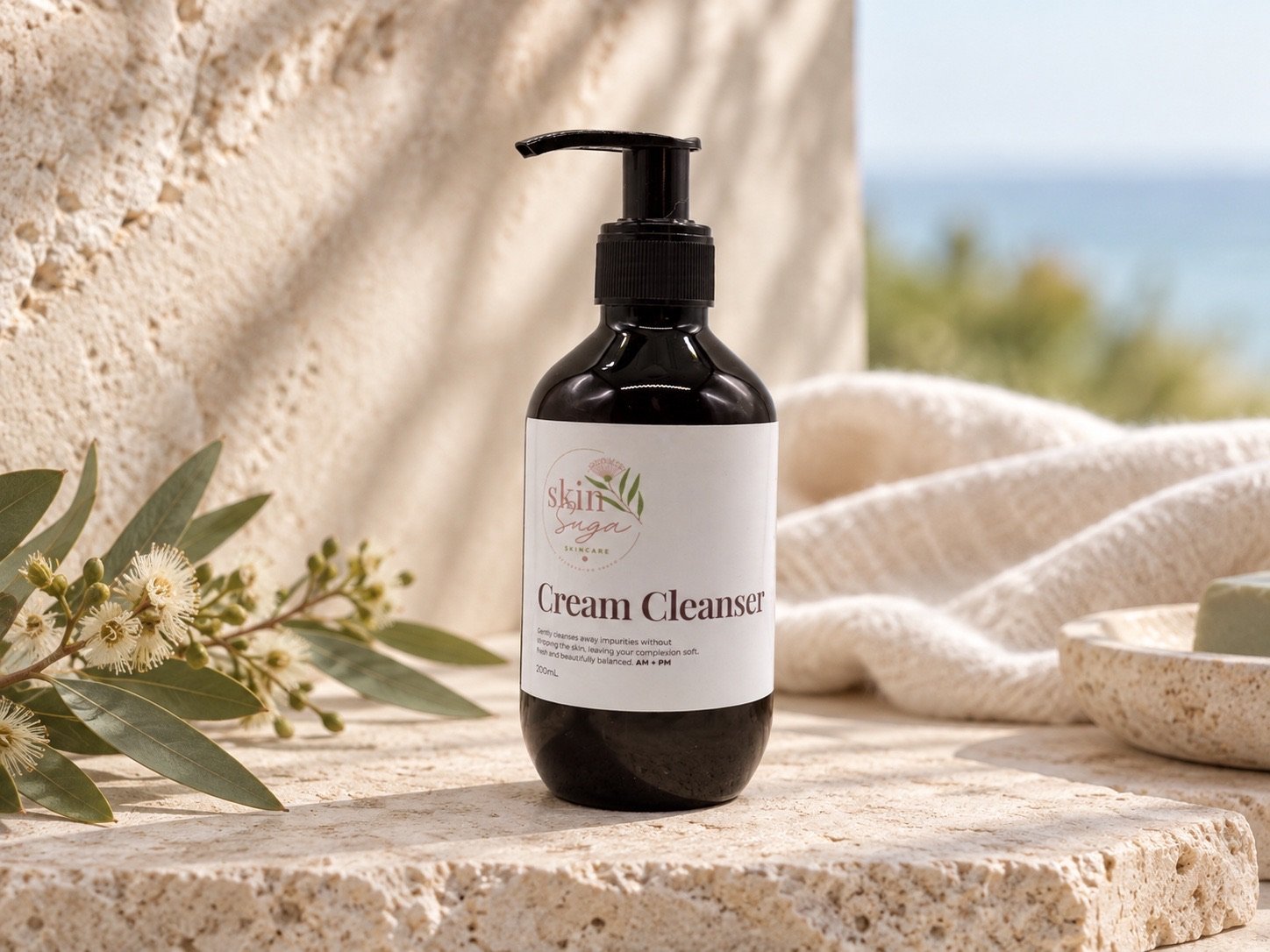
Cream Cleanser
A soft rinse-off formula with apricot kernel oil, milk thistle and oat extract for a comfortable cleansing step.
View Cream Cleanser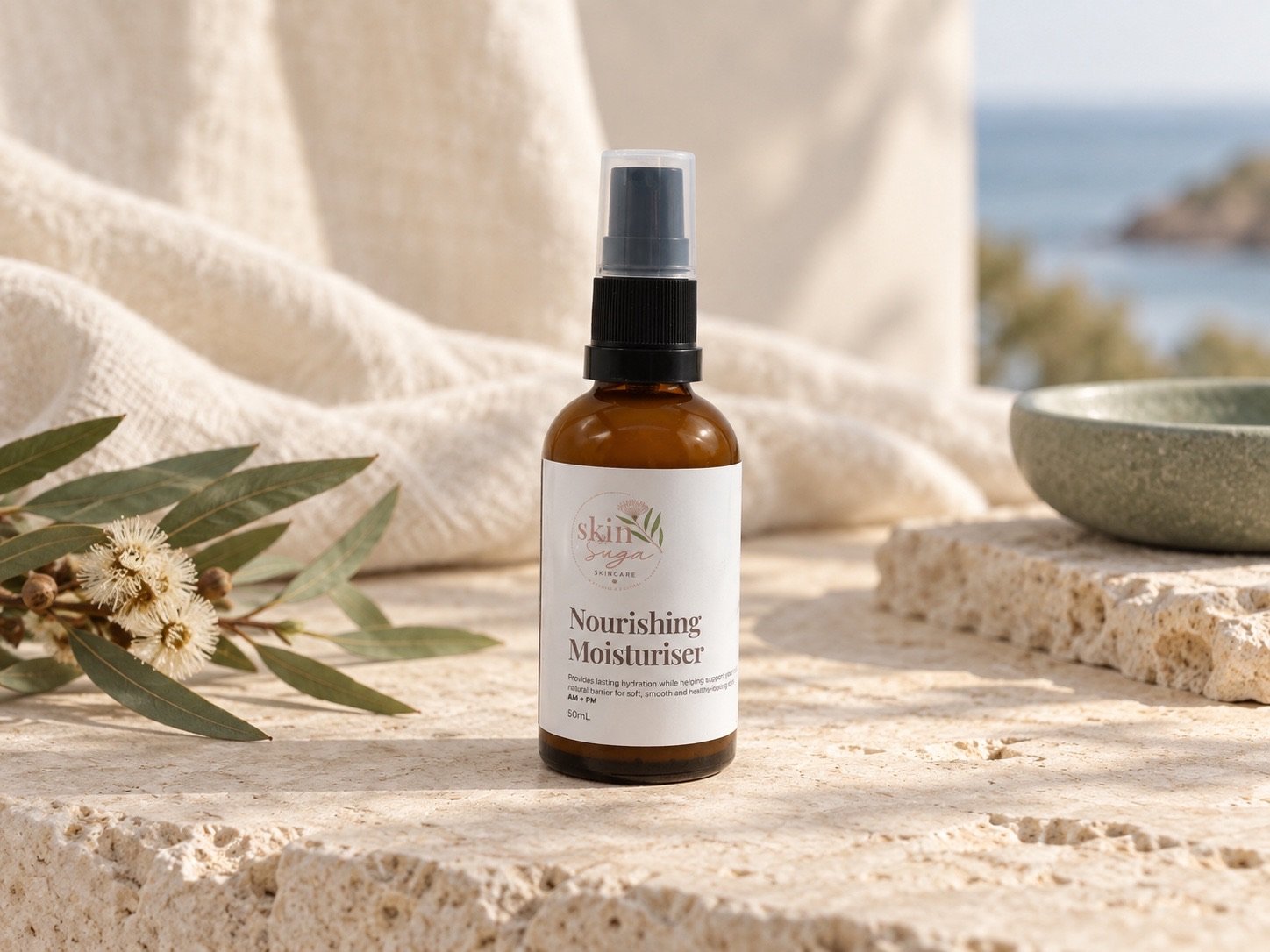
Nourishing Moisturiser
A richer moisturising finish for mature skin that wants more emollient comfort after cleansing.
View Nourishing MoisturiserKeep the botanical in perspective
Choose milk thistle as part of a cleanser you enjoy using, then let the full ritual carry hydration and comfort.
Explore Daily Essentials RitualView Cream CleanserCommon questions
Is milk thistle the same as silymarin?
Milk thistle is the plant. Silymarin names a mixture of flavonolignans obtained mainly from its fruits and seeds.
Does milk thistle remove wrinkles?
There is not strong human evidence that a milk-thistle cleanser removes wrinkles. A gentle formula may help the surface feel comfortable and look fresh.
Can milk thistle replace vitamin C?
No direct substitution rule applies. They are different ingredients in different formulas, and milk thistle has far less human facial-skincare evidence.
Can I use the cleanser every day?
Use it as directed if your skin remains comfortable. Reduce frequency and seek advice if persistent irritation develops.
Sources
- PubMed: Silymarin and experimental photocarcinogenesis mechanisms
- PubMed: Cosmeceuticals and silibinin
- PubMed: Topical delivery of silymarin constituents
- Therapeutic Goods Administration: Cosmetic and therapeutic claims
This is general cosmetic education. Laboratory and animal findings do not establish a medical benefit from a rinse-off facial cleanser.