

A practical Australian answer
Do you need sunscreen indoors in Australia?
The short answer: You usually do not need sunscreen when you stay indoors and away from direct sunlight. Cancer Council Australia advises considering sun protection when direct sun reaches you through a window for an extended time, or when you will be outside while the UV Index is 3 or above. Window glass blocks most UVB but can transmit some UVA, so where you sit, how long you stay there and whether you drive regularly matter more than a blanket rule to wear SPF in every room.
Australian sun advice can feel confusing when one message says sunscreen belongs to every morning and another says it is unnecessary indoors. Both can be understood once exposure is separated from habit. Sunscreen is designed to reduce ultraviolet exposure; a room does not create the same exposure simply because it is daytime.
For a woman working well back from a window, spending most of the day under a solid roof and stepping outside only when the UV Index is low, indoor sunscreen may add little. For someone seated in a beam of direct sunlight, driving for hours or moving repeatedly between indoors and outdoors, protection is more relevant. The goal is sensible protection, not anxiety about ordinary daylight.
What window glass does and does not block
Standard glass absorbs most UVB, the wavelengths closely associated with sunburn. It is less complete at blocking UVA. UVA contributes to cumulative skin change and can pass through some untreated side and rear vehicle windows. Laminated windscreens generally offer greater protection, while transmission through other windows varies with glass and tint.
This does not mean every window is dangerous. Distance, direction, cloud, shade, time of day, season and duration all change exposure. Sitting beside an east-facing window for a brief breakfast is different from spending every afternoon in direct western sun. If direct sunlight is warming your face or arm for long periods, close a blind, move your chair or use sun protection.
The Australian UV rule is still the useful starting point
Cancer Council recommends sun protection when the UV Index reaches 3 or above. Check the forecast through the Bureau of Meteorology, SunSmart app or a reliable weather service rather than judging UV by heat. A cool, breezy or cloudy day can still have damaging UV.
If you will leave the house during those conditions, applying sunscreen in the morning can be a convenient habit. Convenience is a valid reason; it is simply different from claiming that every indoor minute requires it. Broad-spectrum sunscreen works best as one part of protection alongside shade, clothing, a broad-brim hat and sunglasses.
Decide in under a minute
- Check your day: Will you walk, garden, drive or eat outside while UV is 3 or above?
- Check your seat: Does direct sun reach your face, chest or hands through a nearby window for a long time?
- Reduce exposure first: Move back, use a blind or choose shade when that is practical.
- Apply when relevant: Use a broad-spectrum sunscreen according to its label before exposure.
- Keep the full system: Add clothing, shade, hat and sunglasses rather than relying on SPF alone.
What about driving?
Regular driving deserves more attention than a shaded indoor room because the side window is close to the face and hands. Longer trips, occupational driving and strong side light can create repeated UVA exposure. Use a compliant broad-spectrum sunscreen on exposed skin, wear long sleeves where practical and consider legal UV-protective window film fitted by a reputable professional.
Do not rely on the windscreen alone. The side of the face nearest a window can receive different exposure from the centre of the vehicle. Reapply sunscreen according to the label and after sweating or rubbing. Keep sunscreen out of a hot parked car because prolonged heat may compromise the formula.
Does indoor light worsen pigmentation?
UVA through a sunlit window may be relevant to people managing uneven-looking pigmentation. Visible light can also matter for some pigment conditions, particularly in deeper skin tones, but ordinary indoor lamps and screens are not equivalent to direct sunlight. A dermatologist can advise whether a tinted sunscreen or additional measures suit a diagnosed condition.
Skincare can improve the look of brightness and support an even-looking surface, but it does not make skin immune to UV. If pigmentation is changing quickly, has an unusual shape or is accompanied by a new or changing lesion, seek medical assessment instead of treating it as a cosmetic concern.
How to avoid a heavy morning routine
Mature skin can feel dry, yet too many layers may pill beneath sunscreen. Cleanse only as needed, use one light hydration step, add moisturiser where the face feels dry and allow it to settle. Apply sunscreen separately and evenly. Do not mix SPF into facial oil, moisturiser or foundation because that changes the tested film.
If the labelled amount feels uncomfortable, look for a sunscreen texture designed for your skin rather than applying less. Sunscreen is regulated differently from cosmetic serum. Skin Suga moisturisers can prepare the surface, but they do not replace a separate broad-spectrum sunscreen.
A calm indoor-to-outdoor morning
- Cleanse lightly: Use a cream cleanser when needed; rinse with lukewarm water.
- Hydrate: Apply a thin mist or serum if the face feels tight.
- Moisturise: Choose a light or nourishing texture by comfort, not age alone.
- Pause: Let skincare settle so it does not disturb the next film.
- Protect: Apply a fresh broad-spectrum sunscreen before relevant exposure and follow its directions.
Do you need sunscreen beside every window?
No. A window with a deep verandah, external shade or no direct sun creates a different situation from floor-to-ceiling glass in full sun. Films, laminated glass and curtains can reduce exposure. If you are unsure about a regular work position, practical changes such as moving the desk may be more comfortable than treating the room like a beach.
The question is not whether one photon reaches the skin. It is whether your pattern of exposure is meaningful enough to protect against. A consistent, realistic routine will serve mature skin better than rules so strict they are abandoned.
Ritual first: Daily Essentials Ritual
The Daily Essentials Ritual keeps morning preparation simple: gentle cleansing, hydration and moisturising before your separate sunscreen when protection is needed. It supports comfortable mature skin without pretending a cosmetic ritual replaces regulated SPF.
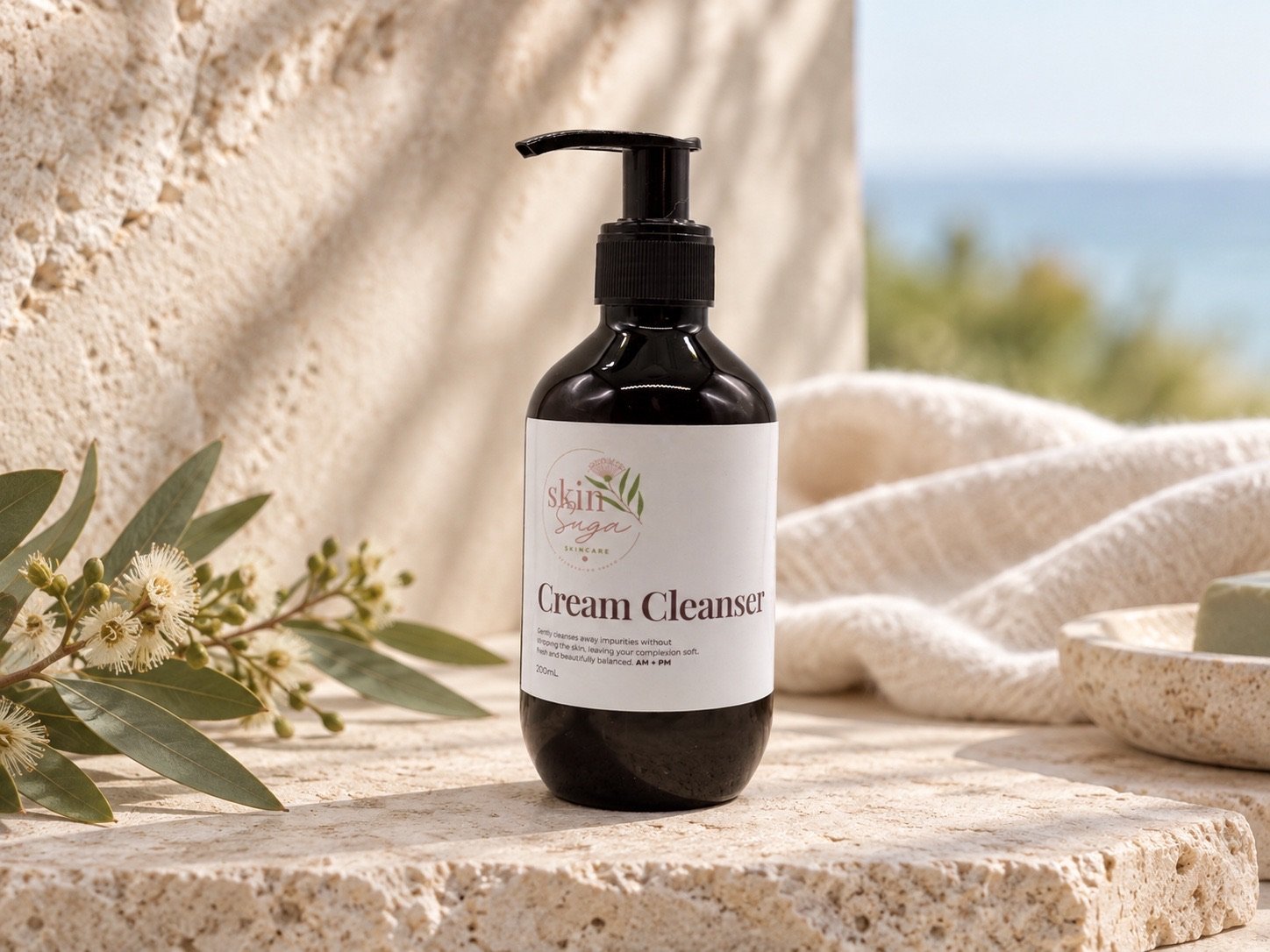
Cream Cleanser
Apricot kernel oil, milk thistle and oat extract create a soft rinse-off step without chasing a squeaky finish.
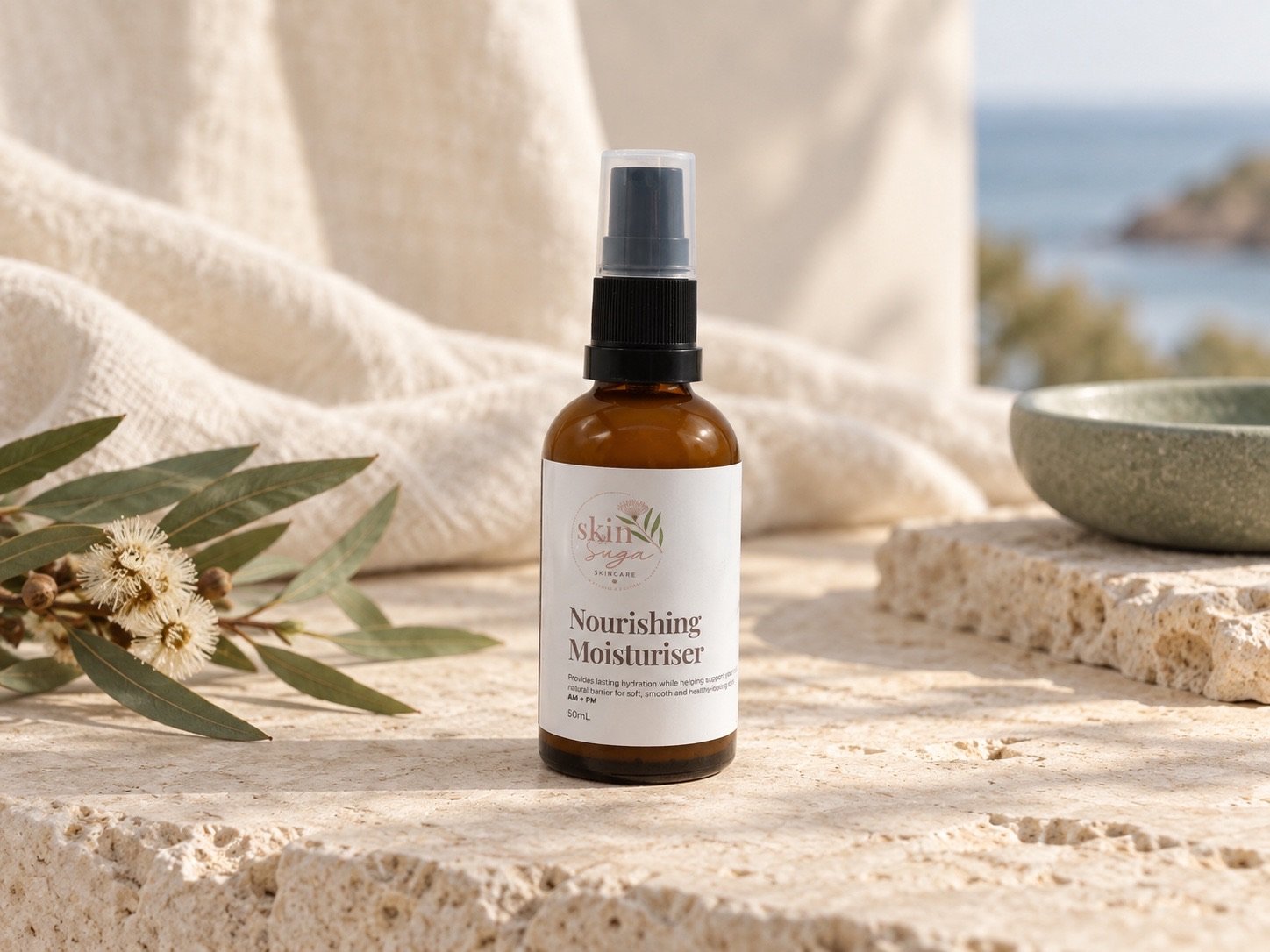
Nourishing Moisturiser
A comfortable moisturising finish that can sit beneath a separate sunscreen when mature skin feels dry.
Keep mornings simple and protection relevant
Prepare the surface gently, then use a separate broad-spectrum sunscreen whenever your exposure calls for it.
Common questions
Do I need sunscreen while working from home?
Usually not when you are away from direct window sunlight and remain indoors. Consider it for prolonged direct sun or when you will go outside at UV 3 or above.
Can UVA pass through car windows?
Some UVA can pass through untreated side and rear windows. Transmission varies, so regular drivers should use multiple forms of protection.
Do computer screens require sunscreen?
Screen light is not the same as solar UV. Sunscreen decisions should be based mainly on sunlight and outdoor exposure.
Should I wear sunscreen when it is cloudy?
Use the UV Index, not cloud or temperature, to guide protection. UV can reach 3 or above on cloudy days.
Sources
- Cancer Council Australia: Should I wear sunscreen indoors?
- Cancer Council Australia: Tinted windows and UV
- Cancer Council Australia: Be SunSmart
This is general cosmetic and sun-safety education. Follow the sunscreen label and seek professional advice for a medical skin condition.