

Soothe the routine without pretending to treat the allergy
How should you care for mature skin during hay fever season?
The short answer: During hay fever season, keep skincare simple and reduce friction around the eyes and nose. Rinse pollen from the face after outdoor exposure, cleanse gently at night, pat rather than rub, and use a plain moisturising layer on comfortable intact skin. Avoid introducing strong exfoliants while the face is already irritated. Skincare cannot treat allergic rhinitis; persistent eye swelling, wheezing, breathing difficulty or severe symptoms need prompt medical advice.
Australian spring can bring pollen, wind and repeated nose blowing at the same time that mature skin is already prone to dryness. The result may be tight cheeks, a tender nose and an eye area that feels rubbed rather than rested. The most helpful skincare response is not a stronger active. It is a quieter routine that removes outdoor residue and reduces repeated friction.
Hay fever, or allergic rhinitis, is a medical allergy condition. Its treatment may involve avoiding triggers and using medicines advised by a pharmacist or doctor. Cosmetic skincare can care for the surface around affected areas, but it should never claim to stop the immune response, clear the sinuses or treat itchy eyes.
Why the face can feel uncomfortable
Pollen can settle on skin, hair, brows and lashes. Rubbing and wiping then creates repeated mechanical irritation. Tissues remove moisture from the sides of the nose, while watery eyes can leave the surrounding skin damp and then dry. Wind and spring UV add further exposure.
Mature skin may contain fewer surface lipids and recover less comfortably from frequent washing. That makes the balance important: remove residue without cleansing five times a day, and moisturise without putting fragranced or active products onto already stinging skin.
What to do after being outdoors
Wash hands first so pollen is not moved from fingers to eyes. If the face feels comfortable, rinse with cool-to-lukewarm water and pat dry with a clean towel. A full cleanser is usually needed only when removing sunscreen, makeup or substantial grime.
Changing the pillowcase more often and showering before bed can reduce the outdoor material carried into sleep. Keep bedroom windows closed when local pollen is high if that is part of your allergy plan. These habits support comfort but do not replace medical treatment.
A gentle spring morning routine
- Assess first: If skin is actively swollen, cracked or burning, pause non-essential products.
- Rinse lightly: Use cool-to-lukewarm water rather than a hot shower on the face.
- Moisturise intact skin: Apply a thin comfortable layer without rubbing the eye margins.
- Protect from UV: Finish with broad-spectrum SPF50 or SPF50+ sunscreen that does not sting your eyes.
- Keep tissues soft: Blot rather than repeatedly wiping across the nose and cheeks.
How to care for the eye area
Do not put cosmetic eye cream into the eye, on the waterline or over broken, weeping or swollen skin. Use clean hands and a rice-grain amount around the orbital bone only when the area is comfortable. If a product stings, rinse it away and stop.
A clean cool compress over closed eyes may feel soothing, but eye symptoms can have several causes. Pain, light sensitivity, visual change, marked swelling, discharge or symptoms that do not settle deserve prompt advice from a doctor, pharmacist or optometrist.
What to pause during a flare
Pause exfoliating acids, scrubs, retinoids and strongly fragranced products on irritated areas. This is not because those ingredients caused the allergy. It is because already uncomfortable skin has less tolerance for extra stimulation.
Keep the routine to cleanser, moisturiser and suitable sunscreen until comfort returns. Reintroduce established treatments one at a time. A week of simplicity does not undo a long-term routine.
An evening pollen-removal routine
- Wash hands: Begin without transferring pollen from fingers.
- Remove eye makeup carefully: Hold a saturated pad briefly and avoid repeated rubbing.
- Cleanse once: Massage a cream cleanser lightly over face and neck, then rinse fully.
- Pat dry: Use a fresh soft towel and leave the skin slightly damp.
- Moisturise simply: Apply a comfortable cream and skip optional actives on irritated nights.
Choosing products when skin is reactive
Natural and botanical ingredients can still cause individual reactions. Patch test a new formula before spring symptoms peak rather than experimenting while the face is already unsettled. Avoid assuming that “clean”, “hypoallergenic” or “sensitive” guarantees compatibility.
If wiping has made the skin around the nose raw, a pharmacist can advise on an appropriate bland barrier product. Do not apply essential oils or concentrated actives to broken skin. Persistent dermatitis may need a medical diagnosis.
Do not forget Australian spring UV
Cloud, wind and cooler mornings can disguise UV exposure. Check the local UV index and use the full range of SunSmart protection. If sunscreen repeatedly stings around watery eyes, choose a suitable alternative or ask a pharmacist rather than skipping protection altogether.
Sunglasses can reduce glare, discourage rubbing and add physical protection around the eye area. A broad-brimmed hat helps shade the face. These practical measures often do more than another serum.
Keep makeup and tools uncomplicated
Waterproof eye makeup can require extra rubbing at removal, so use less during an active allergy period or choose a formula that comes away easily with your established cleanser. Wash brushes and sponges regularly, and do not share eye makeup. Replace products that have changed smell or texture.
If foundation catches around a dry nose, add a very small amount of moisturiser to that area and let it settle before sunscreen and makeup. Press makeup on lightly rather than polishing it back and forth. At night, remove it in one patient cleanse instead of repeated wipes.
Ritual first: Daily Essentials Ritual
The Daily Essentials Ritual offers a straightforward cleanse, hydration and moisturising sequence. During an uncomfortable spring period, use only the steps that feel comfortable and introduce the products gradually rather than applying the entire ritual at once.
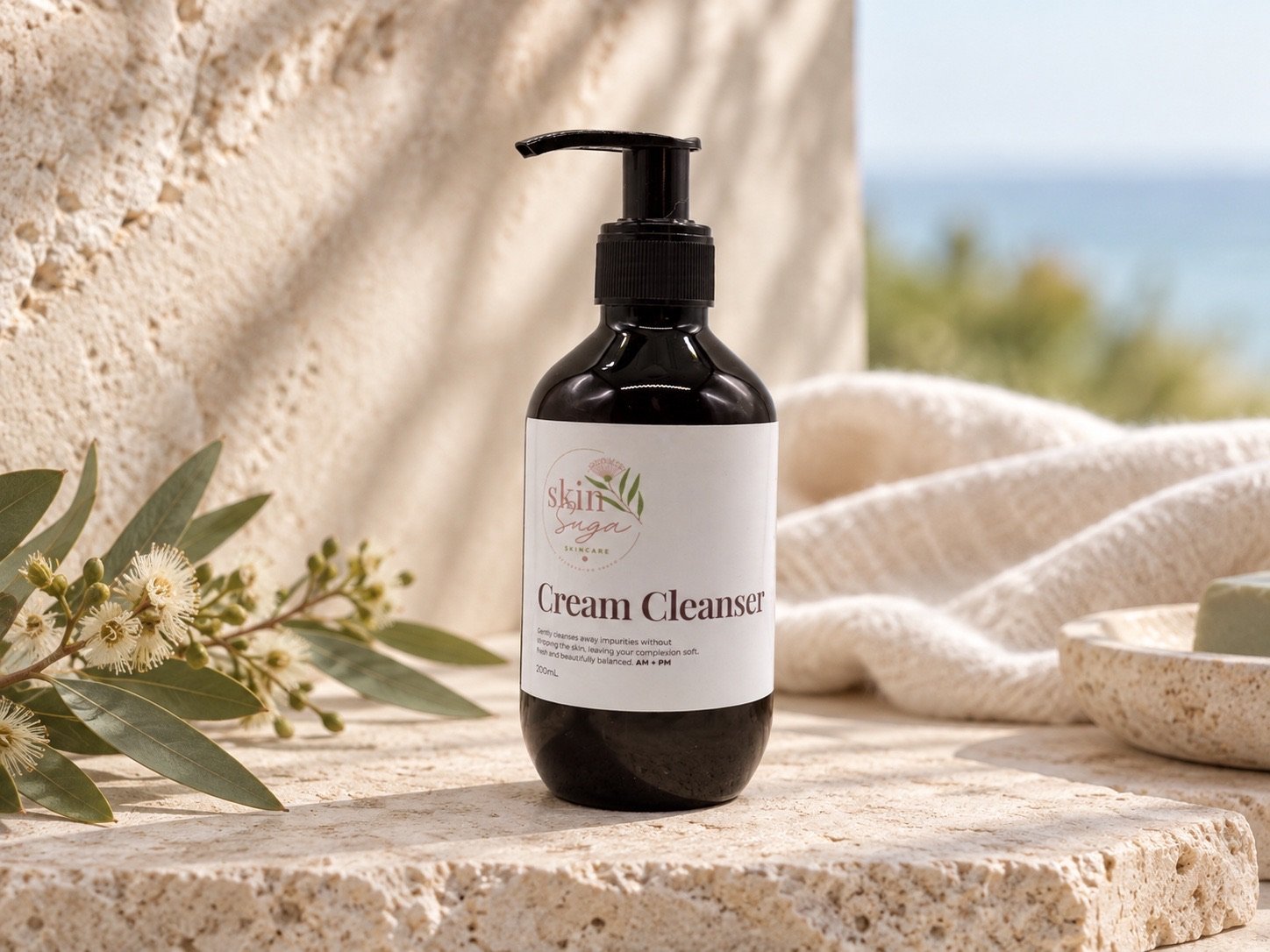
Cream Cleanser
Apricot kernel oil, oat and cucumber extracts support a soft evening cleanse after outdoor exposure.
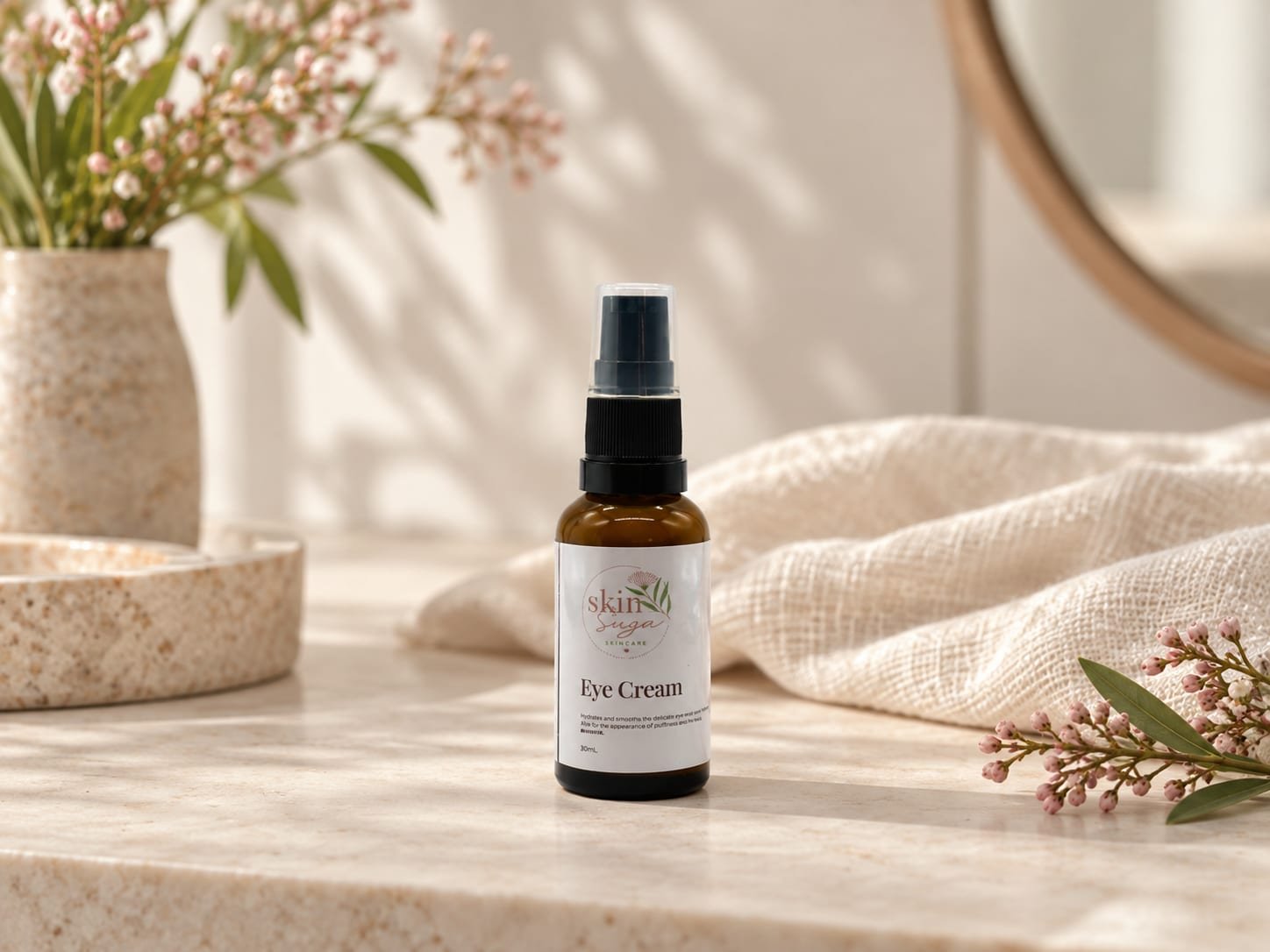
Eye Cream
Sea buckthorn, resveratrol, vitamin E, jojoba and cucumber seed oil provide a measured moisturising step around comfortable intact eye-area skin.
Keep spring skincare calm
Remove the day gently, reduce rubbing and use only comfortable leave-on layers while symptoms are active.
Common questions
Can skincare cure hay fever?
No. Hay fever is an allergic condition. Skincare can only support surface comfort around affected areas.
Should I wash my face every time I come inside?
A water rinse may be enough after light exposure. Use cleanser when you need to remove sunscreen, makeup or grime, and avoid repeated stripping.
Can I use eye cream on itchy eyelids?
Do not apply cosmetics to inflamed, broken or weeping eyelid skin or into the eyes. Seek individual advice when symptoms persist.
Should I stop vitamin A in spring?
Not automatically, but pause it on irritated skin and maintain daily sun protection. Resume gradually when comfort returns.
Sources
- Healthdirect Australia: Hay fever
- Australasian Society of Clinical Immunology and Allergy: Allergic rhinitis
- American Academy of Dermatology: Choosing a moisturiser
- Cancer Council Australia: Be SunSmart
General cosmetic skincare information only. Hay fever and eye symptoms are health concerns; seek professional advice for diagnosis, medication and urgent symptoms.