
Remove the drips, keep a little surface moisture
Should you pat your face dry or leave it damp after cleansing?
The short answer: For most mature-skin routines, gently pat away dripping water with a clean soft towel and apply hydrating serum or moisturiser while the face is still slightly damp. Do not rub the skin or leave it soaking wet. Some prescription treatments, exfoliating acids, retinoids and other active products are intended for fully dry skin, so follow their directions. The useful distinction is not towel versus no towel; it is avoiding friction while matching dampness to the next product.
The seconds after cleansing can change how a routine feels. Rubbing with a rough towel adds friction when the skin is warm and softened by water. Waiting until every drop evaporates can leave dry mature skin feeling tight. A gentle middle ground works for most hydration routines: pat away excess water, then apply the next comfortable layer promptly.
Slightly damp means there is a light film of moisture but no water running down the neck. It should not dilute products so much that they slide into the eyes. The next step, its directions and your tolerance decide whether to continue immediately or wait for full dryness.
Why rubbing is the real problem
Towel rubbing creates mechanical friction. On resilient skin it may cause little more than temporary pinkness, but dry, sensitised or rosacea-prone mature skin can feel hot and sore. Repeated friction also makes flaky areas look more obvious and may encourage people to apply stronger exfoliants.
Use a soft towel and press it lightly against the skin. There is no need to drag it across cheeks or scrub around the nose. If makeup remains, the cleanse was incomplete; the towel should not become a second cleansing tool.
Why slightly damp skin suits hydration
Humectant serums and moisturisers are designed to work in water-containing formulas. Applying them to slightly damp skin can improve spread and helps capture some surface moisture beneath the cream. It does not force water deep into the face or make an ingredient dramatically stronger.
Seal the step with moisturiser rather than leaving a humectant serum alone in very dry air. Western Australian heat, air conditioning and winter winds can increase evaporation. A cream with emollients provides a more complete finish than relying on dampness by itself.
The 60-second post-cleanse routine
- Rinse thoroughly: Remove cleanser with lukewarm water.
- Pat once: Use a clean soft towel to remove drips.
- Apply hydration: Smooth serum over slightly damp skin.
- Moisturise: Follow with a cream before the face feels tight.
- Protect in the morning: Let layers settle, then apply sunscreen correctly.
When the face should be fully dry
Some active products are more irritating on damp skin because water can increase spread or penetration. Retinoids, exfoliating acids and prescription treatments may instruct application to clean, dry skin. Follow the label or your prescriber’s directions rather than applying a universal social-media rule.
If an active has previously caused stinging, wait until the face is fully dry and use it less often. Moisturiser can sometimes be applied before or after according to the product and professional advice. Do not use dampness to intensify a treatment.
Is air drying better?
Air drying avoids towel friction, but it is not automatically more hygienic or hydrating. As water evaporates, dry skin may begin to feel tight. Standing in front of a fan or air conditioner speeds evaporation and can make discomfort worse.
If you prefer not to use a towel, shake off excess water with clean hands and apply a suitable hydrating product while the surface is lightly damp. Do not let water run into the eyes or collect around the nostrils beneath a heavy cream.
How clean should the towel be?
Use a towel reserved for the face or a clean section of a larger towel. Let it dry completely between uses and launder it regularly. A permanently damp bathroom cloth can collect makeup, skin oils and microorganisms. People with acne, eye infections or active dermatitis may need a fresh cloth more often.
Choose a soft smooth weave rather than a rough exfoliating texture. Fabric softener and fragranced laundry products can leave residues that bother highly reactive skin. If redness appears in the towel-contact pattern, review both friction and laundry products.
Do not confuse damp skin with wet-product layering
Slight dampness can help a hydrating serum spread, but each later layer still needs a moment to settle. Applying several products onto a dripping face can dilute them unevenly, encourage pilling and move skincare too close to the eyes. Use clean fingertips, a thin even layer and only the number of steps your skin needs.
For the neck and upper chest, use the same gentle approach. Pat away drips rather than rubbing, then extend suitable hydrating and moisturising products downward. In the morning, let those layers settle before sunscreen so the protective film is not disturbed by ongoing towel use or wet hair.
Adjust by the next step
- Hyaluronic acid serum: Apply to slightly damp skin unless the label says otherwise.
- Moisturiser only: Pat away drips and apply promptly.
- Retinoid or acid: Wait for fully dry skin and follow directions.
- Prescription product: Use exactly as your clinician instructed.
- Sunscreen: Apply after prior layers have settled on a dry surface.
What if the face feels tight within minutes?
Tightness can point to hot water, an overly strong cleanser, long contact time or delayed moisturising. Change one factor at a time. Use lukewarm water, shorten the cleanse and apply moisturiser sooner. A soft towel cannot compensate for a harsh washing method.
If tightness comes with burning, scaling, itch or persistent redness, simplify the routine and seek advice. Repeatedly layering oils over an irritated surface may hide dryness without addressing the trigger.
Ritual first: Daily Essentials Ritual
The Daily Essentials Ritual makes the post-cleanse sequence straightforward: cream cleanse, restore a light hydration layer, then moisturise. That order is more important than leaving the face exactly ten or twenty percent damp.
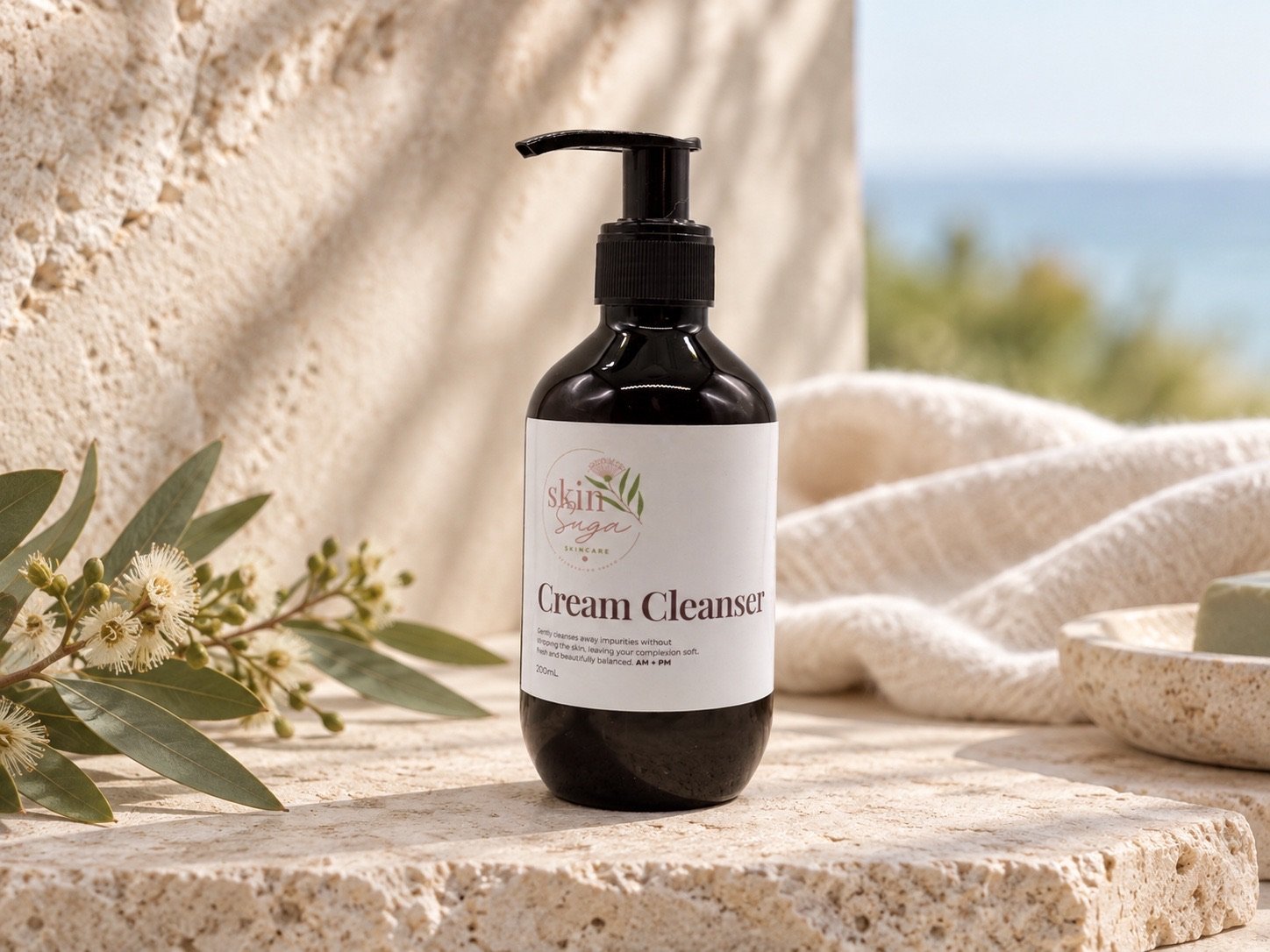
Cream Cleanser
A gentle cream format with apricot kernel oil, oat and cucumber extracts for comfortable cleansing.
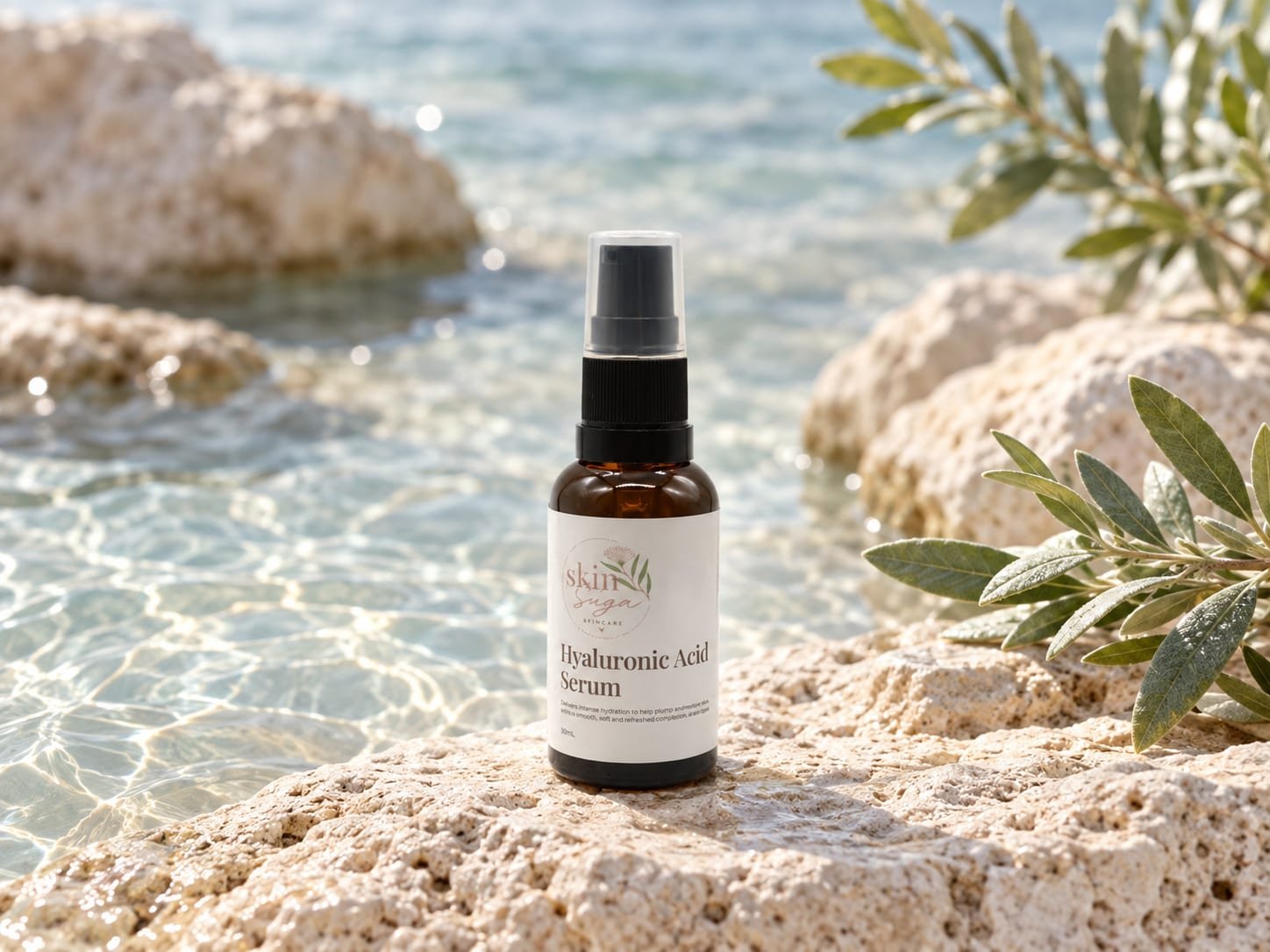
Hyaluronic Acid Serum
A water-binding serum designed for the hydration step before moisturiser.
Keep the skin soft between steps
Pat away excess water, add hydration promptly and avoid turning the towel into an exfoliating tool.
Common questions
Can I apply moisturiser to wet skin?
Apply to slightly damp rather than dripping skin so the product spreads evenly and does not run.
Does a towel cause wrinkles?
Ordinary gentle patting does not create structural wrinkles, but rough rubbing can irritate the surface.
How often should I change my face towel?
Change it regularly and whenever it remains damp, becomes soiled or is shared. Sensitive or acne-prone skin may benefit from a fresh towel more often.
Should skin be dry before sunscreen?
Yes. Let moisturiser settle and apply sunscreen to a dry surface so it can form an even film.
Sources
- American Academy of Dermatology: Face washing 101
- Cleveland Clinic: How to wash your face
- DermNet: Soaps and cleansers
Follow the directions of active and prescription products, which may require fully dry skin.