

Less friction, more comfort
Should mature skin use a face cloth for cleansing?
The short answer: Mature skin does not need a face cloth to become properly clean. Fingertips are usually the gentlest option and are recommended by dermatologists because cloths can add friction. If you enjoy using one, choose a very soft clean cloth, use lukewarm water, press rather than scrub, and wash it after every use. Stop if the skin becomes tight, red or sore.
A warm face cloth can feel like a small evening ritual, but the comforting sensation can quickly become over-cleansing when the cloth is hot, rough or used to polish the skin.
Mature skin often has less natural surface oil and can feel drier than it once did. That does not mean it is fragile in every case, but it does make unnecessary friction a poor trade. The American Academy of Dermatology recommends applying cleanser with fingertips because washcloths, mesh sponges and other tools may irritate the skin.
The practical answer is flexible: fingertips are enough for daily cleansing. A soft cloth is optional for lifting a cream cleanser or loosening stubborn residue, provided the motion stays gentle and the cloth stays clean.
Why fingertips are usually best
Clean fingertips spread cleanser evenly and let you feel how much pressure you are using. They do not have fibres catching on dry patches, and they make it easier to massage around the nose and jaw without repeated rubbing. Use the pads of the fingers, not nails, and keep the movement light.
A cleanser does the cleansing work. The hands only distribute it. You do not need to feel grit being buffed away or see redness to know the face is clean. If sunscreen or makeup remains, repeat a gentle step rather than increasing pressure.
When a soft cloth can help
A well-saturated cloth can help remove a cream or balm cleanser designed to be wiped away. It can also be useful along the hairline or jaw, where rinsing is easily missed. The cloth should glide over the skin and be turned to a clean section as residue lifts.
Think of it as removal, not exfoliation. Press the cloth briefly to soften cleanser, then make one light pass. Repeated circular rubbing may leave mature cheeks flushed and tight, particularly during winter, after wind exposure or when the skin barrier is unsettled.
A low-friction cleansing routine
- Wash your hands. Clean hands prevent moving more residue onto the face.
- Apply Cream Cleanser. Massage gently with fingertips using lukewarm water.
- Rinse first. Let water remove most cleanser before reaching for a cloth.
- Use cloth only where needed. Press and sweep lightly with a clean, soft, wet cloth.
- Pat dry and moisturise. Avoid rubbing with the towel and apply hydration while skin remains comfortable.
Hot cloth cleansing is not better
Very hot water can increase dryness and irritation. The cloth should feel comfortably lukewarm, never steaming. If your face stays red after it is removed, reduce the temperature and pressure or return to fingertips alone.
Steam does not open and close pores like doors. Warmth may soften surface residue, but it is not a treatment for visible pores, blackheads or established lines. Comfort is the guide. A cooler rinse can be preferable in hot weather or during a flush.
Does a face cloth exfoliate?
Any cloth creates mechanical friction, even when marketed as gentle. That may lift loose surface flakes, but daily scrubbing can disrupt comfort and make dry texture more noticeable. Exfoliation should be deliberate and infrequent rather than an accidental part of every cleanse.
If you already use an exfoliating product, keep the cloth especially light on those days. When skin feels rough, adding more rubbing is not always the answer. A nourishing moisturiser and a short break from active products may be more useful.
How often should it be washed?
After every use. A damp cloth collects cleanser, makeup, skin oils and environmental residue, then sits in a warm bathroom. Use a fresh cloth each time or wash immediately and dry it completely. Do not share it with another person.
Choose a fragrance-free laundry method if your face reacts to scented detergent or fabric softener. Replace cloths that have become rough, stained or slow to dry. The softest fabric cannot compensate for repeated use while damp and unwashed.
Microfibre, cotton or muslin?
Fabric labels do not guarantee gentleness. Fine microfibre can lift residue efficiently but may encourage extra passes. Muslin offers more texture and is better reserved for occasional use when skin tolerates it. A smooth cotton cloth is simple, but weave and age still matter.
Test the cloth on the inside of the forearm, then on a small facial area. If it catches or feels scratchy when wet, it is not the right tool for the face. Technique matters more than buying a specialist cloth.
Keep several inexpensive soft cloths in rotation rather than relying on one luxury fabric for the whole week. A clean ordinary cloth used with restraint is more skin-friendly than an expensive textured cloth used to scrub.
What if makeup remains?
Use a separate eye-makeup remover or micellar first step for stubborn products, then follow with a gentle cream cleanser. Holding a saturated pad briefly over closed eyes is kinder than trying to scrub mascara away with a cloth.
Water-resistant sunscreen may also need a careful first cleanse. Follow the cleanser directions, rinse around the hairline and ears, and check with clean fingers rather than repeatedly polishing skin.
When to put the cloth away
Pause during a rash, flare, sunburn, active irritation or after a professional procedure unless your clinician says otherwise. Broken or weeping skin needs appropriate care, not deeper cleansing. Stop if washing produces persistent stinging, swelling or marked redness.
A recurring reaction may come from cleanser, cloth, detergent, water temperature or another product. Simplify and reintroduce one variable at a time. Seek advice if symptoms continue.
Ritual first: Daily Essentials Ritual
The Daily Essentials Ritual gives cleansing its proper place as the first gentle step, not a daily exfoliation treatment. Use Cream Cleanser with fingertips, add a cloth only when it improves removal, then continue with toner, serum and moisturiser.
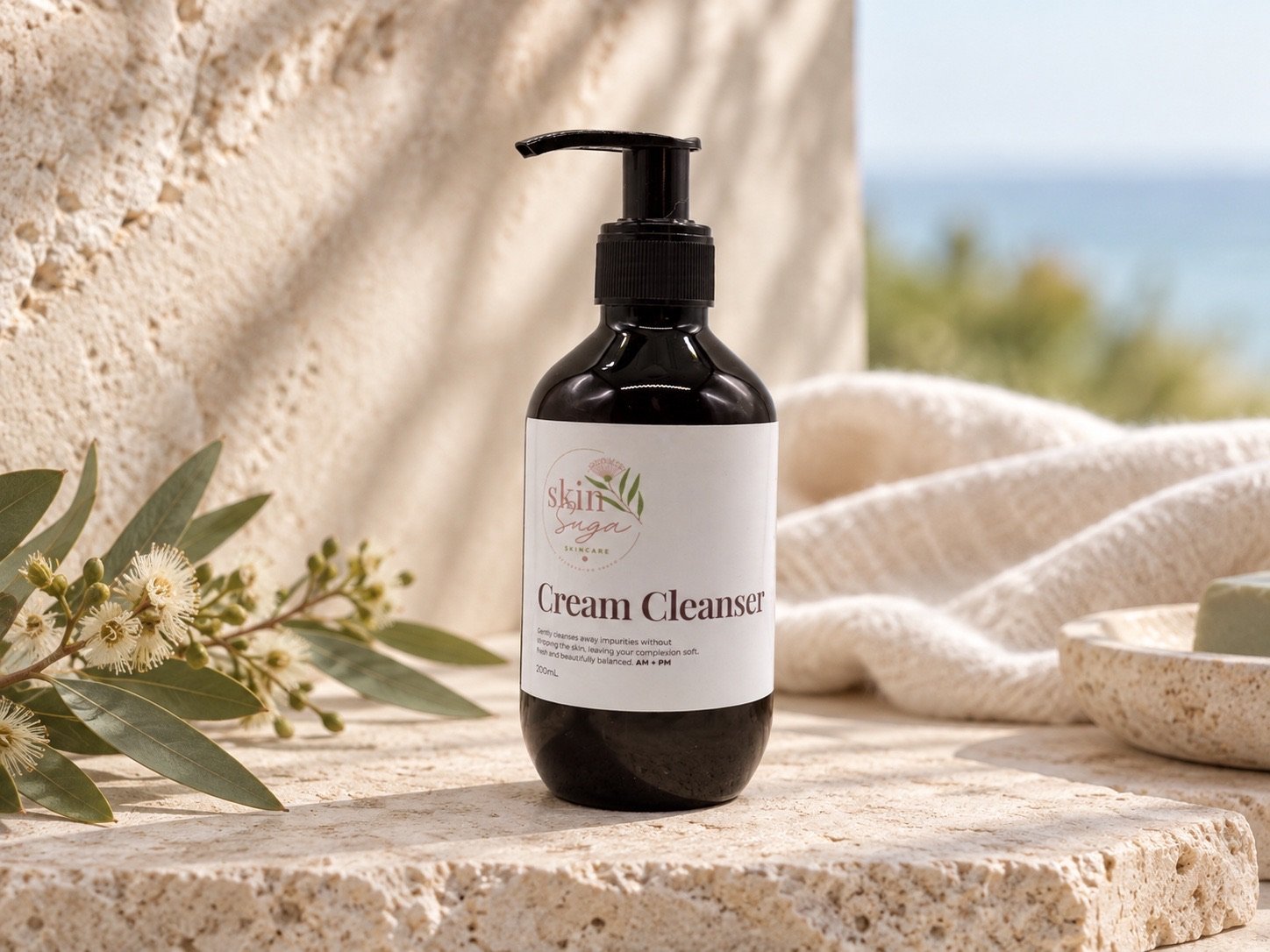
Cream Cleanser
A soft cream texture with jojoba and botanical extracts for a comfortable fingertip cleanse.
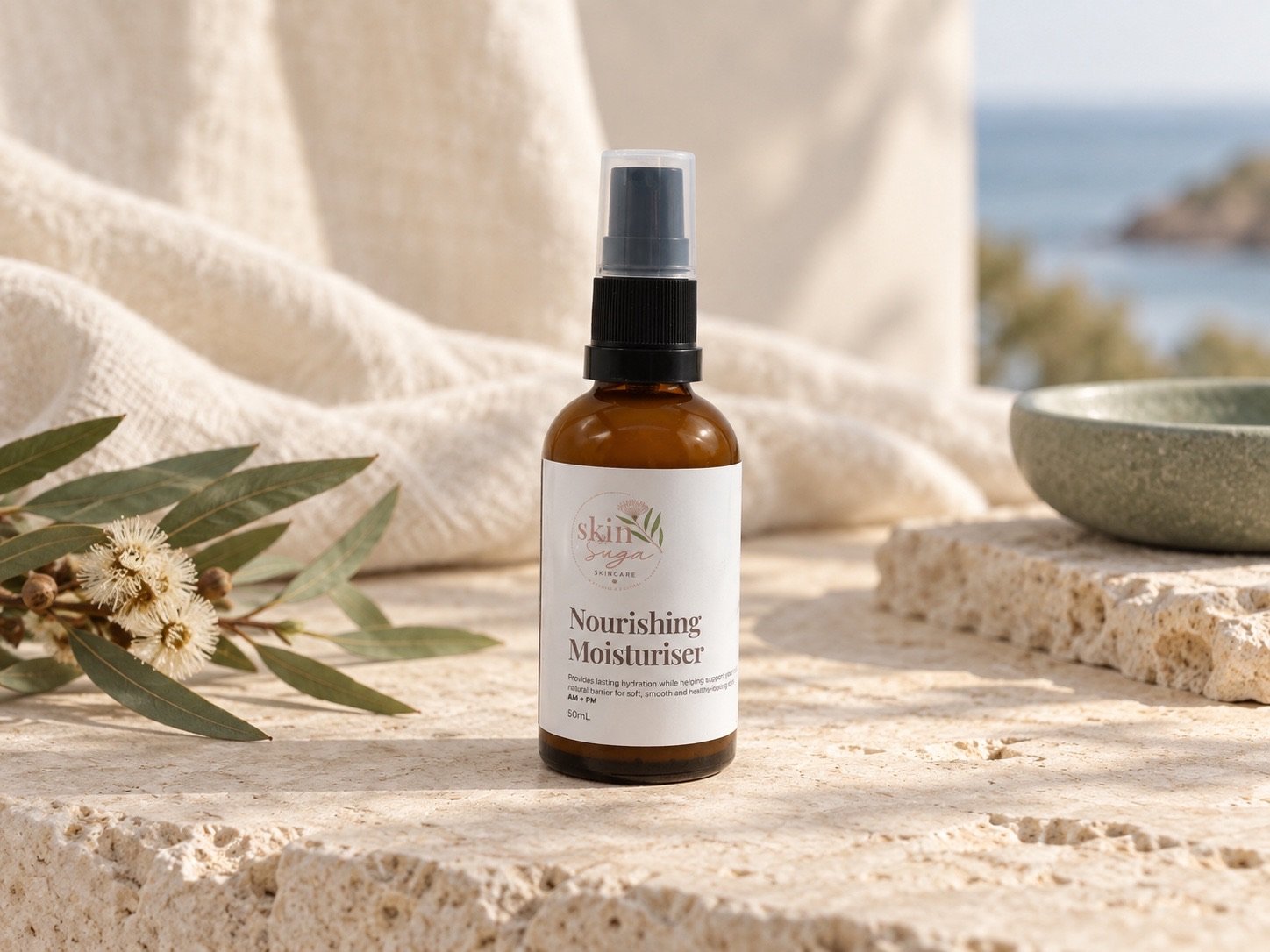
Nourishing Moisturiser
Jojoba, shea butter and antioxidant botanicals provide a comforting finish after cleansing.
Let the cleanser do the work
Use fingertips as the default and keep any cloth soft, clean and light.
Common questions
Can I use the same cloth morning and night?
A fresh clean cloth each time is the hygienic choice. If that is impractical, use fingertips and rinse thoroughly.
Should it feel warm?
Lukewarm is enough. Hot water can increase dryness and flushing without improving the cleanse.
Can it replace exfoliation?
It creates friction but is difficult to dose consistently. Treat it as a removal tool, not a daily treatment.
Is a cloth necessary for Cream Cleanser?
No. Massage with fingertips and rinse according to directions. Use a cloth only if it helps gently.
Sources
- American Academy of Dermatology: Face washing 101
- American Academy of Dermatology: Choosing moisturiser
- DermNet: Skin cleansers
General cosmetic skincare information only. Seek professional advice for persistent irritation, pain or a recurring rash.