
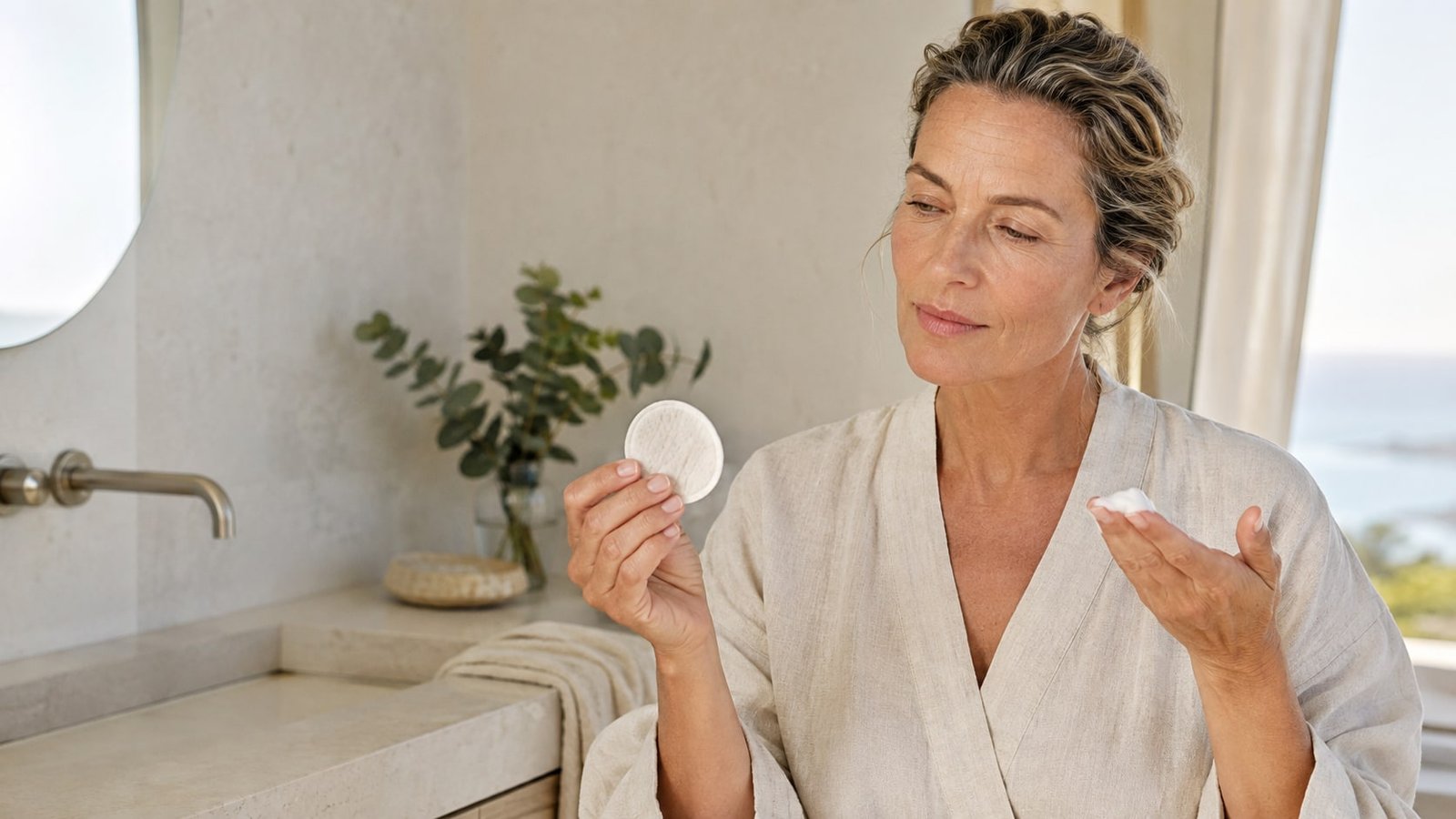
Choose the texture that leaves skin comfortable
Micellar water vs cream cleanser for mature skin: which is better?
The short answer: Micellar water is a convenient water-light cleanser for a quick morning cleanse or light makeup removal, while a cream cleanser is often the more complete and comfortable choice for dry mature skin at night. Neither is universally better. Choose the method that removes the day without rubbing and leaves your face soft rather than tight. Heavy makeup and water-resistant sunscreen may need a careful first cleanse followed by a gentle cream cleanser.
The best cleanser for mature skin is not the one that creates the cleanest-feeling finish. It is the one that removes makeup, sunscreen, oil and everyday grime without leaving the face tight, hot or rough.
Micellar water and cream cleanser can both fit that brief, but they work differently. Micellar water contains tiny clusters of cleansing molecules suspended in water. Applied with a pad or soft reusable cloth, those micelles help lift oil, dirt and most makeup. A cream cleanser spreads directly over skin, then is rinsed or removed according to its directions. Its richer texture often feels more cushioning on dry cheeks.
For many women over 40, the useful answer is not choosing one forever. Micellar water can be the quick option for a light morning cleanse or the first step for makeup. Cream cleanser can be the dependable evening cleanse that removes residue while preserving comfort.
What micellar water does well
Micellar water is convenient when you want little splashing, when a full cleanse feels unnecessary in the morning, or when you are travelling. Cleveland Clinic describes it as a gentle facial cleanser made with purified water, moisturising ingredients and micelles that attract oil and grime. Most formulas can remove light makeup without the squeaky finish associated with harsher cleansers.
Its weakness is often technique. Repeatedly dragging a cotton pad over the cheeks and eyes can create more friction than the formula itself. Saturate the pad well, hold it briefly over makeup, then wipe with light pressure. If residue feels sticky or your skin is reactive, rinse with lukewarm water even when the label says rinsing is optional.
What a cream cleanser does well
A cream cleanser gives the fingertips more slip and can feel reassuring on skin that becomes dry after washing. It is particularly useful at night, when the aim is to lift sunscreen, makeup and the day’s residue from the whole face rather than spot-clean one area. The American Academy of Dermatology recommends a gentle non-abrasive cleanser, lukewarm water and fingertips rather than scrubbing tools.
Skin Suga Cream Cleanser uses a soft cream base with jojoba and botanical extracts. Massage a modest amount lightly across the face, paying attention to the sides of the nose, hairline and jaw. Rinse thoroughly and pat dry. The skin should feel clean but still flexible when you smile.
A gentle evening cleanse
- Remove eye makeup patiently. Hold a well-saturated micellar pad over closed eyes, then wipe gently without pulling.
- Use cream cleanser over the face. Massage with fingertips and lukewarm water; do not scrub.
- Rinse the edges. Check the hairline, jaw and sides of the nose for remaining cleanser or sunscreen.
- Pat, do not rub. Use a clean soft towel and leave a little natural moisture on the skin.
- Restore comfort. Follow with serum and moisturiser while the face still feels comfortable.
Do you need to double cleanse?
Not every night. One careful cream cleanse may be enough after an indoor day with light products. A two-step cleanse is most useful after water-resistant sunscreen, heavier makeup or a long outdoor day. The first step loosens stubborn films; the second cleans the skin itself.
Double cleansing should not mean washing twice with strong foaming products. If the second cleanse makes your face feel tight, reduce the amount, shorten the massage or use a gentler formula. On a makeup-free morning, a lukewarm rinse or one light cleanse may be all your skin needs.
Which is better for dry or sensitive mature skin?
The complete formula matters more than the category. Fragrance, alcohol, surfactant strength and how often you cleanse can all affect comfort. Many dry skin types prefer a cream cleanser because it reduces pad friction and feels more emollient. Others enjoy a mild micellar formula for its speed.
Patch test a new cleanser when your skin is reactive. Stop if you develop persistent burning, marked redness, swelling or an itchy rash. If even gentle cleansing repeatedly hurts, return to the simple care recommended by your pharmacist, GP or dermatologist.
Can micellar water replace washing your face?
It can be a complete cleanser after a light day if it removes the products you used and leaves no uncomfortable residue. It may not be enough for heavy or waterproof makeup. Cleveland Clinic recommends following with another gentle cleanser when removing sunscreen or cosmetic products that are difficult to lift.
Look at the result rather than the label. If the next pad still shows makeup, or cleanser beads sit around the hairline, continue gently. Do not compensate by scrubbing. A second soft cleansing step is kinder than repeated friction in one small area.
Morning cleansing can be lighter
Skin does not collect the same load overnight as it does through a full day. If your face feels dry on waking, try lukewarm water, a small amount of cream cleanser only where needed, or a light pass of micellar water followed by a rinse. Your morning routine should begin with comfort, not tightness.
After cleansing, apply the products that serve the day: a hydrating or antioxidant serum, moisturiser if needed, then broad-spectrum SPF50 or SPF50+ sunscreen according to its label. Cleanser prepares the surface; it does not replace hydration or sun protection.
Ritual first: Daily Essentials Ritual
The Daily Essentials Ritual places gentle cleansing inside a complete, repeatable routine. Begin with Cream Cleanser, refresh with Anti-Ageing Toner, choose a purposeful serum, then moisturise. It is a better foundation than switching cleansers every time the skin feels different.
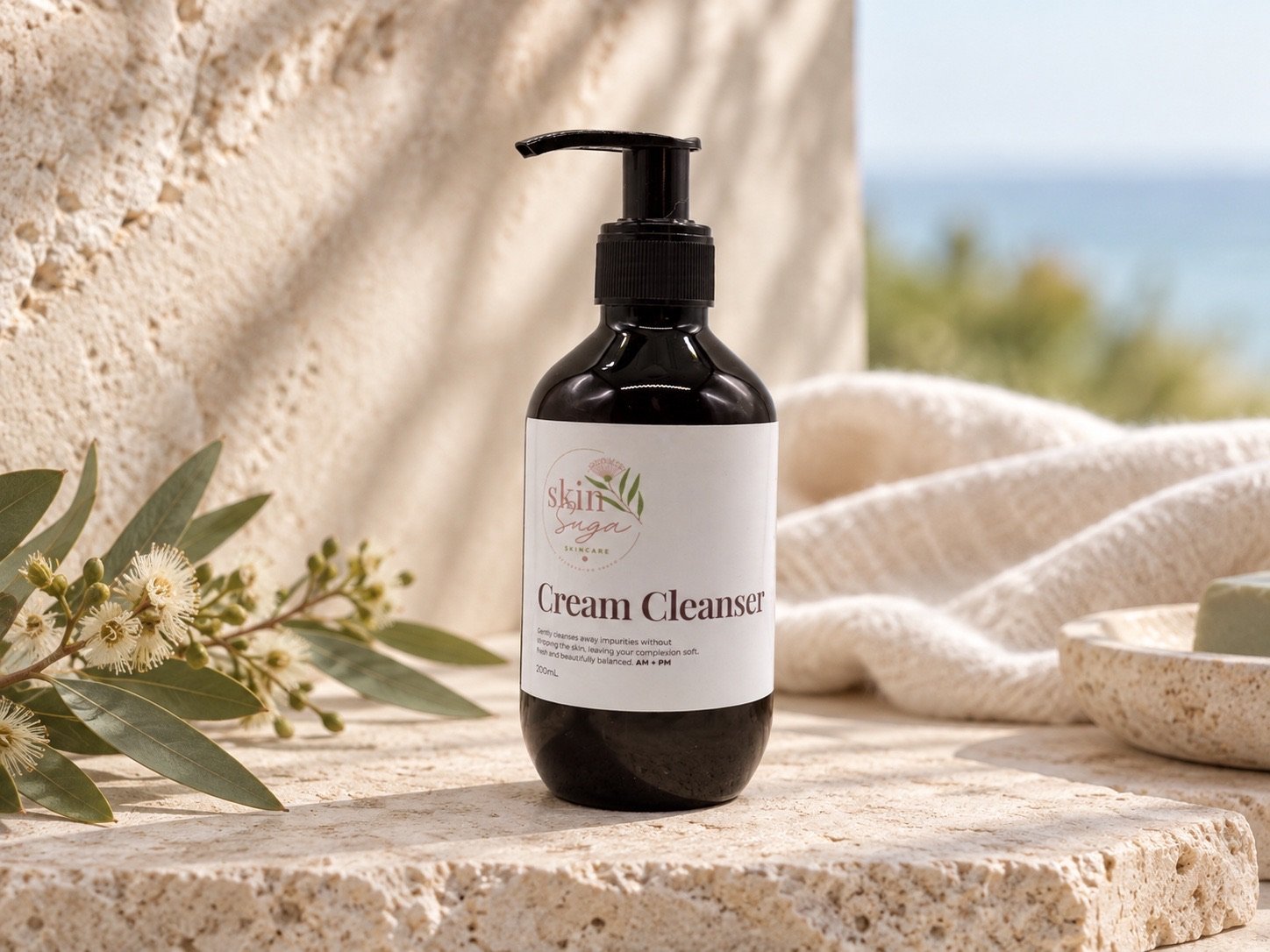
Cream Cleanser
A gentle cream cleanse with jojoba and botanical extracts for removing daily residue without an intentionally stripped finish.
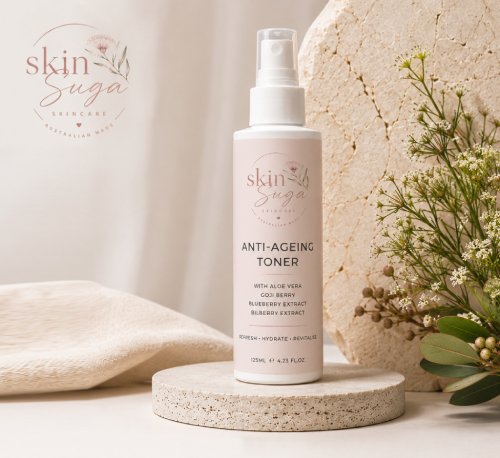
Anti-Ageing Toner
A light aloe and antioxidant botanical mist to refresh clean skin before serum and moisturiser.
Make cleansing the calm first step
Choose the method that removes the day with the least rubbing and leaves mature skin ready for hydration.
Common questions
Should micellar water be rinsed off?
Follow its label. Rinsing can be useful if the skin feels sticky, reactive or uncomfortable after use.
Can I use micellar water around the eyes?
Only when the formula is labelled for eye makeup. Keep eyes closed, avoid rubbing and rinse promptly if it enters the eye.
Is cream cleanser suitable for combination mature skin?
Often, yes. Use a small amount and rinse well. Skin can be oilier through the centre while still needing gentle care on drier cheeks.
How do I know the cleanser is too harsh?
Repeated tightness, burning, roughness or redness after washing are reasons to reassess the formula, water temperature and technique.
Sources
- Cleveland Clinic: What micellar water is and how to use it
- American Academy of Dermatology: Face washing 101
- American Academy of Dermatology: Choosing moisturiser for dry skin
General cosmetic skincare information only. Seek professional advice for persistent irritation, pain or a recurring rash.