
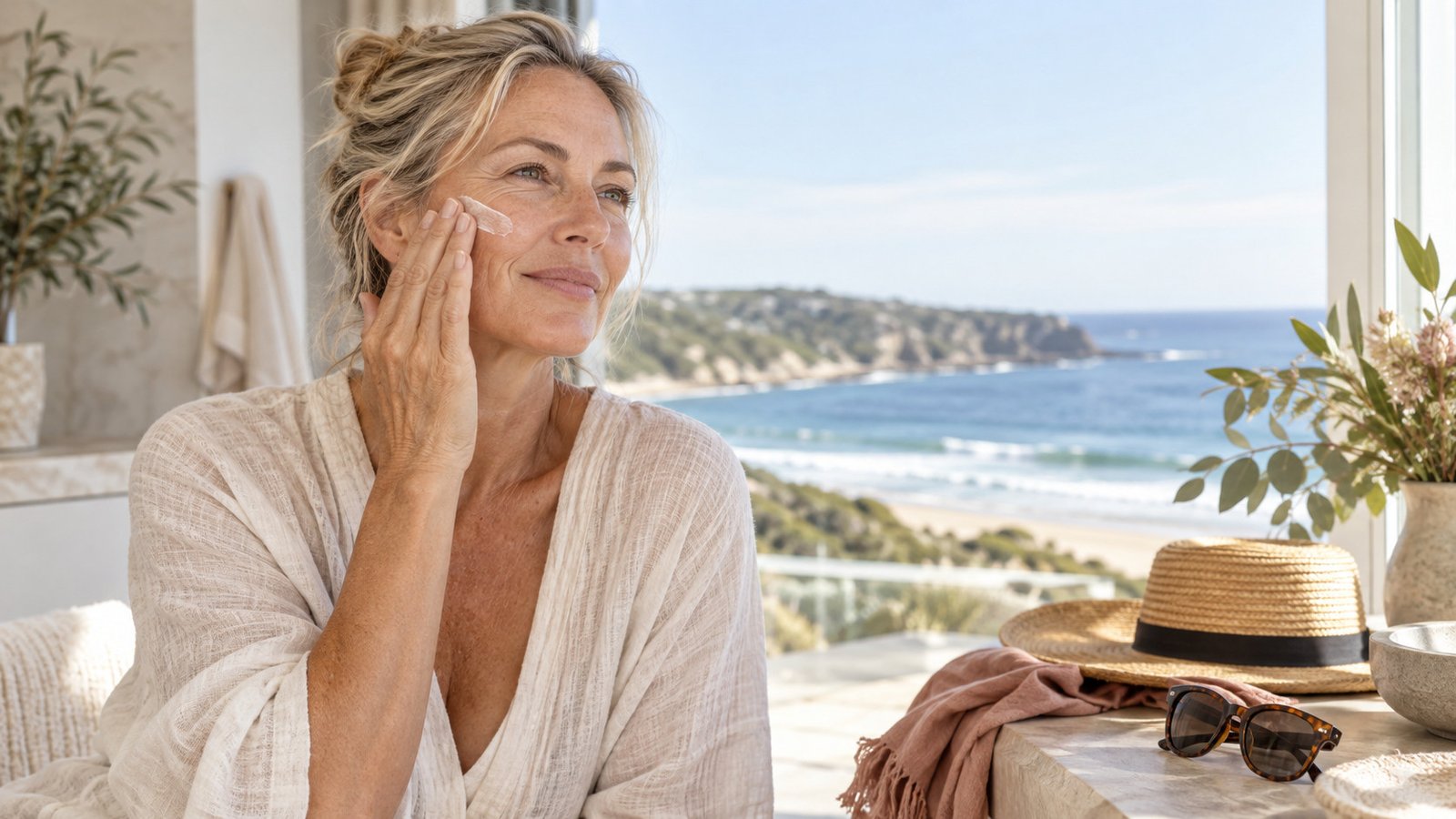
Read the label, then match the exposure
Can moisturiser with SPF replace sunscreen in Australia?
The short answer: A moisturiser labelled with SPF may provide sun protection when it is applied in the tested amount, but it is not automatically the best substitute for sunscreen in Australian conditions. Cancer Council says a cosmetic with SPF30 can be adequate for mainly indoor days with incidental exposure, while a broad-spectrum sunscreen is recommended for extended outdoor time, swimming or sweating. The practical problem is that people often apply moisturiser too thinly. Use a dedicated SPF50 or SPF50+ sunscreen when protection needs to be reliable, and add shade, clothing, a hat and sunglasses.
The words “day moisturiser”, “face sunscreen” and “SPF moisturiser” can appear on products that feel similar. What matters is the regulated label, broad-spectrum status, water resistance, SPF rating, amount applied and the conditions in which it will be worn. A comfortable texture is valuable, but it does not change the dose needed to achieve the labelled protection.
For mature skin, combining hydration and sun protection can simplify the morning. The risk is assuming that a pea-sized amount of an SPF cosmetic performs like a full sunscreen application. If you would not use enough because the product feels heavy, choose a more wearable sunscreen rather than quietly reducing the amount.
What Cancer Council says about SPF cosmetics
Cancer Council Australia distinguishes mainly indoor days from prolonged outdoor exposure. A face cosmetic with SPF30 may be adequate for incidental exposure when used correctly. For time outdoors, especially when sweating or swimming, it recommends sunscreen rather than relying on a cosmetic with SPF.
That guidance is particularly relevant in Australia, where UV levels can be high even when the air feels cool. Check the UV forecast rather than using temperature as a guide. When the UV index is 3 or above, combine sunscreen with protective clothing, shade, a broad-brimmed hat and sunglasses.
The amount is where routines often fail
SPF testing uses a defined application amount. A thin cosmetic layer may feel elegant but provide less protection than the label suggests. Cancer Council advises about one teaspoon for the face, neck and ears combined, with a separate amount for each exposed body area. Follow the product’s directions because package format and intended area vary.
Apply in sections rather than rubbing one small dot over the entire face. Include ears, jaw and neck. If the labelled amount pills or looks patchy over skincare, reduce unnecessary layers beneath it or choose a different sunscreen. Do not mix sunscreen into moisturiser because this disrupts the tested film.
A practical Australian morning routine
- Cleanse lightly: Rinse or use a gentle cleanser only when needed.
- Hydrate selectively: Apply one light serum to areas that feel dry.
- Moisturise if needed: Use a modest layer and allow it to settle.
- Apply sunscreen: Use the labelled amount of broad-spectrum SPF50 or SPF50+ in an even film.
- Add physical protection: Use shade, a hat, clothing and sunglasses.
Can sunscreen replace moisturiser instead?
Some facial sunscreens are moisturising enough to serve both roles for normal or combination mature skin. Others are matte, fluid or alcohol-based and may not provide enough comfort. The answer depends on the formula and how the skin feels through the day, not on age alone.
If sunscreen alone leaves tight patches, add a light moisturiser underneath those areas. If moisturiser makes the sunscreen slide or pill, try a smaller amount or reserve a richer cream for night. Sun protection should remain the final skincare layer before makeup.
What broad-spectrum and water-resistant mean
Broad-spectrum protection covers UVA and UVB. UVA contributes to photoageing and passes through ordinary window glass more readily than UVB, while UVB is strongly associated with sunburn. Water resistance matters for swimming, exercise and heavy sweating, but no sunscreen is waterproof.
Reapply according to the label and after swimming, sweating or towel drying. Makeup with SPF is difficult to reapply in the tested amount and should not be the only protection for outdoor exposure. A hat and shade reduce how much work sunscreen must do.
Windows, driving and incidental exposure
Incidental exposure can include walking to the car, sitting near a bright window, school pickup and outdoor lunch. These short periods accumulate across a normal Australian day. UVA can pass through ordinary window glass more readily than UVB, so people who drive or sit beside a sunny window may prefer daily broad-spectrum protection even when they do not expect to be outside for long.
This does not mean living in fear of daylight. It means matching the routine to real behaviour. If plans change and you will be outdoors, add a proper sunscreen application rather than assuming the light SPF layer from early morning is still sufficient. Keep a wearable sunscreen with your everyday essentials and use shade whenever practical throughout the day.
How to prevent pilling on mature skin
Pilling usually comes from too many layers, incompatible textures, excess product or vigorous rubbing. Use one serum, one moisturiser only if needed and sunscreen. Let each thin layer settle, then press and smooth sunscreen rather than repeatedly massaging it.
Facial oil under sunscreen can make some formulas move. Keep oils for evening or dry areas unless the combination has been tested successfully. Do not solve pilling by using less sunscreen. Change the layers beneath it or choose a formula that forms an even film at the correct amount.
Choose by the day ahead
- Mostly indoors: Use a correctly applied labelled SPF cosmetic if it suits the day’s exposure.
- Outdoor errands: Choose broad-spectrum SPF50 or SPF50+ sunscreen.
- Exercise or swimming: Use water-resistant sunscreen and reapply.
- High-UV day: Add clothing, shade, hat and sunglasses.
- Sensitive skin: Patch test and ask a pharmacist or doctor when reactions persist.
Ritual first: Ultimate Hydration Ritual
The Ultimate Hydration Ritual supports the skin beneath sunscreen with gentle cleansing, hydration and moisturising. It does not replace regulated sun protection. In the morning, use only the layers your skin needs so sunscreen can form an even final film.
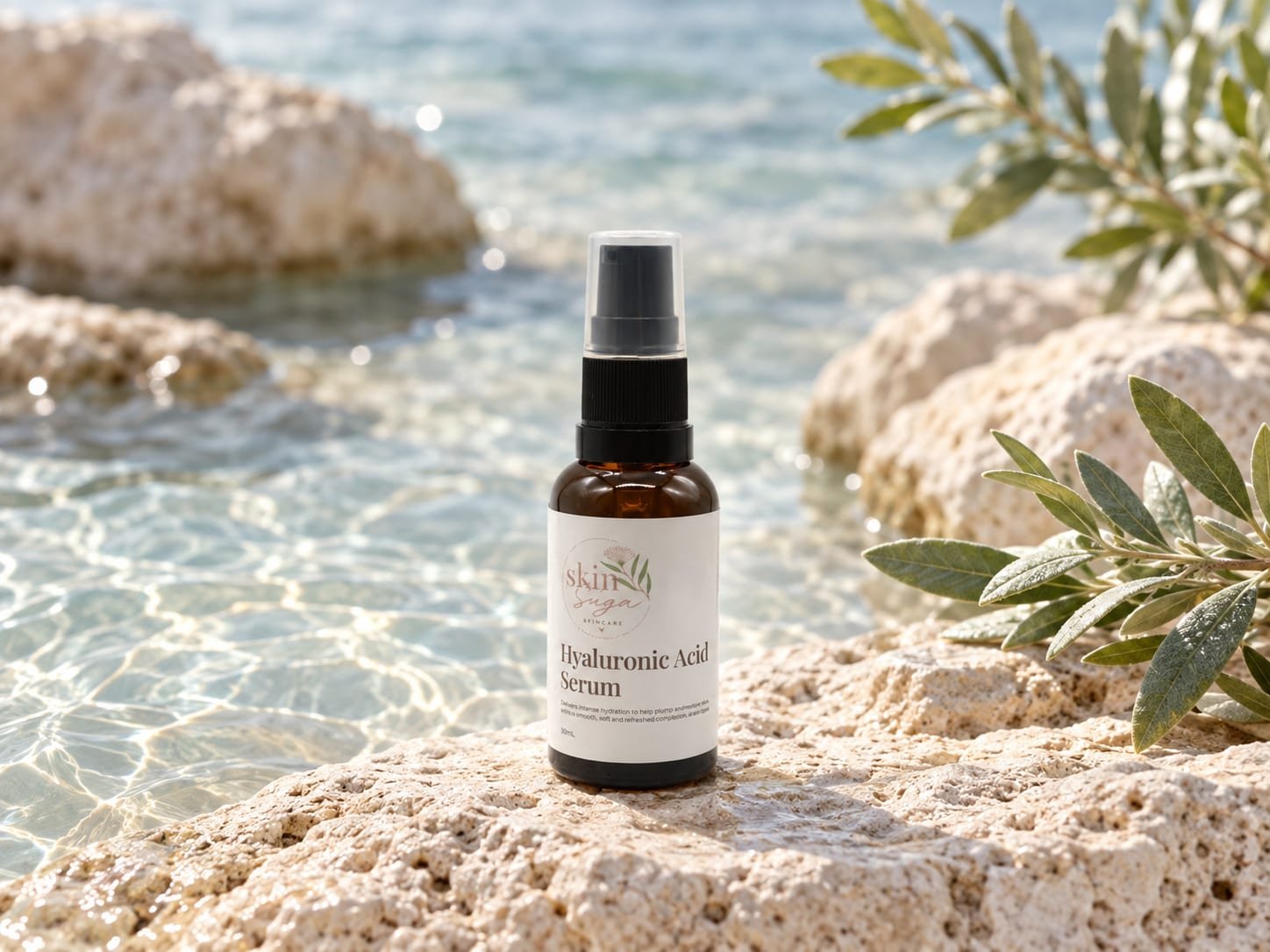
Hyaluronic Acid Serum
A light water-binding step that can support dry-feeling mature skin beneath moisturiser and sunscreen.
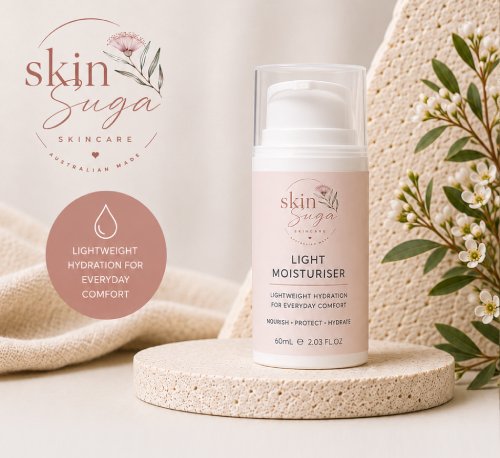
Light Moisturiser
A lighter moisturising option for mornings when rich creams make sunscreen feel heavy.
Hydrate first, protect correctly
Keep morning skincare comfortable and let a correctly applied sunscreen carry the sun-protection job.
Common questions
Is SPF15 moisturiser enough in Australia?
It offers less protection than SPF50 or SPF50+. Follow Cancer Council guidance and match protection to the UV level and exposure.
Can I layer two SPF products?
You can, but SPF values do not add together. The final film must still be applied evenly at its labelled amount.
Should moisturiser go over sunscreen?
Sunscreen is generally the final skincare layer. Applying moisturiser over it may disturb the protective film.
Does foundation with SPF count?
It can contribute protection, but most people do not apply enough foundation to rely on it for outdoor exposure.
Sources
- Cancer Council Australia: Face creams and moisturisers containing sunscreen
- Cancer Council Australia: Sunscreen fact sheet
- Cancer Council Australia: Choosing and applying sunscreen
Always follow the label of the sunscreen or SPF cosmetic you are using.