

The delicate eye area should not have to endure pain
Should eye cream tingle or sting after 40?
The short answer: Eye cream should not cause persistent tingling, stinging or burning. A brief mild sensation can occur with some formulas, but discomfort is not proof that an active ingredient is working. Stop using the product, rinse gently if it was just applied, and keep the routine simple. Seek prompt medical care for severe pain, marked swelling, blistering, discharge, light sensitivity or any change in vision.
The skin around the eyes is thin, mobile and exposed to tears, rubbing and makeup removal. It can react to a formula that feels comfortable on the cheeks. Because skincare advertising sometimes describes tingling as “activation”, people may continue through discomfort. Around the eyes, that is not a useful test of effectiveness.
The first question is whether the skin is stinging or the eye itself is burning. Product can migrate from the orbital area into the eye, particularly when too much is applied or a rich cream moves with warmth. Eye pain and vision symptoms deserve more caution than ordinary facial dryness.
What to do immediately
Stop applying the product. If it is still on the skin, rinse with plenty of comfortably lukewarm water without scrubbing. Remove contact lenses if the product entered the eye and you can do so safely. Do not add acids, retinoids, essential oils or another eye treatment to “neutralise” the reaction.
Use a cool, clean compress over closed eyes for comfort, without ice or pressure. Keep the next routine minimal. If the actual eye continues to burn after rinsing, contact a pharmacist, optometrist, GP or urgent-care service for advice.
Why eye cream may sting
Common possibilities include applying too close to the lash line, using too much, combining the cream with a retinoid or exfoliant, rubbing during application, or applying over skin already irritated by makeup removal. Fragrance, preservatives, botanical extracts and active ingredients can also trigger irritant or allergic contact dermatitis.
A product can begin causing trouble even after previous comfortable use. Skin condition changes, formulas can age, and allergic sensitisation can develop over time. Check the period-after-opening symbol, storage conditions and whether smell, colour or texture has changed.
A calm response for mild skin-only irritation
- Stop the newest product: Do not test it again while the area is sore.
- Rinse gently: Use lukewarm water and avoid rubbing with cloths or cotton pads.
- Simplify: Keep fragranced makeup, exfoliants and vitamin A products away from the eye area until it settles.
- Protect: Wear sunglasses and use sunscreen around the orbital bone only when the formula is comfortable and labelled for facial use.
- Escalate: Seek advice if symptoms persist, spread, swell or involve the eye itself.
Where should eye cream go?
Use a very small amount along the orbital bone, the firm rim around the eye socket, unless the product directions say otherwise. Pat gently with the ring finger and avoid the eyelid margin, inner corner and wet lash line. More product does not create faster results and increases the chance of migration.
The amount for both eyes is often around a grain of rice in total, depending on the formula. Start with less. If the cream remains visibly wet or travels into the eye, reduce the quantity and apply earlier before bed.
Can active ingredients cause a normal tingle?
Some formulas containing acids or vitamin A derivatives may produce a brief sensation, but the eye area has a low tolerance for experiments. Persistent burning, repeated redness or peeling means the product or frequency is not suitable. Do not continue solely because the label calls the formula active.
Dermatology guidance for anti-ageing products advises stopping a product that stings, burns or tingles. Irritation can make signs of ageing look more noticeable rather than improving them.
How to introduce a new eye cream
- Patch test: Follow the brand directions and first test a small amount away from the immediate eye margin.
- Use at night: Begin every second or third evening so you can observe the area without makeup layers.
- Measure: Use less than you think you need and divide it between both orbital bones.
- Keep actives separate: Do not introduce a new facial retinoid, acid and eye cream in the same week.
- Review after two weeks: Continue only when the area remains comfortable.
Is it allergy or irritation?
Irritant contact dermatitis can occur when a substance directly disturbs the skin, often causing burning, dryness and soreness. Allergic contact dermatitis is an immune reaction and can include itching, swelling and rash. The two can look similar, and self-diagnosis around the eyes is unreliable.
Seek professional assessment for recurrent reactions. Bring the product and its ingredient list. A dermatologist may recommend formal patch testing when allergy is suspected.
When to get urgent help
Get prompt medical advice for significant eyelid swelling, blistering, severe pain, marked redness of the eye, discharge, light sensitivity or symptoms that are rapidly worsening. Any blurred vision, loss of vision or other visual change requires urgent assessment.
Do not drive if vision is affected. In Australia, contact a local urgent-care service, optometrist, GP, emergency department or Poisons Information Centre on 13 11 26 for exposure advice when appropriate.
How to choose a gentler restart
Wait until the skin is calm before trying a different product. Choose a simple moisturising formula, use a small amount and avoid fragrance when you know it is a trigger. Introduce it separately from other new skincare and keep makeup removal gentle.
Eye cream is optional. A familiar facial moisturiser may be suitable around the orbital bone if its directions permit and it does not migrate or sting. The advantage of an eye-specific product is usually texture, packaging and ingredients selected for that small area, not a requirement that everyone needs one.
Ritual first: Bright Eyes Ritual
The Bright Eyes Ritual places eye care within gentle cleansing and measured application. The order matters: remove makeup without dragging, pat the area dry and use a small amount of Eye Cream along the orbital bone rather than the lash line.
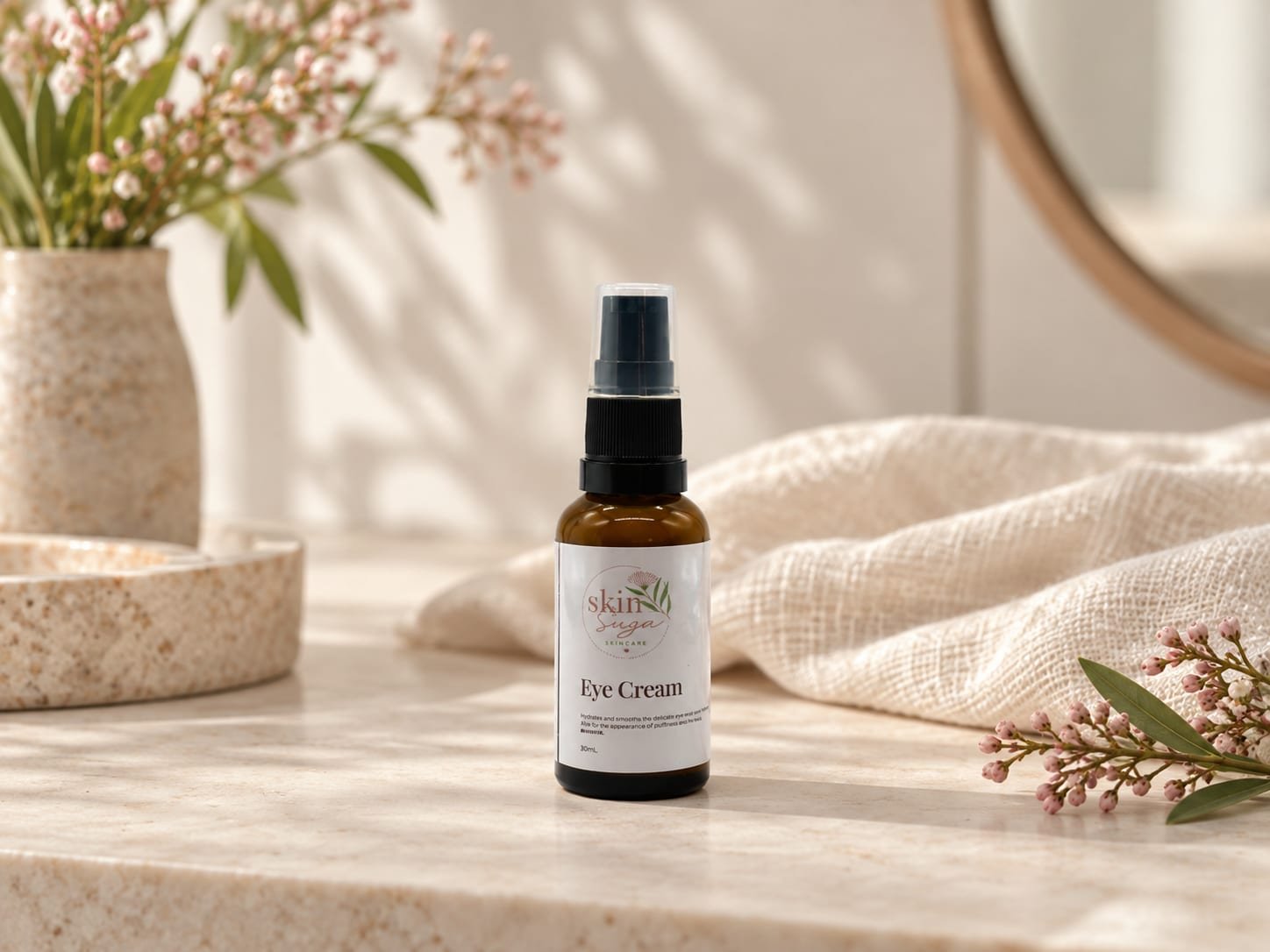
Eye Cream
A measured eye-area moisturiser with resveratrol, sea buckthorn, vitamin E, jojoba and cucumber seed oil.
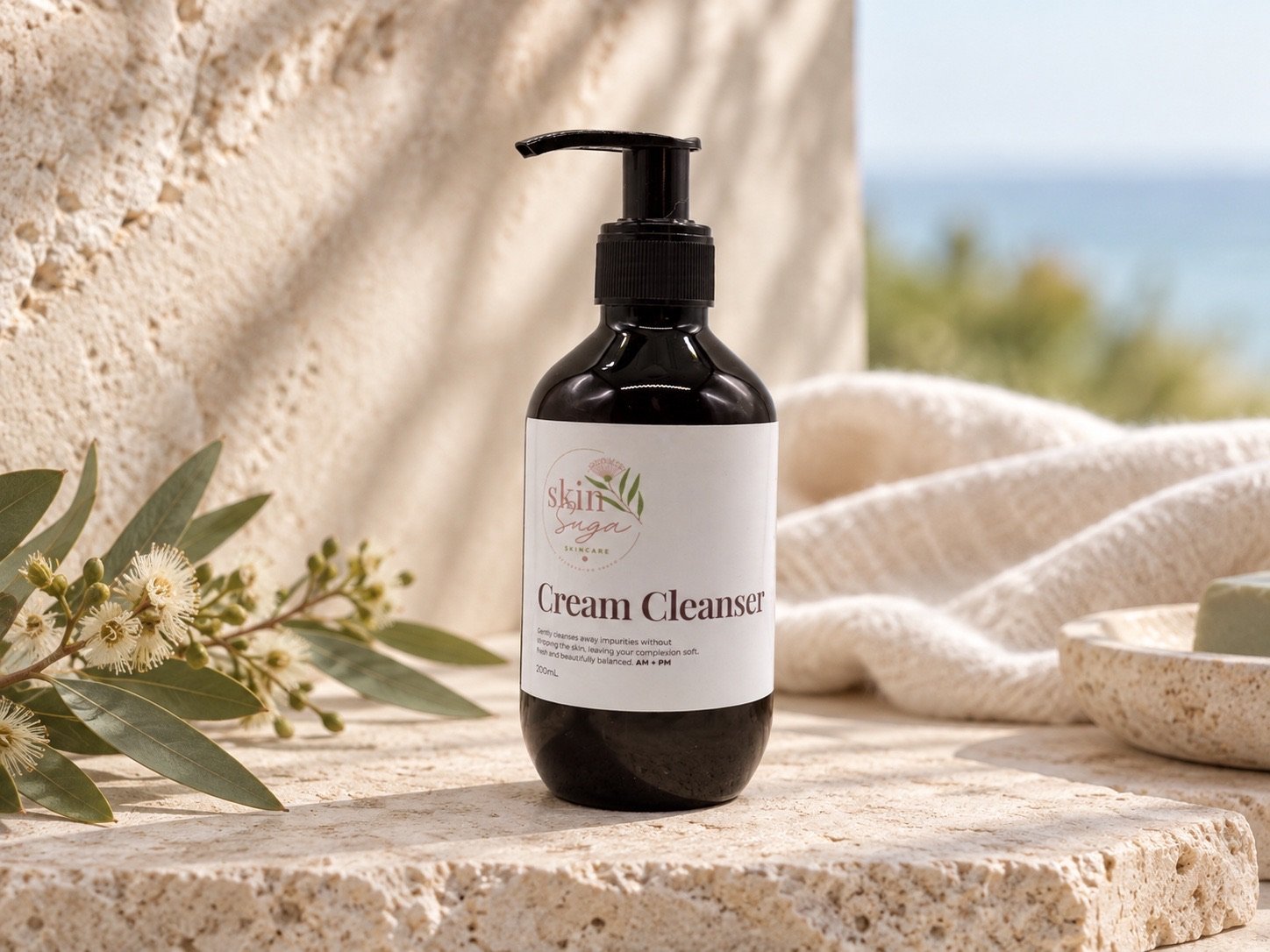
Cream Cleanser
A soft cream cleanser that helps remove makeup and sunscreen without an aggressive foaming finish.
Keep eye care gentle and precise
Cleanse without rubbing, use a rice-grain amount and stop when the area objects.
Common questions
Does tingling mean eye cream is working?
No. Persistent sensation is a reason to stop, not evidence of better results.
Can I put eye cream on my eyelids?
Only when the product directions specifically permit it. Keep ordinary eye cream on the orbital bone and away from the wet lash line.
How much eye cream should I use?
Begin with about a grain-of-rice amount divided between both eyes, adjusting only if the directions specify otherwise.
When is stinging an emergency?
Urgent assessment is needed for severe pain, major swelling, blistering, eye redness with discharge, light sensitivity or any vision change.
Sources
- American Academy of Dermatology: Stop products that sting, burn or tingle
- Cleveland Clinic: Eyelid dermatitis
- American Academy of Dermatology: Contact dermatitis symptoms
General cosmetic skincare information only. Eye pain, significant swelling or vision changes require professional assessment.