

Eye-area routine for mature skin
Is it better to use eye cream in the morning or at night after 40?
The short answer: Eye cream can be used in the morning, at night or both, depending on the formula and what your eye area needs. Morning use can support comfort under sunscreen and makeup. Night use suits richer nourishment without makeup over the top. After 40, a small amount used consistently is usually more useful than a heavy layer at either time.
There is no universal “best hour” for eye cream. Timing should match the texture, your routine and the reason you are using it. A light layer in the morning can soften the look of dryness under concealer; a quiet evening application can make the delicate area feel more comfortable by morning.
The skin around the eyes is thinner and more mobile than much of the face. It is also exposed to rubbing, makeup removal, sunscreen, pollen and products transferred from the hands. With age it may feel drier and fine lines can look more obvious when the surface is dehydrated. That makes gentle handling and careful placement more important than chasing a long list of actives.
Skin Suga Eye Cream is designed as a moisturising cosmetic step with sea buckthorn, resveratrol, vitamin E, jojoba oil and cucumber seed oil. It can be used according to the product directions in the routine that suits you. If you are unsure, start once daily at night for a week, then add morning use only if the skin remains comfortable and makeup sits well.
When morning eye cream makes sense
Morning use is helpful when the under-eye area feels tight after cleansing or concealer catches on dry patches. Apply a rice-grain amount divided between both eyes, tapping along the orbital bone rather than right against the lashes. Let it settle, then apply your suitable sunscreen around the exposed eye area as directed. Sunglasses, a hat and shade remain important in Australia.
A morning layer should not leave the area wet or slippery. If mascara smudges, sunscreen migrates or concealer creases, reduce the amount before assuming the formula is wrong. The eye area is small, so a visible blob is often too much. Pressing the cream in with a clean ring finger reduces friction and makes the layer more even.
A simple morning eye routine
- Cleanse without rubbing. Remove sleep residue with lukewarm water or a gentle cleanser.
- Use serum on the face. Keep strong actives and fragranced products away from the immediate eye area unless their directions allow it.
- Tap in Eye Cream. Divide a rice-grain amount between both eyes and place it around the orbital bone.
- Moisturise the face. Apply your facial moisturiser without dragging it over the lash line.
- Finish with sun protection. Use suitable broad-spectrum SPF50 or SPF50+ sunscreen and physical protection.
When night eye cream is the better fit
Night is often easier for a richer texture because there is no makeup to layer over it. Cleanse away sunscreen and cosmetics, let the eye area dry, then tap on a very small amount. Keep facial oils on the cheeks, temples and forehead instead of coating the mobile eyelids. Too many slippery layers close to the lashes can migrate into the eyes while you sleep.
Evening use also makes it easier to observe tolerance. If you wake with itching, new swelling, redness or a scaly patch, stop the new product. Eyelid dermatitis may be caused by products used elsewhere, including nail polish, hair colour or fragrance transferred by the hands. A recurring reaction needs professional assessment rather than repeated experimentation.
Can you use eye cream twice a day?
Yes, if the product directions permit it and the area remains comfortable. Twice daily does not mean double the amount. Use the same tiny dose each time. Morning and night use is most useful when dryness returns between routines or when you prefer a dedicated eye step rather than taking facial moisturiser close to the eyes.
If once a day keeps the area comfortable, there is no need to force a second application. Skin can only accommodate so much product before the finish becomes greasy. Consistency, sunscreen and gentle makeup removal matter more than turning eye care into a contest of frequency.
What should go before and after eye cream?
After cleansing, use your face serum first while avoiding the immediate eye area unless it is labelled for that use. Apply eye cream next, then facial moisturiser. In the morning, sunscreen is the final protective step. At night, facial oil can be pressed over the drier areas of the face, leaving a clear margin around the lashes.
Order is not a chemistry emergency. The goal is to keep thin, water-based products beneath richer creams, avoid rubbing and prevent eye products from being diluted across the entire face. If a product stings, moving it earlier or later rarely solves the underlying tolerance problem.
Morning puffiness versus night-time dryness
A cool, light morning application can feel refreshing when the area looks puffy, but cosmetics cannot diagnose fluid retention or allergies. Sleep, salt intake, seasonal allergy and normal morning fluid shifts may all influence appearance. Persistent or one-sided swelling, pain, discharge, vision changes or severe redness needs prompt medical advice.
At night, the focus can be comfort. Use gentle cleansing and avoid scrubbing away eye makeup. If waterproof mascara requires repeated friction, a suitable remover followed by Cream Cleanser may be kinder than trying to remove everything with one dry cloth. Pat, do not pull, and keep the routine predictable when the area is reactive.
How to decide which schedule is right
Choose morning if dryness interferes with sunscreen or makeup. Choose night if you prefer one unhurried application or the cream feels too rich by day. Choose both if the formula layers well and the area remains comfortable. Review the result after two weeks, not after one generous application. Look for improved comfort and a smoother-looking surface, not a medical transformation.
A patch test is sensible when you have sensitive skin or a history of reactions. Keep the rest of the routine stable while introducing the eye cream. If the area is already inflamed, wait until it settles and seek advice. The safest cosmetic routine starts with healthy, intact skin.
Ritual first: Bright Eyes Ritual
The Bright Eyes Ritual pairs targeted Eye Cream with Glow Face Oil for the surrounding face. This keeps the roles clear: a tiny amount around the orbital bone and a nourishing oil finish on the face, away from the wet lash line. Use the ritual morning or night according to comfort, with sunscreen as the daytime finish.
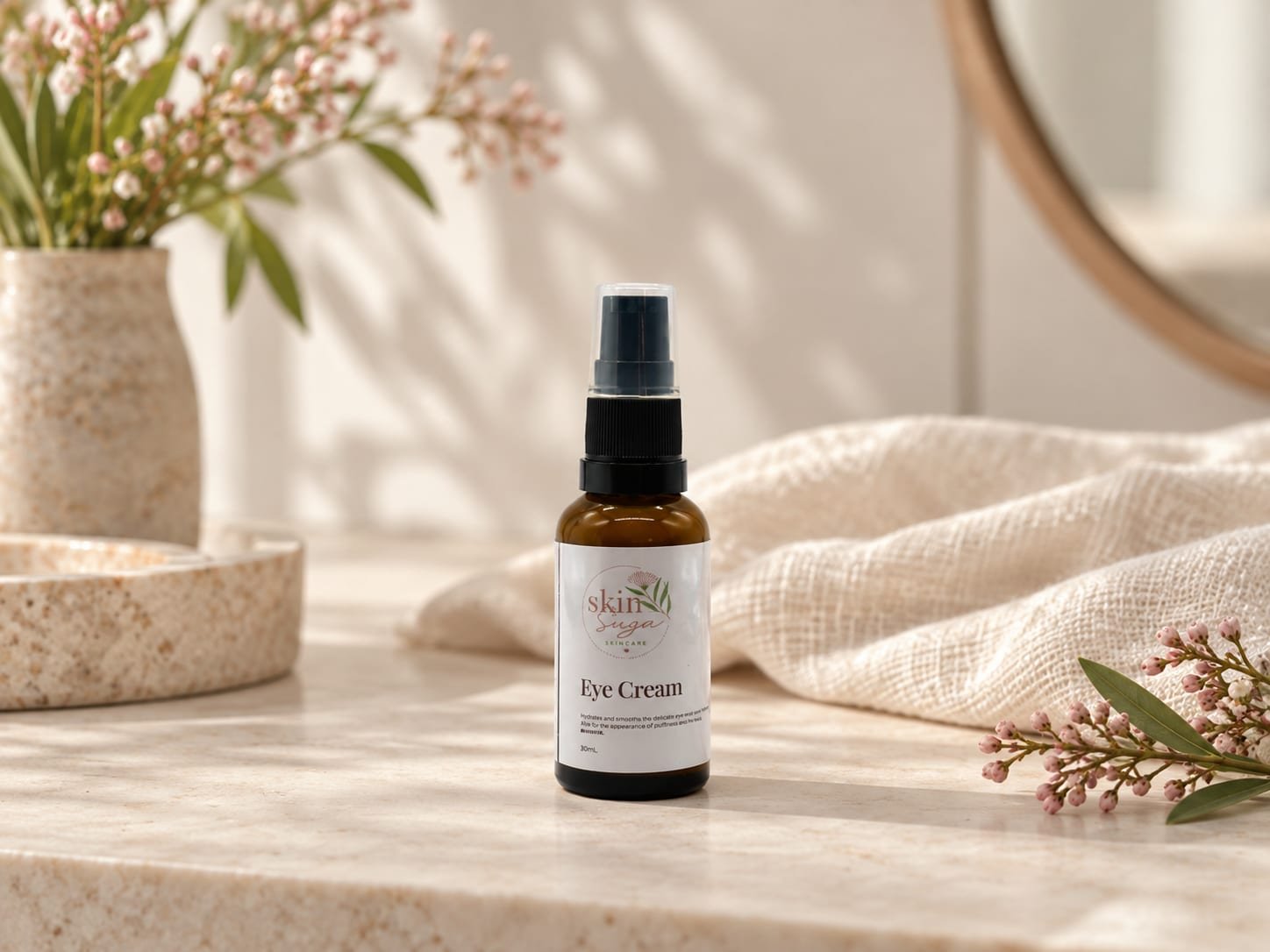
Eye Cream
Sea buckthorn, resveratrol, vitamin E, jojoba and cucumber seed oil help hydrate and soften the appearance of dryness around mature eyes.
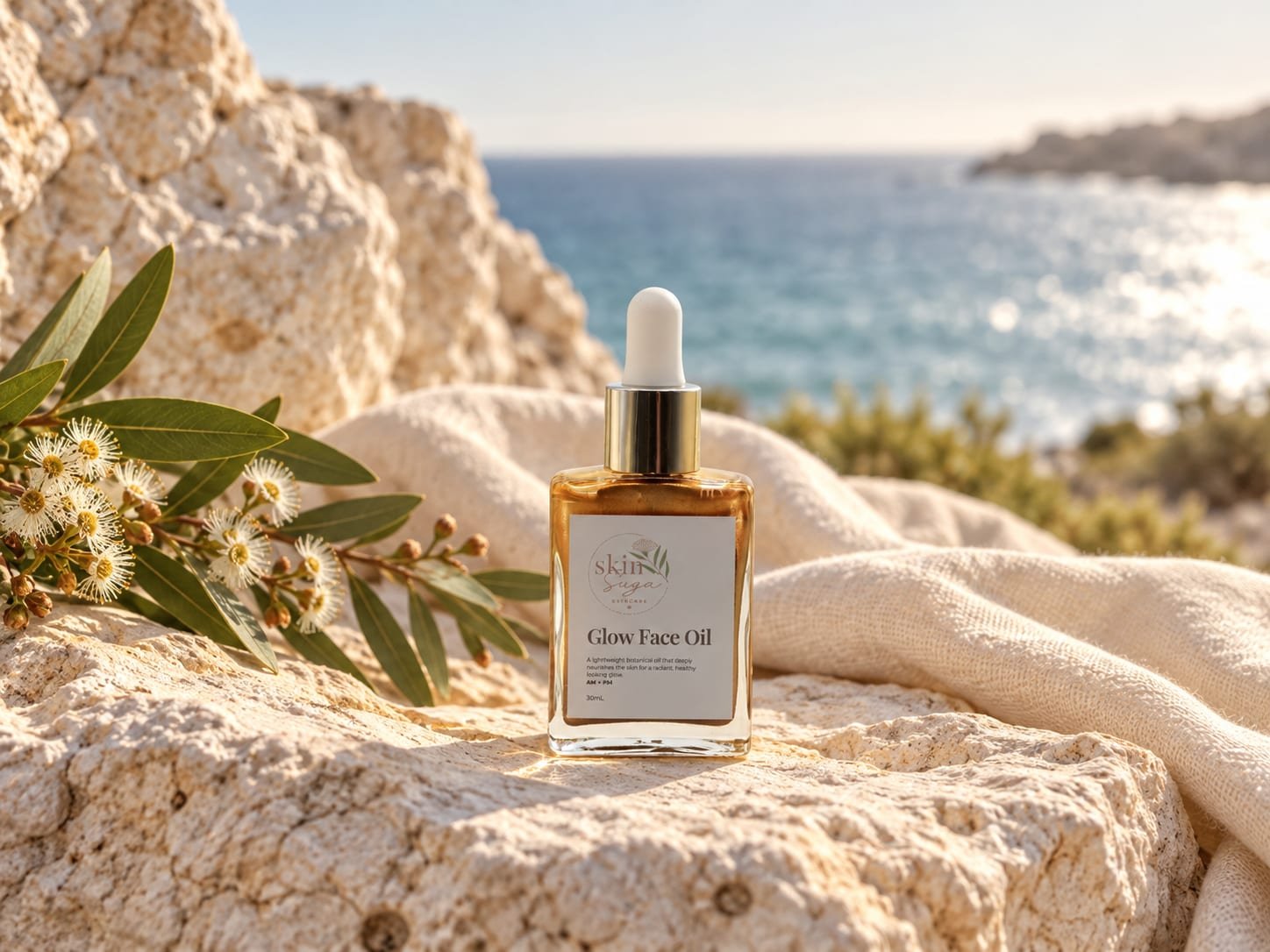
Glow Face Oil
Rosehip, sea buckthorn, jojoba, sweet almond, avocado, chia and vitamin E add a soft nourishing finish to the surrounding face.
Make eye care small and consistent
One measured application can be enough. Add the second only when it improves comfort without disrupting sunscreen or makeup.
Common questions
Should eye cream go before moisturiser?
Usually yes. Apply the targeted eye cream after serum and before or alongside facial moisturiser. Placement and dose matter more than a long waiting time.
Can I put eye cream on my eyelids?
Follow the product directions. As a cautious default, apply around the orbital bone rather than the mobile lid or wet lash line.
How long before makeup?
Allow the thin layer to settle until it no longer feels wet, often one to two minutes. If concealer still slides, use less product.
Can eye cream replace sunscreen?
No. Eye cream is not sun protection unless it is specifically regulated and labelled as sunscreen. Use suitable sunscreen plus sunglasses, a hat and shade.
Sources
- DermNet: Eyelid contact dermatitis
- American Academy of Dermatology: Applying skincare in order
- Cancer Council Australia: Sunscreen advice
General cosmetic skincare information only. Sudden swelling, pain, discharge, vision change or persistent dermatitis needs professional care.