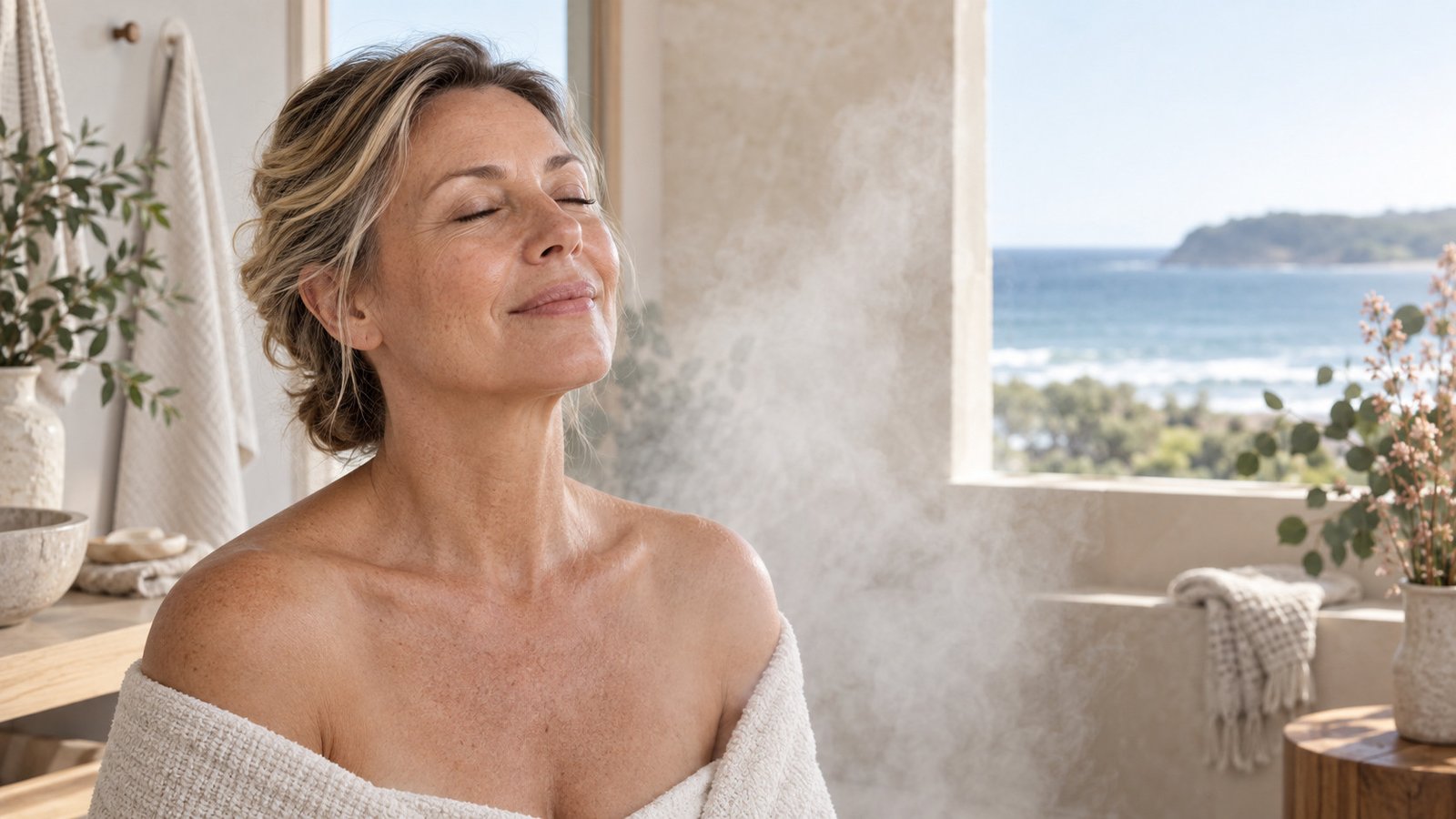
Warmth is optional, comfort is essential
Is facial steaming good for mature skin after 40?
The short answer: Facial steaming is optional, not an essential anti-ageing step. Brief, comfortably warm steam may soften surface oil and make a cleansing ritual feel relaxing, but it does not open pores, erase lines or permanently hydrate skin. Mature skin that is dry, flushed, sensitive or prone to rosacea may feel worse with heat. If you try it, keep the steam mild, stay well back, limit the session, and follow with a gentle hydrating routine.
A warm cloud of steam can make an at-home facial feel luxurious, which is why the ritual remains popular. The useful part is modest: warmth and moisture can soften surface residue and make skin feel temporarily supple. The risks are also straightforward. Too much heat can increase flushing, discomfort and water loss once the steam stops, especially when mature skin is already dry or reactive.
The safest way to think about steaming is as an occasional comfort step, not a treatment. It cannot shrink or open pores because pores do not have muscles that work like doors. It also cannot replace cleansing, moisturising or daily sun protection. A simpler routine will usually do more for long-term comfort than adding a steamer.
What steam actually does to the skin
Warmth increases blood flow close to the surface, so skin may look pinker for a short time. Moist air can soften the outermost layer and loosen makeup or oily residue that has already been partly dissolved by cleansing. These temporary effects may make the face feel smoother, but they are not evidence that toxins have left the skin or that collagen has been rebuilt.
After the face cools, any water sitting on the surface can evaporate. Without moisturiser, skin may feel as dry as before or drier. This is why a post-steam moisturising step matters more than the steam itself. The goal is to retain comfort, not chase redness as proof that the ritual worked.
Does steaming open pores?
No. Pores can look more noticeable when they contain oil and debris, and softened residue may be easier to cleanse away. That visual change is often described as pores opening. The pore has not physically opened and it will not close when splashed with cold water.
Avoid squeezing or scraping the face after steaming. Warm, softened skin is easier to mark, and aggressive extraction can lead to irritation. Persistent blackheads, acne or inflamed bumps are better discussed with a qualified skin professional than treated with pressure at home.
Who should be cautious?
Skip facial steaming when your face is actively stinging, sunburnt, cracked or inflamed. Heat can be uncomfortable for people with rosacea, visible capillaries, eczema or a tendency to flush. It is also unwise immediately after waxing, exfoliation, a peel, laser treatment or another procedure unless the treating professional has said it is appropriate.
Menopause-related hot flushes can make steam especially unpleasant. A skincare ritual should not require you to tolerate heat. A lukewarm face cloth held briefly against the skin gives some of the sensory comfort with less intense exposure.
A cautious five-minute steam ritual
- Cleanse first: Remove makeup and sunscreen gently so steam is not being used as a substitute for cleansing.
- Use comfortably warm water: Never use boiling water or place the face close to a kettle or bowl.
- Keep your distance: Stay far enough away that the air feels pleasantly warm, never hot or prickly.
- Keep it brief: Begin with two or three minutes and stop immediately if redness, itching or dizziness develops.
- Pat, do not rub: Use a clean soft towel and leave the skin slightly damp for the next step.
What should you apply afterwards?
Choose hydration and emollience rather than a strong active. A hyaluronic acid serum can add a water-binding layer, followed by moisturiser to reduce the tight feeling that may follow evaporation. If your cheeks remain dry, a small amount of facial oil can be pressed over moisturiser as the final evening layer.
This is not the ideal moment to test a new exfoliating acid, scrub or concentrated treatment. Warmth can make skin feel more permeable and reactive. Keep familiar products in the routine and judge the result by comfort over the next several hours, not by immediate shine.
A no-steam alternative for dry mature skin
- Soften: Massage cream cleanser over dry or lightly damp skin with fingertips.
- Rinse: Use lukewarm water and avoid a hot, prolonged splash.
- Hydrate: Apply a modest layer of hydrating serum while the face is slightly damp.
- Moisturise: Smooth moisturiser over the face and neck without waiting for tightness to appear.
- Protect or nourish: Use broad-spectrum sunscreen in the morning, or a measured oil finish at night when needed.
How often is sensible?
If your skin tolerates steam, once a week is plenty for an occasional ritual. There is no prize for increasing the frequency. Dryness, persistent redness, burning, more visible broken capillaries or increased sensitivity are reasons to stop. Skin that feels consistently comfortable without steaming does not need the step at all.
Australian weather matters too. A humid summer evening may make steam feel oppressive, while dry Perth air can make post-steam evaporation more noticeable. Adapt the ritual to the day rather than following a rigid schedule.
Common steaming mistakes to avoid
Do not hold your face over freshly boiled water, trap intense steam under a towel or assume more heat produces a better result. Burns can occur before a ritual feels obviously dangerous, and inhaling very hot vapour is unnecessary. Keep children and pets away from bowls of hot water, place the vessel on a stable surface and stop before your face becomes strongly flushed.
Another mistake is treating softened skin as permission to scrub. Steam followed by a grainy exfoliant, pore strip, extraction tool and strong acid creates several sources of irritation in one sitting. Choose one gentle cleansing method, then moisturise. If the enjoyable part is warmth and quiet time, a comfortably warm face cloth and a calm routine can provide that experience more predictably.
Ritual first: Ultimate Hydration Ritual
The Ultimate Hydration Ritual is the more dependable path when the goal is soft, comfortable mature skin. It pairs gentle cleansing with water-binding hydration, moisturiser and a nourishing oil finish, without requiring heat.
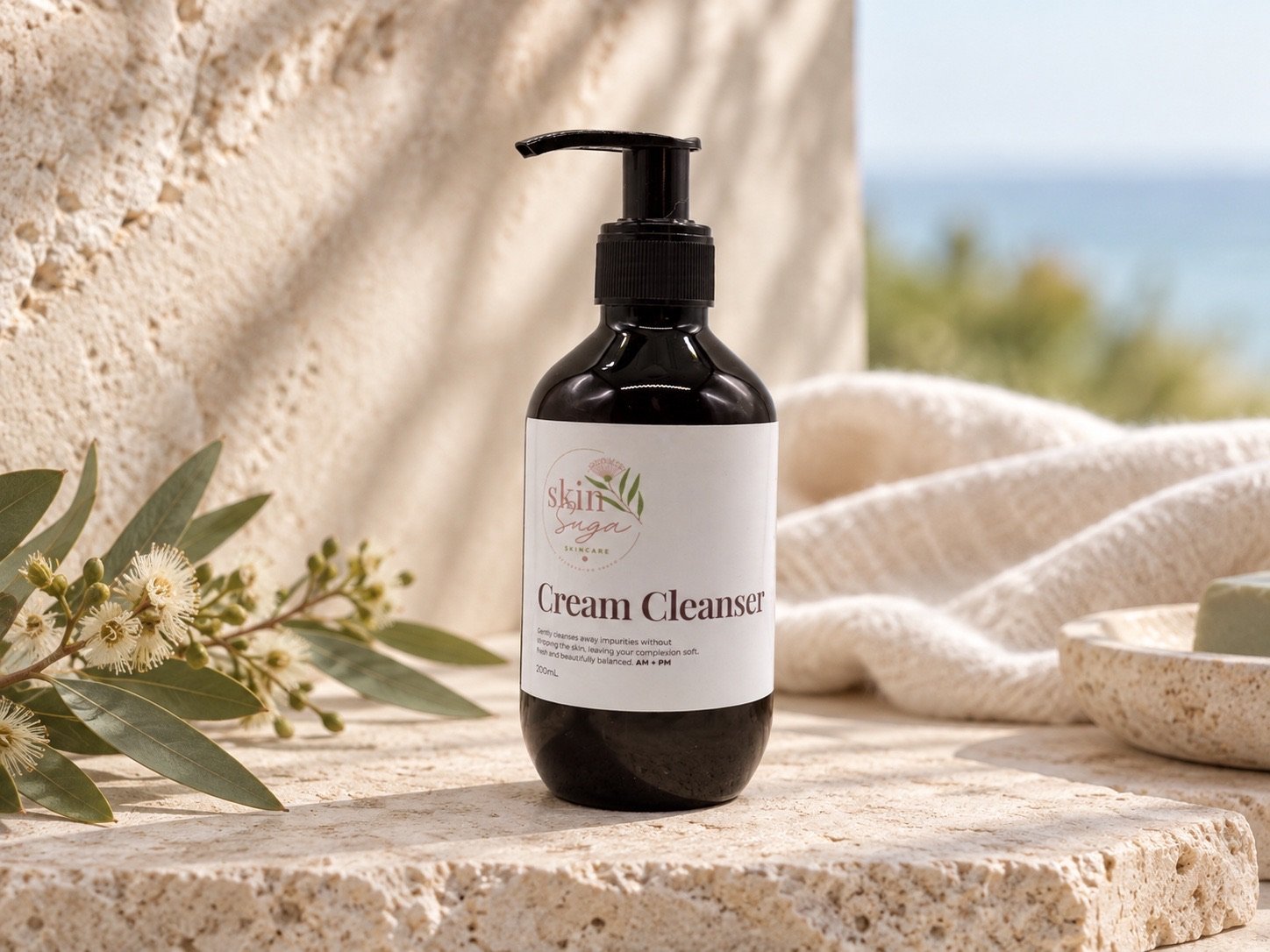
Cream Cleanser
Apricot kernel oil, oat and cucumber extracts support a soft, non-stripping cleanse before any optional warm ritual.
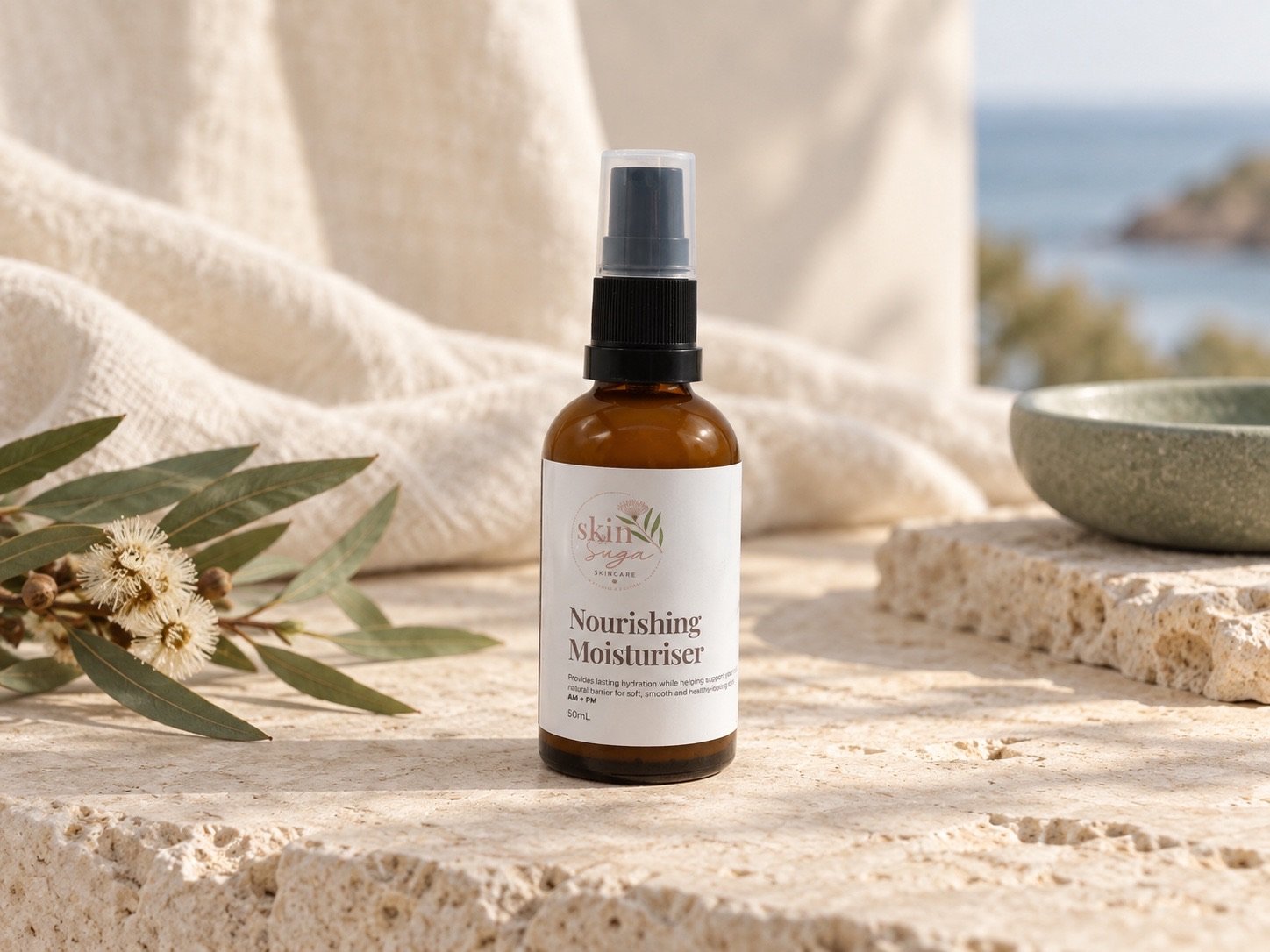
Nourishing Moisturiser
Jojoba oil, shea butter, green tea and botanical oils help restore comfort after water exposure.
Choose comfort over heat
A calm cleanse and prompt moisturising step can deliver the ritual feeling without stressing reactive skin.
Common questions
Can steam remove blackheads?
It may soften surface oil, but it does not safely remove every plug. Avoid forceful extraction and seek professional advice for persistent congestion.
Should I steam before or after cleansing?
Cleanse first. If you steam at all, use it briefly on clean skin and follow with hydration and moisturiser.
Can I add essential oils to facial steam?
Plain water is safer. Fragrant oils dispersed in steam can irritate eyes, airways or sensitive facial skin.
Is facial steaming suitable during a hot flush?
No. Wait until you feel cool and comfortable, or skip heat entirely.
Sources
- Cleveland Clinic: Is steaming your face good for your skin?
- American Academy of Dermatology: Face washing 101
- Peer-reviewed study: Water exposure, temperature and skin barrier function
General cosmetic skincare information only. Persistent facial redness, burning or a diagnosed skin condition should be discussed with a qualified clinician.