

One change at a time
How to introduce new skincare products after 40
The short answer: Introduce one new skincare product at a time, patch test it first, and keep the rest of your routine steady. Begin with the labelled amount and a lower frequency when the product may be active or your skin is sensitive. Give comfort priority over speed. If burning, swelling, marked redness or an itchy rash appears, stop the newest product and return to a simple cleanser, moisturiser and daytime sunscreen routine.
A new routine is easiest to understand when treated as a sequence of small trials rather than a complete shelf change. If five products begin on Monday and the face stings on Thursday, there is no clear way to identify the cause.
Mature skin may be drier, more reactive or simply less forgiving of rushed experiments. The American Academy of Dermatology advises adding one anti-ageing product at a time because several new products can irritate skin. This is not about fearing ingredients. It is about making each product earn a clear place.
Start with foundations: cleanser, moisturiser and daytime sunscreen. Add serum or oil only when the base is comfortable. A routine that can be repeated is more valuable than a complex launch that ends in a barrier reset.
Begin with one clear goal
Write down the reason for the product in plain language: more comfortable hydration, antioxidant support, a softer-looking texture or a nourishing night finish. Compare that goal with what existing products already do. Overlap is common, especially among serums.
Do not add a product because a diagram shows an empty step. Toner, serum, eye cream and facial oil are optional categories. The essential question is whether the product contributes something useful without making cleansing, moisturising and sunscreen harder to maintain.
Patch test before full-face use
The AAD recommends applying a new skincare product to a small test area twice daily for seven to ten days, unless directions specify another method. Choose an area such as the underside of the arm or bend of elbow. Use the same amount and duration you would normally.
For cleanser, leave it on only as long as the label directs before rinsing. A successful patch test reduces surprises but cannot guarantee the face will never react. After patch testing, try the product on a small facial area while keeping everything else unchanged.
A measured introduction plan
- Stabilise the base. Use gentle cleanser, comfortable moisturiser and daytime sunscreen for several days.
- Patch test. Follow directions on a small area for seven to ten days.
- Add one product. Use the labelled amount on a calm skin day.
- Start slowly when appropriate. Try one or two applications a week for active formulas, then increase only if comfortable.
- Observe before another addition. Note comfort, dryness, pilling and reaction for at least two weeks.
Which product comes first?
Build in order of necessity. Start with Cream Cleanser if the current cleanser leaves the face tight. Add moisturiser if skin lacks comfort. Establish sunscreen for daytime protection. Once those work together, choose one serum for the main cosmetic goal.
Hyaluronic Acid Serum is a hydration-focused addition. Vitamin C Serum is antioxidant and radiance focused. Vitamin A Oil is better introduced as a measured evening step. You do not need all three in the same month.
How long between products?
Two weeks is a practical minimum for observing obvious tolerance, but some reactions and benefits take longer. The AAD notes that moisturisers can show quick plumping while many anti-ageing products need at least six weeks and sometimes up to three months. Do not confuse slow cosmetic progress with a need for more products.
Waiting also reveals practical issues: whether sunscreen pills, whether makeup separates and whether the face feels tight at midday. These daily signs help determine whether a product belongs.
How often should an active start?
Follow the label first. For an unfamiliar active or facial oil, once or twice a week can be a sensible starting rhythm for sensitive skin. Increase only when the face remains comfortable. Daily use is not a universal requirement.
Separate potentially irritating products. Vitamin C may suit mornings while Vitamin A Oil stays in the evening on alternate nights. Exfoliating products should not be added in the same week. Simplicity makes tolerance visible.
Do not test on unsettled skin
Delay the trial during sunburn, a rash, a hot-flush flare, immediately after waxing or after a professional procedure unless your clinician advises otherwise. Skin is already giving information, and a new variable makes it harder to read.
Use the short routine recommended for recovery. When skin returns to its usual baseline, restart the patch test rather than assuming the previous reaction no longer matters.
What counts as a stop sign?
Strong or persistent burning, swelling, hives, blistering, marked redness or an itchy spreading rash are stop signs. Rinse away leave-on product gently and do not cover the reaction with more active skincare. Eye involvement, breathing difficulty or severe swelling needs urgent care.
Mild pilling or temporary stickiness is usually a quantity issue rather than allergy. Reduce amount, allow layers to settle and test with a simpler routine. Discomfort should never be treated as proof of effectiveness.
Keep a short routine note
Record the date, amount, frequency and where the product was used. Note how skin feels immediately, next morning and by midday. Photograph the label and batch number in case advice is needed later.
After several weeks, ask: Is it comfortable? Does it serve the goal? Does it fit with essential steps? A product can be pleasant yet unnecessary, useful-looking yet impractical, or suitable only in one season.
Ritual first: Daily Essentials Ritual
The Daily Essentials Ritual gives new skincare a stable home. Establish cleansing, toning, hydration and moisturising first. Then introduce one targeted product at a time instead of rebuilding the whole routine whenever a concern appears.
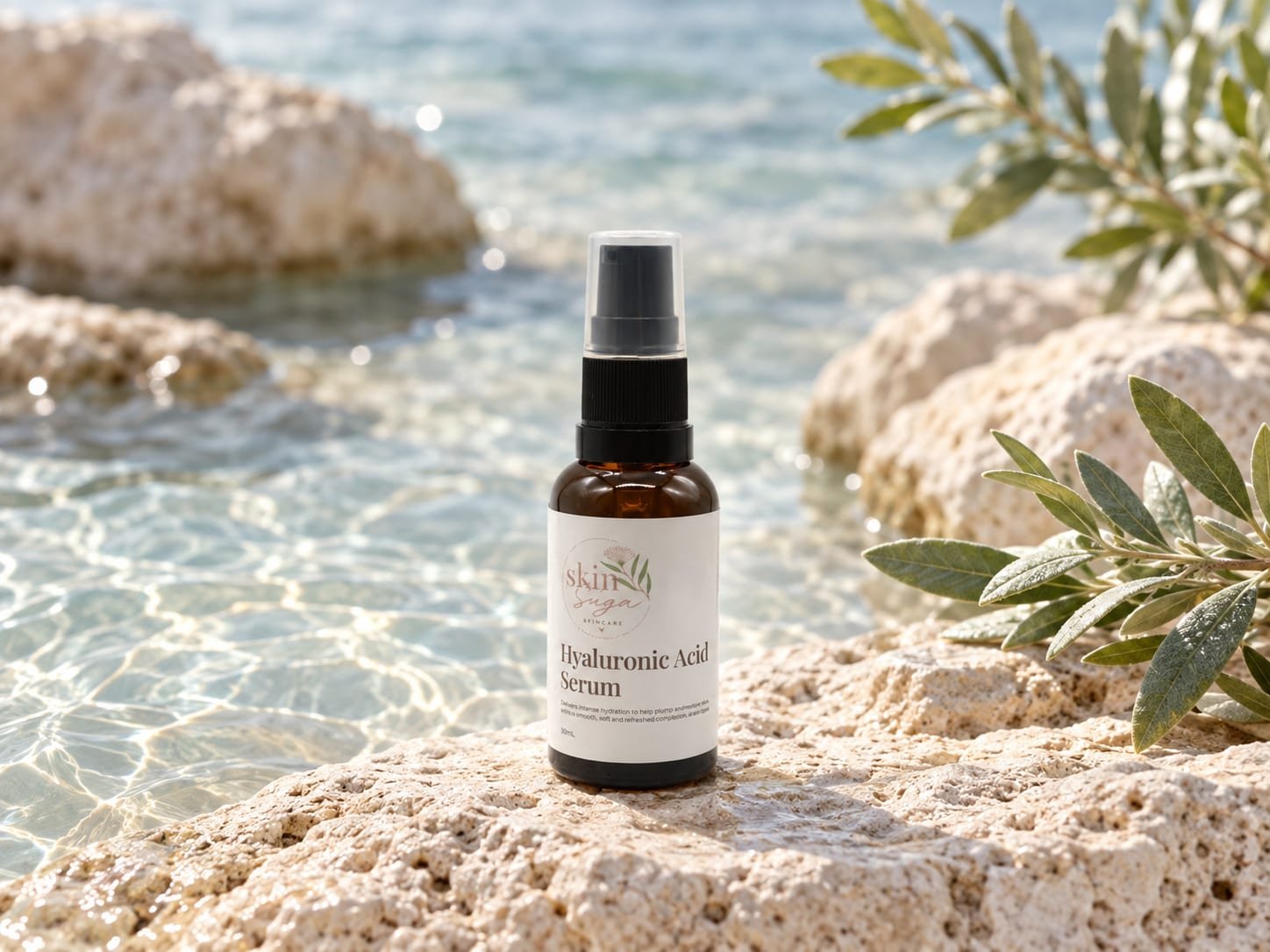
Hyaluronic Acid Serum
A focused lightweight hydration step with vegan hyaluronic acid and radish root ferment.
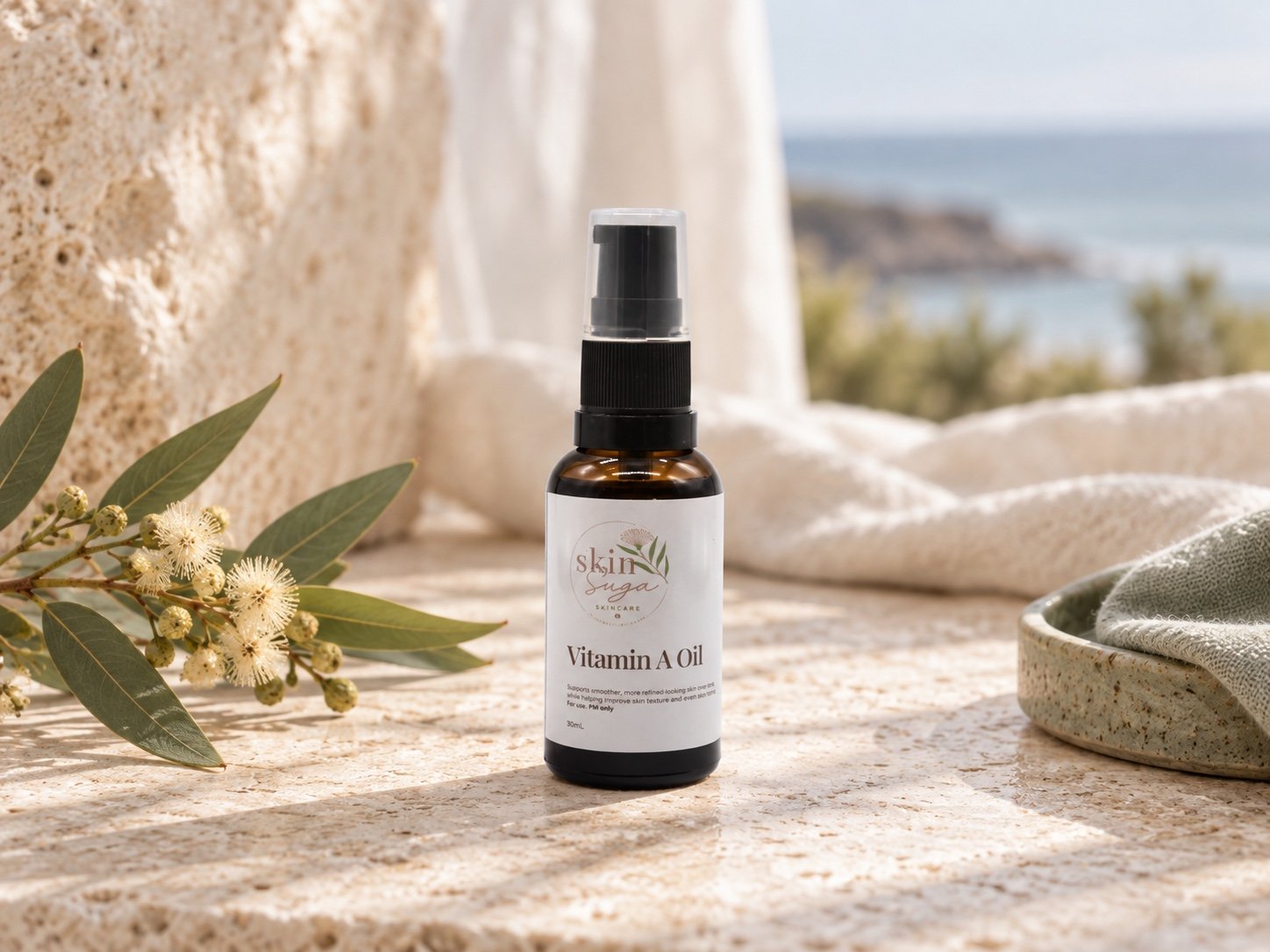
Vitamin A Oil
A nourishing evening oil with bakuchiol, rosehip, jojoba and vitamin E for a measured night-time addition.
Build confidence one product at a time
A steady base and a simple record make it easier to recognise what skin genuinely enjoys.
Common questions
Can I introduce cleanser and serum together?
It is clearer to change one at a time. Start with cleanser if the current one causes tightness, then add serum after comfort is established.
Is purging normal?
Do not assume every breakout or rash is purging. Stop a product that causes significant discomfort and seek advice if symptoms persist.
How much should I use?
Use the label amount. More does not speed results and may increase pilling or irritation.
When can I add the next product?
Wait until the first is comfortable and its role is clear. Two weeks is practical for tolerance; visible changes often take longer.
Sources
- American Academy of Dermatology: How to test skincare products
- American Academy of Dermatology: Maximising anti-ageing results
- American Academy of Dermatology: Skincare application order
General cosmetic skincare information only. Seek professional advice for a severe reaction, persistent symptoms or diagnosed skin conditions.