
Judge progress in weeks, not overnight promises
How long does skincare take to work after 40?
The short answer: Hydration and surface comfort can improve quickly, sometimes after one use, but changes in the look of texture, brightness and fine dehydration lines usually need consistent use over several weeks. The American Academy of Dermatology advises that many anti-ageing products need at least six weeks, and sometimes three months.
Skincare works on more than one timeline. A moisturiser can make dry skin feel softer after one application, while a serum chosen for brightness or visible texture needs repeated use. The American Academy of Dermatology notes that most anti-ageing products take at least six weeks to work and sometimes three months. A realistic routine separates immediate surface comfort from gradual cosmetic change.
What “working” actually means
Before judging a product, define the result you want. “Better skin” is too broad to measure. Useful goals include less tightness after cleansing, fewer visible dry flakes under makeup, a more even-looking tone, a smoother-feeling surface or a routine that no longer causes stinging.
Hydration, emollience and light reflection can change the appearance quickly. Humectants attract water at the skin surface, moisturisers soften roughness and facial oils add slip and sheen. These effects are valid, but they are not the same as structural change. A face can look more luminous immediately because the surface is smoother and reflects light more evenly.
Products designed for gradual cosmetic improvement need patience. Skin does not renew itself on a marketing deadline, and mature skin may respond more slowly than it did earlier in life. Consistency, tolerance and daily sun protection matter more than switching products every week.
A realistic results timeline after 40
After the first application
A gentle cleanser should leave the skin clean without a tight, squeaky feeling. Hydrating serum and moisturiser may improve softness and comfort within minutes. Facial oil can add immediate sheen and reduce the dry feeling at the surface. If a product burns, produces swelling or causes persistent redness, that is not a sign that it is “working”.
During the first week
You are mainly learning about compatibility. Does the routine pill under sunscreen? Does makeup sit more evenly? Does skin remain comfortable through the afternoon? Does a new product cause irritation after several uses? Keep the rest of the routine stable so the answer is clear.
Dryness related to under-moisturising may improve, but a single week is too early to make confident claims about fine lines, uneven tone or long-standing roughness. Photographs taken in different lighting can exaggerate a change that is not really there.
At four to six weeks
This is a more useful first review point for a consistent cosmetic routine. You may see whether hydration is reliable, whether the complexion looks more even and whether the texture under makeup has improved. The AAD advises giving most anti-ageing products at least six weeks. Products with a retinoid or vitamin A derivative may need gradual introduction, so the calendar starts from tolerable, consistent use rather than the purchase date.
At eight to twelve weeks
By this stage, a well-tolerated routine has had enough time to show its general direction. If there is no meaningful improvement in the goal you chose, review the formula, frequency, sunscreen habits and whether the concern is appropriate for cosmetics. Do not keep adding new products to force a result.
Some concerns, including persistent rash, sudden pigmentation change, bleeding lesions or ongoing irritation, belong with a GP or dermatologist rather than a longer cosmetic trial.
Why mature skin may need more patience
Ageing changes the way skin holds water, produces oil and recovers from irritation. Hormonal changes can add dryness or sensitivity. This makes a calm routine especially important: repeated over-exfoliation can create roughness and redness that looks like “ageing” while delaying the result you were trying to achieve.
Mature skin also carries decades of sun exposure. Cosmetics can improve hydration and the appearance of brightness or texture, but they cannot erase all established photoageing. Daily broad-spectrum sunscreen helps prevent additional ultraviolet exposure and protects the effort invested in the rest of the routine.
How to track progress without becoming obsessive
Choose one or two measures and review them every two weeks. For example: afternoon tightness on a scale from zero to five, the amount of flaking around the nose, or how foundation sits on the cheeks. Use the same mirror, similar lighting and no beauty filter. Daily scrutiny makes normal variation look like failure.
Keep a simple note of new products, start dates and frequency. If irritation appears, the record helps identify the cause. Change one product at a time and allow at least several days before adding another, unless the product directions require a different schedule.
Progress is not always linear. Weather, sleep, illness, travel and menopause symptoms can affect how the skin feels. Look for a better average over several weeks rather than expecting every morning to be identical.
A twelve-week consistency plan
- Week 0: choose one concern and record the starting point in consistent light.
- Weeks 1–2: focus on tolerance, comfort and whether the routine layers well.
- Weeks 3–6: keep products and frequency steady; note only meaningful changes.
- Week 6: review hydration, texture, brightness and irritation separately.
- Weeks 7–12: continue if progress is positive and the routine is comfortable.
- Week 12: decide whether to maintain, simplify or change one targeted step.
How Skin Suga supports a measurable routine
The Daily Essentials Ritual is the best baseline because it keeps the core variables clear: Cream Cleanser, Toning Mist, Hyaluronic Acid Serum and Nourishing Moisturiser. It lets you assess whether consistent gentle cleansing and hydration improve comfort before adding more active steps.
When brightness is the defined goal, the Radiance & Glow Ritual adds Vitamin C Serum. Skin Suga’s formula includes three forms of vitamin C with Kakadu plum, rosehip, mountain pepper berry and aloe vera. Use it consistently as directed, then judge the trend over weeks rather than expecting one application to change established uneven tone.
For a night treatment plan, the Night Recovery Ritual includes Vitamin A Oil, Night Cream and Eye Cream. Introduce vitamin A gradually, record frequency and prioritise tolerance. Using more is not a shortcut.
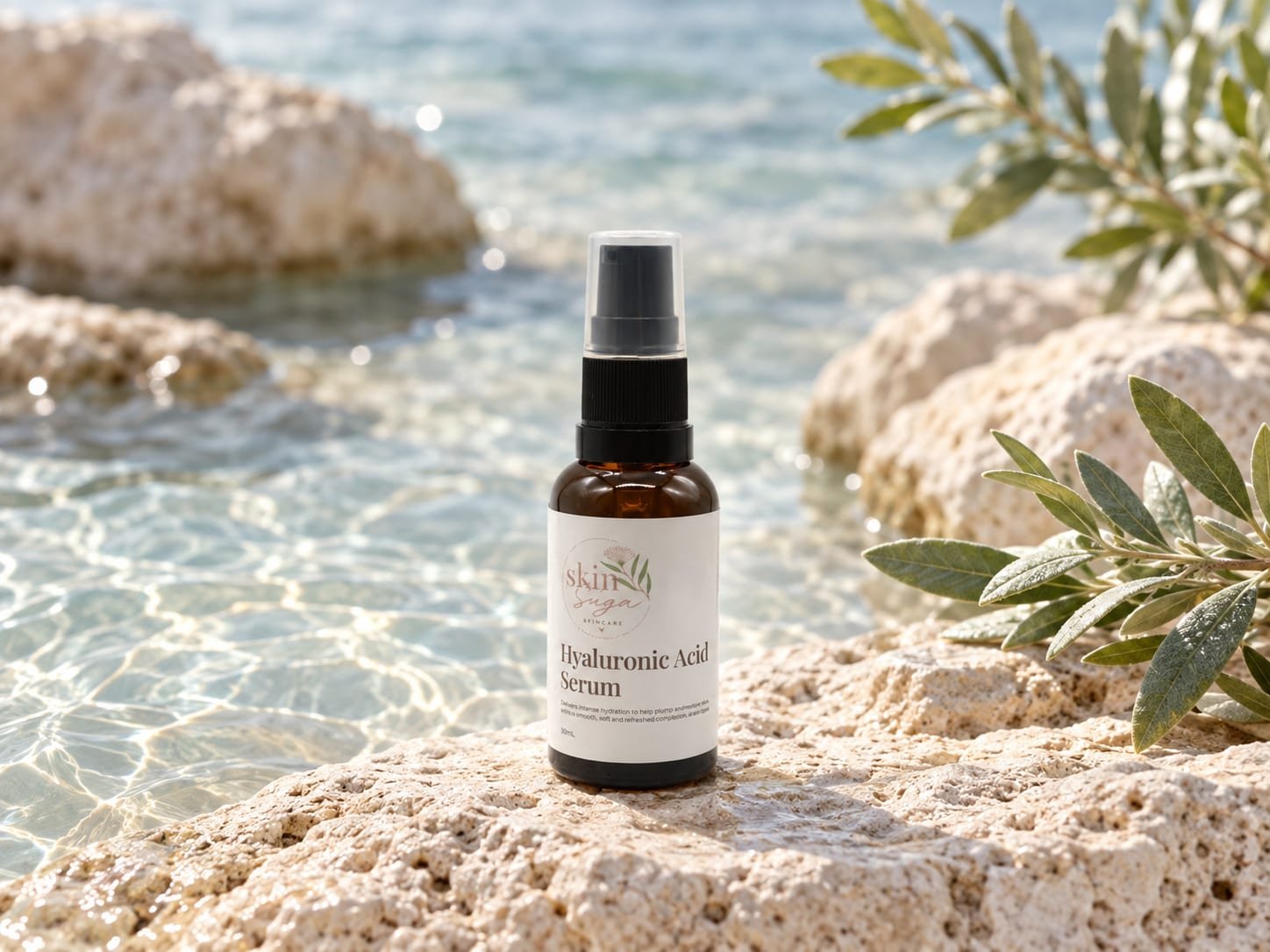
Hyaluronic Acid Serum
Best judged first by hydration and comfort. Vegan hyaluronic acid and radish root ferment support a lightweight hydration step.
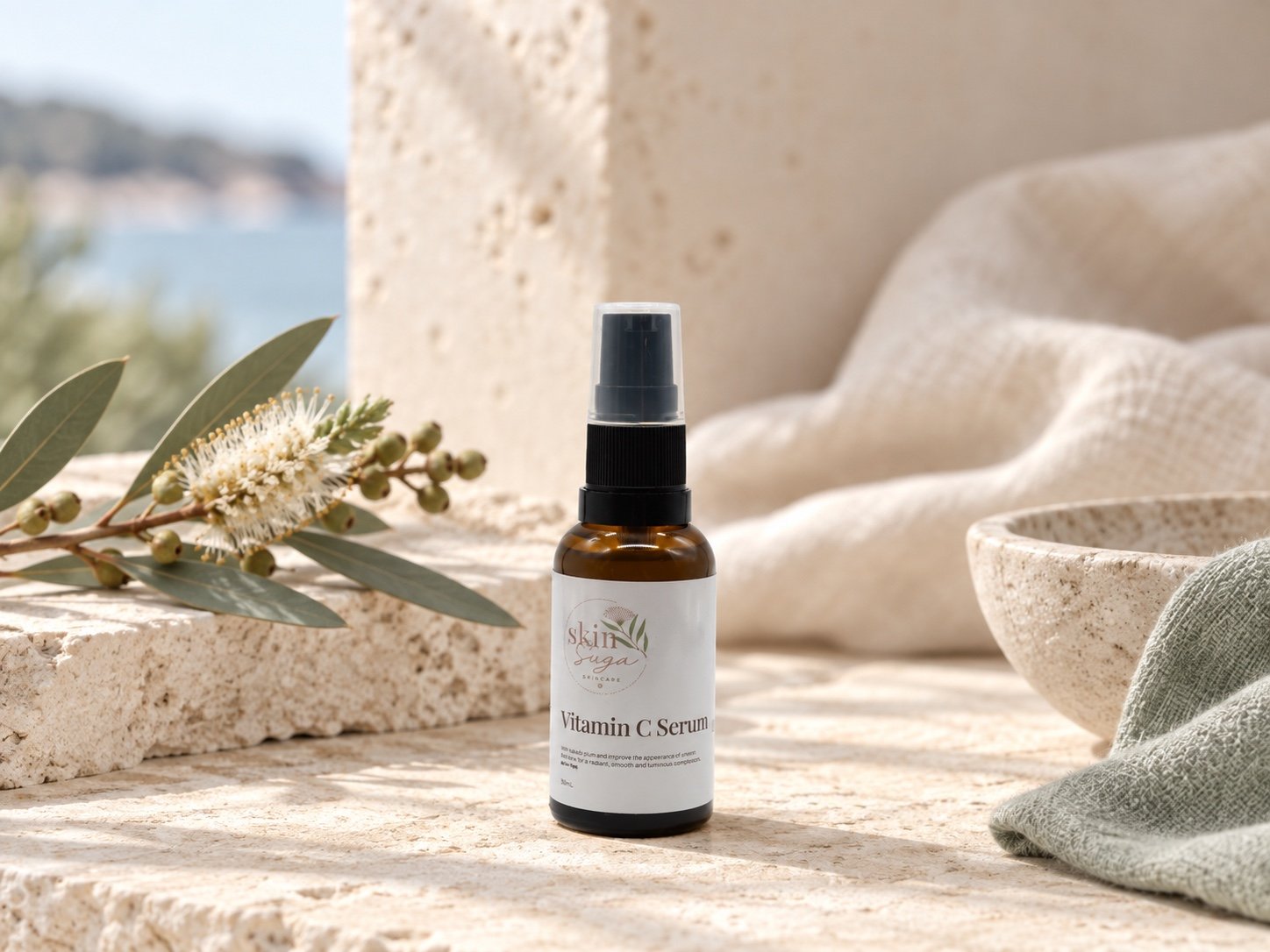
Vitamin C Serum
Judge brightness and even-looking tone over consistent use, supported by daily sunscreen rather than overnight expectations.
Reasons a product may seem not to work
- The goal is vague or impossible to measure.
- The product is used only occasionally.
- Several products were started together and irritation masks any benefit.
- Sunscreen is inconsistent while brightness is the goal.
- The routine is so rich that congestion or pilling creates a new problem.
- The concern needs medical assessment rather than cosmetic care.
- Marketing images created an unrealistic expectation of poreless or line-free skin.
Frequently asked questions
Can moisturiser work immediately?
It can improve surface softness and reduce a dry, tight feeling quickly. That immediate effect is different from long-term change.
How long should I test a vitamin C serum?
If it is comfortable, use it consistently for at least six weeks before making a first judgement about cosmetic brightness. Follow the formula directions.
When should I stop a new product?
Stop if it causes significant burning, swelling, persistent redness or worsening irritation. Seek professional advice when symptoms are severe or continue.
Should I photograph my skin every day?
No. Similar photographs every two to four weeks are more useful and less distorted by daily changes in lighting, sleep and hydration.
Choose consistency before complexity
Start with a coordinated daily ritual, define one goal and give a comfortable routine enough time to show you what it can do.
Explore Daily Essentials RitualExplore Radiance & Glow Ritual
Sources and further reading
- American Academy of Dermatology: Maximise results from anti-ageing skincare
- American Academy of Dermatology: Skin care in your 40s and 50s
- Cleveland Clinic: Anti-ageing skincare routine
Cosmetic timelines vary by formula, concern, frequency and individual skin. No result is guaranteed.