
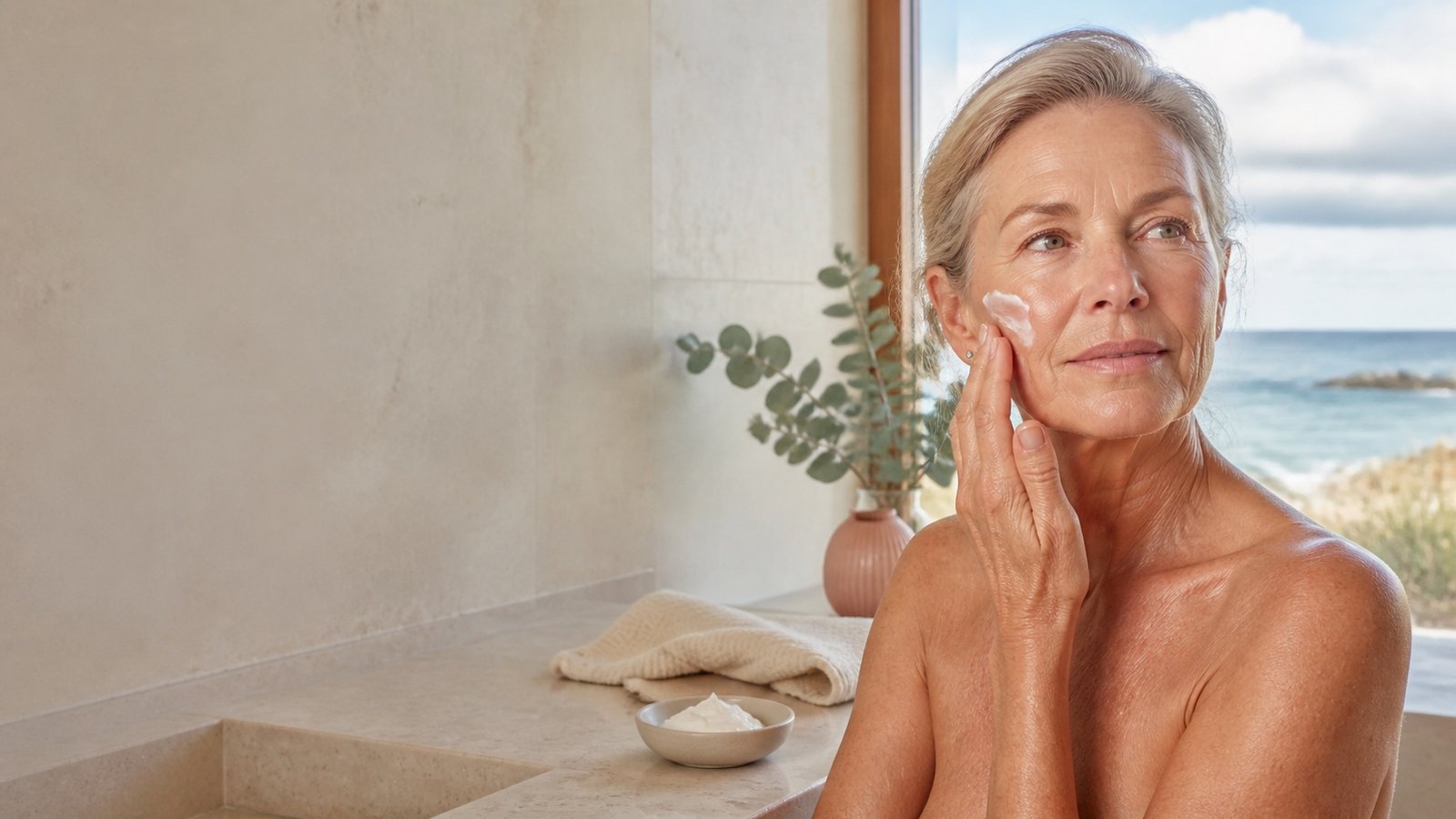
Adjust texture and frequency, not your whole shelf
Should mature skin change skincare with the seasons in Australia?
The short answer: Usually, yes, but the change can be small. Keep the same gentle cleansing, hydration, moisturising and daily sun-protection foundation, then adjust richness, frequency and layering as heat, humidity, wind, air conditioning and indoor heating change how your skin feels.
Australian weather can change how a familiar routine feels even when the products have not changed. Mature skin may feel tight in winter wind, heavy in summer humidity or dehydrated after air conditioning. The answer is usually to adjust texture, quantity and frequency around a stable core, not replace every product four times a year.
Why seasons affect mature skin
Temperature and humidity influence water loss from the skin surface and the way cosmetic layers behave. Cold or dry air can increase the tight feeling after cleansing. Indoor heating removes moisture from the air. In hot, humid conditions, rich creams and oils may feel heavier, while sunscreen, sweat and makeup add their own layers.
Australia does not have one uniform climate. Perth has hot, dry summers; the tropical north has intense humidity; southern cities can move through cool wind and heating; coastal regions bring salt, breeze and high ultraviolet exposure. A seasonal routine should respond to local conditions and daily exposure rather than a calendar date.
After 40, the skin may produce less oil and become more sensitive to those changes. Perimenopause and menopause can also contribute to dryness or altered sensitivity. The aim is not to “fight” the season but to keep cleansing gentle, hydration sufficient and the protective surface comfortable.
The foundation that should stay consistent
Keep four jobs stable: gentle cleansing, targeted hydration, moisturising and broad-spectrum sun protection. These are easier to evaluate when the basic products remain familiar. Introduce seasonal changes one at a time so you know whether a richer cream, a smaller serum amount or less frequent oil use solved the problem.
Sunscreen is not seasonal in Australia. Ultraviolet radiation can remain high outside summer and can reach the skin through cloud. Follow Cancer Council Australia’s sun-protection guidance and your sunscreen label throughout the year.
Do not assume winter means stronger exfoliation or summer means skipping moisturiser completely. Over-exfoliation can make dry winter skin more reactive, and hot-weather air conditioning can still leave skin dehydrated.
Summer: reduce weight, not protection
In heat and humidity, use fewer heavy layers under sunscreen. Cleanse gently to remove sweat, sunscreen and makeup without repeating harsh washing. A toning mist or lightweight hyaluronic serum can provide hydration, followed by a thin amount of moisturiser only where needed.
Reserve richer facial oil for evening or dry zones. If makeup separates, simplify the morning layers before changing the sunscreen amount. Let each layer settle and choose breathable textures.
Summer can include more swimming, salt water and air conditioning. Rinse after swimming, moisturise when the skin feels tight and reapply sunscreen as directed. A hot day does not make the skin immune to dryness.
Autumn: watch for the first signs of tightness
Autumn is the ideal time to make small adjustments. If cheeks begin to feel tight, increase moisturiser on those areas before adding a full-face oil. If a summer gel serum still feels comfortable, keep it. The best seasonal change is often a slightly richer evening finish rather than a completely new morning routine.
Use this transition to check product dates, clean application tools and confirm that sunscreen remains pleasant enough to use in the correct amount. Consistency is easier when texture suits the weather.
Winter: protect comfort and reduce unnecessary friction
Cool wind, low humidity and indoor heating can make mature skin feel rougher. Use lukewarm rather than hot water, shorten showers and avoid scrubbing flakes. Apply hydrating serum and moisturiser soon after cleansing so the skin does not sit tight and dry.
A richer night cream can be useful, followed by a small amount of nourishing facial oil on the driest areas. If the whole face feels greasy, zone the oil rather than abandoning winter support. Lips, hands and neck may also need more attention.
Keep sunscreen in the morning. Winter sun and reflected ultraviolet exposure still contribute to cumulative damage, particularly during outdoor exercise and travel.
Spring: simplify while monitoring sensitivity
As the air warms, reduce oil or rich cream gradually. Spring can also bring pollen, wind and increased outdoor time. If the skin becomes reactive, avoid introducing several brightening or exfoliating products at once. Return to the gentle core and identify whether the trigger is cosmetic, environmental or medical.
Spring is a useful time to move a richer moisturiser to evening and use a lighter amount in the morning. Continue daily sun protection before the hottest weather arrives.
A seasonal adjustment checklist
- Notice the symptom: tightness, heaviness, flaking, pilling or afternoon discomfort.
- Keep cleanser and sunscreen stable where possible.
- Change one variable: moisturiser amount, oil frequency or serum layers.
- Test for at least several days in ordinary weather.
- Use richer products at night before adding weight under sunscreen.
- Return to the simple core if irritation develops.
How Skin Suga can flex through the year
The Daily Essentials Ritual is the year-round foundation: Cream Cleanser, Toning Mist, Hyaluronic Acid Serum and Nourishing Moisturiser. The cleanser includes apricot kernel oil, milk thistle, oat and cucumber extracts. The mist uses aloe vera with goji berry and bilberry, while the serum supplies lightweight vegan hyaluronic acid hydration.
In warm weather, use smaller quantities and reserve Nourishing Moisturiser for the areas that need it before sunscreen. In cooler or drier weather, the Ultimate Hydration Ritual adds a nourishing facial oil for the evening. Glow Face Oil combines rosehip, sea buckthorn, sweet almond, jojoba, avocado, chia seed and vitamin E.
When winter evenings call for a richer finish, the Night Recovery Ritual includes Night Cream. If using the Vitamin A Oil within that ritual, introduce it according to directions rather than increasing frequency just because the weather is cool.
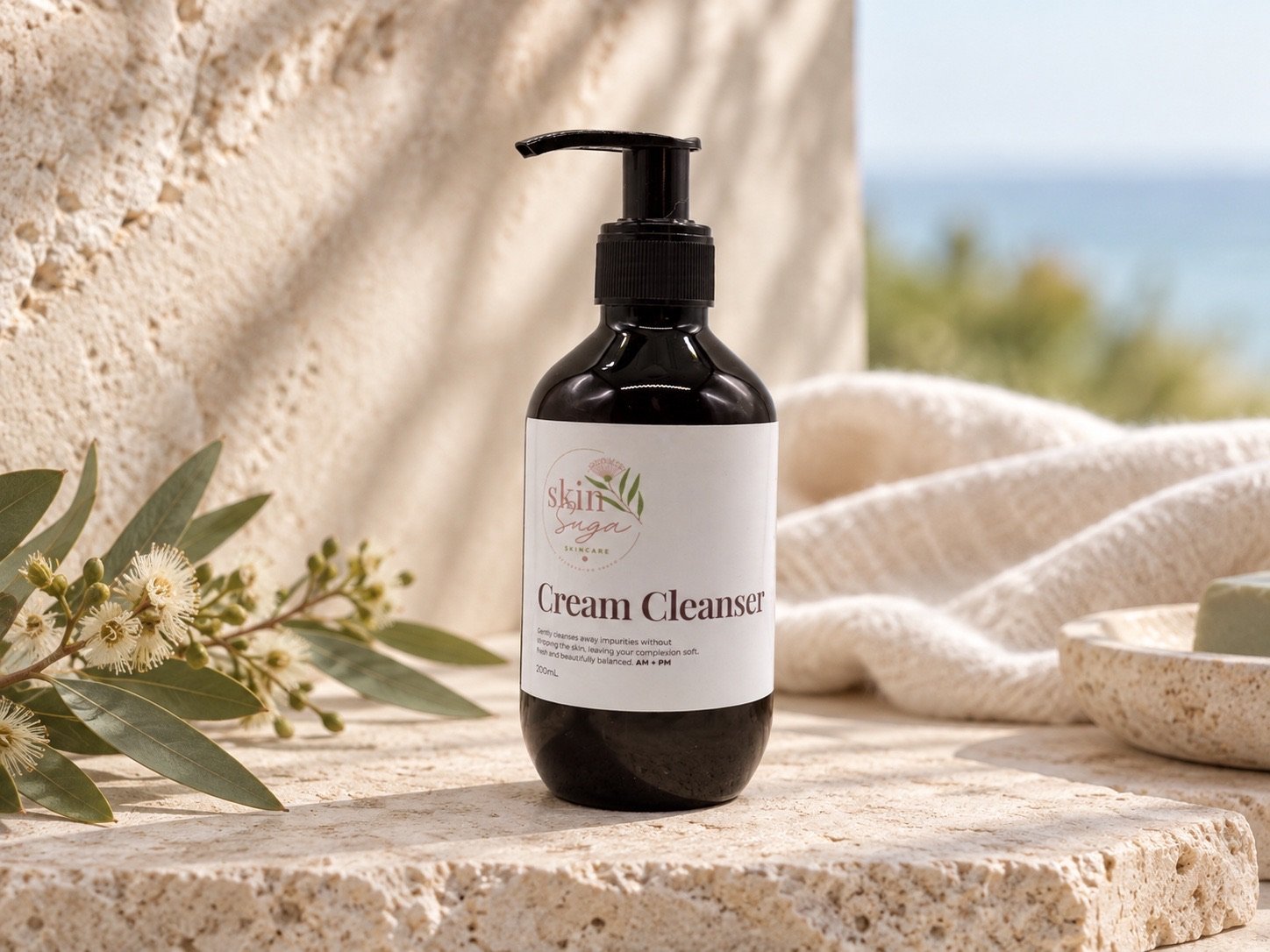
Cream Cleanser
A gentle cleansing base with apricot kernel oil, oat and cucumber extracts that can remain consistent while seasonal layers change.
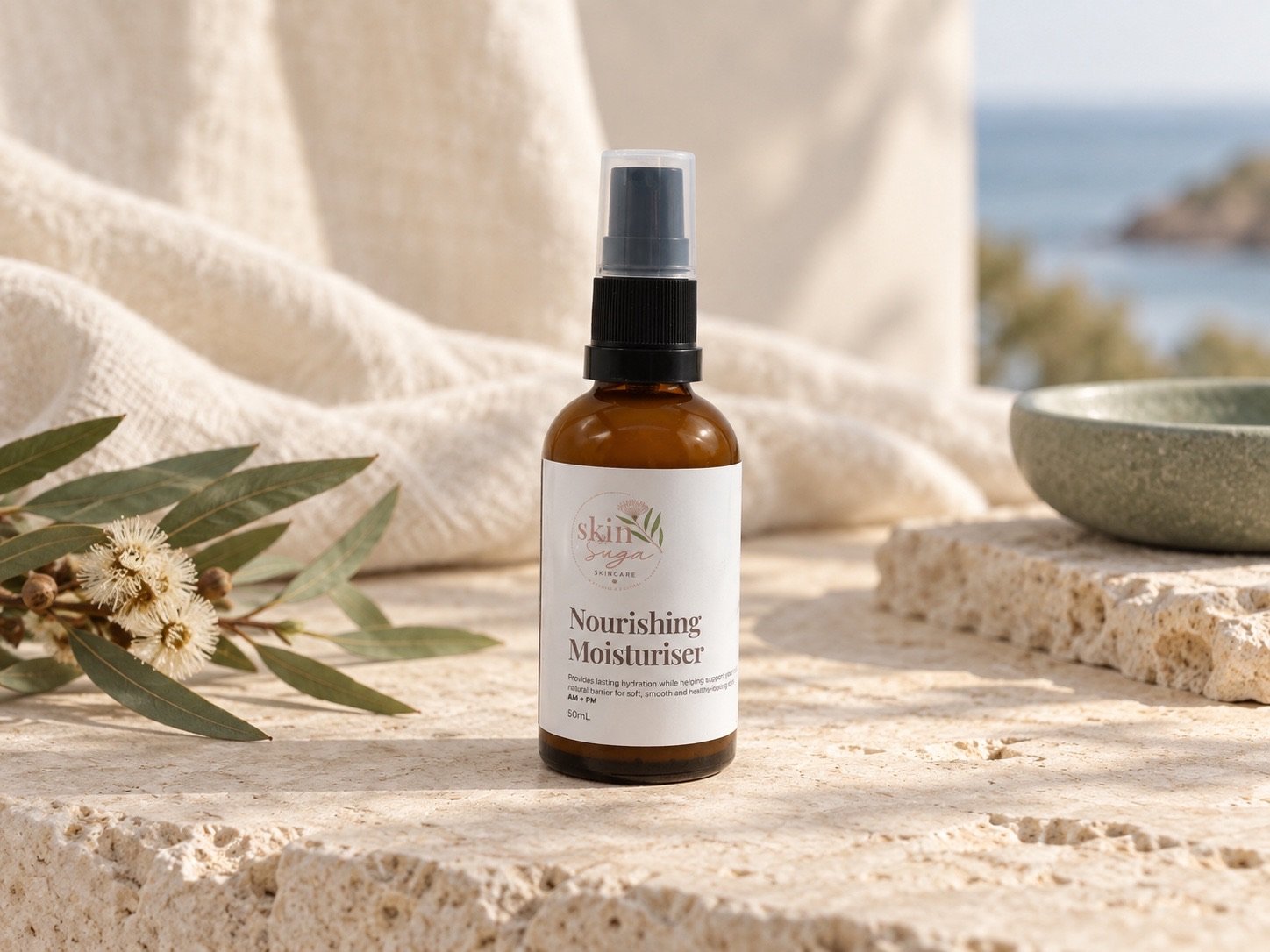
Nourishing Moisturiser
Use a lighter amount in warm humid weather and more on dry zones during cooler, lower-humidity periods.
Signs your routine needs adjustment
- Skin feels tight within an hour of cleansing.
- Foundation catches on new dry patches.
- Sunscreen pills over a routine that has become too rich.
- A facial oil that felt comfortable in winter becomes heavy in humidity.
- Air conditioning causes afternoon dryness despite hot outdoor weather.
- New stinging or persistent redness appears after adding seasonal actives.
Persistent symptoms, sudden rash or a changing lesion should be assessed by an appropriate health professional. Seasonal cosmetic changes should be gentle and reversible.
Frequently asked questions
Do I need a separate summer and winter cleanser?
Usually not. A gentle cream cleanser can work year-round. Change only if the formula clearly becomes too rich or does not remove your normal sunscreen and makeup comfortably.
Should I stop facial oil in summer?
Not automatically. Use fewer drops, apply only to dry zones or move it to evening. Stop if it feels heavy or contributes to congestion.
Is sunscreen necessary in winter?
Yes. Follow Australian sun-protection guidance and the daily UV conditions; ultraviolet exposure is not limited to summer.
How quickly should I change the routine?
Change one product amount or frequency at a time. Several days of ordinary use is usually enough to assess comfort and layering.
Keep the core, flex the finish
Use Daily Essentials as the year-round foundation, then add richer evening hydration only when the season and your skin ask for it.
Explore Daily Essentials RitualExplore Ultimate Hydration Ritual