Skincare guide · Facial hair removal
What skincare should you use before and after facial waxing after 40?
The short answer: Keep the area calm before waxing and simple afterward. Tell the waxing professional about vitamin A, exfoliating acids, recent peels and prescription medicines; pause only according to the product label and professional or clinician advice. After waxing, use cool water, a gentle cleanser and a familiar moisturiser. Avoid heat, friction, fragrance, strong actives and direct sun until the skin feels settled.
Facial waxing removes hair and also lifts cells from the outer skin surface. On mature skin, which may be drier or thinner-feeling, preparation matters more than adding a long list of aftercare products.
The main preventable problem is waxing skin that is already irritated or made more fragile by active ingredients, procedures or medicines. Vitamin A products, exfoliating acids, scrubs, peels and some prescription treatments can change how the surface responds. There is no single pause period that is safe for every strength, formula and person. Read the product directions, disclose everything to the waxing professional and ask the prescribing clinician before changing prescription treatment.
Do not wax over sunburn, broken skin, active rash, cold sores, infection, recent wounds or an unexplained sore. A reputable professional should assess the area and may recommend threading, trimming or postponing the service. Postponing is better than lifting skin.
Prepare the skin in the days beforehand
Keep your normal gentle cleansing and moisturising routine. Do not perform an at-home peel or scrub to make the wax “work better”. Exfoliation can reduce the protective outer layer that waxing will contact. If you use cosmetic vitamin A oil or an acid product, follow its label and the wax professional’s policy for stopping and restarting. If you use tretinoin, adapalene, isotretinoin or another prescription, contact the prescriber.
Patch testing a skincare product is useful, but it does not make wax itself risk-free. If you are new to facial waxing or have had skin lifting before, request a consultation and test area. Mention recent laser, microneedling, dermabrasion, injectable procedures or professional peels. The person waxing needs the full picture.
On the appointment day, arrive with clean skin and little or no makeup on the area. Avoid applying facial oil, a thick balm or a rich occlusive immediately beforehand because it can interfere with wax adhesion. Do not use numbing cream unless a qualified professional has directed it; it may mask warning sensations and is not part of routine cosmetic aftercare.
A gentle before-and-after waxing routine
- Review your actives early. Check labels and ask the wax professional or clinician about vitamin A, acids, peels and prescriptions before the appointment.
- Keep the barrier comfortable. Use gentle cleanser and moisturiser in the lead-up; do not scrub or deliberately dry the area.
- Arrive clean. Remove makeup and heavy oils from the area without harsh rubbing.
- Cool, do not shock. After waxing, use cool or lukewarm water and a clean cool compress if desired. Do not apply ice directly.
- Moisturise simply. Apply a thin layer of a familiar fragrance-free or low-fragrance moisturiser if it feels comfortable.
- Protect and pause. Avoid heat, friction, swimming, intense exercise, actives and direct sun until the area has settled; use SPF50 or SPF50+ when sun exposure cannot be avoided.
What normal post-wax skin can look like
Mild pinkness and small bumps around hair follicles can occur for a short time. They should progressively calm rather than become more painful or widespread. Touch the area as little as possible. Keep phones, hands, pillowcases and makeup tools clean.
A cool compress over intact skin can reduce the sensation of heat. Use a freshly washed cloth, cool water and light contact. Skip essential oils, perfume and alcohol-heavy toners. “Cooling” ingredients can still irritate freshly waxed skin, especially when heavily fragranced.
When to cleanse after facial waxing
If the professional has removed all wax and the skin is clean, you do not need to wash immediately. Later that day, use lukewarm water and a small amount of cream cleanser if sunscreen, makeup or residue needs removing. Massage with fingertips and pat dry. Do not use a cleansing brush, scrub or hot flannel.
Double cleansing is unnecessary unless a single gentle cleanse leaves visible makeup or water-resistant sunscreen. Even then, keep both passes brief. Freshly waxed skin should not feel squeaky, polished or tight.
Which skincare to pause afterward
Pause vitamin A, exfoliating acids, scrubs, peels and strong leave-on treatments until the skin is calm, intact and no longer red or tender, then restart according to label and professional advice. Do not use a strong active to treat the little red bumps that can appear immediately after waxing.
Vitamin C tolerance varies. A mild familiar formula may be comfortable once the skin has settled, but it is not essential on the same day. If it stings, rinse it off. Hyaluronic acid serum can be used when it feels comfortable, but moisturiser alone is enough for the first evening.
Prescription products are different from ordinary cosmetic products. Do not stop or restart them based solely on a generic article. Ask the prescribing doctor or pharmacist and tell the waxing professional exactly what you use.
Sun, heat and exercise after waxing
Freshly waxed skin can be more sensitive to heat, friction and ultraviolet exposure. Avoid direct sun, saunas, steam, hot showers and intense exercise while the area is still red or tender. If you must go outdoors, use shade, a broad-brim hat, sunglasses and a broad-spectrum SPF50 or SPF50+ sunscreen that does not sting.
Do not apply sunscreen to visibly broken or lifted skin without professional advice. If intact skin tolerates your sunscreen, pat it on gently rather than rubbing. Makeup can wait until the area has cooled and settled; applying it immediately may increase friction and make it harder to monitor the skin.
Waxing during perimenopause and menopause
Hormonal changes can alter facial hair patterns and skin comfort. You may notice coarser chin hairs at the same time the cheeks feel drier. This does not mean the whole face needs the same removal method. Waxing may suit the upper lip while threading or careful tweezing suits a few chin hairs.
Frequency matters. Re-waxing before the skin has fully recovered can create ongoing irritation. Work with an experienced professional who is comfortable adapting wax temperature, strip technique and method for mature skin. If new facial hair is sudden, marked or accompanied by other symptoms, discuss it with a health professional.
Signs that need advice
Skin lifting, raw patches, blistering, increasing pain, pus, spreading redness or swelling beyond the waxed area are not routine aftercare issues. Contact the service provider and seek medical advice. Call emergency services for facial swelling with breathing difficulty. Photographing the reaction in clear light can help a clinician understand how it developed.
Ritual first: Daily Essentials Ritual
The Daily Essentials Ritual gives mature skin a simple baseline before and after hair removal: Cream Cleanser, Hydrating Toning Mist, Hyaluronic Acid Serum and Nourishing Moisturiser. Immediately after waxing, use only the familiar steps that feel comfortable and keep mist away if the area stings.
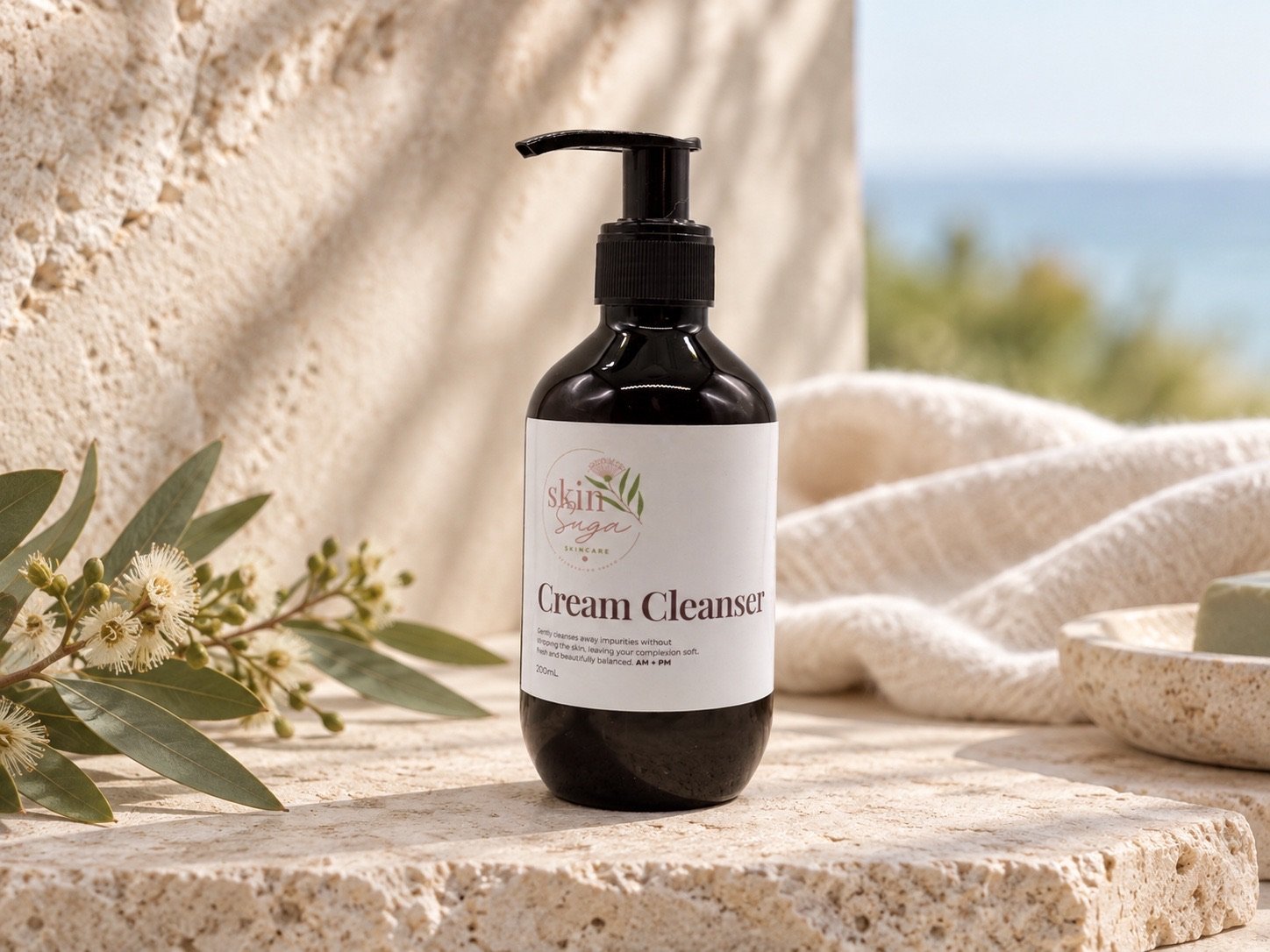
Cream Cleanser
A soft fingertip cleanse for removing makeup and sunscreen without a grainy scrub. Keep water lukewarm and contact brief around recently waxed skin.
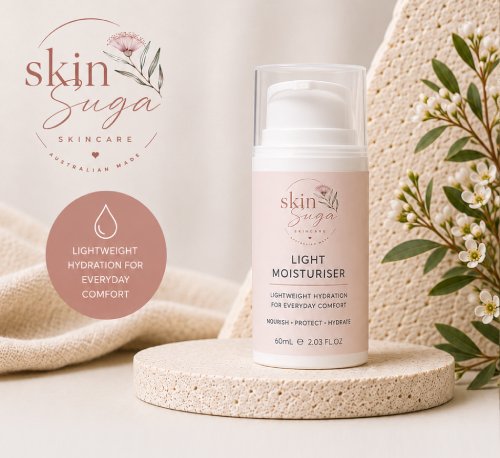
Light Moisturiser
A lighter comfort layer can suit intact skin after the initial heat has settled. Apply a thin amount and stop if the area burns or becomes more inflamed.
Give waxed skin a quiet evening
Return to the essentials and allow the area to settle before restarting optional actives.
Common questions
How long should I stop retinol before facial waxing?
There is no universal interval for every formula and strength. Follow the product label and the advice of your wax professional; ask the prescriber before changing prescription retinoids or isotretinoin.
Can I wax if I used an acid last night?
Tell the professional exactly what you used and let them decide whether to postpone. Waxing skin recently exposed to strong exfoliation can increase the risk of irritation or lifting.
Can I use facial oil after waxing?
Wait until the skin is cool and intact. A familiar oil may be comfortable later, but it is optional and should not be applied to raw, lifted or blistered skin.
Is threading gentler than waxing after 40?
It avoids wax and may suit some people, but it still creates friction and can irritate skin. The safest method depends on the area, your skin condition and the practitioner’s technique.
Sources
- Lemon + Honey Day Spa: Waxing before and after care
- European Wax Center: Waxing through peri- and post-menopause
- Aspire Med Spa: Facial pre- and post-care guidance
- American Academy of Dermatology: Testing skincare products
General cosmetic information only. Follow the directions of your waxing professional and clinician, especially for prescription retinoids, isotretinoin, recent procedures or skin reactions.