Skincare guide · Australian smoke events
What skincare should mature skin use after bushfire smoke exposure?
The short answer: Health and clean-air advice come first. Once you are safely indoors, wash your hands, change smoky clothing, gently cleanse exposed skin and hair, then apply a simple moisturiser. Do not scrub, “detox” or pile on strong actives. If you have breathing trouble, eye pain, burns or persistent skin symptoms, follow emergency and medical advice rather than relying on skincare.
Bushfire smoke is a health hazard, not a beauty concern. Skincare can remove residue and support comfort after exposure, but it cannot make smoke safe, treat smoke inhalation or replace public-health directions.
Smoke contains fine particles and gases that can irritate the eyes, airways and exposed skin. Healthdirect advises following local emergency information, reducing exposure and seeking care for concerning symptoms. People with asthma, heart or lung conditions, older adults, pregnant people and children may be at greater risk. If the air is smoky, your first task is to get to cleaner air and follow official advice.
For the skin, the sensible goal is removal without friction. Mature skin may already be drier and more reactive, so repeated washing, hot water or scrubs can turn a smoky day into several uncomfortable days. One gentle cleanse, a clean towel and a familiar moisturiser are usually more useful than a complicated “pollution detox” routine.
What to do as soon as you are safely inside
Wash your hands before touching your face. Remove outer clothing and keep smoky items away from clean bedding and soft furnishings until they can be washed. Shower with comfortably warm water and rinse the hair if it smells smoky or has been exposed to ash. Avoid shaking contaminated clothing, which can release particles back into the air.
If ash is present, follow official clean-up guidance. The Victorian Better Health Channel recommends protective precautions during bushfire clean-up, including suitable masks and care around contaminated dust. Do not use a cosmetic face mask as respiratory protection. P2 or N95-style masks need to be appropriate, fitted and used according to public-health advice.
For the face, use a gentle cream cleanser with fingertips. Massage briefly and rinse thoroughly. A second cleanse is only useful when the first did not remove sunscreen or makeup; it is not automatically required because the air was smoky. Do not use a cleansing brush, grainy scrub or hot flannel.
A post-smoke comfort routine
- Follow health advice first. Move to cleaner air, monitor official alerts and seek medical help for breathing difficulty, chest pain, severe eye symptoms or burns.
- Prevent transfer. Wash hands, change exposed clothing and keep smoky items away from clean pillows and towels.
- Rinse body and hair. Use comfortably warm water and avoid vigorous scrubbing of ash or irritated skin.
- Cleanse the face gently. Use Cream Cleanser with fingertips, then rinse well. Double cleanse only when sunscreen or makeup remains.
- Restore comfort. Apply Hyaluronic Acid Serum to slightly damp skin if it does not sting, then use a familiar moisturiser.
- Pause optional actives. Leave scrubs, peels, vitamin A and strong acids aside until the skin feels normal again.
Why “detox” claims are unhelpful
Skin does not need to be aggressively purged after smoke exposure. Scrubs, clay masks and strong acids cannot reverse inhaled exposure and may worsen surface irritation. Cleanser removes what is on the skin; your respiratory system and overall health are separate matters that require clean air and medical guidance when symptoms occur.
Antioxidant ingredients can be part of a normal cosmetic routine, but they are not an antidote to bushfire smoke. Do not use vitamin C, vitamin A or exfoliation as emergency treatment. If your familiar antioxidant serum applies comfortably after cleansing, it can return later; during active stinging or redness, simpler is better.
What if the eyes feel gritty?
Do not apply skincare close to irritated eyes. Rinse with clean water or use an eye-wash product only as directed. Remove contact lenses if advised and avoid rubbing. Persistent pain, visual changes, marked redness or discharge needs medical advice. Eye cream cannot treat smoke-related eye irritation.
Sunscreen remains important once conditions are safe enough to go outdoors, but do not mistake sunscreen or makeup for a barrier against smoke. Apply broad-spectrum SPF50 or SPF50+ to clean, comfortable skin and use protective clothing, shade, a hat and sunglasses. If emergency authorities advise staying indoors, follow that direction.
If the skin is red, itchy or stinging
Use fewer products. Rinse thoroughly, pat dry and apply a plain familiar moisturiser. Stop fragrance, exfoliation and optional actives. A cool compress over closed eyes or intact skin may feel comfortable, but do not apply ice directly. Avoid essential oils, which can add irritation and fragrance without addressing the cause.
Seek advice for persistent or spreading rash, swelling, blistering, weeping, significant pain or skin that may have been burned. Chemical contamination, fire retardant, ash from damaged structures and ordinary wood smoke are not interchangeable exposures. Follow local emergency and health guidance for the event.
Cleaning the evening routine without over-cleansing
If you wore makeup or water-resistant sunscreen, one gentle first cleanse may not remove everything. Apply Cream Cleanser, rinse, then assess. Repeat briefly only if residue remains. The second pass should still be gentle. A squeaky finish is not the goal.
Apply moisturiser while the skin retains a little water. If Hyaluronic Acid Serum normally suits you, use a thin layer first. If any leave-on product stings, rinse it off and simplify. Skin that feels normal the next day can return gradually to its usual routine.
Preparing for future smoky days
Keep a small clean-air kit with your usual gentle cleanser, moisturiser, prescribed medicines, spare contact-lens supplies if relevant and official respiratory protection. Store it away from heat. Follow state emergency services and air-quality information rather than social-media skincare claims.
Wash pillowcases, towels and clothing after significant smoke exposure. Clean product containers that were left in dusty areas before using them. Discard any open cosmetic product visibly contaminated by ash or heat damage. When in doubt, do not apply it to the face.
Ritual first: Daily Essentials Ritual
The Daily Essentials Ritual fits the post-smoke goal because it keeps the sequence basic: gentle cleansing, optional mist, water-based hydration and moisturiser. Use only the steps that feel comfortable. This is a cosmetic comfort routine, not a treatment for smoke exposure.
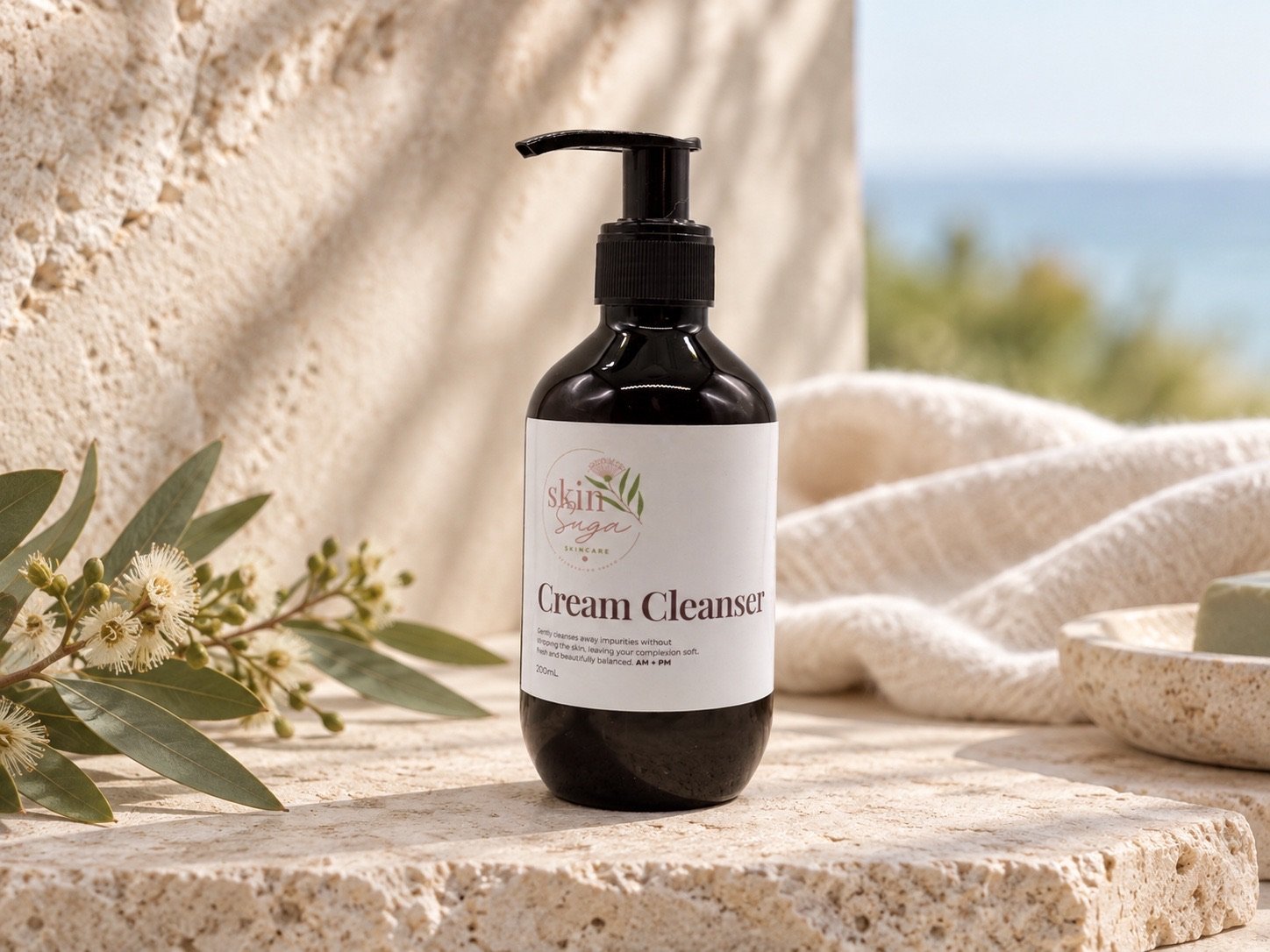
Cream Cleanser
Apricot Kernel Oil, Oat Extract, Milk Thistle, Elderflower and Cucumber Extract support a soft fingertip cleanse without a grainy scrub.
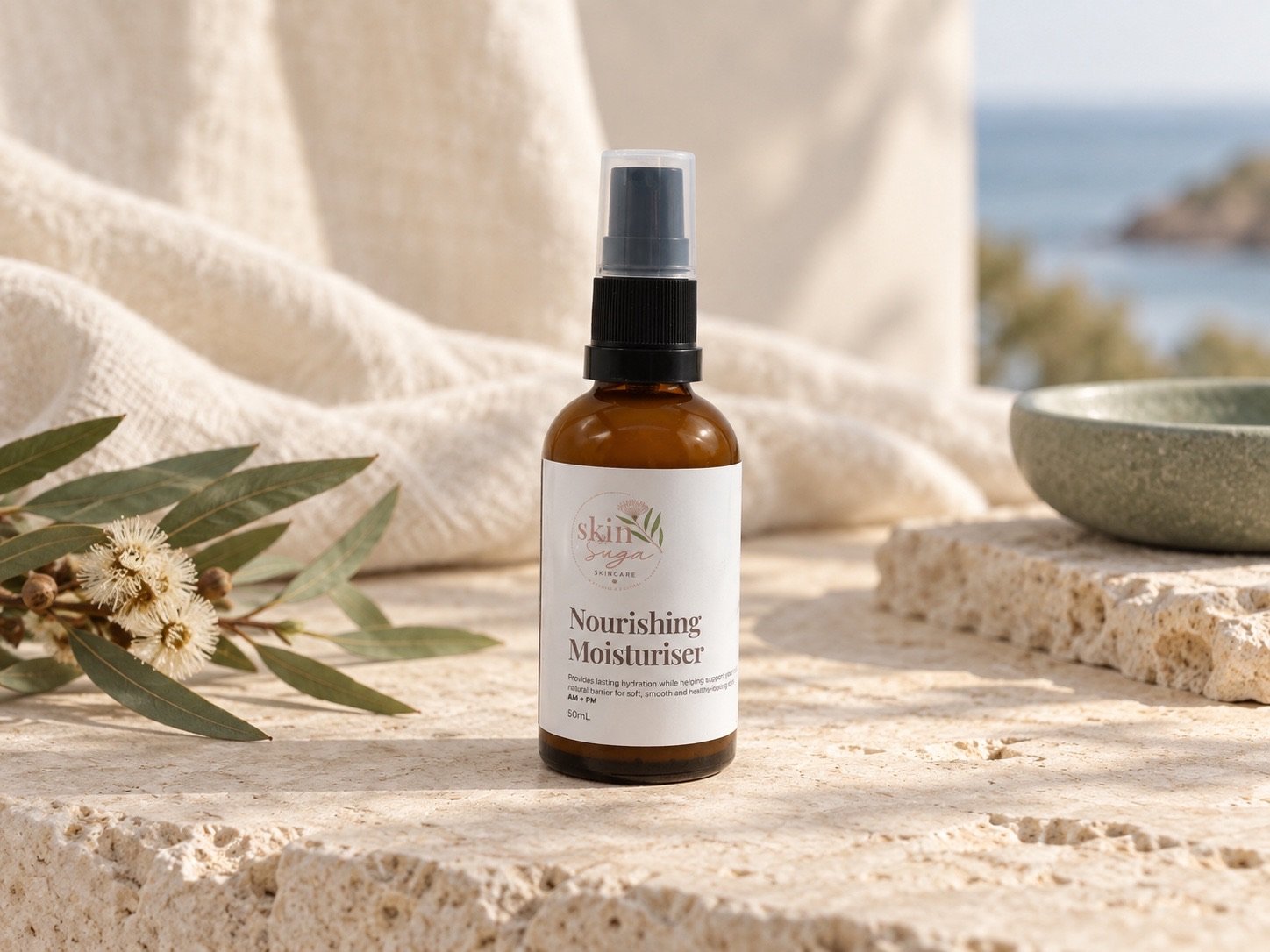
Nourishing Moisturiser
A familiar moisturising layer can restore comfort after cleansing. Apply a modest amount and stop if the skin stings or becomes more inflamed.
Return to simple, familiar care
Once you are safe and clean, use a gentle cleanse and moisturiser. Leave intensive treatments for another day.
Common questions
Do I need to double cleanse after bushfire smoke?
Only if sunscreen, makeup or residue remains after the first gentle cleanse. Smoke exposure alone does not require aggressive double cleansing.
Can vitamin C neutralise smoke on my skin?
No. Antioxidant skincare may be part of a normal cosmetic routine, but it does not make smoke exposure safe or treat inhalation. Cleanse gently and follow health advice.
Should I exfoliate ash away?
No. Rinse and cleanse gently. Scrubbing can push particles across the skin and increase irritation. Follow official clean-up advice for significant ash contamination.
When can I restart vitamin A?
Wait until the skin is comfortable, intact and no longer red or stinging, then return gradually to your usual cosmetic routine. Follow clinician advice for prescription products.
Sources
- Healthdirect Australia: Bushfires and your health
- Australian Department of Health: Bushfire smoke fact sheet
- Better Health Channel: Bushfire aftermath safety
- American Academy of Dermatology: Face washing 101
Skincare cannot treat smoke inhalation, burns or serious eye irritation. Follow emergency advice and seek medical help for concerning symptoms.