

Ingredient guide · Mature skin
Can you use vitamin C and vitamin A in the same skincare routine after 40?
The short answer: Yes. Most mature skin can use vitamin C and vitamin A as part of the same overall routine, but the simplest approach is to separate them: vitamin C in the morning and Skin Suga Vitamin A Oil in the evening. Introduce vitamin A gradually, moisturise well, and use broad-spectrum SPF50 or SPF50+ every morning. You do not need to layer both actives in one application to benefit from them.
Vitamin C and vitamin A are often discussed as if one must win. In practice, they do different cosmetic jobs and can sit comfortably in the same weekly plan. The useful question is not whether the ingredients are universally “compatible”; it is whether your skin can tolerate the total routine without persistent dryness, stinging or redness.
Vitamin C is an antioxidant used in morning formulas to support a brighter, more even-looking complexion. Vitamin A is a family of ingredients used in evening care to support smoother-looking texture and the appearance of fine lines. Skin Suga Vitamin A Oil uses retinyl palmitate, a cosmetic vitamin A derivative, in a nourishing oil base. It is not the same product as prescription tretinoin, and stronger is not automatically better for dry or mature skin.
After 40, skin may hold less water and produce less surface oil. That can make an ambitious active routine feel less comfortable than it did years earlier. Separating vitamin C and vitamin A across morning and evening lowers the number of treatment layers at one time and makes it easier to see which product your skin enjoys. It also creates a clear rhythm: antioxidant care and sun protection by day, gradual renewal and replenishment by night.
The easiest morning and evening plan
Morning: radiance and protection
- Cleanse lightly. Use Cream Cleanser, or rinse with lukewarm water if your skin is comfortable and clean from the night before.
- Apply vitamin C. Smooth a small amount of Vitamin C Serum over dry or lightly damp skin, avoiding the immediate eye area.
- Moisturise. Follow with Nourishing Moisturiser if your skin needs a comfort layer.
- Protect. Finish with a separate broad-spectrum SPF50 or SPF50+ sunscreen. Follow its label and reapply as directed.
Evening: gradual vitamin A
- Cleanse thoroughly. Remove sunscreen, makeup and the day without scrubbing.
- Let skin settle. Apply Vitamin A Oil to clean, dry skin. If you are new to vitamin A, begin two evenings a week.
- Seal in comfort. Follow with Night Cream or your familiar moisturiser, using less if the oil already feels rich.
Do they have to be used at different times?
Not always. Some well-designed products combine antioxidant and vitamin A technologies, and experienced users may tolerate separate vitamin C and vitamin A products in one evening. That does not make simultaneous layering necessary. For a woman building a routine at home, morning and evening separation is easier to repeat and easier to troubleshoot.
The old claim that vitamin C and vitamin A “cancel each other out” is too broad. Formulation, concentration, pH, delivery system and the rest of the routine all matter. The practical concern is irritation from doing too much, especially if exfoliating acids, scrubs or strong cleansers are also present. A routine that leaves skin calm enough to continue is more useful than a technically impressive routine that has to be abandoned.
How to introduce vitamin A after 40
Start on two non-consecutive evenings for the first fortnight. If skin remains comfortable, move to every second evening. Only consider nightly use if the product directions allow it and your skin is consistently settled. A small amount spread evenly is preferable to a heavy application. More oil does not accelerate visible change; it may simply make the routine greasy or increase the chance of discomfort.
If you experience ongoing burning, marked redness, swelling, cracking or an itchy rash, stop the new product and seek advice from a pharmacist, GP or dermatologist. Temporary mild dryness can happen with vitamin A products, but discomfort should not be treated as proof that a product is working. Skin that is already inflamed, sunburnt, freshly waxed or recovering from a procedure needs a simpler routine.
What about sensitive or very dry skin?
Introduce one active at a time. Use vitamin C alone for two to three weeks before adding Vitamin A Oil, or vice versa. Keep cleanser, moisturiser and sunscreen unchanged during the trial. This gives you a clean comparison and prevents several new products from competing for blame if something stings.
A moisturiser “sandwich” can make an evening vitamin A routine feel gentler: apply a light moisturiser, allow it to settle, use a small amount of Vitamin A Oil, then add more moisturiser only where needed. This may reduce intensity, which is often a reasonable trade-off for comfort and consistency. Avoid eyelids, corners of the nose and lips unless the product label specifically permits those areas.
Ritual first: Radiance & Glow by day, Night Recovery after dark
The Radiance & Glow Ritual gives vitamin C a supportive morning setting with gentle cleansing, moisturiser and nourishing oil. The Night Recovery Ritual places Vitamin A Oil inside an evening sequence with Cream Cleanser, Night Cream and Eye Cream. You do not need to use every oil every time; let comfort and the product directions decide the finishing step.
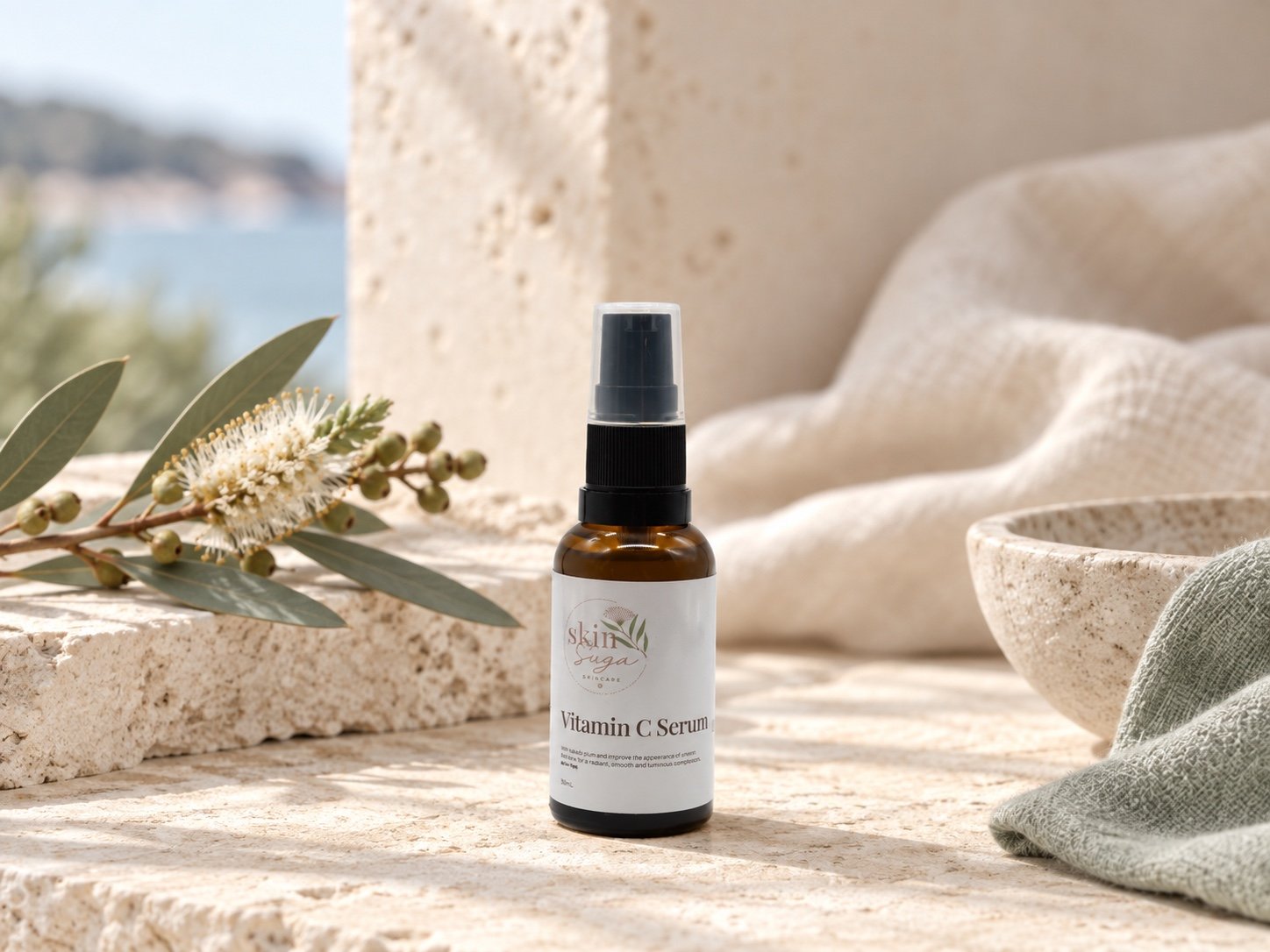
Vitamin C Serum
Triple vitamin C technology with Kakadu Plum, Rosehip, Mountain Pepper Berry and Aloe supports a brighter, fresher-looking morning complexion.
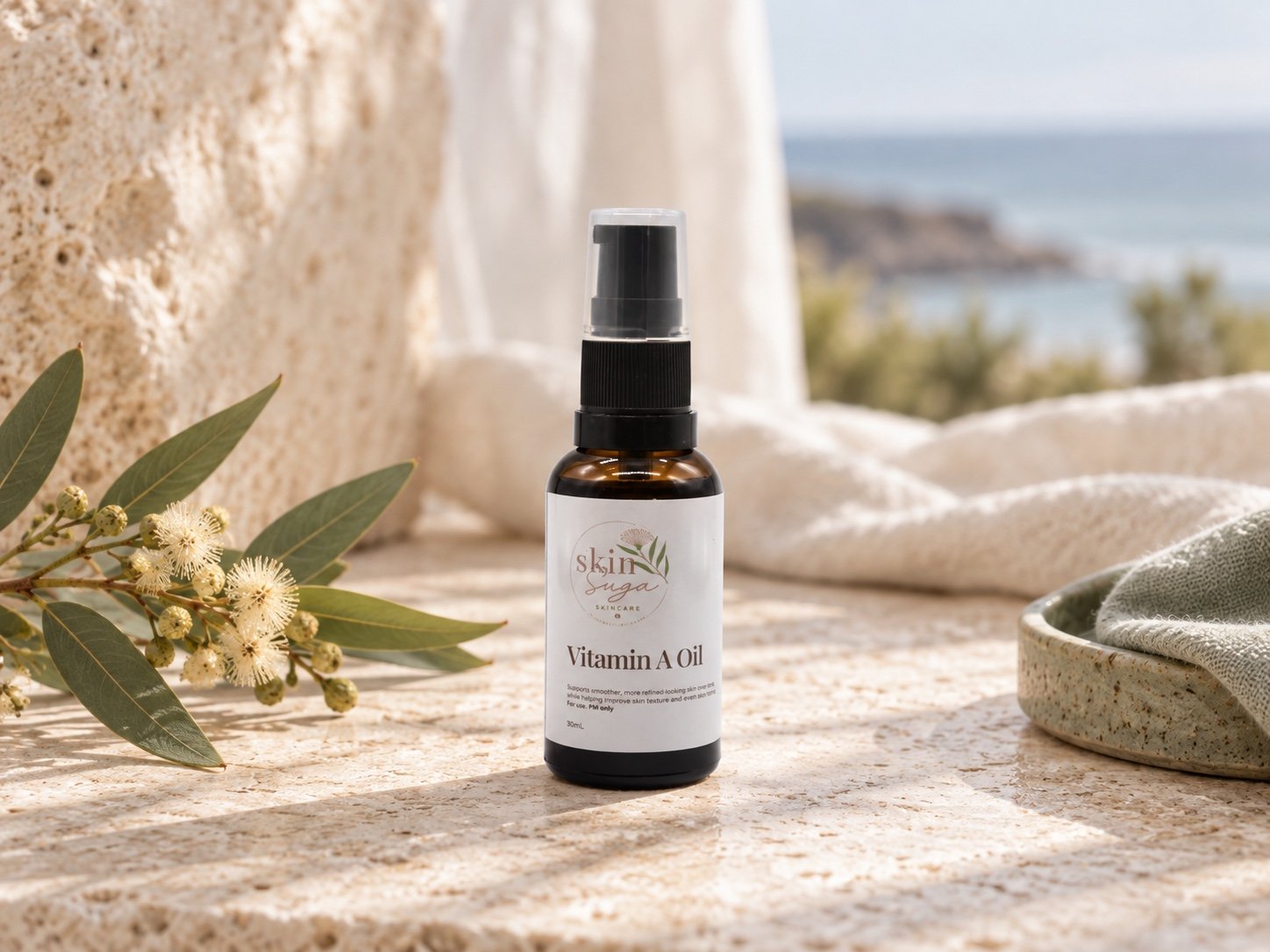
Vitamin A Oil
Retinyl palmitate with Rosehip, Sea Buckthorn, Avocado, Jojoba and Vitamin E for gradual evening use.
Build a calm day-and-night rhythm
Use the brightening ritual in the morning and introduce the night ritual gradually rather than crowding both actives into one application.
Common questions
Can I alternate vitamin C and vitamin A at night?
Yes. Alternating nights is a sensible option if mornings are rushed or your sunscreen layers better without serum. Keep sunscreen in the morning and introduce only one schedule change at a time.
Should I stop vitamin C when I start vitamin A?
Not automatically. If skin becomes dry or reactive, simplify temporarily and restart one product at a lower frequency. Persistent irritation needs professional advice.
Can I use acids as well?
Possibly, but avoid introducing an exfoliating acid at the same time as vitamin A. Too many active steps can make mature skin feel tight and reactive. A dermatologist can help if you use prescription treatments.
Is vitamin A suitable during pregnancy?
Skin Suga advises that Vitamin A products are not recommended during pregnancy or breastfeeding. Follow the label and ask your health professional for individual advice.
Sources
- DermNet: Topical vitamin C
- DermNet: Topical retinoids
- American Academy of Dermatology: Retinoid or retinol?
- Cancer Council Australia: Sunscreen advice
General cosmetic skincare information only. Follow product directions and seek professional advice for persistent irritation or prescription treatments.