

Clean, never stripped
How should I remove water-resistant sunscreen from mature skin?
The short answer: Use lukewarm water and a gentle cleanser, massage with fingertips long enough to loosen the sunscreen, rinse thoroughly and repeat only if residue remains. Water-resistant sunscreen is designed to stay on during swimming or sweating, so removal may take more care, but scrubbing, hot water and harsh soap can leave mature skin tight and irritated.
A good Australian sunscreen should stay put through heat, movement and ordinary contact. That durability is useful outdoors, but it can leave a noticeable film at night. If the face still feels coated after a quick splash, the solution is better cleansing technique, not more force.
Cancer Council Australia explains that water resistance refers to sunscreen remaining on skin during swimming or exercise when it is not wiped away. Real-life wear also includes sweat, sand, towels, makeup, sebum and repeated application. By evening, the layer on your face may be a mixture of all of them.
Why mature skin needs a gentler removal method
Mature skin can be drier and less tolerant of repeated washing. Hot water, soap, cleansing brushes and grainy scrubs may remove the film, but they can also remove too much surface oil and increase tightness. A squeaky sensation is not evidence of a superior cleanse. Comfortable, residue-free skin is the goal.
The eye area, sides of the nose and hairline are easy to miss. Rubbing those areas with a towel can create redness without fully lifting sunscreen. Use clean fingertips to control pressure and rinse deliberately.
A reliable one-cleanse method
- Wash your hands first.
- Wet the face with lukewarm water.
- Spread a suitable amount of gentle cleanser between damp fingertips.
- Massage across the forehead, cheeks, nose, jaw and hairline using light circular movements.
- Take extra care around sunscreen-heavy areas without pulling the skin.
- Rinse completely with lukewarm water.
- Pat dry with a clean soft towel and assess the feel of the skin.
If the face feels clean and comfortable, stop. If it still feels waxy, tinted or coated, repeat a short second cleanse with the same gentle product. Double cleansing is a response to residue, not a compulsory rule for every night.
After a beach, swim or outdoor day
- Rinse salt, sand or pool water from the body and face as soon as practical.
- Use a gentle facial cleanser with fingertips, not a body soap.
- Repeat briefly only where sunscreen or makeup remains.
- Apply a light hydrating step if the skin feels comfortable.
- Follow with moisturiser while the skin is still receptive.
- Keep exfoliating acids and vitamin A out of the routine if the face feels sun-stressed or irritated.
Do you need an oil cleanser first?
Not always. Oil-based cleansers can help dissolve long-wear makeup and some sunscreen films, but the best method is the one your skin tolerates and that rinses clean. Skin Suga’s Cream Cleanser can be massaged carefully and repeated when needed. If you use a separate oil cleanser, follow its directions and make sure it does not leave a film that irritates your eyes or interferes with the next step.
A cleansing balm is also optional. Avoid assuming that a richer texture is automatically gentler; fragrance, surfactants and the amount of rubbing still matter. Patch test new products and add only one change at a time.
How do you know sunscreen is removed?
The skin should no longer feel unusually slippery, waxy or tinted, and a clean damp cloth pressed very lightly at the hairline should not pick up obvious makeup or colour. Do not keep washing until skin feels tight. Some moisturising sunscreens leave the face soft even when the protective film has been removed.
If sunscreen regularly feels impossible to remove, check whether you are combining it with a primer, foundation or several silicone-rich layers. Simplifying the daytime routine may make evening cleansing easier without compromising protection.
Which Skin Suga ritual fits?
The Daily Essentials Ritual is the ritual-first fit for a dependable evening reset. Cream Cleanser handles the removal step, Anti-Ageing Toner provides a light follow-up layer and Nourishing Moisturiser restores comfort. On very dry days, the Ultimate Hydration Ritual adds Hyaluronic Acid Serum and Nourishing Facial Oil.
Cream Cleanser contains apricot kernel oil alongside oat, milk thistle, elderflower and cucumber extracts. Its role is to loosen daily residue without turning cleansing into abrasion. Anti-Ageing Toner includes aloe vera, cucumber and botanical extracts; use it as a light hydration step, not as an astringent test of whether the face is clean.
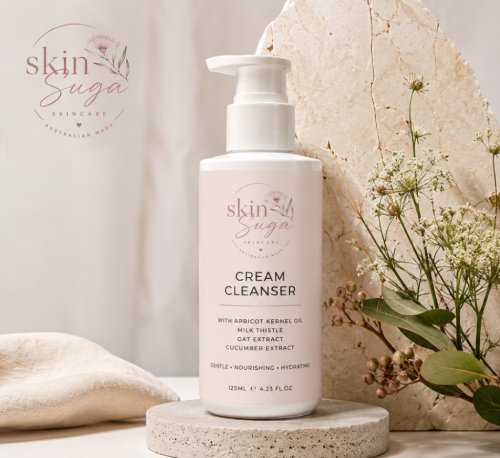
Cream Cleanser
Massage with fingertips and repeat briefly only when a water-resistant film remains.
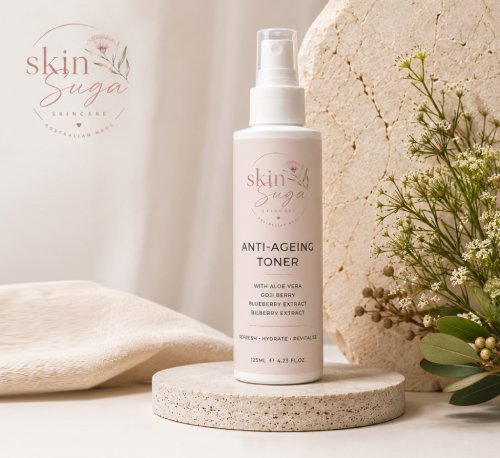
Anti-Ageing Toner
Follow cleansing with a light, comfortable botanical hydration step.
Make sunscreen removal part of the ritual
Daily Essentials gives cleansing, hydration and moisturising a clear evening sequence.
Explore Daily EssentialsView Cream CleanserCommon mistakes to avoid
Using very hot water
Heat can increase the dry, irritated feel. Lukewarm water is enough when cleanser and massage time are doing the work.
Scrubbing with a face washer
A soft cloth can assist removal when used lightly, but repeated rubbing is not necessary. Fingertips give better control.
Using body soap on the face
Body cleansers may be more stripping than a facial formula. Keep a dedicated gentle facial cleanser available after swimming.
Exfoliating every sunscreen night
Sunscreen residue is not dead skin. Exfoliation should have its own measured purpose and frequency, not be used as a removal tool.
Take special care around eyes and the hairline
Sunscreen can collect beside the nose, at the temples and along the hairline. Close the eyes and use very light fingertip movements, following the cleanser directions. Do not rub sunscreen into the eyes or use a strong facial cleanser as an eye-makeup remover unless the label specifically permits it. If the eyes sting, rinse with clean water and seek advice if symptoms continue.
At the hairline, separate small sections of hair and rinse cleanser completely. Residue from hair styling products can be mistaken for sunscreen, and vigorous towel rubbing can make the area red. Clean the neck and ears as well, because these are important sunscreen areas that are often missed at both application and removal.
Different sunscreen textures may remove differently
A tinted mineral sunscreen, a rich cream, a sport formula and makeup containing SPF may not behave the same way. Judge the evening method by visible residue and skin comfort. Change only the cleanser technique first; if removal remains difficult, consider whether another compliant sunscreen texture is easier to use consistently. Protection, correct application and reapplication remain the priority.
Protect tomorrow’s sunscreen performance
Evening removal matters because a comfortable barrier makes the next morning easier. If cleansing causes tightness, people often compensate with thick layers that may pill beneath sunscreen. A gentler night routine can help the daytime layers sit more predictably.
In the morning, apply sunscreen to clean, dry skin after skincare has settled. Cancer Council recommends broad-spectrum, water-resistant SPF50 or SPF50+, applied generously and reapplied every two hours outdoors and after swimming, sweating or towel-drying. Follow the exact product label.
Frequently asked questions
Must I double cleanse every night?
No. Repeat cleansing only when sunscreen, makeup or residue remains. One thorough gentle cleanse may be enough.
Can micellar water remove water-resistant sunscreen?
It may help, depending on the formula, but follow its directions and rinse if required. Avoid repeated rubbing with dry cotton pads.
Should I cleanse immediately after swimming?
Rinse promptly and cleanse when sunscreen, salt, chlorine or makeup needs removal. Reapply sunscreen before further outdoor exposure.
Continue with double cleansing after 40, post-swim skincare and why skin feels tight after washing.
Sources and further reading
- Cancer Council Australia: sunscreen basics
- American Academy of Dermatology: gentle facial cleansing
- American Academy of Dermatology: gentle cleansing for reactive skin
General cosmetic education only; not medical advice.