A calmer routine through change
Why is my skin suddenly drier during menopause?
The short answer: Hormonal changes around perimenopause and menopause can reduce oil, hydration and resilience, so a routine that worked for years may begin to feel insufficient or irritating. Use a gentler cleanser, layer water-based hydration beneath moisturiser, introduce active products slowly and keep broad-spectrum sunscreen consistent. Sudden or severe symptoms still deserve professional assessment.
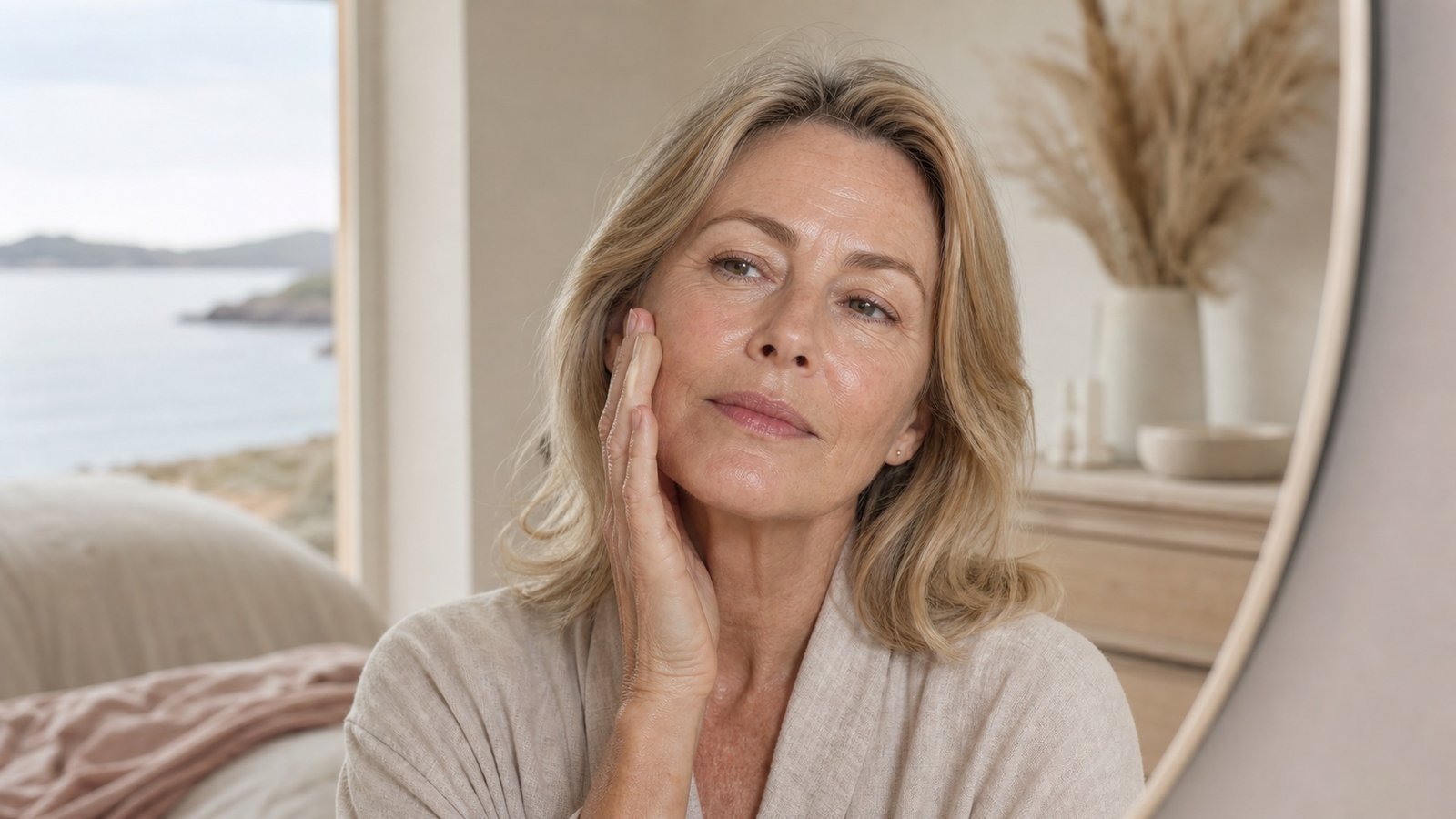
When familiar skin suddenly feels tight, rough or less tolerant, it is easy to assume a product has stopped working. Menopause can change the conditions in which that product operates. Lower oil production, a changing barrier and environmental stress may make the face feel drier even when the routine has not changed.
This is not a reason to buy every product labelled “menopause”. It is a reason to reassess cleanser strength, hydration, treatment frequency and climate. A steady routine can improve comfort without pretending cosmetics can replace medical care or hormone advice.
What may change during menopause
Dermatology guidance recognises that skin can become drier, thinner-feeling and more easily irritated around menopause. Some women also notice breakouts, increased sensitivity, facial hair or slower recovery from irritation. Experiences vary widely, and not every change is hormonal.
Hot flushes, sleep disruption, air conditioning and changes in medication can affect how skin feels. It is useful to review the whole context rather than responding only with a heavier cream.
Start by reducing avoidable moisture loss
Use warm, not hot, water
Long hot showers can remove surface oils and increase tightness. Keep facial cleansing brief and lukewarm.
Choose a gentle cleanser
A cleanser should remove sunscreen and makeup without leaving the face squeaky. Morning cleansing may be unnecessary for very dry skin; a water rinse can be enough.
Moisturise promptly
Apply hydration and moisturiser before skin has fully dried after cleansing. This reduces the uncomfortable gap in which water evaporates from an unprotected surface.
Review active frequency
Vitamin A, acids and strong treatments may need slower introduction or fewer nights. Persistent burning is a stop signal, not evidence of better results.
A practical menopause routine
Morning
- Rinse or cleanse gently.
- Apply hydrating toner or hyaluronic acid.
- Use moisturiser according to dryness and weather.
- Finish with broad-spectrum sunscreen and other sun protection.
Evening
- Remove sunscreen and makeup with a cream cleanser.
- Use one targeted serum, not several new actives.
- Apply nourishing moisturiser.
- Add facial oil to dry areas when extra comfort is useful.
Humectants, emollients and oils have different jobs
Hyaluronic acid is a humectant that supports water-binding at the surface. Moisturisers combine ingredients that soften and help reduce the dry feel. Facial oils add emollient richness but do not replace water-based hydration for everyone. Layering a small amount in the right order is often more comfortable than relying on one very heavy product.
Weather matters. A Perth summer may call for lighter moisturiser beneath sunscreen, while winter and air conditioning may justify a fuller evening layer. Adjust amount before replacing the entire routine.
Which Skin Suga ritual fits menopause-related dryness?
The Ultimate Hydration Ritual is the strongest ritual-first starting point for dryness: Cream Cleanser, Anti-Ageing Toner, Hyaluronic Acid Serum, Nourishing Moisturiser and Nourishing Facial Oil. The products cover cleansing, water-based hydration and oil-based comfort without requiring a complicated active schedule.
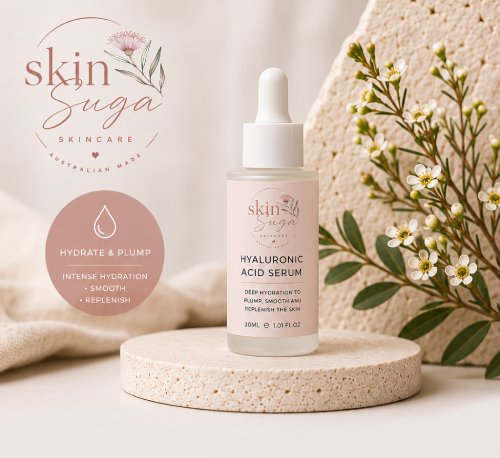
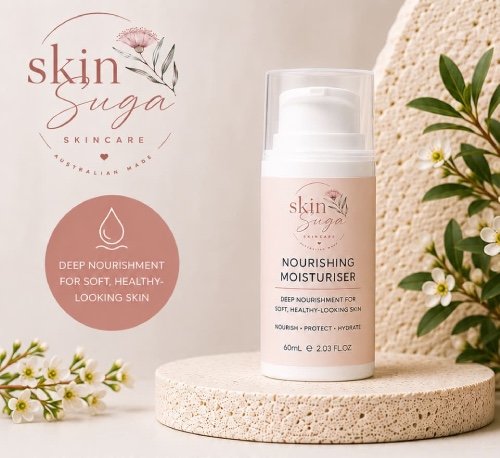
The Hyaluronic Acid Serum provides focused hydration. Nourishing Moisturiser includes jojoba oil, shea butter, green tea, mangosteen, acai and avocado oils. If the main goal later shifts toward a structured age-support routine, introduce the Age Defy Ritual only after the skin is comfortable and patch test vitamin A products carefully.
Hydration first
A lightweight water-binding step for skin that feels tight or flat.
Comfort second
Jojoba, shea butter and botanical oils support a softer surface feel.
Build a calmer hydration routine
Use Ultimate Hydration as the complete ritual, then adjust amounts by season and comfort.
Explore Ultimate HydrationView Nourishing MoisturiserIntroduce change one product at a time
Keep a basic cleanser, moisturiser and sunscreen stable for at least a week. Add one hydrating serum and observe comfort. If the skin remains settled, consider one optional active. This sequence makes reactions easier to identify.
Patch testing is especially valuable when the skin has become reactive. A product used safely years ago can still be unsuitable now, and “natural” does not mean reaction-proof.
Build around symptoms, not age labels
Two women at the same stage of menopause may need very different textures. One may feel tight everywhere; another may have dry cheeks with an oily T-zone. Use more moisturiser where it is needed and less where sunscreen already provides enough comfort. Avoid treating the whole face as uniformly dry when it is not.
Keep a short weekly note of tightness, flaking, stinging and product tolerance. Hormonal symptoms can fluctuate, so a single difficult morning is less informative than a pattern across several weeks. Review skincare when climate, medication or treatment changes.
Support the barrier before chasing radiance
Dullness can tempt people toward frequent exfoliation. When skin is dry and reactive, restoring comfort first is usually the more sensible cosmetic priority. Use gentle cleansing and moisturising consistently, then introduce one radiance product at a time after the skin settles.
Vitamin C may suit a morning radiance routine, while vitamin A may suit selected evenings, but they do not need to begin together. The Radiance & Glow Ritual or Age Defy Ritual can be considered later according to the main goal. Sunscreen remains necessary whichever direction you choose.
Sleep, heat and the bedroom environment
Night sweats and poor sleep may change how the skin feels on waking. Use breathable bedding, avoid directing a fan continuously at the face and keep a gentle evening routine easy to repeat after a difficult day. A humidifier may help in very dry rooms, but it must be cleaned correctly.
Do not respond to overnight dryness by cleansing aggressively the next morning. A lukewarm rinse, hydration and sunscreen may be enough. If a rich night cream causes congestion or discomfort, reduce the amount before abandoning moisturising altogether.
Measure progress by comfort and consistency
Useful early signs include less tightness after cleansing, fewer episodes of stinging and a softer surface by the end of the day. Changes in deeper lines or pigmentation should not be promised by a cosmetic hydration routine. Review results after six to eight consistent weeks in similar lighting and weather.
If the routine feels better but still seems too long, keep the steps that create the most comfort: gentle cleanser, one hydration step, moisturiser and sunscreen. Optional oils and treatments can rotate rather than appearing every day. A routine that is completed consistently has more value than an impressive shelf that is difficult to tolerate.
When to speak with a health professional
See a GP or dermatologist for severe dryness, persistent itching, painful cracking, rash, sudden hair loss, new facial hair concerns or symptoms affecting sleep and wellbeing. Discuss menopause treatment questions with an appropriately qualified clinician; skincare advice is not a substitute.
Common questions
Do I need a special menopause skincare range?
No. Choose products by your current skin needs and tolerance. Gentle cleanser, hydration, moisturiser and sunscreen remain the core structure.
Can I still use vitamin A?
Many women can, but introduce it gradually according to directions and stop if irritation persists. Seek individual advice when using prescription treatments.
Why do I have breakouts and dryness together?
Oil and hydration are different. Hormonal changes and irritating treatments can create both concerns. Avoid stripping the whole face and seek advice for persistent acne.
Continue with breakouts with dry skin, a sensitive mature-skin routine and overnight dryness.
Sources and further reading
- American Academy of Dermatology: skin care during menopause
- Australasian College of Dermatologists: perimenopausal skin
- Cancer Council Australia: sunscreen
General cosmetic education only; not medical advice.