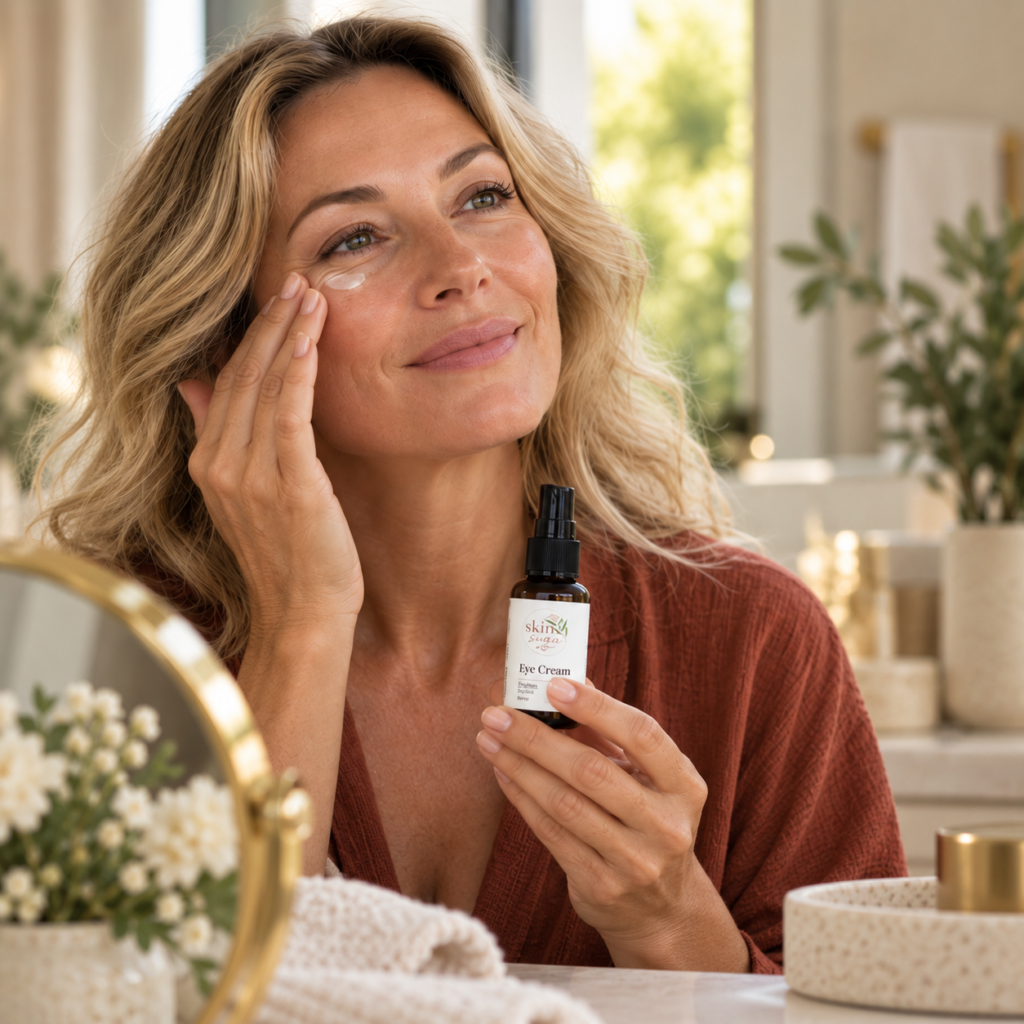
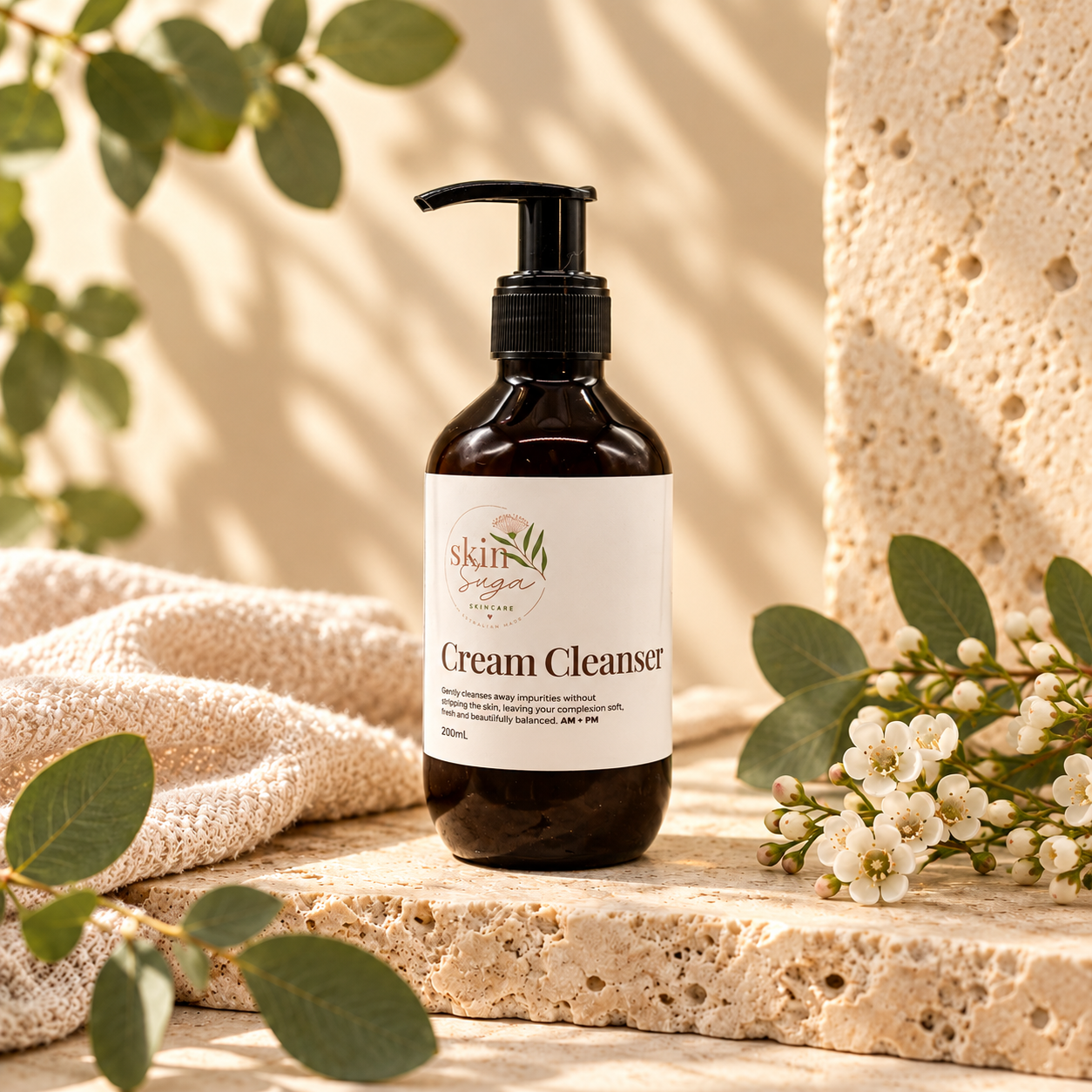
Consistency is usually more valuable than intensity after 40 because it gives skin fewer surprises and gives you clearer information. Use a gentle cleanser, moisturiser and daily sunscreen reliably, then add one targeted product at a time. Stronger or more frequent actives are not automatically better if they cause discomfort or make you stop.
A routine should survive ordinary life
The best skincare plan is not the one you can complete on a quiet Sunday. It is the one that still makes sense on a rushed weekday, a hot Perth morning and an evening when you are tired. Mature skin often becomes less tolerant of abrupt product changes, so a predictable sequence can be both kinder and easier to judge.
Intensity can feel productive because exfoliation tingles and a new active creates a sense of action. Yet irritation, pilling and half-used bottles are not progress. A routine earns its place when it is comfortable enough to repeat.
The three anchors
- Cleanse without tightness. Remove sunscreen and makeup once, using lukewarm water and low friction.
- Moisturise for comfort. Choose a texture you can use every day rather than the richest cream you can tolerate occasionally.
- Protect each morning. Use a separate Australian broad-spectrum SPF 50 or 50+ sunscreen as directed, plus shade, clothing and a hat.
These anchors do not need to be glamorous. They reduce variables, support a comfortable surface and make it easier to see whether a targeted serum is helping.
Choose the ritual before the extra
The Daily Essentials Ritual is the relevant Skin Suga foundation because it organises cleansing, hydration and moisturising. It does not replace sunscreen. Once those steps feel reliable, decide whether one serum or oil addresses a real need.
The Cream Cleanser is the first practical step. Use enough to lift the day without repeatedly massaging or scrubbing. A cleanser works for minutes; consistency and comfort matter more than an elaborate ingredient story.
Use a four-week rhythm
Week one is for the base routine. Week two is for observing dryness, comfort and sunscreen behaviour. In week three, introduce one targeted product on alternate days. In week four, review your notes before buying anything else.
Four weeks will not answer every question, but it is long enough to reveal whether the routine is usable. Do not mistake a sudden reaction for a purge. Persistent burning, swelling or a rash is a reason to stop and seek advice.
When to increase and when to hold
Increase frequency only when the current pattern is comfortable. Hold when makeup pills, skin feels tight after cleansing, the corners of the nose sting or you cannot tell which product caused a change.
A professional can help with persistent acne, dermatitis, rosacea, pigment change or a suspicious lesion. Cosmetics can improve feel and appearance, but they cannot diagnose or treat disease.
The practical test
Ask three questions each Sunday: Did I use the routine most days? Did my skin feel comfortable? Can I explain the job of every product? If the answer is yes, consistency is already doing something valuable: removing noise.
A realistic morning and evening example
Morning can be a water rinse or gentle cleanse, moisturiser where needed, then a separate broad-spectrum SPF 50 or 50+ sunscreen. Evening can be one cleanse, one targeted serum and moisturiser. Facial oil is optional. This is enough structure to support comfort while leaving room for a product to prove its value.
Write the order on a small card for the first week. The point is not a perfect streak. It is reducing the number of decisions that make the routine easy to abandon.
Why aggressive cycles backfire
Using acids, retinoids, scrubs and strong cleansers on consecutive nights can create dryness that looks like a need for more product. The shelf expands to solve a problem the shelf created. Reduce frequency first.
Do not chase a tingling sensation. Cosmetic results are not measured by discomfort. A product that requires repeated recovery nights may not suit your current routine, even if the ingredient is fashionable.
Measure the useful outcomes
Check whether sunscreen spreads evenly, whether foundation catches on fewer dry patches and whether cleansing no longer leaves the face tight. These ordinary outcomes often matter more than a dramatic close-up.
Consistency also makes professional advice clearer. If a rash or persistent acne continues despite a short stable routine, a GP or dermatologist receives a cleaner history than a list of ten products changed every week.
Build the routine you can repeat
Begin with three compatible daily steps, then add only what earns a clear role.
Explore the Daily Essentials Ritual