

Antioxidant guide for mature skin
Vitamin C or vitamin E: which is better for mature skin?
The short answer: Neither vitamin is universally better. Vitamin C is the more direct choice when your priority is a brighter, more even-looking complexion and antioxidant support in a morning serum. Vitamin E is oil-soluble and often appears in nourishing creams and facial oils that support softness and comfort. Many mature-skin routines can use both, followed by moisturiser and daily sunscreen.
Vitamin C and vitamin E are both antioxidants, but they behave differently in a formula and solve different practical problems in a routine. Choosing between them should start with your skin goal and preferred texture, not a claim that one vitamin is always stronger.
Vitamin C is water-soluble in its classic form and is widely used in serums for dullness, uneven-looking tone and environmental antioxidant support. Vitamin E is fat-soluble and fits naturally into oils, creams and richer formulas. It helps protect the formula’s oil phase and contributes to a soft, conditioned skin feel. Research also suggests vitamins C and E can work together in antioxidant systems.
Formulation matters more than the ingredient name alone. Vitamin C can be unstable and difficult to deliver; derivatives vary in evidence, strength and tolerability. Vitamin E also appears in several forms and can cause contact allergy in a small number of people. A carefully made, well-tolerated product used consistently is more useful than an impressive ingredient list that irritates your skin.
Choose vitamin C when brightness is the priority
A vitamin C serum suits a morning routine focused on a fresher, more even-looking complexion. Skin Suga Vitamin C Serum combines triple vitamin C technology with Kakadu plum, rosehip extract, mountain pepper berry, mango extract and aloe. Its light serum texture belongs after cleansing and before moisturiser.
Vitamin C does not replace sunscreen. Antioxidant skincare can complement sun protection, but it cannot provide the tested SPF film of a regulated sunscreen. In Australia, finish with broad-spectrum SPF50 or SPF50+ and combine it with shade, clothing and a hat. This is especially important when uneven tone and visible sun damage are concerns.
A vitamin C morning routine
- Cleanse gently. Use Cream Cleanser or a lukewarm rinse if that is enough for your skin.
- Apply Vitamin C Serum. Use a small amount over the face and neck, avoiding irritated skin and the immediate eye area.
- Add moisturiser. Choose a light or nourishing texture according to comfort.
- Use sunscreen. Apply broad-spectrum SPF50 or SPF50+ as directed and reapply when required.
Choose vitamin E when nourishment is the priority
Vitamin E often arrives inside a facial oil or rich moisturiser rather than as a stand-alone serum. It can suit skin that feels dry, rough or depleted and prefers an emollient finish. Skin Suga Glow Face Oil includes vitamin E with rosehip, sea buckthorn, jojoba, sweet almond, avocado and chia seed oils.
Use facial oil after water-based serum and moisturiser, or press a small amount into the driest areas. Oil can reduce the dry feel and add luminosity, but it does not supply much water. If skin feels dehydrated, place hyaluronic acid and moisturiser beneath it rather than expecting oil alone to do every job.
Can vitamin C and vitamin E be used together?
Yes. Research on topical antioxidant combinations has found that vitamin C and vitamin E can work synergistically in specific stable formulations. That does not mean every two separate products create the same studied formula, and it does not justify replacing sunscreen. At home, the main question is whether the textures layer well and the skin remains comfortable.
A simple approach is Vitamin C Serum first, moisturiser second and a drop or two of Glow Face Oil last. If the routine pills or feels greasy, use the oil at night instead. Separating the products can preserve the benefit of both without asking sunscreen and makeup to sit over too many layers.
Which is gentler for sensitive mature skin?
There is no guarantee. Some acidic vitamin C formulas sting; some botanical oils or vitamin E derivatives can trigger contact dermatitis. Patch test one product at a time and keep the rest of your routine stable. Begin every second morning or evening if your skin is reactive, then increase only when it remains calm.
If vitamin C stings, do not assume that tingling proves effectiveness. Apply to dry skin, use less often or choose a gentler derivative. If an oil creates itching, redness or small bumps, stop it rather than layering more moisturiser on top. Persistent reactions need professional advice.
What about wrinkles and collagen?
Topical vitamin C has biological roles in collagen synthesis and has been studied for photoageing, but the visible result depends on the formula, concentration, stability and regular use. Vitamin E is better understood in skincare as an antioxidant and conditioning ingredient. Neither can erase established wrinkles, and cosmetic wording should stay realistic.
Hydration can soften the appearance of fine dehydration lines quickly. Longer-term improvement in overall skin quality depends on consistency, sun protection, a tolerable routine and time. If a product promises a dramatic medical transformation, look for evidence specific to that finished formula.
How to store antioxidant products
Keep products tightly closed, away from heat and direct sunlight. Vitamin C formulas can oxidise over time; a strong change in colour, smell or texture may indicate that the product is no longer at its best. Follow the period-after-opening symbol and manufacturer advice. Do not store skincare on a hot windowsill or in a car.
Oils can also oxidise. A rancid or unusually sharp smell is a reason to stop. Clean hands, a closed cap and a cool cupboard help protect the formula. Buying a larger bottle is not economical if you cannot finish it within the recommended period.
Morning or night?
Vitamin C fits neatly in the morning because it complements a routine built around environmental exposure and sunscreen. Vitamin E can be used at either time, depending on the product. A vitamin E-rich oil often feels easiest at night, while a lighter moisturiser containing vitamin E may work well by day.
Do not let timing make the routine fragile. If mornings are rushed, use vitamin C on the mornings you can apply it comfortably and keep sunscreen consistent every day. If facial oil disrupts your pillow or hair, use it earlier in the evening or only on dry areas.
Ritual first: Radiance & Glow Ritual
The Radiance & Glow Ritual brings both antioxidant ideas into one sequence: Cream Cleanser, Vitamin C Serum, Glow Face Oil and Nourishing Moisturiser. Use serum before cream and treat the oil as the final adjustable step. On warm mornings, save the oil for evening while keeping vitamin C, moisturiser and sunscreen.
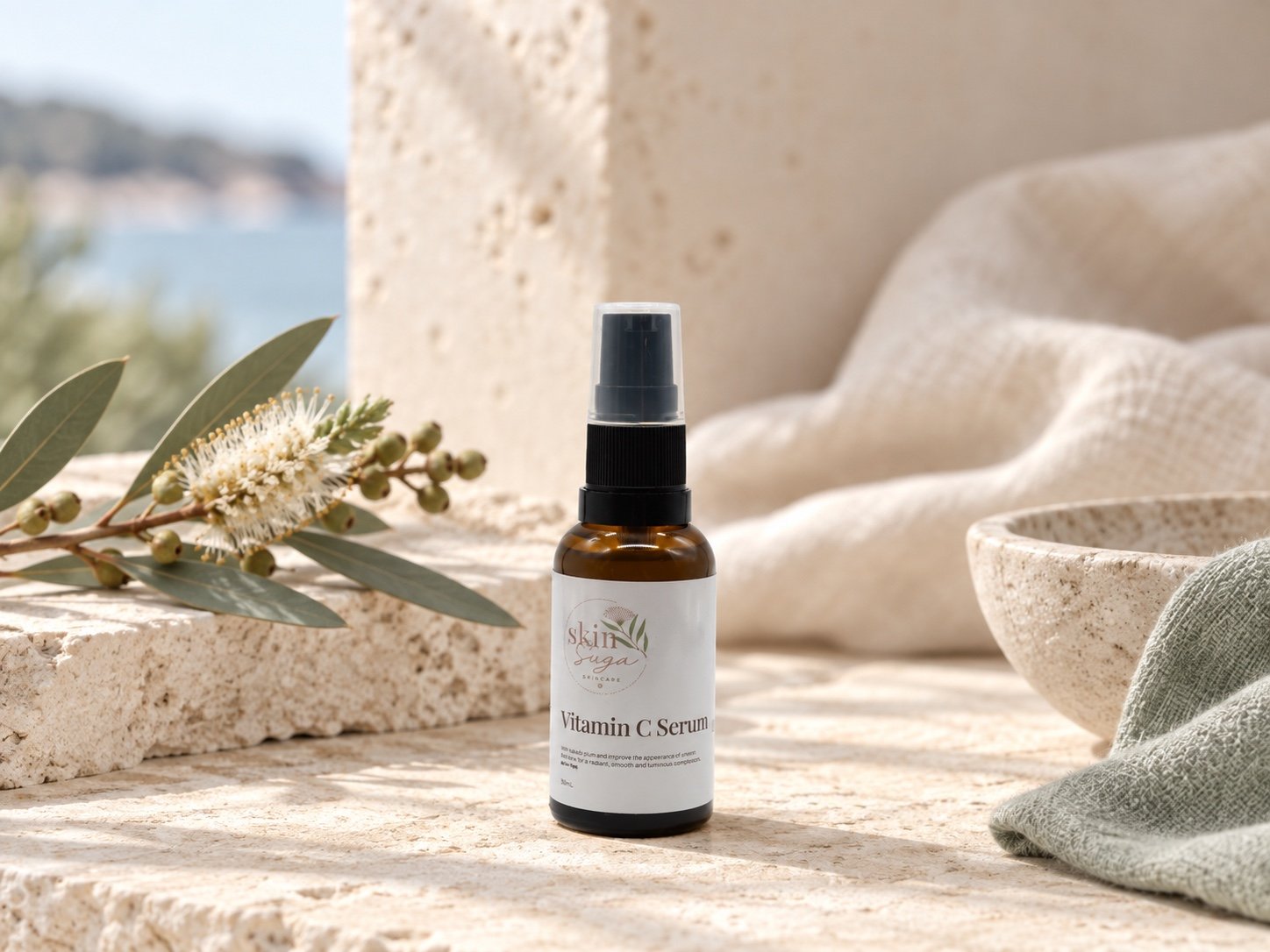
Vitamin C Serum
Triple vitamin C technology with Kakadu plum and antioxidant botanicals for a brighter, fresher-looking complexion.
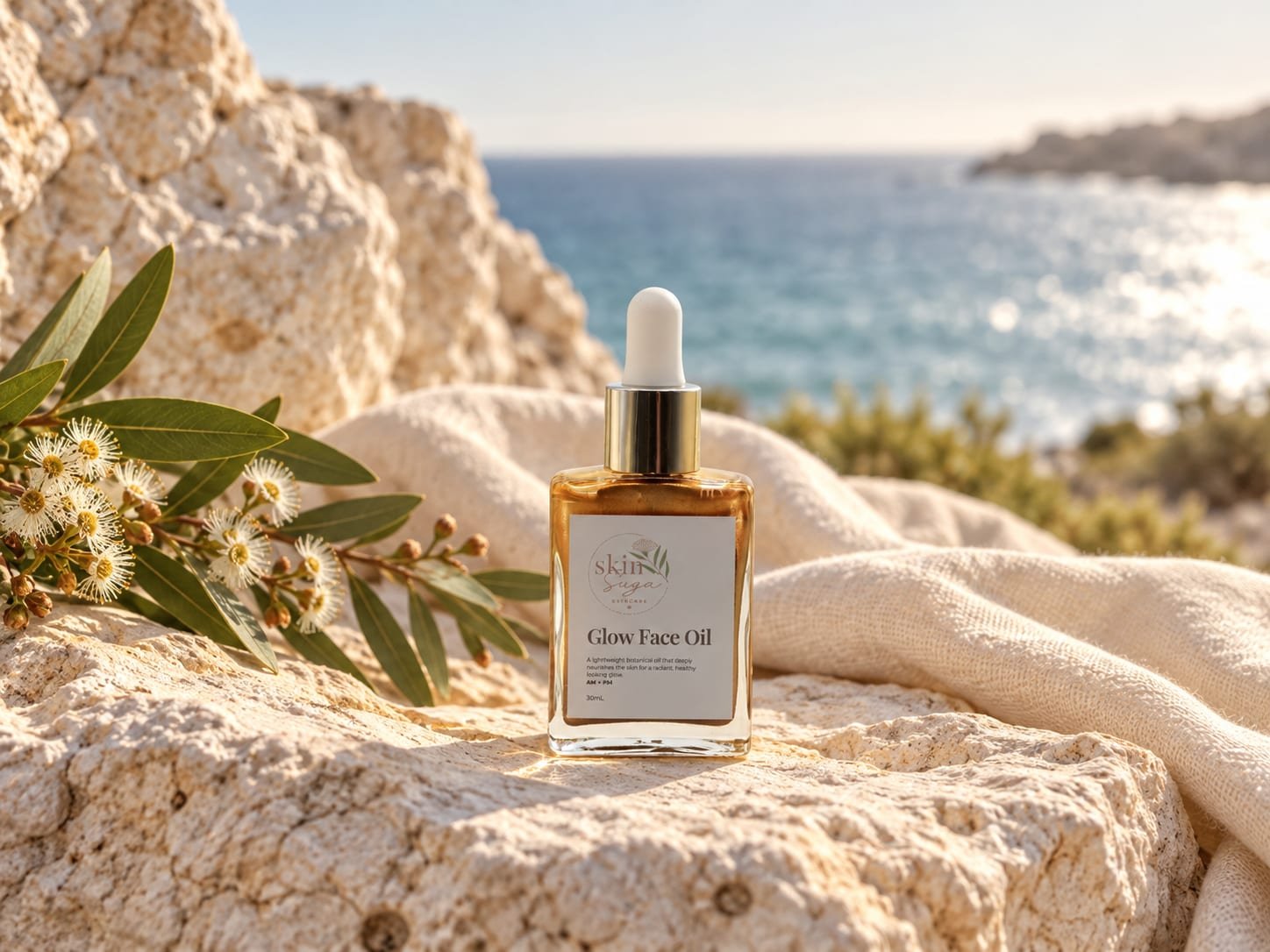
Glow Face Oil
Vitamin E with rosehip, sea buckthorn, jojoba, sweet almond, avocado and chia for nourishment and a soft luminous finish.
Brighten first, nourish where needed
Use the serum for the lightweight antioxidant step and the oil as an adjustable finishing layer rather than choosing one vitamin forever.
Common questions
Can I use vitamin C serum with facial oil?
Yes. Apply serum first, then moisturiser and facial oil. If the layers feel heavy, use the oil at night.
Does vitamin E replace moisturiser?
No single ingredient defines a complete moisturiser. A vitamin E-rich oil can finish the routine, but dehydrated skin usually still benefits from water-based hydration and cream.
Can antioxidants replace sunscreen?
No. Antioxidants complement sun care but do not provide a tested SPF. Use broad-spectrum SPF50 or SPF50+ as directed.
Which vitamin is better for very dry skin?
A vitamin E-rich oil may feel more immediately nourishing, while vitamin C addresses a different goal. Very dry skin often needs cleanser, hydrating serum, moisturiser and oil rather than one hero ingredient.
Sources
- DermNet: Topical vitamin C
- PubMed: Topical vitamin C mechanisms and applications
- PubMed: Relevance of vitamins C and E in cutaneous photoprotection
- Cancer Council Australia: Sunscreen advice
General cosmetic skincare information only. Antioxidant skincare does not replace sunscreen or medical treatment.