
Two humectants, different formula roles
Glycerin or hyaluronic acid: which is better for mature skin?
The short answer: Neither glycerin nor hyaluronic acid is universally better for mature skin. Both are humectants that help the outer skin hold water. Glycerin is a small, dependable ingredient often built into cleansers and moisturisers; hyaluronic acid is frequently used in dedicated serums because its different molecular forms can create a light hydrating film. The finished formula matters more than choosing a winner. Many routines use hyaluronic acid as a serum step and glycerin inside the moisturiser applied over it.
Hydration language can make two useful ingredients sound like rivals. Glycerin is sometimes dismissed as ordinary, while hyaluronic acid is presented as advanced or intensely plumping. In reality, both are established water-binding ingredients, and both depend on the rest of the formula. A well-balanced glycerin cream may suit one face better than a sticky hyaluronic acid serum, and the reverse may be true for someone who wants a weightless extra layer.
The mature-skin question is not simply which molecule attracts more water. Texture, humidity, concentration, molecular size, supporting emollients, preservatives and the amount applied all affect comfort. The most useful choice is the product that fits the routine and can be used consistently without irritation or excessive layering.
What glycerin does in skincare
Glycerin, also called glycerol, is a small humectant used across cleansers, toners, serums and creams. It attracts and retains water in the stratum corneum and can help a formula spread smoothly. Because it is effective, stable and compatible with many ingredients, it often appears without becoming the hero on the front label.
Higher glycerin is not automatically better. Concentration changes texture and performance, and a complete moisturiser needs more than a humectant. Emollients soften the surface and occlusive ingredients slow evaporation. The formula’s balance determines whether it feels silky, tacky, light or rich.
What hyaluronic acid does
Hyaluronic acid is a sugar molecule naturally present in the body and widely used in topical skincare. On the skin surface, it acts as a humectant and film-former. Ingredient lists may use names such as hyaluronic acid, sodium hyaluronate or hydrolysed hyaluronic acid, reflecting different forms and molecular sizes.
Topical hyaluronic acid is not the same as an injectable dermal filler. A serum can improve surface hydration and temporarily make dehydration lines appear softer, but it does not replace lost facial volume or permanently restructure wrinkles. This distinction keeps expectations realistic and cosmetic compliant.
Choose by the job in your routine
- Want one simple cream: A glycerin-containing moisturiser may provide hydration and lipids in one step.
- Want a light extra layer: A hyaluronic acid serum can sit beneath moisturiser.
- Dry climate: Seal either humectant with moisturiser rather than leaving it exposed.
- Sticky finish: Use less product and avoid stacking several hydrating serums.
- Sensitive skin: Judge the complete ingredient list, not the hero humectant alone.
Why people say hyaluronic acid can feel drying
A humectant does not deliberately suck water out of the face, but a serum used alone can feel tight as its water phase evaporates, especially in low humidity. Applying it to slightly damp skin and following with moisturiser usually creates a more complete routine. Using more serum is rarely the solution.
Some formulas pill because too much polymer remains on the surface or because they are layered with incompatible products. Reduce the amount, allow a short settling time and keep the morning routine lean so sunscreen can form an even film. A product that repeatedly feels tight or irritating is not compulsory just because the ingredient is popular.
Is glycerin better in dry Australian weather?
Glycerin performs reliably across many formulas, but no humectant works alone. In dry inland conditions or strong air conditioning, apply a cream over the hydrating step. The cream supplies emollient or occlusive support that a watery serum may not provide. In humid weather, the same routine may need a lighter moisturiser.
Climate is only one factor. Menopause, medications, cleansing habits, sun exposure and skin conditions can alter how the face feels. A formula that works in summer may need a richer partner in winter without the humectant itself becoming ineffective.
Can you use glycerin and hyaluronic acid together?
Yes. Many finished products already contain more than one humectant, and a routine can pair a hyaluronic acid serum with a glycerin-containing moisturiser. There is no special chemical conflict. The practical limit is texture: too many water-binding layers can become sticky, pill under sunscreen or tempt you to rub the skin repeatedly.
Use one purposeful serum, then moisturiser. If a moisturiser alone keeps the face comfortable, an extra serum is optional. Skincare should solve a felt need, not become a checklist of fashionable ingredients.
What about fine lines?
Improved hydration softens the dry surface and may make fine dehydration lines look less prominent. Glycerin and hyaluronic acid can both contribute to that cosmetic effect. Neither erases structural wrinkles, lifts sagging skin or rebuilds all age-related collagen. Consistent sunscreen, gentle care and realistic expectations remain more important than a dramatic before-and-after promise.
Published studies of individual formulas cannot be transferred automatically to every product containing the same ingredient. Vehicle, concentration, application frequency and study design matter. Treat ingredient research as useful context, not a guarantee of an identical result from every bottle.
A low-sticky hydration method
- Cleanse: Leave the face clean and slightly damp, not dripping.
- Serum: Smooth one thin layer of hyaluronic acid serum over face and neck.
- Moisturise: Apply a suitable cream before the serum feels completely dry.
- Oil if needed: Use two or three drops over dry areas at night.
- Protect by day: Let layers settle, then apply a separate broad-spectrum sunscreen.
When stinging is not normal
Glycerin and hyaluronic acid are generally well tolerated, but any complete formula can irritate because of fragrance, preservatives, other actives or an impaired barrier. Persistent burning, swelling, rash or itch warrants stopping the product. Patch test new formulas and introduce only one at a time.
If even bland moisturiser stings, simplify the routine and seek professional advice when the reaction continues. Do not assume the humectant is the sole cause. Contact dermatitis, rosacea, eczema and overuse of active products can produce similar symptoms.
Ritual first: Ultimate Hydration Ritual
The Ultimate Hydration Ritual uses a dedicated Hyaluronic Acid Serum within a complete sequence rather than leaving it to do every moisturising job. Gentle cleansing comes first, a cream follows the serum, and richer support can be adjusted to the season and your skin’s comfort.
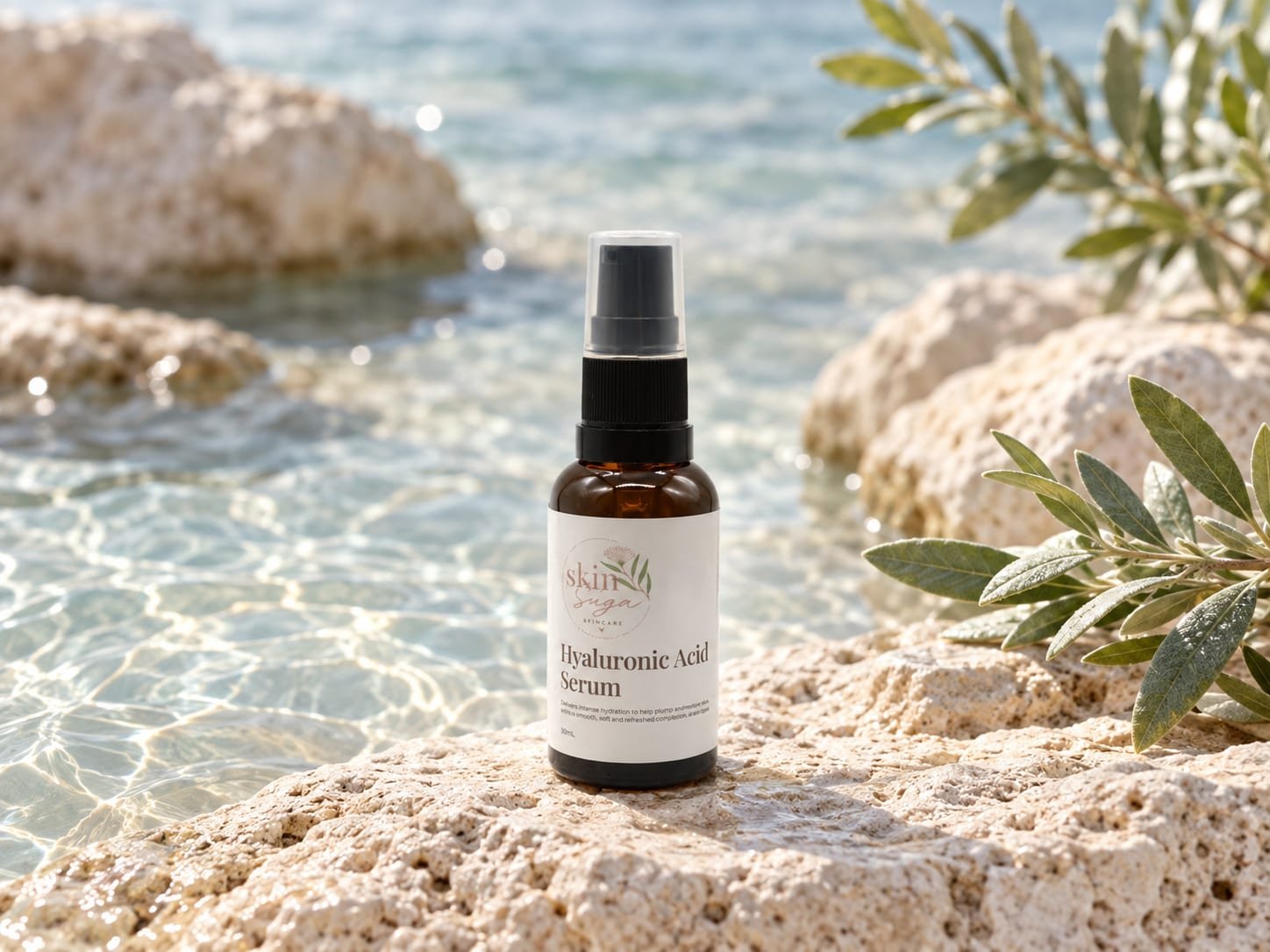
Hyaluronic Acid Serum
A light water-binding serum with vegan hyaluronic acid and radish root ferment.
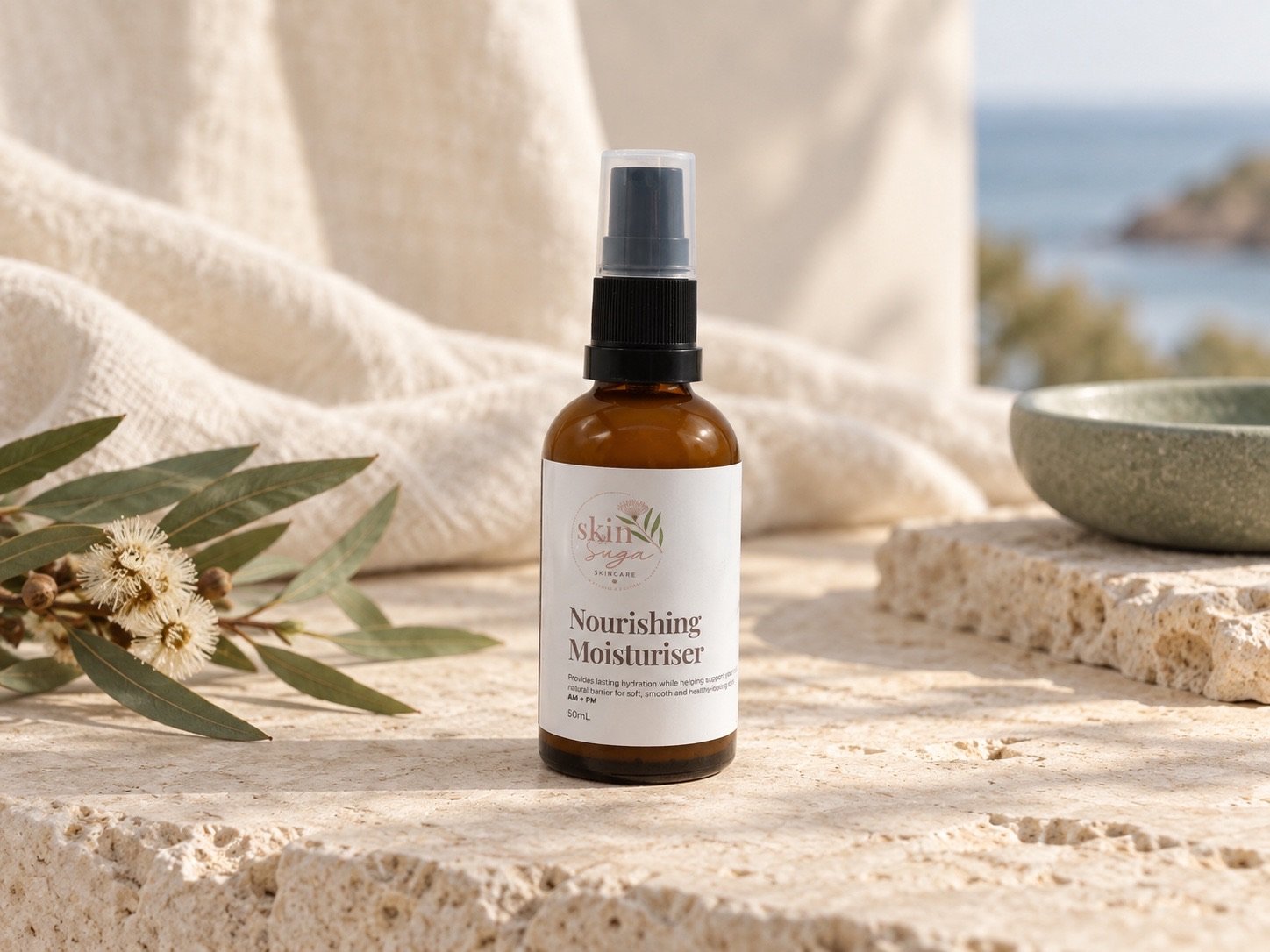
Nourishing Moisturiser
Jojoba, shea butter and botanical oils provide the softening cream step after hydration.
Stop making useful humectants compete
Use the light hydration you enjoy, then finish the routine with enough moisturiser for the weather.
Common questions
Is glycerin natural?
Glycerin can be derived from plant, animal or synthetic sources. Source does not by itself determine performance or tolerance; check the brand’s ingredient information if this matters to you.
Can I use hyaluronic acid every day?
Yes, when the formula suits your skin. Daily use is optional, not a requirement.
Which goes first?
If they are separate products, use the thinner serum first and the cream afterwards. Follow each label.
Do I need both?
No. A well-formulated moisturiser may be enough. Add a serum when your skin benefits from the extra light hydration step.
Sources
- DermNet: Emollients and moisturisers
- PubMed: Combined effects of glycerol and petrolatum in dry skin
- PubMed: Review of topical hyaluronic acid and skin quality
- American Academy of Dermatology: Moisturising mature skin
Finished formulas differ. Ingredient evidence does not guarantee an identical result from every product.