Menopause skin changes
Does menopause make facial skin thinner?
The short answer: Yes, menopause can contribute to changes in skin thickness and collagen over time as oestrogen levels decline. Many women notice skin feels drier, less cushioned or more easily bruised, but menopause is not the only factor: normal ageing, sun exposure, medicines and health conditions also matter. Gentle skincare can support comfort and appearance, but sudden or significant thinning needs medical advice.
Menopause is one part of a bigger skin story
Oestrogen influences several features of skin, including collagen, hydration and sebum production. As levels fall through perimenopause and menopause, some women notice less elasticity, more dryness and a thinner or more delicate feel. These changes are gradual and vary widely. There is no single day when skin suddenly becomes “menopausal”.
Chronological ageing continues at the same time. Years of ultraviolet exposure also affect collagen and visible texture, especially in Australia. Smoking, nutrition, medications, illness and genetics add further variation. It is therefore more accurate to say menopause can contribute to thinning than to blame every change on hormones.
What “thin skin” may feel like
You might notice the cheeks feel less cushioned, fine lines show more when skin is dry, or the backs of the hands bruise more easily. Makeup may catch on dry areas. The neck and décolletage can look crepey in side light. Some of this appearance improves when the surface is well moisturised, while deeper structural change cannot be reversed by a cosmetic cream.
Skin that suddenly becomes extremely fragile, tears easily or bruises without explanation deserves medical review. Long-term use of some medicines, including topical or oral corticosteroids, can affect skin thickness. A skincare article cannot distinguish normal change from a medical cause.
What topical skincare can realistically do
A gentle cleanser can reduce the tight feeling that follows washing. Humectants such as glycerin and hyaluronic acid help the surface hold water. Emollients including plant oils, squalane and shea butter smooth the feel of roughness. Occlusive ingredients reduce water loss. Together, these can make mature skin look plumper and feel more flexible while the products are used.
Cosmetics should not be presented as restoring lost hormones or rebuilding the skin from within. Claims such as “stimulates collagen to reverse menopausal thinning” cross into territory that requires much stronger substantiation and may change how a product is regulated in Australia. The useful cosmetic promise is support for hydration, softness and the appearance of fine lines.
Sun protection is the non-negotiable layer
Cumulative UV exposure contributes to visible ageing changes and increases skin-cancer risk. Use a broad-spectrum SPF 50 or 50+ sunscreen as directed and combine it with shade, clothing, a broad-brimmed hat and sunglasses. Sunscreen does not thicken skin, but reducing further UV exposure is more valuable than adding multiple fashionable serums while remaining unprotected.
Choose a sunscreen texture that sits comfortably over moisturiser. If dry skin makes application patchy, improve the layers underneath rather than mixing oil into the sunscreen. Mixing can disturb the tested film.
A routine for thinner-feeling mature skin
Morning: rinse or cleanse gently, apply a hydrating serum if wanted, moisturise and finish with separate sunscreen. Avoid hot water and rough towels. If your skin feels comfortable with fewer steps, fewer is fine.
Evening: cleanse once to remove sunscreen and makeup, apply serum to slightly damp skin, follow with moisturiser and press a small amount of facial oil over dry areas. Introduce retinoid or exfoliating products slowly, because irritation can make delicate skin look and feel worse.
Choose the ritual before isolated actives
The Age Defying Ritual is the most relevant Skin Suga pathway because it creates a complete sequence for cleansing, hydration, moisturising and evening care. The ritual-first approach reduces the temptation to layer several concentrated products without knowing which one is causing discomfort.
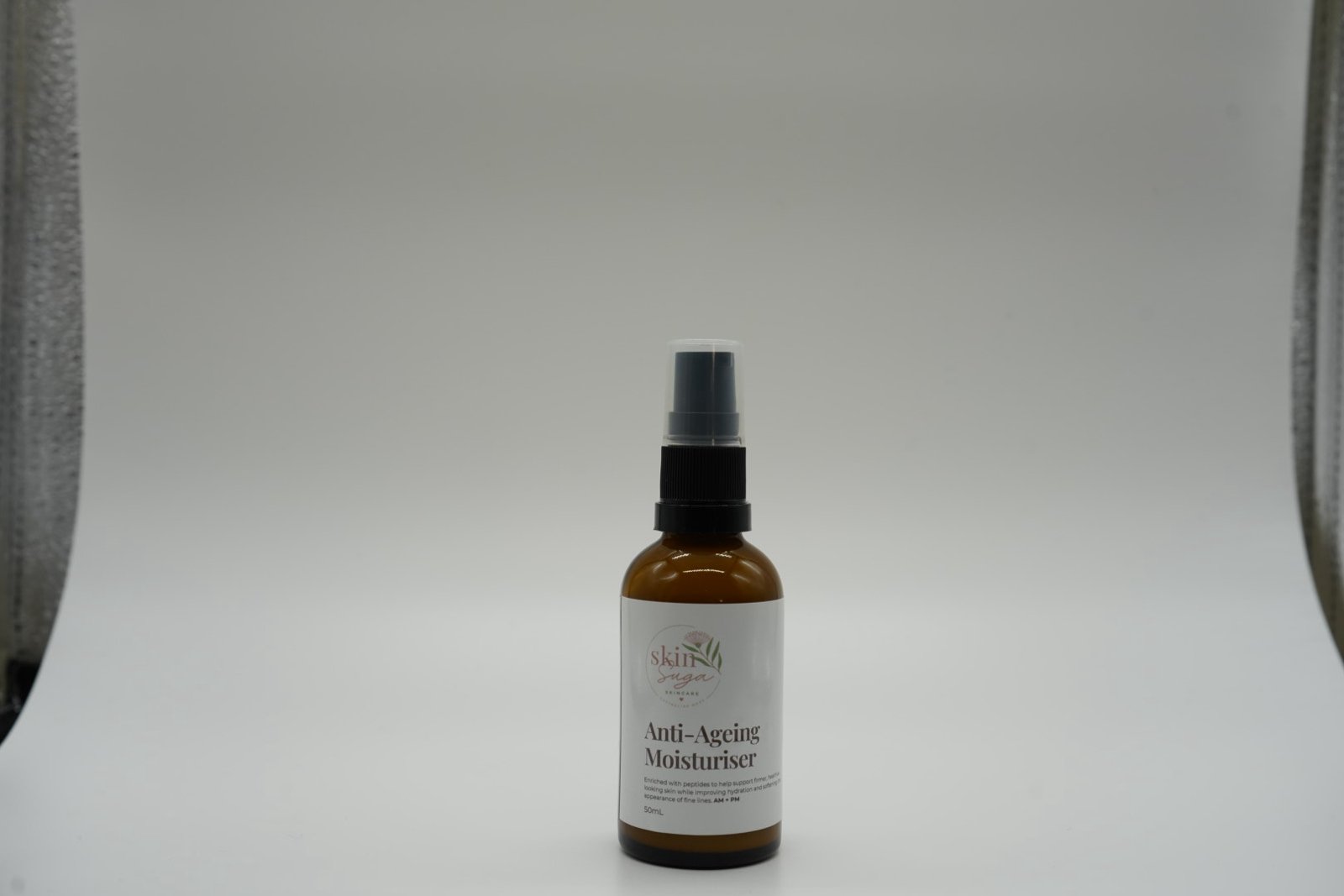
Within that ritual, the Anti-Ageing Elixir combines humectants and cosmetic active ingredients including hyaluronic acid, niacinamide, peptides, bakuchiol and green tea. It is intended to support a hydrated, smoother-looking surface. Follow with Anti-Ageing Moisturiser to add emollience and reduce a dry, tight feel.
Should you use retinoids?
Retinoid products can be useful for some people, but stronger is not always better. Irritation, peeling and dryness can be pronounced on already sensitive skin. Start with a low frequency, avoid combining several exfoliating products on the same night and increase only if the skin stays comfortable. Ask a pharmacist, GP or dermatologist about suitability if you have a skin condition, use prescription medicines or are unsure.
Can facial massage thicken skin?
Massage can make a ritual feel relaxing and temporarily increase surface colour, but it should not be promoted as rebuilding dermal tissue. Use light pressure and good slip. Avoid pulling or using tools over fragile, inflamed or bruised skin. The purpose is comfort, not force.
Do not forget hands, forearms and chest
Changes described as “thin skin” are often most visible on sun-exposed areas. Extend moisturiser to the neck, décolletage, forearms and hands. Reapply sunscreen to exposed hands after washing or according to the label. Protective sleeves and shade are often more reliable than trying to cover a large area with a tiny amount of face product.
Makeup can exaggerate the appearance of thinning
Matte foundation and heavy powder can collect where the surface is dry, making fine lines look deeper. Use moisturiser, allow sunscreen to settle, then apply thinner layers of makeup only where needed. A hydrating finish changes light reflection; it does not change the underlying anatomy, but that cosmetic improvement can still be worthwhile.
Lifestyle claims need proportion too
Balanced nutrition, movement, sleep and avoiding smoking support general health, but no single food or supplement can be promised to thicken facial skin. Oral “beauty” supplements may be regulated differently from cosmetics and can interact with medicines. Discuss supplements and significant dietary changes with an appropriate health professional.
Track change in a kinder way
Side lighting and dry skin can make texture look dramatically different from one day to the next. If you want to assess a routine, take a monthly photograph in the same natural light with the same expression. Record comfort, tightness and product tolerance as well as appearance.
A magnifying mirror is not an objective clinical tool. It can turn normal pores and fine lines into a crisis. The aim of skincare is a comfortable, cared-for surface, not the removal of every sign of a life lived.
Be careful with “firming” language
A moisturiser can make dry skin look smoother and more plump because the surface holds water and reflects light differently. That is a legitimate cosmetic effect, but it is not the same as lifting tissue or restoring pre-menopausal skin structure. Read claims for the appearance they describe and be wary of promises that imply permanent anatomical change.
This distinction does not make moisturiser unimportant. Daily comfort, less visible flaking and a supple finish are valuable outcomes. They are simply different from medical treatment or procedures.
What about hormone therapy?
Menopausal hormone therapy is a medical treatment with benefits and risks that depend on the individual. Do not start it for cosmetic reasons based on skincare advice. Discuss symptoms and treatment options with your GP or menopause clinician. Skincare can sit alongside medical care, but it is not a substitute for it.
When to seek help
Ask for medical advice if the skin bruises or tears very easily, a rash persists, itching disrupts sleep, or you notice a changing lesion. Also seek help if symptoms are affecting confidence or daily life. A dermatologist can assess the skin directly and separate dryness from dermatitis, sun damage and other conditions.
Support comfort without overloading the skin
Use a complete, measured routine for hydration and softness, then adjust one step at a time.
Explore the Age Defying Ritual