As winter begins to soften into spring, your skin may be asking for a little extra kindness. Perhaps your cheeks feel tight after cleansing, your complexion looks dull, or your moisturiser seems to disappear almost as soon as you apply it.
Darling, you are not imagining it. Winter can be particularly challenging for mature skin. Cooler air, indoor heating, hot showers and dry winds can all disturb the skin barrier, the delicate outer layer that helps keep moisture in and irritants out.
The good news is that your skin barrier can be gently supported and restored with a simple, comforting routine. There is no need for complicated steps or harsh treatments. Think soothing textures, nourishing Australian botanicals and a few consistent rituals that leave your skin feeling soft, calm and cared for.
What is the skin barrier?
The skin barrier is the outermost layer of your skin. It helps protect against environmental stress while slowing the loss of moisture from the surface.
You can think of it as a soft, protective blanket. When it is healthy, your skin feels comfortable and looks smooth and naturally radiant. When it is weakened, moisture escapes more easily and your skin can become dry, sensitive and less able to tolerate your usual products.
As we mature, the skin naturally produces fewer protective lipids, including ceramides, cholesterol and fatty acids. This can make the barrier more vulnerable to seasonal changes, especially after a long winter.
Research and dermatology guidance commonly recommend a gentle approach: reduce irritation, replenish hydration and support the skin with moisturising ingredients and nourishing lipids. The Columbia University dermatologist’s guide to healthy winter skin also highlights the importance of protecting mature skin from dryness and environmental stress.
Signs your skin barrier may need extra support
A tired-looking complexion does not always mean you need a stronger active ingredient. Sometimes, your skin simply needs more comfort.
Common signs of a weakened barrier include:
- Tightness, particularly after cleansing
- Flaking or rough, uneven texture
- Increased sensitivity or stinging when products are applied
- Redness or a feeling of warmth
- Fine dehydration lines appearing more noticeable
- Skin that feels dry, yet looks oily in certain areas
- A lacklustre complexion that seems to have lost its soft glow
If your skin feels sore, persistently inflamed or unusually reactive, it is always wise to speak with a qualified healthcare professional or dermatologist.

Why winter can strip mature skin of moisture
Winter conditions can affect the skin in several gentle-but-cumulative ways.
Cold outdoor air is often drier, while indoor heating reduces humidity further. Together, they can increase transepidermal water loss, meaning moisture leaves the skin more quickly. Hot showers may feel comforting on a chilly morning, but hot water can also remove some of the skin’s natural oils.
In Queensland, cooler winter nights and dry inland winds may leave the skin feeling parched. In Western Australia, Perth’s crisp mornings, low humidity and brisk coastal weather can have a similar effect. Even when the sun is shining, the air can still be drying.
Mature skin may feel these changes more keenly because it often has less natural oil and a slower recovery from everyday stress. That is why post-winter skincare should focus on replenishment rather than over-correction.
Step 1: Return to gentle cleansing
Rebuilding your barrier begins at the basin.
A cleanser should leave your skin feeling fresh and comfortable, not squeaky, tight or stripped. Cream, milk and balm textures are often better suited to mature or dry skin than highly foaming formulas.
Our Cream Cleanser gently removes makeup, sunscreen and daily impurities while helping maintain the skin’s natural moisture. It is enriched with Apricot Kernel Oil, Milk Thistle, Oat Extract, Elderflower and Cucumber Extract, creating a soft, nourishing cleanse.
Use lukewarm water and take a moment to massage the cleanser gently over your face. There is no need to scrub or use a cleansing brush while your barrier is feeling delicate. In the morning, especially if your skin is very dry, a light rinse or minimal cleanse may be all you need. At night, cleansing helps remove the day’s sunscreen, makeup and environmental residue.
Step 2: Replenish water with hyaluronic acid
Once your skin is clean, hydration is the next gentle layer.
Hyaluronic acid is a humectant, which means it helps attract and hold water at the skin’s surface. It can leave mature skin looking smoother, softer and more plump, particularly when dehydration lines are making your complexion look tired.
The Skin Suga Hyaluronic Acid Serum combines vegan hyaluronic acid with Radish Root Ferment. Apply a small amount while your skin still feels slightly damp, then follow with moisturiser. This is important because humectants work best when paired with a moisturising layer that helps reduce moisture loss.
A hydrating serum should feel like a light veil of comfort, not a sticky film. A few drops are usually enough for the face and neck.
Step 3: Support the barrier with nourishing moisturisers
Ceramides are one of the most recognised ingredients for barrier support. They are naturally occurring lipids that help fill the spaces between skin cells, supporting a smoother, more resilient outer layer. When choosing a barrier-focused moisturiser, you may wish to look for ceramides alongside fatty acids, cholesterol, shea butter or nourishing plant oils.
Peptides can also be a beautiful addition to a mature-skin routine. They are often used to support the appearance of firmness, elasticity and smoother-looking skin.
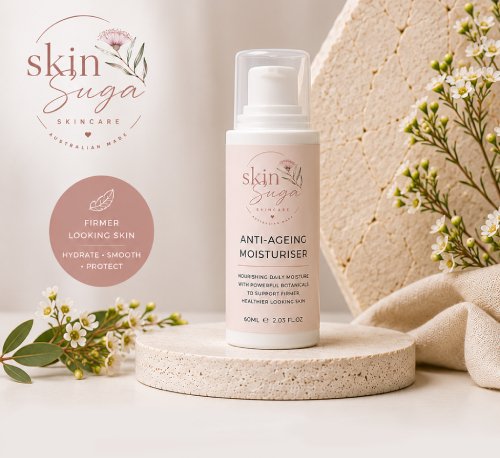
Our Anti-Ageing Moisturiser is formulated for mature skin with hyaluronic acid, Co-Enzyme Q10, Native Snowflower, Rice Protein Peptides, Jojoba Oil and Shea Butter. Native Snowflower is an Australian botanical valued for its antioxidant properties, while the rich, comforting texture helps leave skin feeling nourished and soft.
The moisturiser is the step that helps bring your routine together. It cushions the skin after your hydrating serum and helps keep that comfortable feeling in place throughout the day.
Step 4: Nourish with sea buckthorn and botanical oils
When winter has left your skin feeling rough or depleted, a facial oil can provide a beautifully sensorial finishing touch.
Sea buckthorn is especially lovely for mature, dry skin. This nourishing botanical oil is rich in vitamins, antioxidants and essential fatty acids, which help condition the skin and support a softer, more supple feel.
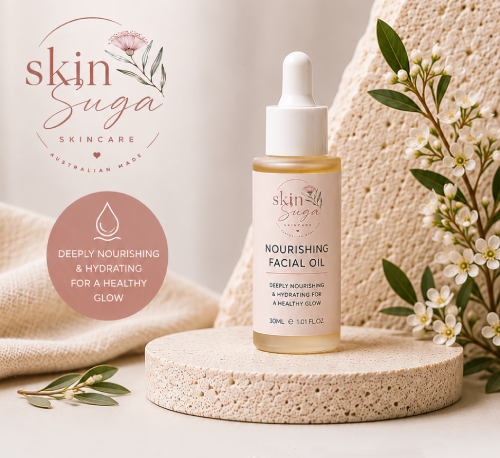
Our Nourishing Facial Oil combines Sea Buckthorn with Sweet Almond Oil, Jojoba Oil, Olive Oil, Avocado Oil, Chia Seed Oil and Vitamin E. It helps lock in moisture while restoring softness, making it particularly comforting as part of an evening ritual.
Warm a few drops between your fingertips and press them gently over your moisturiser. The rich texture and subtle slip turn an ordinary skincare step into a quiet moment of care.
Step 5: Keep active ingredients gentle and gradual
If your skin feels sensitive after winter, it may be helpful to pause strong exfoliating acids, physical scrubs or frequent retinoid use until your complexion feels comfortable again.
This does not mean you need to give up every active ingredient forever. It simply gives your skin a little breathing space. Once tightness, stinging and flaking have settled, reintroduce active products gradually and avoid adding several new formulas at once.
Vitamin A products, for example, can be introduced slowly and should be used according to the product directions. Skin Suga’s Age-Defying Ritual includes Vitamin A Oil alongside a Cream Cleanser, Anti-Ageing Toner, Anti-Ageing Moisturiser and Eye Cream. If your barrier is currently uncomfortable, focusing first on cleansing, hydration and moisturising may be the gentlest place to begin.
A simple post-winter routine
Morning
- Rinse with lukewarm water or cleanse gently.
- Apply a hydrating serum to slightly damp skin.
- Follow with a nourishing moisturiser.
- Apply broad-spectrum sunscreen when heading outdoors.
Evening
- Remove makeup and sunscreen with a gentle cream cleanser.
- Apply hyaluronic acid or a hydrating toner.
- Smooth on a barrier-supportive moisturiser.
- Add a few drops of facial oil if your skin feels dry or tight.
If you would rather have the steps beautifully gathered together, the Ultimate Hydration Ritual brings together gentle cleansing, a hydrating toning mist, hyaluronic acid serum, nourishing moisturiser and facial oil for a complete moisture-focused ritual.
Give your skin time and kindness
Barrier repair is not an overnight transformation. With a consistent routine, many people notice that tightness and roughness begin to ease over several weeks. Your skin may feel more comfortable first, followed by a softer texture and a more rested-looking glow.
Try not to chase instant results with stronger products. Your skin deserves patience, darling. Every gentle cleanse, nourishing layer and quiet evening application is helping create the conditions for healthier-looking skin.
As spring arrives across Queensland and Western Australia, continue to protect your complexion from sun, wind and dry air. Your skin barrier is an everyday investment, not a seasonal afterthought. With the support of Australian botanicals like Native Snowflower and Sea Buckthorn, alongside familiar hydrators such as hyaluronic acid and skin-supportive peptides, your ritual can feel both effective and wonderfully comforting.
Skincare guidance only, not medical advice. If your skin is persistently painful, inflamed, cracked or unusually reactive, please seek advice from a qualified healthcare professional.