There is something wonderfully comforting about knowing that the foods on our plate can support the skin we see in the mirror. A handful of berries, a colourful salad, a nourishing piece of salmon or a creamy avocado can all contribute to the nutrients our skin needs to feel comfortable, supple and beautifully cared for.
As we move through our 40s, 50s and beyond, mature skin can become drier, more delicate and slower to recover from everyday stresses such as sun exposure, heat, air conditioning and lack of sleep. In Queensland’s bright, humid climate or during a dry Western Australian summer, those changes can feel even more noticeable.
An antioxidant-rich diet is not about perfection or restrictive rules. It is about gently adding more colour, healthy fats and whole foods to your everyday meals : alongside a consistent topical skincare ritual.
Why antioxidants matter for mature skin
Antioxidants are naturally occurring compounds found in many fruits, vegetables, nuts, seeds, herbs and drinks such as green tea. They help the body manage oxidative stress, which can be caused by everyday environmental factors including UV exposure and pollution.
Research into nutritional dermatology has identified nutrients such as vitamins C and E, carotenoids, polyphenols, omega-3 fatty acids, zinc and selenium as important contributors to healthy skin function. These nutrients support the skin barrier, collagen production, hydration and the body’s natural repair processes.
This does not mean that one food can erase fine lines or replace sun protection. Rather, a nourishing dietary pattern gives your skin more of the building blocks it needs to look healthy and radiant over time.
1. Berries and colourful fruit for vitamin C
Vitamin C is especially precious for mature skin. The body uses it to support collagen production, while its antioxidant properties help the body respond to environmental stress.
Beautiful sources of vitamin C include:
- Strawberries
- Kiwifruit
- Oranges and mandarins
- Papaya
- Blackberries and blueberries
- Cantaloupe
- Red and yellow capsicum
Berries also provide polyphenols, including anthocyanins, which give them their deep red, purple and blue colours. These plant compounds are being studied for their antioxidant and anti-inflammatory properties.
For a soft start to the day, try adding berries and kiwifruit to yoghurt or porridge. A squeeze of lemon over leafy greens, steamed vegetables or grilled fish is another simple way to bring vitamin C into your meals.
A little Australian botanical inspiration
At Skin Suga, we love the bright, resilient botanicals found across our Australian landscape. Kakadu Plum is naturally rich in vitamin C and is one of the hero ingredients in our Vitamin C Serum. Used topically, it helps brighten the appearance of dull skin and support a more radiant-looking complexion.

2. Leafy greens, broccoli and capsicum
Leafy greens such as spinach, kale, rocket and silverbeet are wonderful additions to a skin-supportive diet. They contain vitamin C, carotenoids and other plant compounds that help nourish the body from within.
Broccoli and capsicum are also excellent choices. Red capsicum is particularly rich in vitamin C, while broccoli provides vitamin C, vitamin A and lutein. These nutrients help support the skin’s natural defences and its ability to maintain a healthy barrier.
A warm bowl of roasted vegetables can be especially comforting during a cooler Western Australian evening. In Queensland, you might prefer a crisp salad with cucumber, leafy greens, capsicum, avocado and a lemon-and-olive-oil dressing.
The more colour you bring to your plate, darling, the wider the variety of plant nutrients you are likely to enjoy.
3. Tomatoes, carrots and sweet potatoes for carotenoids
Carotenoids are natural plant pigments found in red, orange, yellow and dark green foods. Beta-carotene, lycopene, lutein and zeaxanthin are some of the best-known examples.
Try including:
- Tomatoes and tomato paste
- Carrots
- Pumpkin
- Sweet potato
- Red capsicum
- Spinach and kale
Lycopene in tomatoes and beta-carotene in carrots and sweet potatoes are associated with antioxidant activity. Cooking tomatoes gently and enjoying them with a little olive oil can also make some carotenoids easier for the body to absorb.
These foods are wonderfully versatile. Add roasted pumpkin to a salad, enjoy sweet potato with salmon or make a simple tomato and lentil stew. Nourishment can be both practical and deeply satisfying.
4. Salmon, sardines and other omega-3-rich foods
Omega-3 fatty acids are important for maintaining the skin barrier and supporting a balanced inflammatory response. When the skin barrier is well supported, it can hold on to moisture more effectively : something that becomes increasingly valuable as mature skin tends to feel drier.
Good marine sources include:
- Salmon
- Sardines
- Mackerel
- Herring
- Trout
For those who prefer plant-based options, walnuts, chia seeds, hemp seeds and ground linseeds provide alpha-linolenic acid, a plant form of omega-3.
A simple meal of salmon with leafy greens, avocado and tomatoes brings together several skin-supportive nutrients at once. You can also sprinkle chia or ground linseed over breakfast or keep a small bowl of walnuts nearby for a nourishing afternoon snack.

5. Avocado, almonds and seeds for vitamin E and healthy fats
Vitamin E is a fat-soluble antioxidant that helps protect cells from oxidative stress. Healthy fats also help the body absorb fat-soluble nutrients, including some carotenoids.
Lovely everyday sources include:
- Avocado
- Almonds
- Sunflower seeds
- Hazelnuts
- Pumpkin seeds
- Extra-virgin olive oil
Avocado on wholegrain toast, almonds with fruit or olive oil drizzled over roasted vegetables are easy additions that do not require a complete change to your routine.
These nourishing fats also echo the sensorial textures we love in skincare : silky oils, soft creams and a comfortable finish that leaves the skin feeling cared for rather than tight or stripped.
6. Green tea, grapes and dark chocolate
Polyphenols are another large family of plant compounds found in foods and drinks such as green tea, berries, grapes, herbs, spices and cocoa.
Green tea contains catechins, while red and purple grapes contain resveratrol and other polyphenols. Dark chocolate with a high cocoa content can also be enjoyed occasionally, preferably with less added sugar.
A cup of green tea can become a beautiful afternoon pause, particularly when the weather is warm but you still want a gentle, soothing ritual. In summer, allow it to cool and enjoy it over ice with lemon.
The key is balance. These foods are not miracle treatments, but they can form part of a varied diet rich in whole foods.
Pairing nutrition with topical Australian botanicals
Nourishing your skin from within works beautifully alongside a simple, consistent topical routine. Food provides nutrients through digestion, while skincare delivers carefully selected ingredients directly to the skin’s surface.
Our Australian native botanicals are chosen with this same philosophy of gentle, effective nourishment in mind. Kakadu Plum brings brightening vitamin C to our Vitamin C Serum, while Desert Lime and other Australian plant extracts celebrate the resilience and vitality of the Australian landscape.
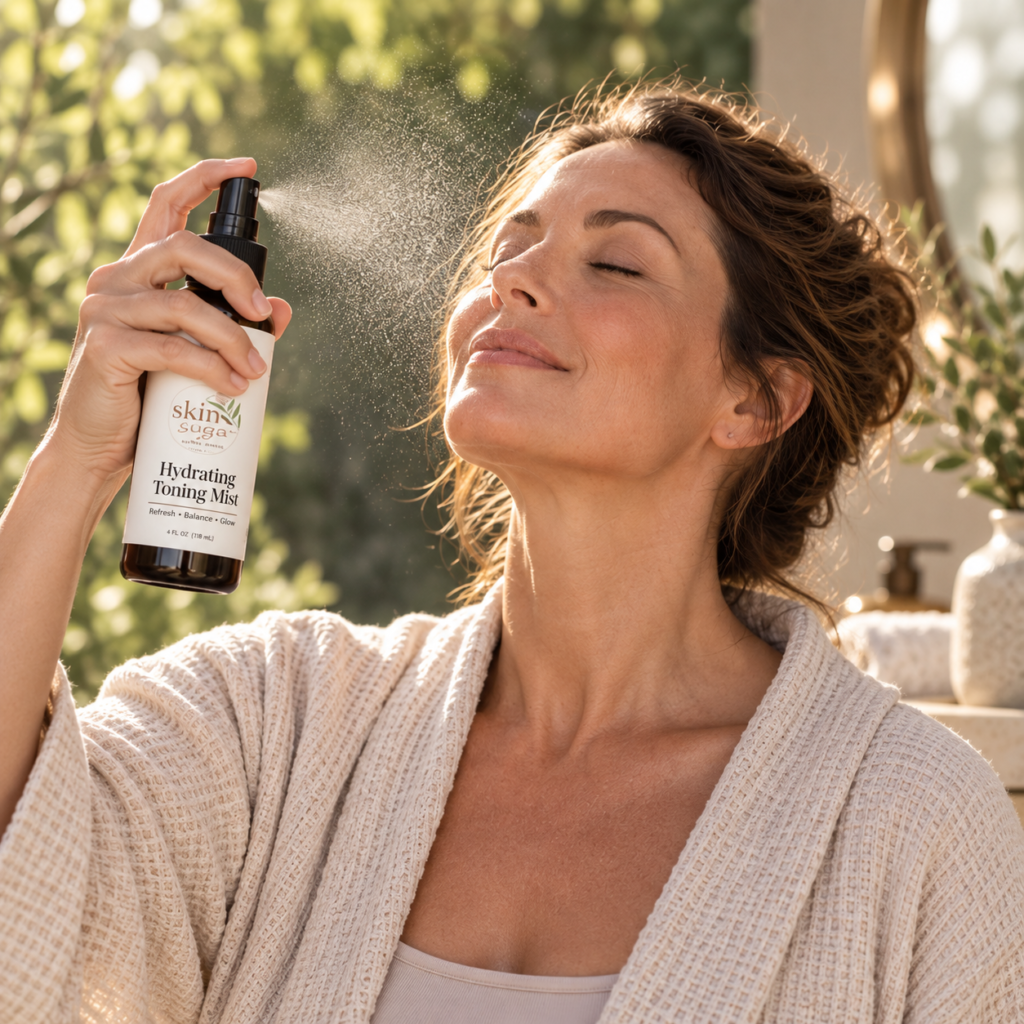
For a straightforward daily ritual, the Ultimate Hydration Ritual brings together a Cream Cleanser, Hydrating Toning Mist, Hyaluronic Acid Serum, Nourishing Moisturiser and Nourishing Facial Oil. It is especially comforting for dry, dehydrated or mature skin.
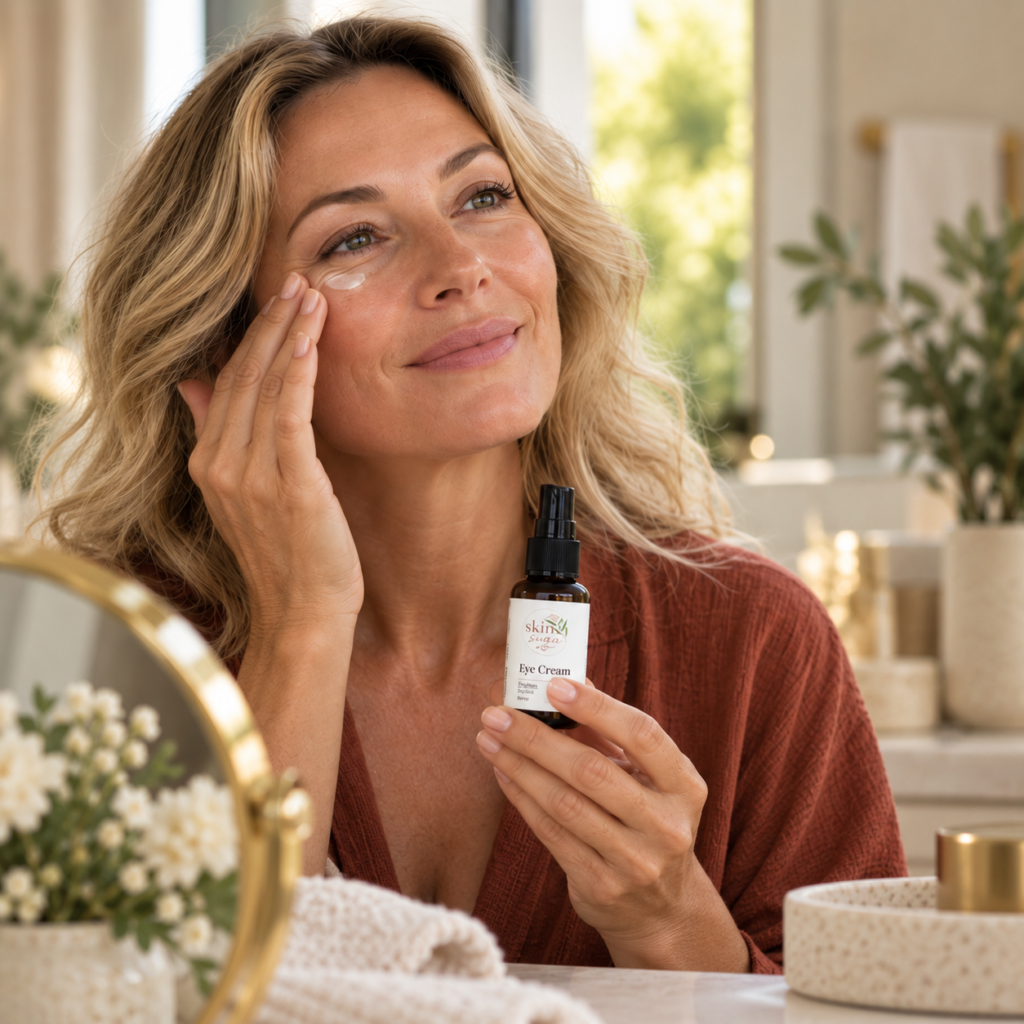
If your focus is brightness and a soft daily glow, the Age-Defying Ritual offers a more complete routine with cleansing, toning, vitamin C, nourishing moisturisation, eye care and an evening Vitamin A Oil.
A nourishing ritual might look like this:
- Begin with a gentle cleanse that leaves the skin soft rather than tight.
- Refresh with a hydrating mist or toner.
- Apply a targeted serum, such as a vitamin C formula in the morning.
- Follow with moisturiser to support lasting comfort.
- Finish with a few drops of facial oil when the skin needs extra nourishment.
- Apply broad-spectrum SPF during the day, especially under the Australian sun.
A gentle way to begin
You do not need to overhaul your whole diet overnight. Start by choosing one colourful fruit or vegetable with each meal. Add walnuts or seeds to breakfast. Enjoy oily fish a couple of times a week if it suits you. Keep a bottle of water nearby and allow meals to be pleasurable rather than something to feel anxious about.
If you have a medical condition, food allergy or dietary restriction, or you are considering supplements, it is wise to speak with your GP or an accredited practising dietitian. Food-first nourishment is generally the gentlest place to begin, and supplements are not automatically better.
Your skin deserves care that feels supportive, not demanding. With antioxidant-rich foods on your plate and Australian botanical skincare in your ritual, you can create a quiet, nourishing approach to glow : one delicious meal and comforting application at a time.
Sources and further reading
- Nutritional Dermatology: Optimizing Dietary Choices for Skin Health : Nutrients, 2025.
- The 11 Best Foods for Healthy Skin : Healthline, medically reviewed.
- Kakadu Plum: Australia’s Brightening Powerhouse for Mature Skin
- Desert Lime and Rice Peptides: The Australian Firming Duo Your Skin Needs
This article is for general educational purposes only and is not medical or dietary advice.