
Antioxidant support in a nourishing base
What does vitamin E do for mature skin?
The short answer: Topical vitamin E is an antioxidant and oil-soluble conditioning ingredient used in skincare to support a soft, moisturised surface. Mature dry skin may enjoy it in a balanced cream, facial oil or eye product, but pure vitamin E is not automatically better and can feel heavy or irritate some people. Choose the complete formula, patch test, and use sunscreen for daytime UV protection.
Vitamin E often appears near the end of an ingredient list under names such as tocopherol or tocopheryl acetate. Its role is quieter than many trend ingredients: antioxidant support for the formula and a conditioning contribution to the skin’s surface.
It is oil-soluble, so it naturally suits creams, balms and facial oils. That makes it relevant to mature skin that feels dry or rough, especially when paired with plant oils and emollients. It does not erase wrinkles, reverse sun damage or replace medical treatment.
The most useful question is not whether vitamin E is good in isolation. It is whether the whole product has the right texture, supporting ingredients and level of richness for your skin.
How vitamin E supports a skincare formula
Vitamin E can help protect oils in a formula from oxidation and contributes antioxidant activity when applied to skin. In a well-designed facial oil, it sits alongside fatty-acid-rich botanical oils that soften the outer layer and reduce the dry, brittle feel mature skin can develop.
Antioxidant is not another word for sunscreen. Topical antioxidants may complement a daytime routine, but only a tested broad-spectrum sunscreen carries the responsibility for UV protection. In Australia, use SPF50 or SPF50+ according to the label, along with shade, clothing and a hat.
Why mature dry skin may enjoy it
Skin commonly produces less sebum with age. A vitamin E-containing cream or oil can improve the immediate feeling of softness because its base supplies emollients. The result may be a smoother-looking surface and less visible flaking, not a structural change to the skin.
Skin Suga Glow Face Oil uses vitamin E with rosehip, sea buckthorn, jojoba, sweet almond, avocado and chia oils. The Vitamin A Oil also includes vitamin E alongside bakuchiol, rosehip and jojoba. Around the eyes, Eye Cream combines vitamin E with sea buckthorn, resveratrol, jojoba and cucumber seed oil.
A simple vitamin E evening routine
- Cleanse gently. Remove sunscreen and makeup without leaving the face tight.
- Apply a water-based serum if needed. Keep this layer light and purposeful.
- Use moisturiser. Choose a cream that gives dry skin a comfortable base.
- Add facial oil selectively. Press two or three drops over dry areas rather than saturating the face.
- Watch the response. Reduce frequency if the finish feels congested, hot or itchy.
Is pure vitamin E oil better?
Not necessarily. A concentrated sticky oil can be difficult to spread and may cause irritation or congestion in some people. A complete cosmetic formula distributes vitamin E through a base designed for application, stability and preservation.
Avoid opening vitamin E supplement capsules and applying their contents to the face. Oral supplements are formulated for ingestion, not as preserved leave-on skincare. Choose a product labelled for facial use and follow its directions.
Can vitamin E cause a reaction?
Yes. Natural origin and vitamin status do not guarantee tolerance. Vitamin E and the botanical oils or fragrance components around it may trigger contact irritation in an individual. Patch test a new product and introduce only one at a time.
Stop if you develop persistent burning, swelling, pronounced redness or an itchy rash. Skin that is acne-prone may prefer a lighter cream rather than a rich oil blend across the whole face.
Vitamin E and vitamin C together
These antioxidants often appear together in skincare, and separate vitamin C and vitamin E-containing products can usually share a routine. Apply the water-based serum first, then moisturiser and facial oil. There is no need to mix them in your hand.
For a brightening-focused morning, Skin Suga Vitamin C Serum can sit beneath moisturiser and sunscreen. Reserve Glow Face Oil for the evening if oil beneath makeup or sunscreen feels heavy. Product comfort matters more than forcing every antioxidant into one routine.
Vitamin E around mature eyes
The eye area benefits from precision. Use a rice-grain amount of a product intended for eyes and tap it around the orbital bone, avoiding the lash line. More cream can migrate and contribute to puffiness or blurred vision.
Skin Suga Eye Cream uses vitamin E within a broader nourishing formula rather than as a pure oil. It can soften the look of dry surface texture, but it is not a treatment for eye disease, eczema or unexplained swelling.
Morning or night?
Vitamin E can appear in products used at either time. Rich facial oils are often easiest at night, while a balanced moisturiser may suit both. In the morning, keep all layers light enough that sunscreen can form an even film.
If makeup separates, move the oil to evening rather than reducing sunscreen. A product can be beneficial and still belong at a different time of day.
How to find vitamin E on an ingredient list
Look for names such as tocopherol and tocopheryl acetate. Their position on the list does not tell you the product’s entire value, and a higher concentration is not automatically preferable. Consider the base, the other oils or emollients, the packaging and whether the texture suits your face.
Store facial oils away from direct sunlight and Australian heat, close the cap promptly and stop using a product if its smell, colour or texture changes noticeably. Vitamin E can support formula stability, but no cosmetic remains fresh indefinitely.
Ritual first: Radiance & Glow Ritual
The Radiance & Glow Ritual combines antioxidant-focused care with hydration and a nourishing finish. It places vitamin E-containing Glow Face Oil within a complete routine instead of asking one ingredient to do everything.
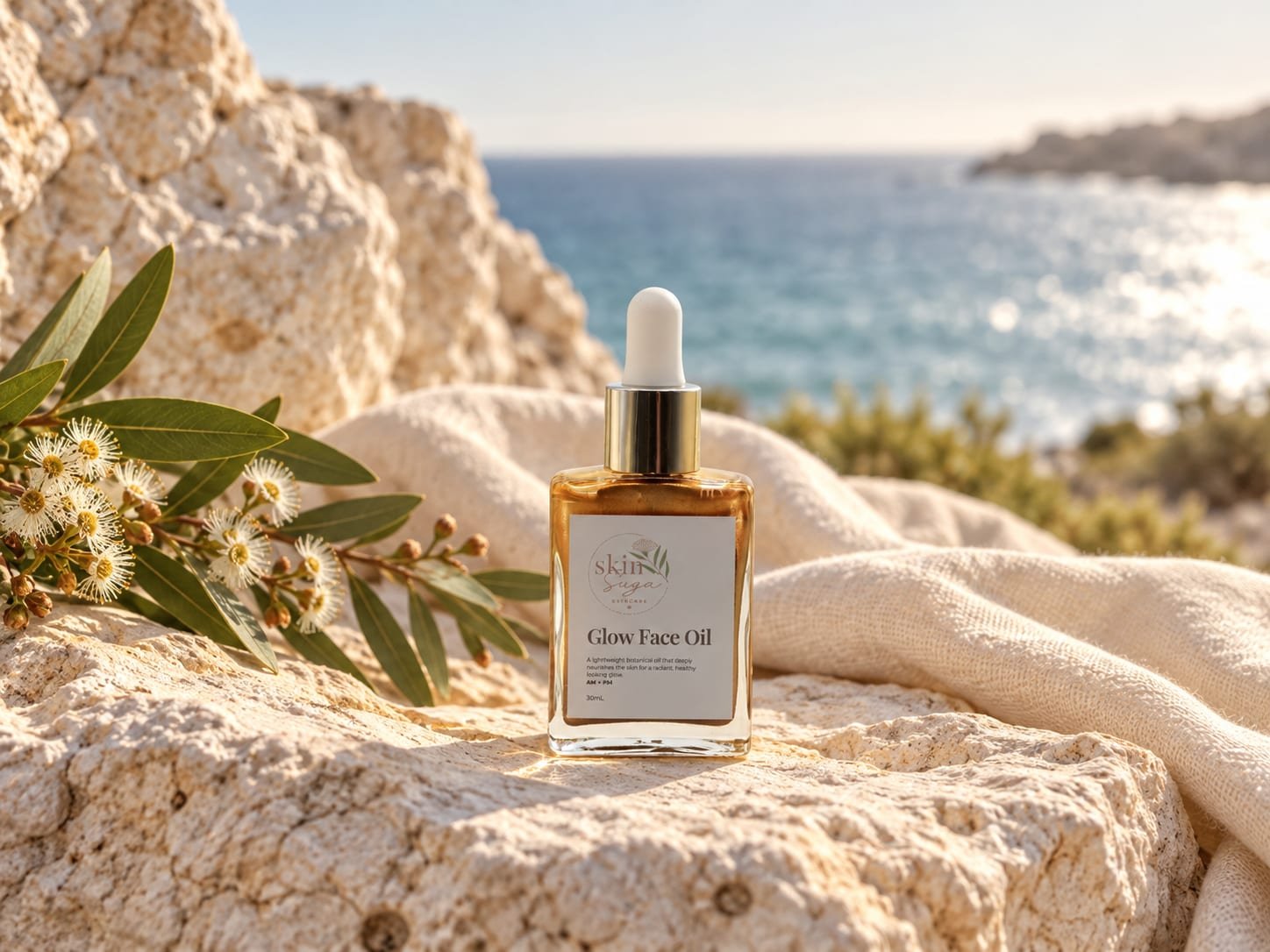
Glow Face Oil
Vitamin E with rosehip, sea buckthorn, jojoba, avocado, chia and sweet almond oils for a soft evening finish.
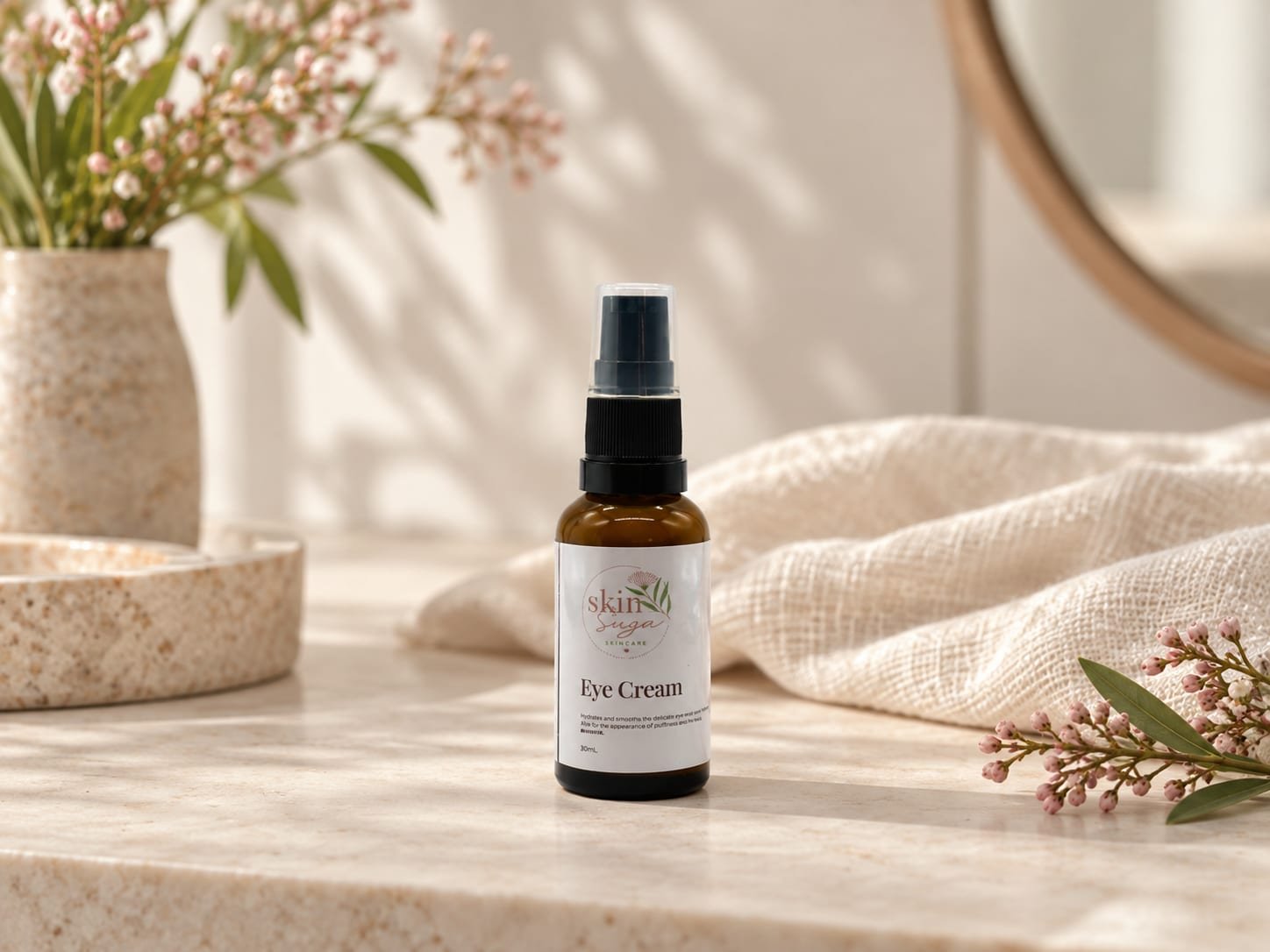
Eye Cream
Vitamin E, sea buckthorn, resveratrol, jojoba and cucumber seed oil in a formula designed for the eye area.
Choose vitamin E in a complete ritual
Let texture, supporting oils and your skin’s comfort guide the choice.
Common questions
Does vitamin E fade scars?
Do not rely on topical vitamin E to treat scars. Ask a pharmacist, GP or dermatologist about established or changing scars.
Can oily mature skin use it?
Yes in a suitable light formula, but a rich facial oil may feel excessive. Start on dry areas or use a lighter moisturiser.
Can I use vitamin E every night?
Yes when the complete product is designed for that frequency and remains comfortable. Daily use is not required.
Is vitamin E a preservative?
It can help protect oils from oxidation, but it does not replace the full preservative system required in a water-containing cosmetic.
Sources
- Cleveland Clinic: Vitamin E and skin
- DermNet: Contact reactions to cosmetics
- Cancer Council Australia: Sunscreen advice
General cosmetic skincare information only. Seek advice for persistent irritation, a changing scar or a concerning skin lesion.