
Australian water and skin comfort
Can hard water make mature skin feel dry?
The short answer: Hard water can contribute to post-wash tightness and irritation for some people because its minerals can interact with cleansers and leave more surfactant residue on the skin. It is rarely the only cause of dryness. Use lukewarm water, a gentle low-foaming cleanser, rinse thoroughly, pat dry and moisturise promptly before investing in filters or changing your whole routine.
If your face feels comfortable before cleansing and tight immediately afterwards, the water and washing process deserve attention. Hard water contains higher levels of minerals such as calcium and magnesium. Those minerals are safe to drink within local standards, but they can change how soap and some cleansers rinse from skin.
Research has linked hard water with greater surfactant deposition after washing and increased irritation in susceptible skin. DermNet also lists washing in hard water, which can increase pH, among factors associated with atopic dermatitis. That does not mean hard water causes every dry patch, or that a filter will cure a skin condition. Temperature, cleanser type, washing time and the condition of your barrier all matter.
Mature skin may notice the effect more readily because natural oils and barrier lipids can decline with age. Add Perth heat, winter air, long hot showers or indoor cooling, and a previously acceptable wash can start to feel stripping. The first response should be gentle and inexpensive: change how you cleanse before redesigning the plumbing.
What hard-water dryness can feel like
Common descriptions include tightness within minutes of washing, a squeaky-clean feel, dullness, rough patches or cleanser that seems difficult to rinse. You may also notice scale on taps and shower screens, although visible scale does not prove that facial symptoms come from the water. Dryness can look similar whether the cause is weather, over-cleansing, exfoliation or irritation.
Itching, redness and recurrent scaling need more caution. These symptoms may reflect eczema, contact dermatitis or another condition. A cosmetic routine can reduce avoidable stress, but persistent inflammation needs a pharmacist, GP or dermatologist. Do not keep adding oils over an unexplained rash.
A gentler hard-water routine
- Turn down the temperature. Use lukewarm rather than hot water. Heat can remove more surface oil and increase tightness.
- Use less cleanser. Massage a small amount of Cream Cleanser over damp skin for about 30 seconds without brushes or scrubs.
- Rinse thoroughly. Use clean hands and enough lukewarm water to remove the cleanser film, especially around the hairline and jaw.
- Pat, do not rub. Leave the skin comfortable rather than polishing it completely dry.
- Moisturise promptly. Apply Hyaluronic Acid Serum if desired, then Nourishing Moisturiser while the skin still feels fresh.
- Protect by day. Finish the morning with broad-spectrum SPF50 or SPF50+ sunscreen.
Should you use micellar or bottled water?
A short trial can help you learn whether tap water is part of the problem. For seven days, keep your products unchanged but use cooled boiled water, suitable bottled water or a final soft-water rinse on one routine. This is an observation, not a treatment. If comfort improves clearly, water may be one contributor. If nothing changes, look at cleanser, temperature and active products.
Micellar water is not automatically residue-free. Some formulas are intended to be rinsed, and leaving surfactants on reactive skin may still cause discomfort. Follow the label. Avoid turning a simple test into a complicated routine with several new cleansing waters, cloths and sprays at once.
Do shower filters soften hard water?
Many shower filters are designed mainly to reduce chlorine, sediment or odour. A standard carbon filter does not necessarily remove the calcium and magnesium that define hardness. True softening often uses ion exchange or another system designed for that purpose. Ask for independent specifications before buying and check what the unit removes, its flow rate, cartridge cost and maintenance schedule.
If the problem is only facial tightness, a whole-house system may be an expensive first experiment. Start with water temperature, a gentler cleanser and prompt moisturising. If several people in the household notice scale, poor lather and dry-feeling skin or hair, a water-quality test and advice from a qualified supplier may be more informative than marketing claims.
Why cleanser choice matters
Traditional soaps can be alkaline and may interact more visibly with hard-water minerals. Modern facial cleansers use different surfactant systems, but some still leave mature skin feeling stripped. A cream cleanser with emollient ingredients can reduce the squeaky finish. More foam does not mean a cleaner face, and a second cleanse is only needed when sunscreen, makeup or heavy residue remains.
Massage with fingertips rather than a rough cloth. Cleansing devices and exfoliating grains add mechanical stress when the skin already feels tight. If you double cleanse at night, make the second step brief and gentle. In the morning, a water rinse may be enough if skin is clean and comfortable.
Layering hydration after washing
Apply a hydrating serum before tightness sets in, then follow with moisturiser. Hyaluronic acid adds a water-focused layer; Nourishing Moisturiser supplies emollients and a richer finish. On very dry evenings, press a small amount of Nourishing Facial Oil over the cream. The sequence matters because oil alone cannot replace the water that was lost during washing.
If products sting only after cleansing, the washing step may be leaving the barrier vulnerable. Pause strong exfoliants and introduce no new actives until comfort returns. If even plain moisturiser burns persistently, or if the skin cracks, weeps or swells, seek professional advice.
Hard water, chlorine and dry weather are different
Hardness describes mineral content. Chlorine is used to disinfect water. Low humidity describes the air. Each can influence how skin feels, but a filter that addresses one does not automatically address the others. This distinction matters when evaluating a product claim. Ask for measured local water data where available and match the solution to the actual issue.
Season can also change the result. The same tap water may feel fine in humid weather and drying during a cold, windy week because the air increases water loss. Adjust the cream layer first. A richer moisturiser in winter and a lighter one in summer may be enough without changing the cleanser.
Ritual first: Ultimate Hydration Ritual
The Ultimate Hydration Ritual creates a calm sequence for water-stressed skin: Cream Cleanser, Hydrating Toning Mist, Hyaluronic Acid Serum, Nourishing Moisturiser and Nourishing Facial Oil. You can use the whole ritual at night or keep daytime lighter. The key is to cleanse gently and rebuild comfort immediately afterwards.
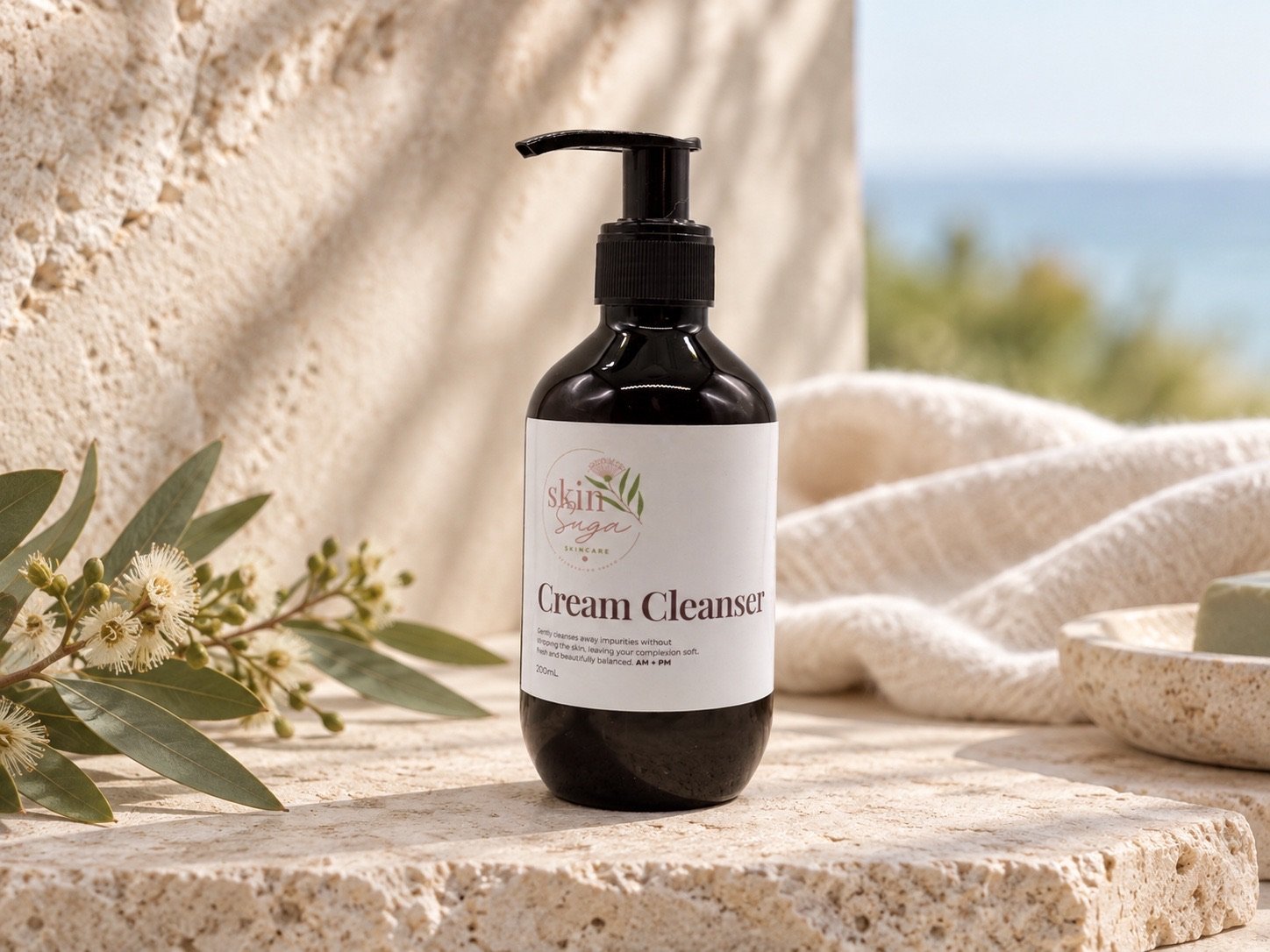
Cream Cleanser
Apricot kernel oil, milk thistle, oat and cucumber support a soft, non-stripped cleanse without relying on a high-foam finish.
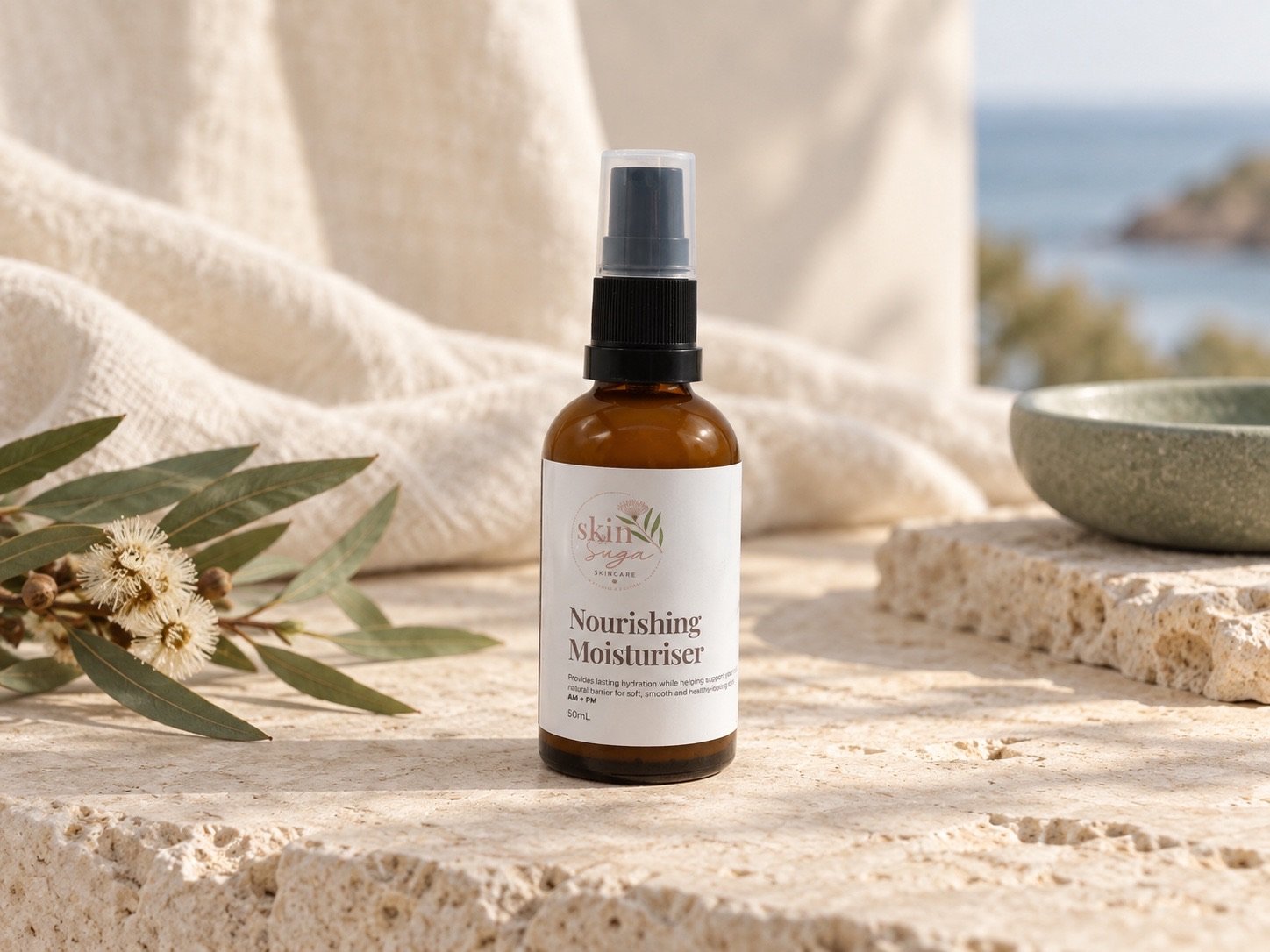
Nourishing Moisturiser
A richer comfort layer with jojoba, shea butter and botanical oils for mature skin that feels tight after washing.
Change the wash before changing everything
Use less heat, less cleanser and less friction, then rebuild hydration promptly with a complete ritual.
Common questions
Is Perth water hard?
Water hardness varies by source and location. Check current information from your local water provider or use a reliable test rather than assuming from skin symptoms alone.
Will boiling water remove hardness?
Boiling may reduce temporary hardness but does not reliably solve every mineral issue. It can be useful only as a small facial-rinse trial after cooling safely.
Can hard water cause eczema?
Research suggests an association and plausible barrier mechanisms, but eczema has multiple causes. A recurring itchy rash needs medical assessment.
Should I stop cleansing?
No. Cleanse when needed to remove sunscreen, makeup and residue, but use a gentle formula, lukewarm water and a shorter contact time.
Sources
- PubMed: Water hardness, surfactant deposition and skin irritation
- DermNet: Causes of atopic dermatitis
- DermNet: Skin barrier function
- American Academy of Dermatology: Choosing a moisturiser
General cosmetic information only. Persistent itching, redness, scaling, cracking or swelling needs professional assessment.