

Consistency matters more than intensity
Can mature skin use vitamin C serum every day?
The short answer: Yes. Mature skin can usually use a well-formulated vitamin C serum every day when it is introduced gradually and remains comfortable. Morning use is practical because vitamin C sits well beneath moisturiser and sunscreen, but frequency should always follow the formula directions and your skin’s response.
Daily vitamin C is usually a question of tolerance, not age. Mature skin can use vitamin C every day when the formula suits the skin, is introduced at a sensible pace and does not cause persistent stinging, redness or dryness. Morning use is common because an antioxidant serum can sit beneath moisturiser and sunscreen, but consistent comfortable use matters more than forcing the highest concentration.
What vitamin C can realistically do
Topical vitamin C is used in skincare for antioxidant support and to improve the cosmetic appearance of brightness and uneven-looking tone. It can help a complexion look more luminous over consistent use. It does not bleach the skin, erase established sun damage or replace broad-spectrum sunscreen.
Results depend on the form of vitamin C, concentration, supporting ingredients, packaging and stability. A product that turns dark, smells markedly different or has been stored badly may not perform as intended. Follow the formula directions and storage information rather than comparing percentages alone.
Vitamin C is not a one-night treatment. Surface hydration can make skin look brighter quickly, but a fair assessment of tone or radiance needs several weeks of consistent use in a stable routine.
Why mature skin may respond differently
Skin after 40 can be drier, more reactive or less tolerant of rapid changes, particularly during perimenopause and menopause. That does not make vitamin C unsuitable. It means the rest of the routine should be gentle enough that one serum is not competing with harsh cleansing, frequent scrubs and several new actives.
A compromised or irritated surface can sting when almost anything is applied. If water, moisturiser and sunscreen also burn, pause active products and focus on gentle care. Significant or persistent irritation belongs with a health professional, not a stronger serum.
How to introduce daily use
Patch test first according to the product directions. Then use the serum every second or third morning for the first week. If the skin remains calm, increase to daily use. This measured introduction helps distinguish a reaction to the serum from irritation created by too many simultaneous changes.
Use only the directed amount. More serum does not produce faster results and may leave the surface sticky or increase irritation. Apply to clean skin, allow it to settle, then follow with moisturiser if needed and broad-spectrum sunscreen.
If daily use becomes uncomfortable, reduce frequency rather than pushing through. Three or four comfortable mornings each week can be more useful than daily application followed by a week-long break.
Morning or evening?
Morning is practical because vitamin C complements a sun-conscious routine, but it is not sunscreen and cannot replace it. Some formulas can also be used at night. Follow the product instructions and keep the routine simple enough that you know which product is causing any change.
If you use vitamin A or a retinoid at night, placing vitamin C in the morning separates the two targeted steps. This can be easier for sensitive mature skin than stacking several active formulas together. It is a routine-design choice, not a universal chemical prohibition.
Can vitamin C be used with hyaluronic acid?
Yes. Hyaluronic acid is a humectant used for hydration and generally layers comfortably with vitamin C. Apply the vitamin C serum first if it is the thinner targeted treatment, then add hydrating serum only if your skin needs the extra layer. Too many serums can pill beneath sunscreen, so do not add a product merely because the combination is allowed.
Vitamin C can also be followed by moisturiser. Emollient and occlusive ingredients can improve comfort without cancelling the serum. The best sequence is the one that follows each formula’s directions and leaves the skin calm.
What mild tingling does and does not mean
A brief mild sensation can occur with some acidic formulas, but tingling is not proof of effectiveness. Persistent burning, swelling, hives or worsening redness is a reason to stop. Wash the product off if needed and seek professional advice for a significant reaction.
Do not use redness as a progress marker. The aim is a routine that can be repeated. Visible irritation can make tone look more uneven and undermine the brightness result you were seeking.
A measured morning vitamin C routine
- Cleanse gently and pat the skin dry.
- Apply the directed amount of vitamin C serum.
- Allow the serum to settle without vigorous rubbing.
- Add a hydrating serum only when dryness requires it.
- Apply moisturiser in a light, comfortable layer.
- Finish with broad-spectrum sunscreen in the labelled amount.
- Review comfort after one week before increasing frequency.
Where Skin Suga fits
The Radiance & Glow Ritual is the most relevant coordinated option. It places Vitamin C Serum inside a complete routine rather than treating one active as the whole answer. The ritual supports cleansing, hydration, moisturising and radiance, with sunscreen added separately every morning.
Skin Suga Vitamin C Serum combines three forms of vitamin C with Kakadu plum, rosehip, mountain pepper berry and aloe vera. The ingredient story is broader than a percentage: botanical support, formula stability, texture and tolerance all shape the experience. Use it as directed and judge changes in brightness over weeks.
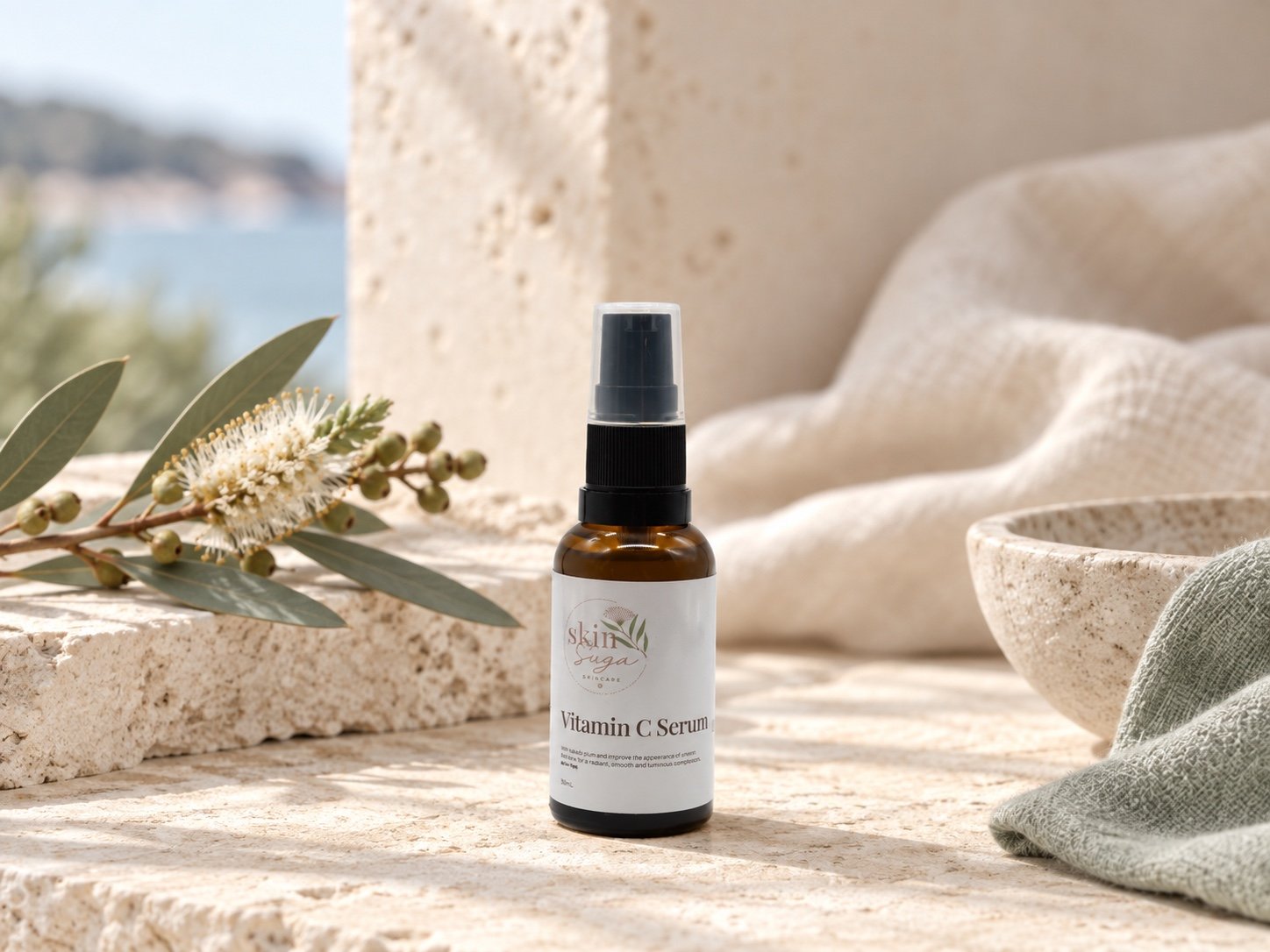
Vitamin C Serum
An antioxidant-focused serum with three vitamin C forms plus Kakadu plum, rosehip, mountain pepper berry and aloe vera.
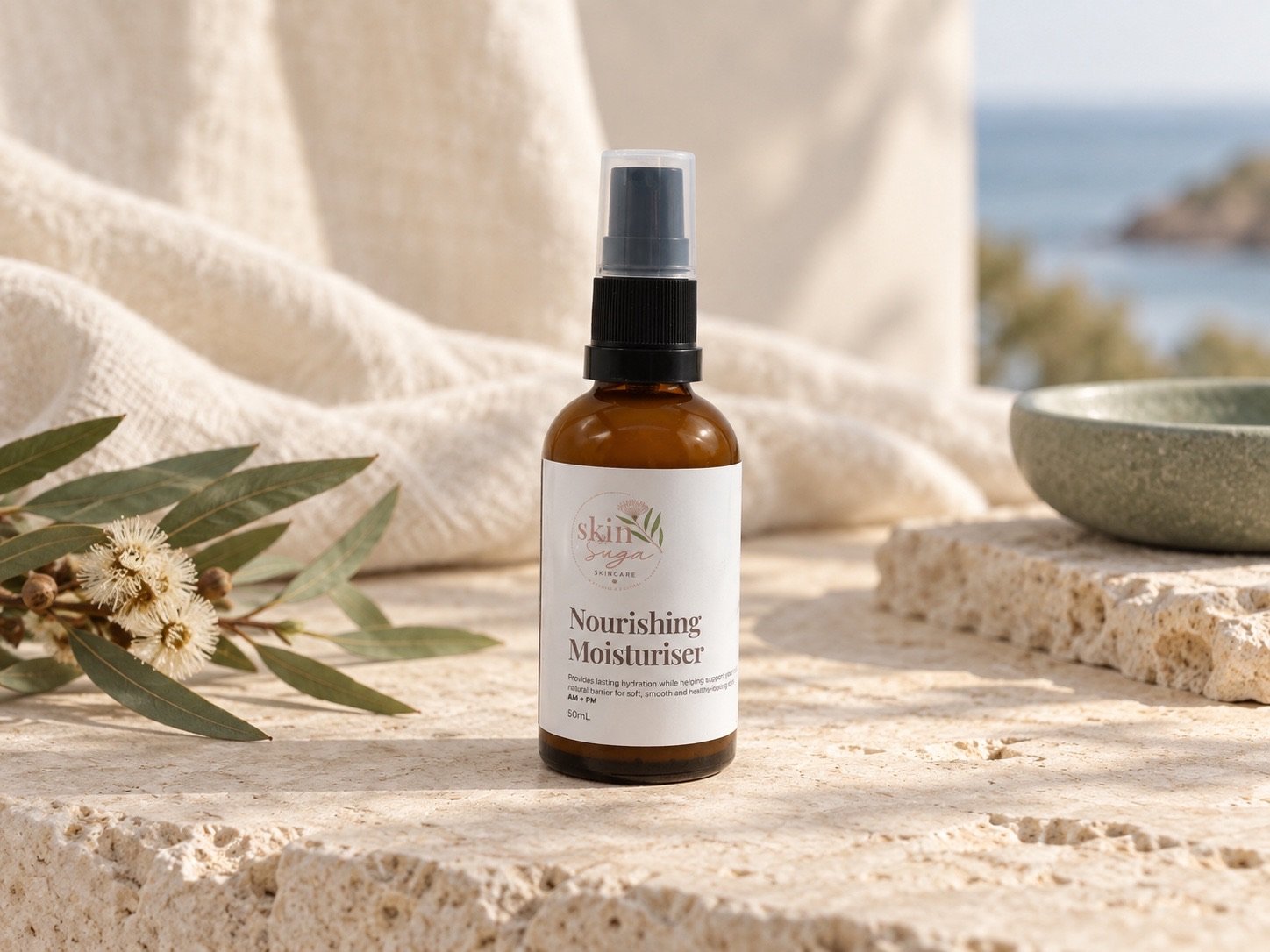
Nourishing Moisturiser
A comfort layer with jojoba, shea butter and botanical oils for skin that feels dry after serum.
When daily use may not be the best plan
- Your skin is already irritated, sunburnt or reacting to another new product.
- The serum causes persistent burning, redness or dry flaking.
- You have introduced vitamin A, exfoliating acids and vitamin C at the same time.
- The formula has changed colour, smell or texture beyond the maker’s guidance.
- You are applying extra product to chase faster results.
- A dermatologist has advised a different routine for a diagnosed condition.
Frequently asked questions
Is vitamin C too strong for skin over 60?
Age alone does not make vitamin C too strong. Formula, concentration, existing dryness and individual tolerance matter more. Start gradually and keep the surrounding routine gentle.
Can I use vitamin C and vitamin A on the same day?
Many people use vitamin C in the morning and vitamin A at night. Introduce each separately and reduce frequency if irritation develops.
How long before vitamin C makes skin brighter?
Immediate glow may come from hydration and light reflection. Judge more meaningful cosmetic brightness after at least six weeks of consistent, comfortable use.
Do I still need sunscreen?
Yes. Vitamin C does not replace sunscreen. Finish the morning routine with broad-spectrum sunscreen and use other sun-protection measures.
Make radiance a routine, not a rush
Use vitamin C consistently inside a gentle ritual, protect the skin each morning and let comfort guide frequency.
Sources and further reading
- Cleveland Clinic: Vitamin C serum benefits and use
- American Academy of Dermatology: Maximising anti-ageing product results
- American Academy of Dermatology: Skin care in your 60s and 70s
This is general cosmetic education. Stop a product and seek professional advice for a significant or persistent reaction.