

One product can do two shifts
Can mature skin use the same moisturiser morning and night?
The short answer: yes. If one moisturiser leaves your skin comfortable, works beneath sunscreen and makeup, and feels nourishing enough overnight, there is no rule requiring separate day and night creams. Use different products only when they solve a real texture or ingredient need, not because the labels imply that two jars are essential.
A day cream and night cream can be useful, but they are not automatically a better system. Mature skin often benefits most from consistency: gentle cleansing, suitable hydration, moisturiser and reliable morning sun protection.
What moisturiser actually does
Moisturisers combine ingredients that attract water, soften the surface and slow water loss. A well-formulated cream can perform those jobs at any hour. The main difference between many day and night products is texture: daytime creams tend to be lighter beneath sunscreen and makeup, while night creams may feel richer or include ingredients best introduced in the evening.
Sunscreen is separate. A plain moisturiser does not provide sun protection unless it is a regulated sunscreen product used exactly as directed. In Australia, apply a broad-spectrum sunscreen suited to your needs after moisturiser when UV protection is required.
When one moisturiser is enough
- Your skin feels comfortable through the day without excessive shine.
- Sunscreen applies evenly over it without pilling.
- Makeup sits well and does not separate.
- You wake without marked tightness or flaky patches.
- The formula does not contain an ingredient you intentionally restrict to night.
- You prefer a simple routine and consistently use the product.
If all six are true, a second moisturiser may add complexity without improving the result.
When two textures make sense
A lightweight morning moisturiser can help in humid weather or under an emollient sunscreen. A richer night cream may suit dry winter air, menopause-related dryness or the nights when you use vitamin A. Conversely, some women prefer the same cream year-round but adjust the amount: a thin morning layer and a more generous evening layer.
Seasonal change is more useful than rigid “day versus night” marketing. Perth summer, Melbourne winter and a long-haul flight create different moisture demands. Keep the routine responsive.
What about active ingredients?
If a night cream contains a vitamin A derivative, exfoliating acid or another active, follow its directions and introduce it gradually. Do not assume a richer cream is gentle simply because it says “night”. Likewise, antioxidants can be used at different times depending on formulation and tolerance. The complete ingredient list and directions matter more than the time printed on the front.
Prescription retinoids and medical treatments require advice from the prescriber. Do not replace them with a cosmetic cream or layer them unpredictably because the skin feels dry.
Three ways to organise moisturiser after 40
The one-cream routine
Use the same moisturiser morning and night, varying quantity. Add sunscreen every morning.
The texture-pair routine
Use a lighter moisturiser in humid daytime conditions and a richer cream at night or in winter.
The treatment-night routine
Use your familiar moisturiser most nights and a specific night formula on scheduled evenings, introduced slowly.
How to test whether one cream works
Use it consistently for two weeks without changing the rest of the routine. In the morning, check whether sunscreen spreads evenly and sets according to its directions. At night, note comfort on waking. Reduce quantity if the face feels coated; increase slightly on dry zones if needed.
Do not judge only by immediate richness. A very heavy cream can feel luxurious yet cause congestion or interfere with sunscreen. A lighter formula can feel elegant but leave dry cheeks unsupported. The right product is the one that gives sustained comfort in your climate.
Keep the test fair by leaving cleanser, serum and sunscreen unchanged. Record only three observations: comfort at midday, sunscreen or makeup compatibility, and comfort on waking. That small diary is more useful than changing the cream every second night based on a single mirror check.
Application placement can also replace a second jar. Press a little more cream over cheeks, jaw and neck, then use what remains through the centre of the face. On humid mornings, a hydrating serum followed by sunscreen may be enough for some people; on dry evenings, the same moisturiser can be followed by a few drops of facial oil.
Skin Suga options
The Daily Essentials Ritual uses Nourishing Moisturiser as the final moisturising step after Cream Cleanser, Anti-Ageing Toner and Hyaluronic Acid Serum. Its jojoba oil, shea butter, green tea, mangosteen, acai and avocado oils provide a balanced botanical-rich finish that can be adjusted by amount morning and evening.
For someone who wants a distinct night treatment, the Age-Defying Ritual includes Vitamin A Oil, Anti-Ageing Moisturiser and Eye Cream alongside cleanser and toner. Introduce the Vitamin A Oil according to directions rather than adding it every night immediately. Morning sunscreen remains essential.
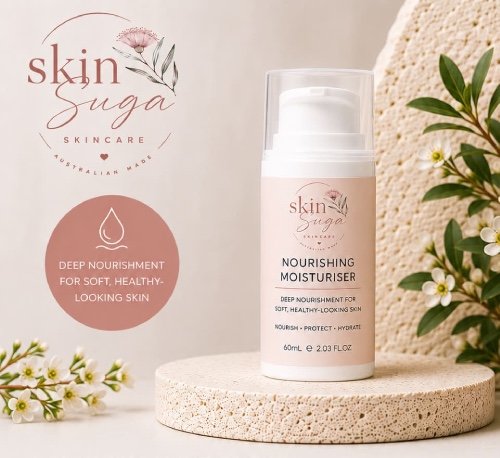
A flexible everyday cream
Use a lighter amount under sunscreen and a fuller layer at night if the skin wants more comfort.
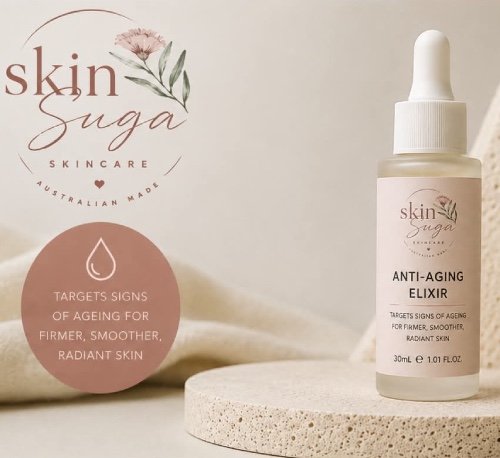
Keep serum and cream jobs distinct
A treatment serum can sit beneath a familiar moisturiser without requiring an entirely new cream category.
Choose simplicity or a purposeful night ritual
Daily Essentials suits a consistent one-moisturiser routine. Age-Defying adds a more deliberate evening focus.
Explore Daily EssentialsExplore Age-Defying RitualSigns the moisturiser is not the right fit
Persistent stinging, itching, swelling or rash can indicate irritation or allergy and should not be “pushed through”. Frequent congestion may mean the texture is too occlusive for some areas. Ongoing flaking despite moisturiser can have causes beyond cosmetic dryness. Stop a suspected product and seek professional advice when symptoms are significant or persistent.
A moisturiser should support the routine, not force you to add multiple corrective products. If it pills beneath sunscreen, first reduce quantity and allow it to settle. If that fails, use a lighter morning option while keeping the richer cream for evening.
Common questions
Is night cream stronger than moisturiser?
Not necessarily. Night creams are often richer or contain particular actives, but the formulation and directions determine function.
Can I use night cream in the morning?
You can if it contains no night-only ingredient, works beneath sunscreen and feels comfortable. Check the label and do not skip sunscreen.
Can I use facial oil instead of night cream?
Oil softens and slows water loss but does not replace all the water-binding and emulsifying functions of a moisturiser. Most dry mature skin benefits from moisturiser first.
Should I change moisturiser in summer?
Only if comfort, humidity or sunscreen compatibility changes. A smaller amount of the same cream may be enough.
Related guides: night cream versus moisturiser, whether facial oil can replace moisturiser and humid-weather skincare.
Sources and further reading
- American Academy of Dermatology: choosing moisturiser texture
- American Academy of Dermatology: moisturiser and sunscreen as foundations
- Cancer Council Australia: sunscreen basics
General cosmetic education only; not medical advice.