
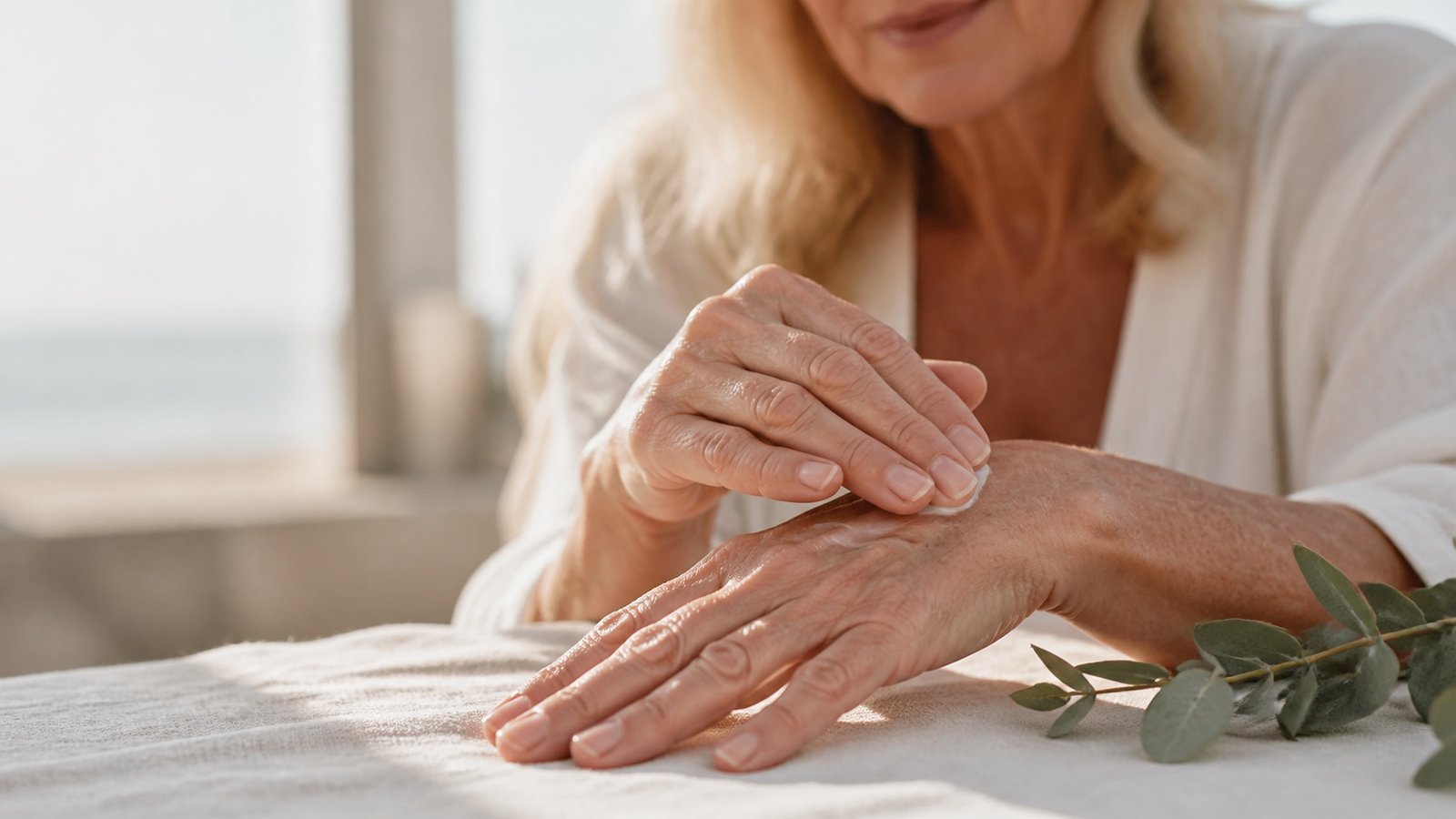
Care beyond the face
How should women over 40 care for ageing hands?
The short answer: protect the backs of the hands from Australian UV, moisturise after washing, use gloves for cleaning and gardening, and treat rough or changing spots seriously. Hands lose water more easily with age and receive repeated sun, soap and detergent exposure. Consistent protection matters more than an elaborate hand routine.
Hands often reveal daily life more than the face does. They are washed repeatedly, exposed while driving, used in the garden and rarely given the same sunscreen attention as the cheeks. Fine lines, dryness and brown spots are common, but rough or changing lesions should never be dismissed as “just ageing”.
Why hands change after 40
Skin gradually loses some collagen, elasticity and water-holding capacity. The backs of the hands also have relatively little cushioning, so veins and tendons can become more visible. Years of ultraviolet exposure contribute to uneven pigmentation, roughness and wrinkles. Frequent handwashing, alcohol sanitiser, detergent and hot water add dryness.
Cosmetics can improve softness and the look of dry texture, but they cannot diagnose or remove suspicious lesions. A persistent rough patch, changing spot, sore that does not heal, or new pigmented lesion should be checked by a qualified health professional.
The four-part hand routine
1. Clean without unnecessary heat
Continue proper handwashing, but choose comfortably warm water. Pat dry rather than rubbing aggressively. Apply hand cream after washing; moisturiser does not undo the hygiene benefit of clean hands.
2. Moisturise while the skin is slightly damp
Look for humectants such as glycerin or hyaluronic acid, emollients such as plant oils or shea butter, and an occlusive component that slows water loss. A richer cream at night can help very dry hands. Cotton gloves over moisturiser may improve comfort, but stop if heat or irritation develops.
3. Protect from detergent and friction
Wear suitable gloves for dishes, cleaning and gardening. Remove rings before prolonged wet work because trapped soap and water can irritate the skin beneath them. If gloves make the hands sweaty, a cotton liner can help.
4. Make sun protection automatic
Cancer Council advises sun protection when UV is forecast to reach 3 or above, and sunscreen is only one part of Slip, Slop, Slap, Seek and Slide. Apply sunscreen to the backs of hands, fingers and wrists according to the label, and reapply after washing or as directed. Driving gloves or long sleeves add physical protection.
A practical day for your hands
- Morning: moisturise if needed, then apply broad-spectrum sunscreen to exposed hands.
- After washing: pat dry and reapply hand cream.
- Cleaning or gardening: use protective gloves.
- Evening: apply a richer moisturising layer and massage it over backs, fingers, cuticles and wrists.
- Monthly: check the skin and nails for changes in good light.
Can facial skincare be used on the hands?
Some people smooth the small amount of facial moisturiser remaining on their palms over the backs of their hands. This is reasonable when the product is tolerated and its directions do not restrict use. It should not replace a dedicated hand cream if frequent washing leaves the skin very dry, and facial actives should not be casually transferred to irritated or cracked hands.
Vitamin A and exfoliating acids can increase irritation and sun sensitivity in some routines. Patch test, follow the product directions and keep sun protection consistent. Do not use cosmetic actives over cuts, dermatitis or undiagnosed rough patches.
Cuticle oil can improve the feel and appearance of dry cuticles, but it does not replace hand cream or sunscreen. Massage a small amount around the nail folds without cutting or aggressively pushing back living skin. Persistent nail splitting, colour change, pain or swelling deserves professional assessment.
Where Skin Suga fits
Skin Suga’s facial rituals are designed for the face, neck and décolletage, not as a substitute for hand sunscreen or medical care. The useful connection is habit: after completing the Ultimate Hydration Ritual at night, you can finish with your chosen hand cream rather than leaving hand care to chance.
For facial dryness that often accompanies dry hands, the Ultimate Hydration Ritual combines Cream Cleanser, Anti-Ageing Toner, Hyaluronic Acid Serum, Nourishing Moisturiser and Nourishing Facial Oil. Hyaluronic acid provides a water-binding step; jojoba, shea butter, avocado and other plant oils support softness. Keep your dedicated hand product beside the facial moisturiser so both routines happen together.
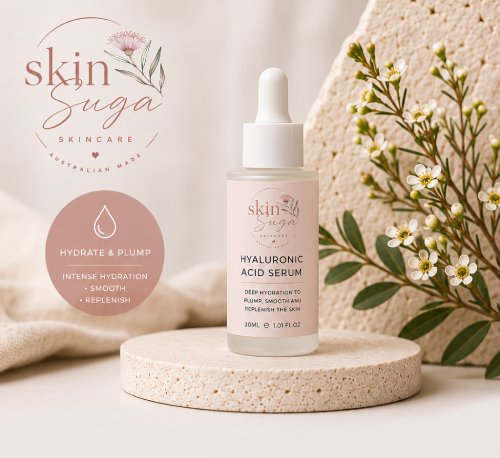
Hydrate the face deliberately
Use Hyaluronic Acid Serum on the face and neck according to directions; pair the habit with hand cream after washing.
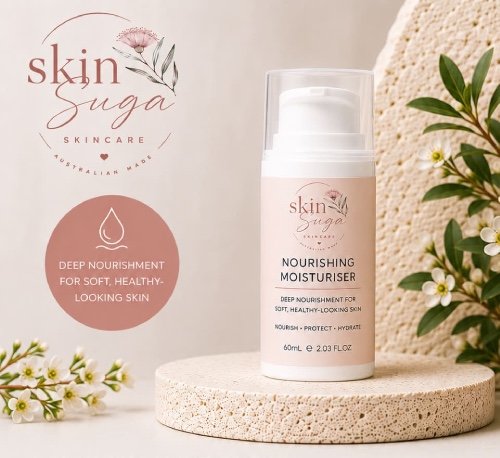
Link routines, not claims
Complete facial moisturising, then use a dedicated hand cream and sunscreen appropriate for the hands.
Create one complete evening care cue
Ultimate Hydration supports dry mature facial skin. Keep hand cream beside it and finish the ritual from face to fingertips.
Explore Ultimate HydrationView Nourishing MoisturiserAge spots, rough spots and when to seek help
Flat brown spots on frequently exposed hands are common after years of sun. A dermatologist can discuss cosmetic options if their appearance bothers you, but first ensure the diagnosis is correct. Do not bleach or aggressively exfoliate an unknown lesion.
Actinic keratoses can feel rough or scaly and may require treatment. Skin cancers can appear in different ways. Seek assessment for a changing mole, persistent scaly patch, bleeding spot or sore that does not heal. In Australia’s high-UV environment, routine skin checks should be discussed with your GP according to personal risk.
What not to do
- Do not use facial oil as sunscreen.
- Do not rely on the small amount of sunscreen left on your palms after applying it elsewhere.
- Do not scrub brown spots with harsh DIY acids.
- Do not apply fragranced products to cracked or inflamed skin if they sting.
- Do not ignore nail changes, persistent itch or painful fissures.
Common questions
Can sunscreen prevent hands looking older?
Regular protection helps reduce further UV-related ageing and supports skin-cancer prevention. It cannot erase all existing change, but it remains the most important preventive step.
How often should I apply hand cream?
After washing and whenever the skin feels dry. A richer evening application may help if daytime cream needs to be lighter.
Can I use retinol on my hands?
Some cosmetic products are formulated for this purpose, but irritation and sun sensitivity are possible. Use only as directed, patch test and seek advice for sensitive skin or existing lesions.
Why do my hands suddenly crack?
Frequent washing, detergent, dry weather and dermatitis may contribute. Deep, painful or persistent cracks require professional advice.
Related guides: neck and décolletage care, sunspots after 40 and winter skincare in Australia.
Sources and further reading
- American Academy of Dermatology: hand care, moisturiser and sunscreen
- American Academy of Dermatology: age-related hand changes
- Cancer Council Australia: sunscreen and often-missed backs of hands
- Cancer Council Australia: UV index and combined protection
General cosmetic education only; not medical advice.