When familiar skincare no longer feels familiar
Why has my skin suddenly become sensitive in perimenopause?
The short answer: Skin can feel suddenly more sensitive during perimenopause because hormonal change may coincide with lower oil production, reduced water retention, a thinner or less resilient surface and shifts in skin pH. Heat, sweat, stress, sun exposure and an already busy active routine can then become more noticeable. Perimenopause is not the only possible cause, so do not self-diagnose a persistent rash. Pause optional actives, cleanse gently, use a simple moisturiser, patch test changes and seek professional advice if burning, swelling, scaling or redness continues.
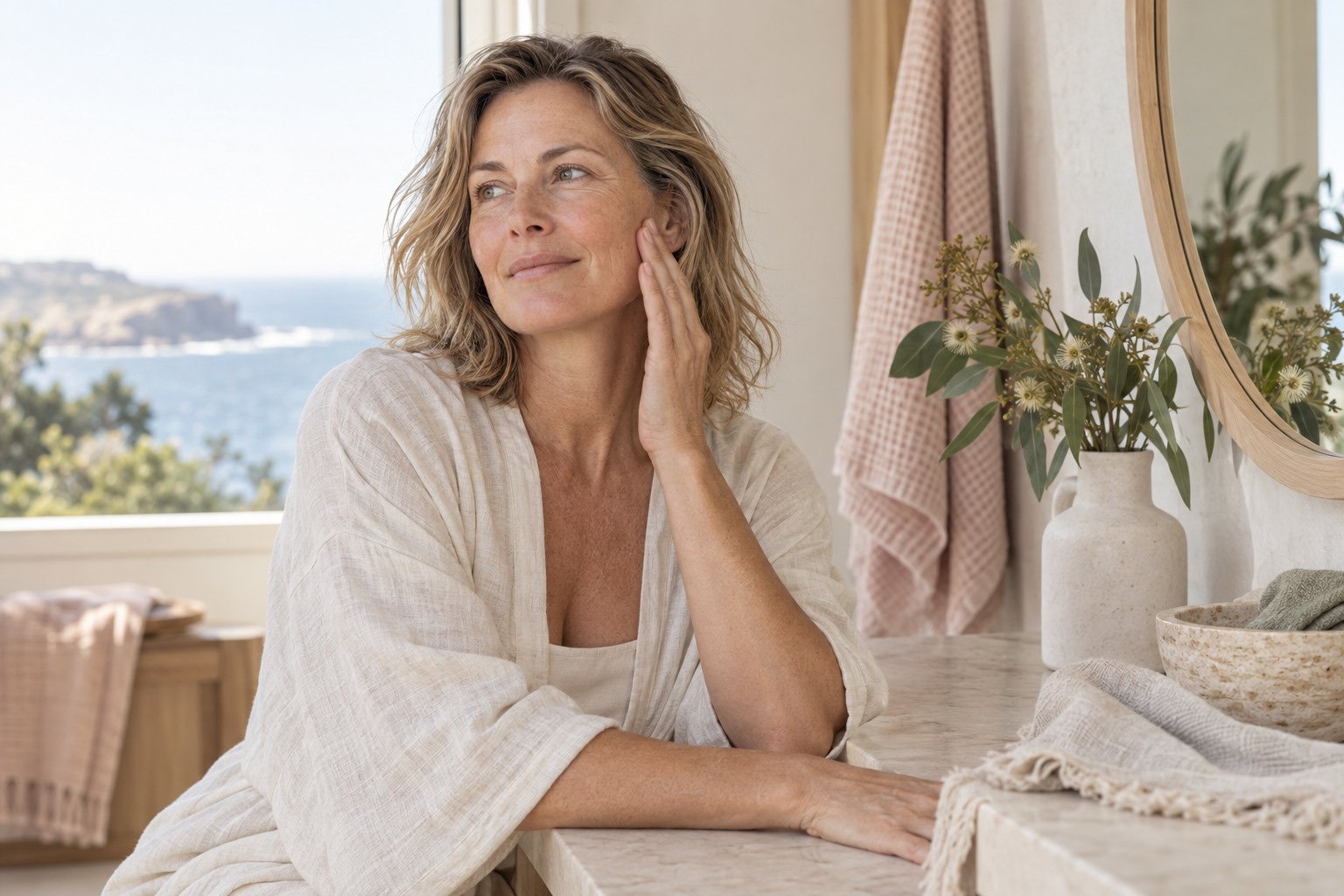
One of the most frustrating midlife skin changes is not simply dryness. It is unpredictability. A cleanser used for years suddenly feels tight. Vitamin C tingles. A rich cream brings redness. Makeup that once sat quietly now seems to amplify every uncomfortable patch. This does not mean your skin has become impossible or that you need a completely new ten-step routine.
Perimenopause is the transition leading up to menopause, and hormone levels can fluctuate rather than decline in a straight line. Skin changes can therefore come and go. The Australasian College of Dermatologists notes that perimenopause and menopause may bring dryness, uneven tone and texture, and greater sensitivity. The American Academy of Dermatology also describes rashes and easily irritated skin becoming more common around this life stage.
Why products may start to sting
When the outer barrier holds less water and contains fewer comfortable surface lipids, ingredients can feel more intense. Lower sebum production can reduce the cushioned feeling that previously made a foaming cleanser or strong active easy to tolerate. Hot flushes and sweating add heat and salt, while stress and poor sleep can make discomfort harder to ignore.
Skin pH and recovery can also change with age. None of this means hormones explain every reaction. Fragrance allergy, preservative allergy, eczema, rosacea, perioral dermatitis, infection and medication effects are separate possibilities. A new or persistent rash should be assessed instead of being automatically labelled “menopause skin”.
Sensitivity is a symptom, not one skin type
People use “sensitive” to describe stinging, burning, redness, itch, tightness or easy flushing. These sensations can occur in dry, oily and combination complexions. They may reflect irritation from too much skincare, an allergy to one ingredient or an underlying condition.
That distinction matters because the response differs. Irritation often improves when the dose or frequency is reduced. Allergic contact dermatitis requires avoiding the allergen. Rosacea may need medical management. Adding more soothing serums without identifying the trigger can prolong the cycle.
A two-week comfort reset
- Pause optional actives: Stop scrubs, exfoliating acids, retinoids and newly added treatments.
- Cleanse once at night: Use lukewarm water and a mild cream cleanser; rinse thoroughly.
- Moisturise simply: Apply one familiar cream to slightly damp skin.
- Protect by day: Use a tolerated broad-spectrum sunscreen and physical shade.
- Track symptoms: Note heat, sweat, cycle changes and products so patterns become clearer.
Why doing less is useful
Simplifying is not a permanent ban on active skincare. It removes variables while the skin settles. If five serums, toner, exfoliant, retinoid and facial oil are used together, it is difficult to identify what caused the reaction. A short routine creates a reliable baseline.
Once the face feels comfortable for at least several days, reintroduce one product at a time. Use it less frequently than before and wait long enough to observe the response. Patch testing can reduce risk but cannot guarantee that the whole face will tolerate repeated use.
Can you keep using vitamin C, niacinamide or retinoids?
Possibly, but tolerance matters more than the ingredient’s reputation. A lower frequency or a gentler complete formula may be enough. Do not push through ongoing burning because a social-media routine says an active is essential. Skin does not need to sting to improve.
Prescription retinoids and medicines should be discussed with the prescriber before stopping or changing them. If an over-the-counter product causes repeated redness or scaling, pause it and seek advice. Introduce only one active after the basic cleanser-moisturiser-sunscreen routine is stable.
Hot flushes, sweat and sensitivity
Heat increases facial blood flow and can make products feel occlusive. Sweat contains salt that may sting already irritated skin. During a hot flush, blot rather than rub, move to a cooler environment and avoid immediately piling rich products onto a hot, damp face.
After exercise, rinse sweat with cool-to-lukewarm water and cleanse only when needed. Apply a light moisturiser once the skin has cooled. Persistent flushing, visible vessels, bumps or eye irritation may point to rosacea and deserves assessment.
Fragrance-free is more useful than “natural”
Botanical ingredients can be beautiful and useful, but natural origin does not remove allergy risk. Essential oils and fragrance are common sources of irritation for reactive skin. Look at the full formula and choose products your own skin tolerates rather than assuming a long plant list is automatically gentler.
“Unscented” can mean fragrance has been masked; “fragrance-free” is the more useful wording for people trying to avoid added fragrance. Even then, preservatives are necessary in water-based products and can occasionally cause reactions. Persistent problems may require patch testing by a dermatologist.
Rebuild a practical morning and night
- Morning: Rinse if needed, use one moisturiser and apply tolerated broad-spectrum sunscreen.
- Evening: Remove sunscreen and makeup with a gentle cream cleanser.
- Hydration: Add one plain hydrating serum only if it improves comfort.
- Moisturiser: Choose light or rich texture by how the face feels, not age alone.
- Active return: Reintroduce one product on spaced nights after comfort returns.
When to seek help
See a GP or dermatologist for a rash that persists, recurs in the same pattern or involves swelling, blisters, weeping, severe itch or pain. Seek urgent help for facial swelling, breathing difficulty or signs of a severe allergic reaction. New changing spots or lesions also need assessment rather than cosmetic treatment.
A clinician can review skincare, medications, medical history and menopause symptoms together. Hormone therapy is a medical decision based on the whole person and should not be started solely as a cosmetic skin treatment without appropriate advice.
Ritual first: Daily Essentials Ritual
The Daily Essentials Ritual gives a reactive routine a calm structure: cleanse, hydrate only as needed and moisturise. Start with the essentials and patch test because any botanical formula can still be unsuitable for an individual. A separate tolerated sunscreen remains the morning final step.
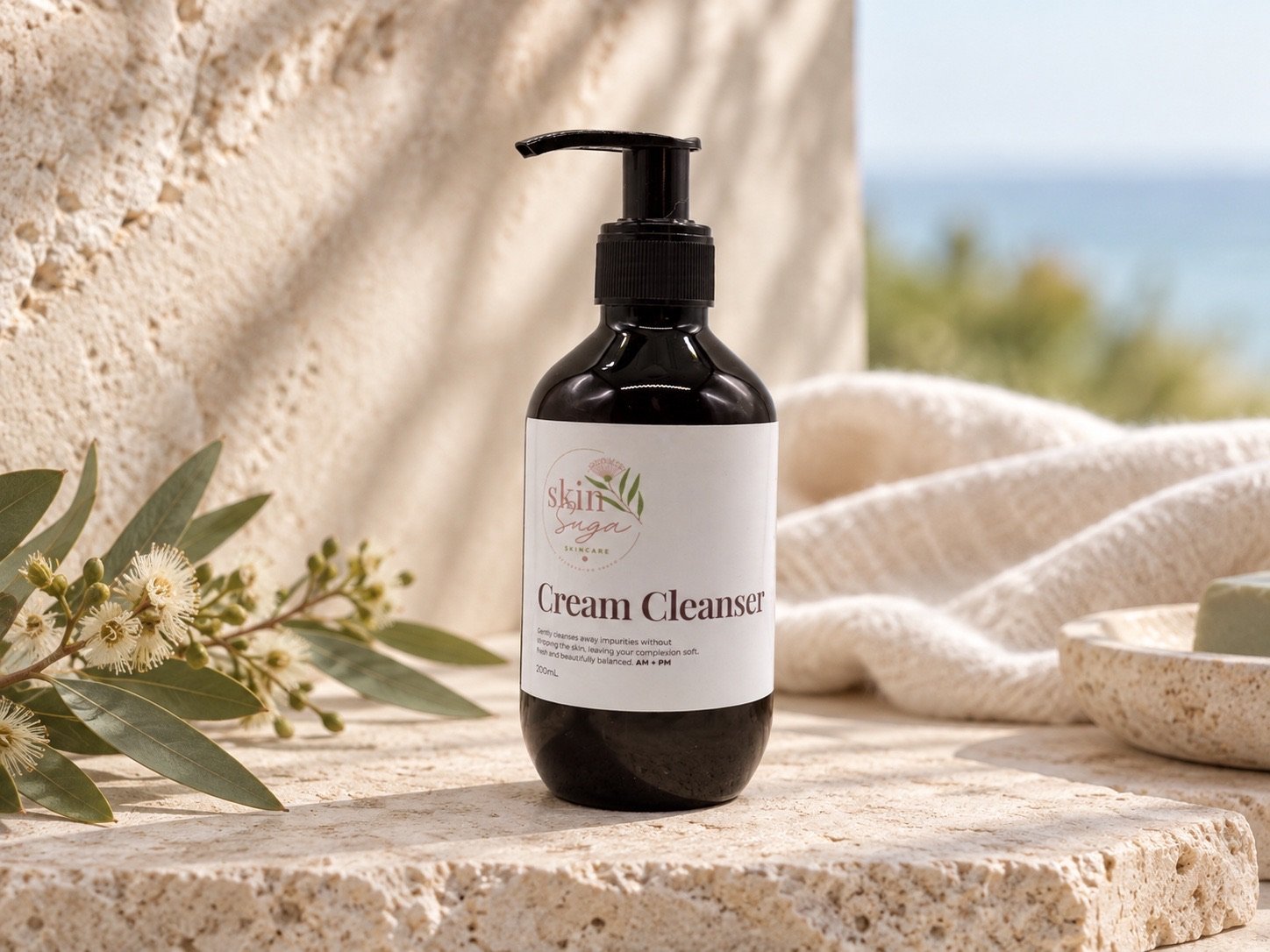
Cream Cleanser
A cream format with apricot kernel oil, oat and cucumber extracts for a soft rinse-off step.
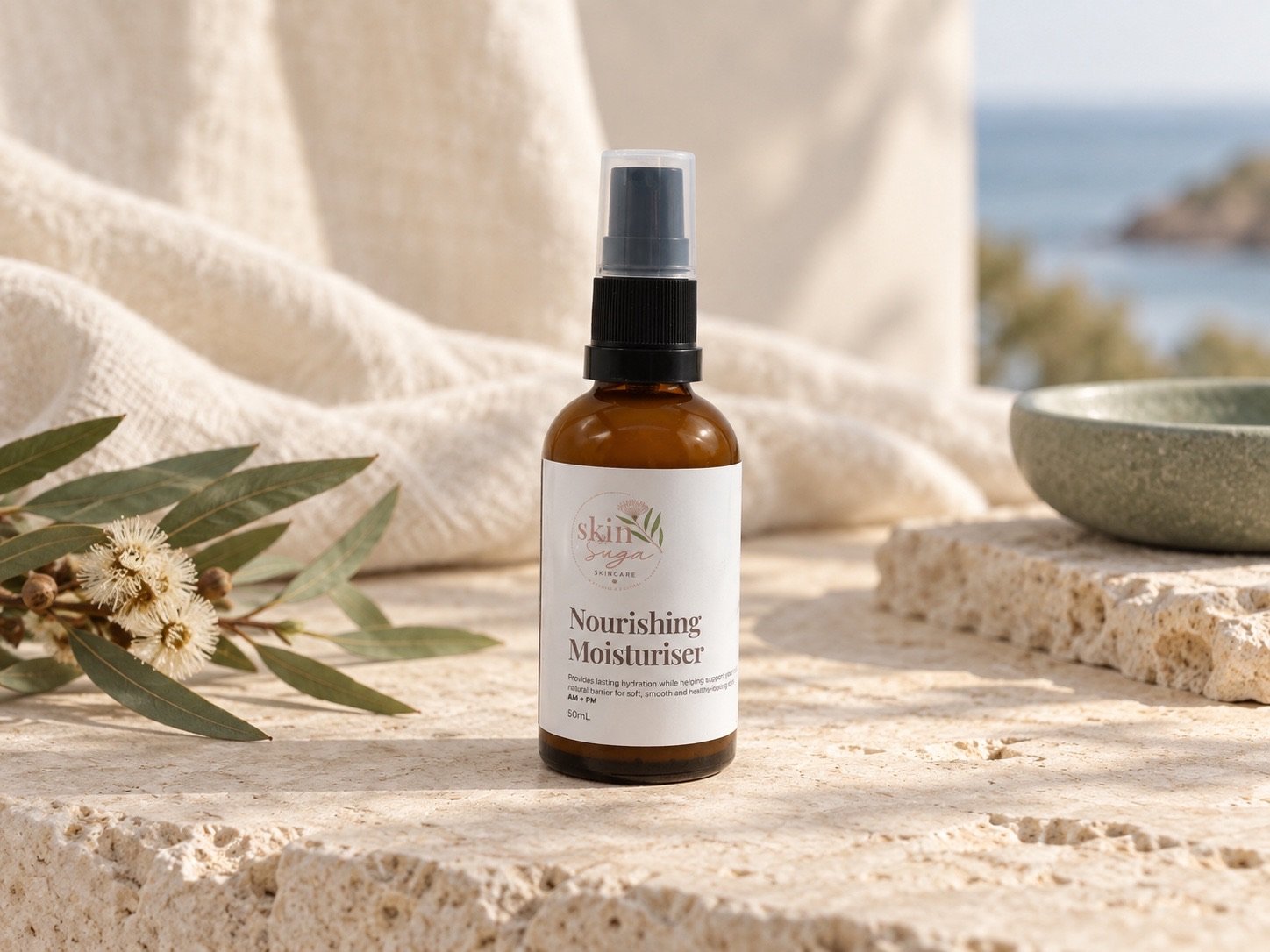
Nourishing Moisturiser
A richer cream with jojoba, shea butter and botanical oils for dry-feeling mature skin.
Give changing skin a quieter baseline
Reduce variables first, then bring back only the products your skin genuinely enjoys.
Common questions
Can perimenopause cause a rash?
Skin may become more easily irritated, but a rash has many possible causes. Persistent or worsening rashes need professional assessment.
Should I stop every active forever?
No. Pause optional actives while skin is uncomfortable, then reintroduce one at a time at a lower frequency if tolerated.
Why does moisturiser suddenly sting?
Irritated skin can sting with familiar products, but allergy or an underlying condition is also possible. Stop persistent triggers and seek advice if it continues.
Does sensitive skin need a richer cream?
Sometimes, but richness is not the same as gentleness. Choose a well-tolerated texture and avoid excessive layers.
Sources
- Australasian College of Dermatologists: Perimenopausal skin FAQ
- American Academy of Dermatology: Caring for skin in menopause
- American Academy of Dermatology: Irritation and product use
- DermNet: Contact dermatitis
This guide cannot determine whether symptoms are hormonal, irritant, allergic or medical.