

One gentle reset is better than a harsh correction
What should you do after sleeping in makeup over 40?
The short answer: Cleanse gently once or twice as needed, rinse thoroughly, then use a simple moisturiser and broad-spectrum sunscreen. Do not scrub, peel or pile on strong actives to compensate. One night in makeup does not require punishment; a calm reset protects comfort while you watch for persistent eye irritation, swelling or a skin reaction.
Waking up in makeup can leave mature skin feeling tight, dull or irritated, but the answer is not a punishing scrub. Remove the residue gently, restore a simple moisture layer and protect the skin from the Australian sun. Most importantly, avoid introducing a peel or strong active while the surface is already uncomfortable.
What one night in makeup can do
Makeup, sunscreen, skin oil and environmental particles can remain on the face overnight. That residue may contribute to blocked-looking pores, eye irritation or a rough surface, particularly if mascara or liner transfers into the eye area. It does not mean the skin has been permanently damaged by one missed cleanse.
Mature skin can be less forgiving of harsh correction because it often holds less water and may recover more slowly from irritation. The goal the next morning is to remove residue without stripping the surface further.
Start with the eyes, gently
If eye makeup remains, use a suitable eye-makeup remover or gentle cleanser according to its directions. Hold a dampened pad briefly against closed eyes, then wipe without pulling. Use a fresh section of the pad for each pass and avoid pushing pigment into the eye.
Contact-lens wearers should remove lenses if the eyes feel irritated. Persistent redness, pain, discharge, light sensitivity or vision change needs prompt professional care. Skincare should never be used to manage an eye injury or infection.
Do you need to double cleanse?
Double cleansing is useful only when one gentle cleanse does not remove the residue. Begin with a cream cleanser massaged lightly over dry or damp skin as directed, then rinse thoroughly with lukewarm water. Check around the hairline, sides of the nose and jaw.
If makeup remains, repeat a small amount once. More than two cleansing passes, very hot water or a cleansing brush can increase tightness without improving the result. Clean does not need to mean squeaky.
Skip the compensation routine
It is tempting to exfoliate because the face looks dull. Avoid facial scrubs, strong acids, peel pads and a first-time retinoid that morning. Dullness after sleeping in makeup is often a mix of residue, dehydration and poor sleep rather than a layer that must be aggressively removed.
Also avoid applying every serum you own. A simple moisturiser can be more useful than several active layers when the skin feels unsettled. Return to your normal active schedule only when the surface is calm.
A calm morning reset
- Remove contact lenses if the eyes feel uncomfortable.
- Gently dissolve remaining eye makeup with a suitable remover.
- Cleanse the face once with lukewarm water.
- Repeat only if visible residue remains.
- Pat dry without rubbing.
- Apply a modest layer of moisturiser.
- Finish with broad-spectrum sunscreen before going outdoors.
- Wash pillowcases and any eye mask that collected makeup.
Why moisturiser matters after cleansing
Cleansing removes makeup but also changes the oils and water at the surface. A moisturiser helps reduce tightness and support a smoother feel. Choose a texture that is familiar to your skin rather than trialling a new rich mask on the same morning.
If your face feels oily yet tight, use a light moisturiser instead of skipping hydration. Oiliness and dehydration can occur together. Add only enough product to restore comfort, then allow it to settle before sunscreen.
Do not skip sunscreen because the skin feels congested
Broad-spectrum sunscreen remains the final morning step. Sleeping in makeup does not make sunscreen optional, and exfoliating in response can make sun-conscious care even more important. Follow the label amount and reapplication directions.
If a familiar sunscreen stings sharply after cleansing, the surface may be irritated. Move out of direct sun, use protective clothing and seek advice if the reaction persists rather than forcing several products onto painful skin.
Where Skin Suga fits
The Daily Essentials Ritual is the most relevant reset because it centres the basics: cleansing, moisture and a routine that can be repeated. After a missed night, use the gentle steps rather than treating the ritual as a reason to apply every product heavily.
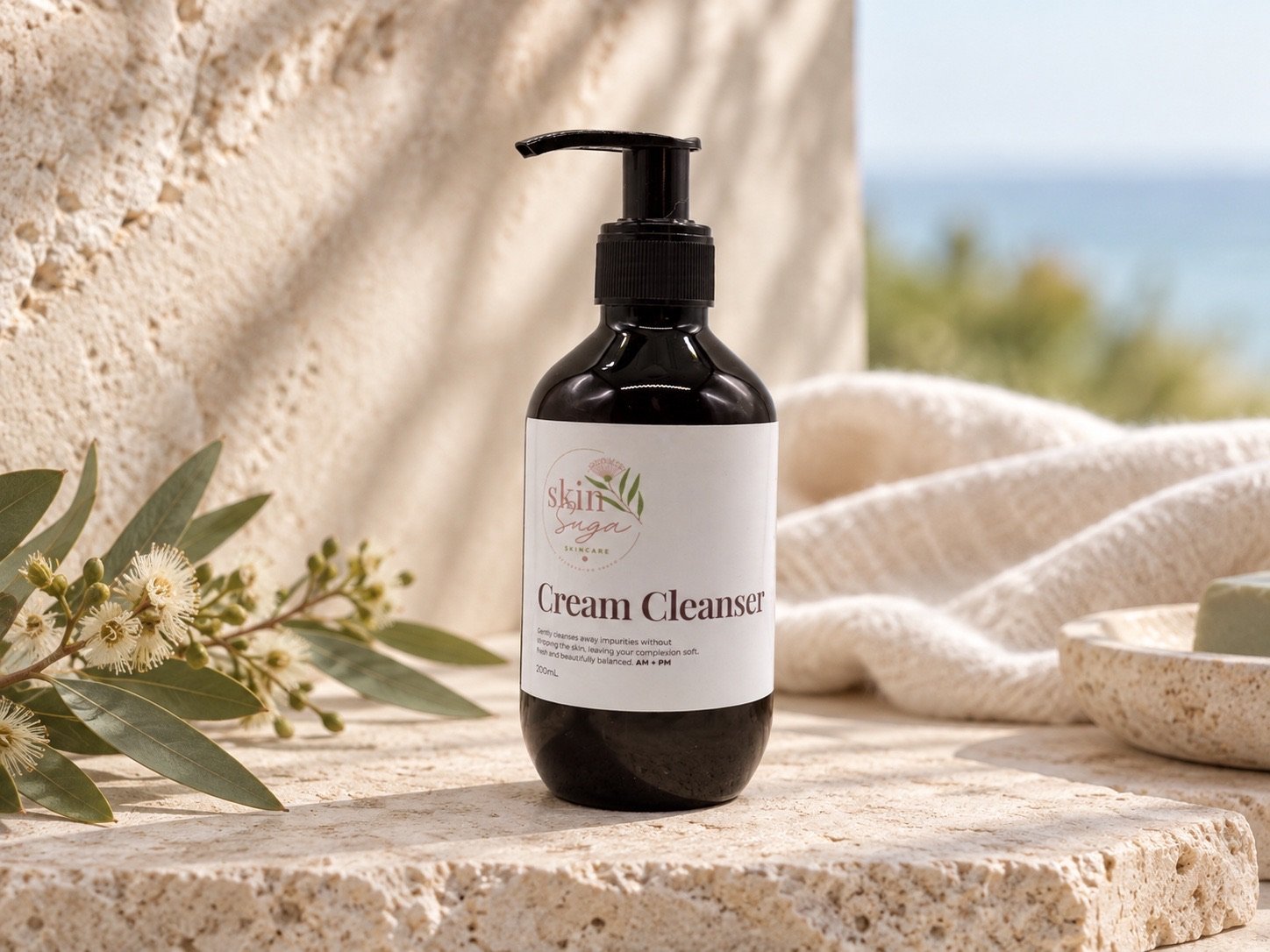
Cream Cleanser
A gentle cream cleanser with aloe vera, jojoba and vitamin E for removing daily residue without a scrub.
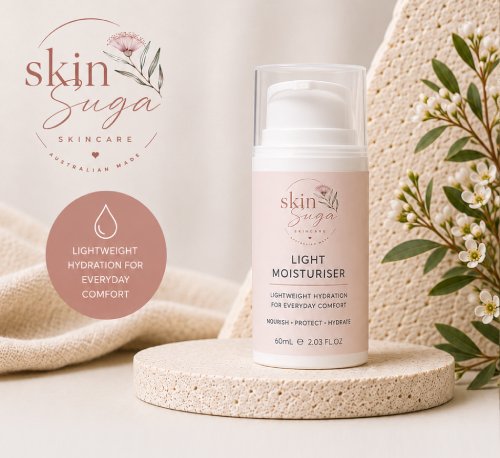
Light Moisturiser
A lighter comfort layer for a morning when skin feels both coated and tight after cleansing.
What to do that evening
Return to a normal gentle cleanse. If the skin remained comfortable all day, resume the usual simple night routine. If it feels dry or sensitive, use cleanser and moisturiser only. Missing one active night will not undo long-term progress.
Wash the pillowcase, eye mask and makeup brushes that were in contact with the residue. Replace eye makeup that smells different, has dried out or is beyond its recommended period after opening. Do not add water or saliva to mascara.
How to make the next cleanse easier
Keep cleanser and reusable pads where the routine actually happens, not where it looks best. On very late nights, a short thorough cleanse is better than a complicated ritual you avoid. Set out night products before an event and remove eye makeup before you become tired.
Face wipes can be a backup but may not remove all residue and can encourage rubbing. If used, follow with a proper rinse or cleanse when possible. The system should make the helpful action easy rather than depend on perfect motivation.
What if the face looks puffy?
Morning puffiness can reflect sleep position, salt, alcohol, allergies and normal fluid movement as well as irritation around the eyes. Use a cool clean cloth briefly and keep pressure light. Do not massage swollen eyelids aggressively or apply active skincare close to the eye.
If swelling is one-sided, painful, severe or accompanied by breathing difficulty, hives or vision symptoms, seek urgent medical advice. A cosmetic reset is appropriate only for mild temporary puffiness without warning signs.
Frequently asked questions
Should I exfoliate the morning after?
No. Cleanse gently and moisturise. Exfoliation can add irritation when the surface is already dry or uncomfortable.
Will sleeping in makeup cause permanent wrinkles?
One night is unlikely to permanently create wrinkles. It can leave skin looking dehydrated or creased temporarily. Long-term skin ageing has many influences, especially ultraviolet exposure.
Can I use vitamin C that morning?
If the skin feels completely normal and vitamin C is already part of your routine, you may use it as directed. If there is stinging or redness, keep the routine simple until comfort returns.
When should I seek help?
Seek professional care for eye pain, vision change, marked swelling, discharge, hives or a persistent rash. Do not apply skincare into the eye.
Reset gently and move on
Remove the residue, restore comfort and return to a routine you can repeat tonight.
Sources and further reading
- American Academy of Dermatology: Applying skincare in the right order
- American Academy of Dermatology: Makeup and sunscreen hygiene
- American Academy of Dermatology: Relieving dry skin
This is general cosmetic education. Eye pain, vision changes or a significant skin reaction need professional assessment.