Two ways to add nourishing comfort
Can I mix facial oil with moisturiser for mature skin?
The short answer: You can mix one or two drops of a familiar facial oil into moisturiser if both products are compatible and your skin tolerates the combination. However, layering moisturiser first and oil afterwards gives you more control over the amount and where it goes. Use less than you think, patch test, and keep facial oil beneath sunscreen only when the sunscreen directions and finish remain undisturbed.
Facial oil and moisturiser are complementary, but they are not interchangeable. Moisturiser combines water-based and oil-based ingredients to hydrate and soften. Facial oil mainly adds emollient richness and helps reduce the dry feeling at the surface. Mixing can be convenient; layering gives more control.
For most mature skin, begin with a complete moisturiser. Add one or two drops of oil only if the skin still wants more comfort. A glossy surface is not the goal, and more oil does not mean more hydration.
Mixing versus layering
Mixing in the palm
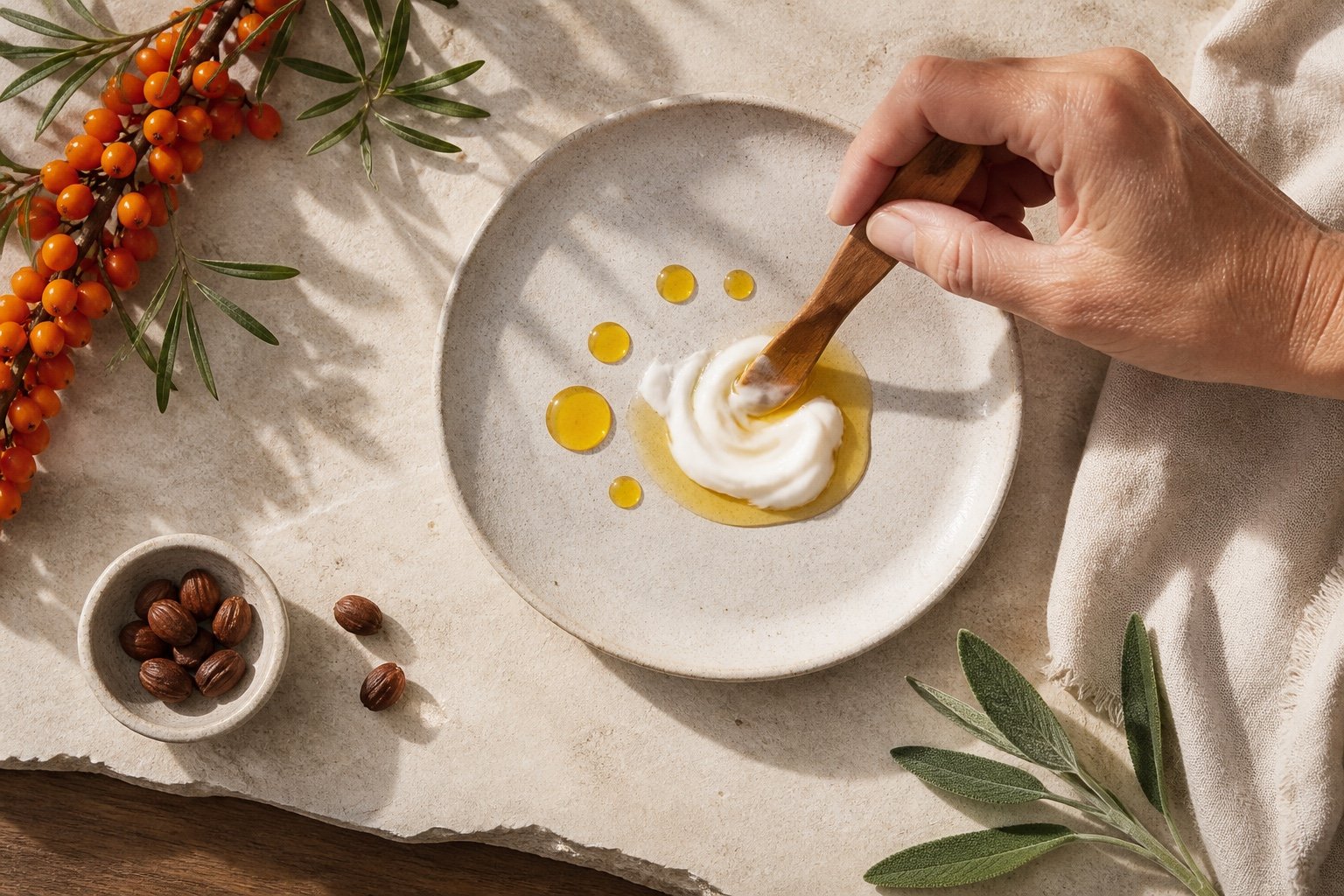
Place the normal amount of moisturiser in a clean palm, add one drop of oil and blend immediately before application. This creates one richer-feeling step and can help the mixture spread. Do not mix products inside their jars or bottles because that can affect preservation and stability.
Layering separately
Apply serum, then moisturiser, then press a drop of oil onto the driest areas. This method lets you keep oil away from an oily T-zone and makes it easier to judge how much is enough. It also preserves the products as their formulators intended until they meet on the skin.
There is no universal winner. Choose the method that remains comfortable, does not pill and does not interfere with sunscreen or makeup.
A measured evening method
- Cleanse gently and pat rather than rub.
- Apply any familiar water-based hydrating serum.
- Use your normal moisturiser amount.
- Wait briefly and assess the dry zones.
- Press one drop of facial oil over the cheeks or jaw.
- Add a second drop only if the face still feels tight.
- Keep active products simple while testing the combination.
Why oil alone may not solve dryness
Dryness involves more than a shortage of oil. The surface may also lack water and an organised barrier. Oils soften and reduce water loss, but they do not supply the same water phase as a moisturiser or serum. Applying oil to very dry, unmoisturised skin can create shine while the tight feeling remains.
Use oil as the final comfort adjustment. If skin is still flaky despite a gentle routine, review cleanser, shower temperature, climate and active-product frequency. Persistent cracking, itching or inflammation needs professional advice.
Will mixing weaken the products?
Combining them in your hand immediately before use is different from changing the formula in its container. Even so, two products may not spread or set exactly as they do alone. Patch test the combination and avoid mixing prescription treatments or strong active products unless your clinician or the product directions specifically allow it.
When using vitamin A or acids, a separate moisturiser layer often makes the routine easier to control. If an active stings, do not hide it beneath more oil. Stop, simplify and assess the cause.
Which Skin Suga ritual fits?
The Ultimate Hydration Ritual is the ritual-first choice because it already sequences Cream Cleanser, Anti-Ageing Toner, Hyaluronic Acid Serum, Nourishing Moisturiser and Nourishing Facial Oil. The structure makes oil the finishing step, not the only hydration strategy.
Skin Suga Nourishing Facial Oil contains sweet almond, jojoba, olive, sea buckthorn, avocado and chia oils with vitamin E. These provide emollient softness and a nourishing cosmetic finish. Nourishing Moisturiser contains jojoba oil, shea butter, green tea, mangosteen, acai and avocado oils, giving the skin a complete cream base before optional extra richness.
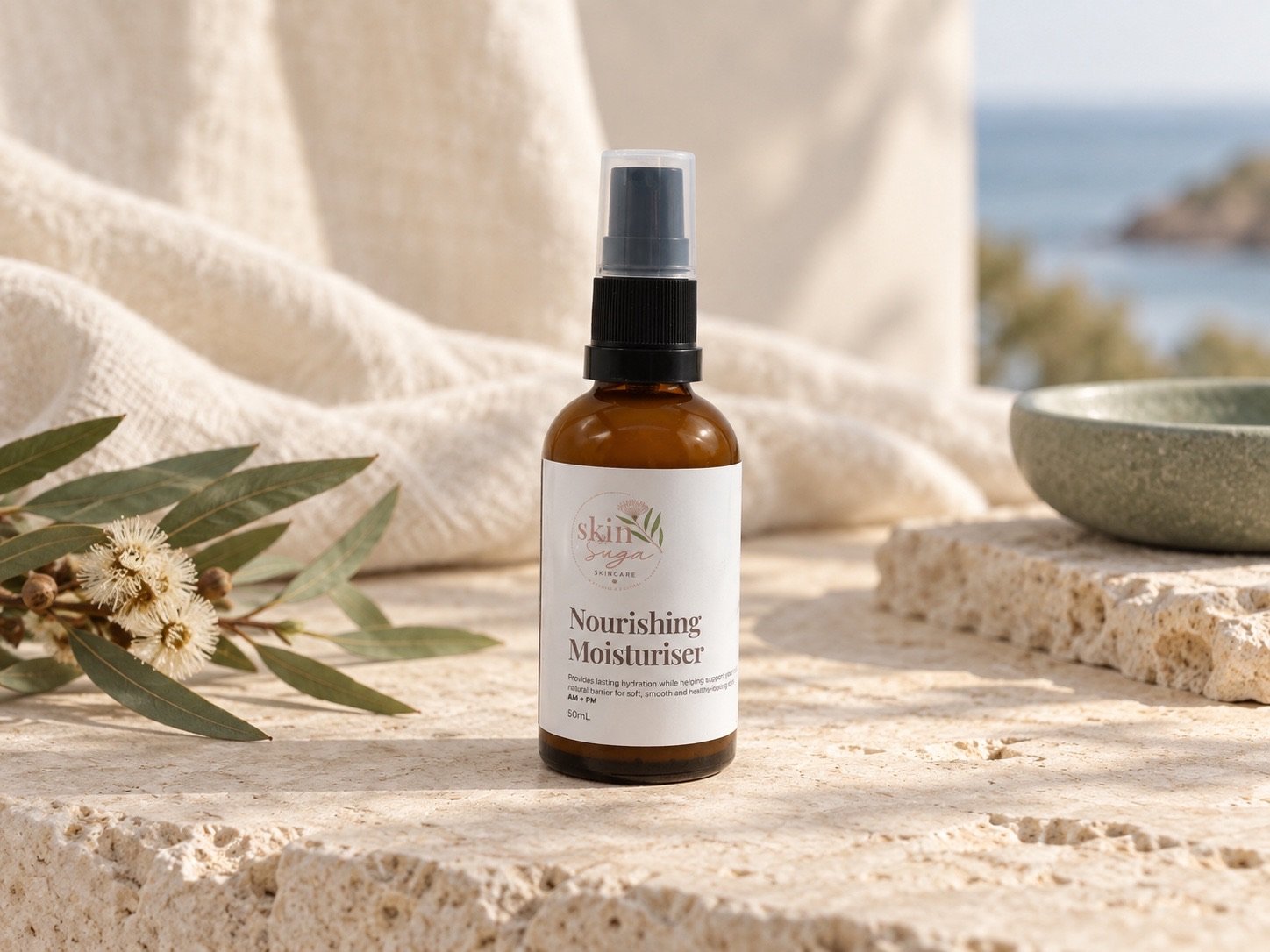
Nourishing Moisturiser
Use as the complete moisturising base before deciding whether extra oil is needed.
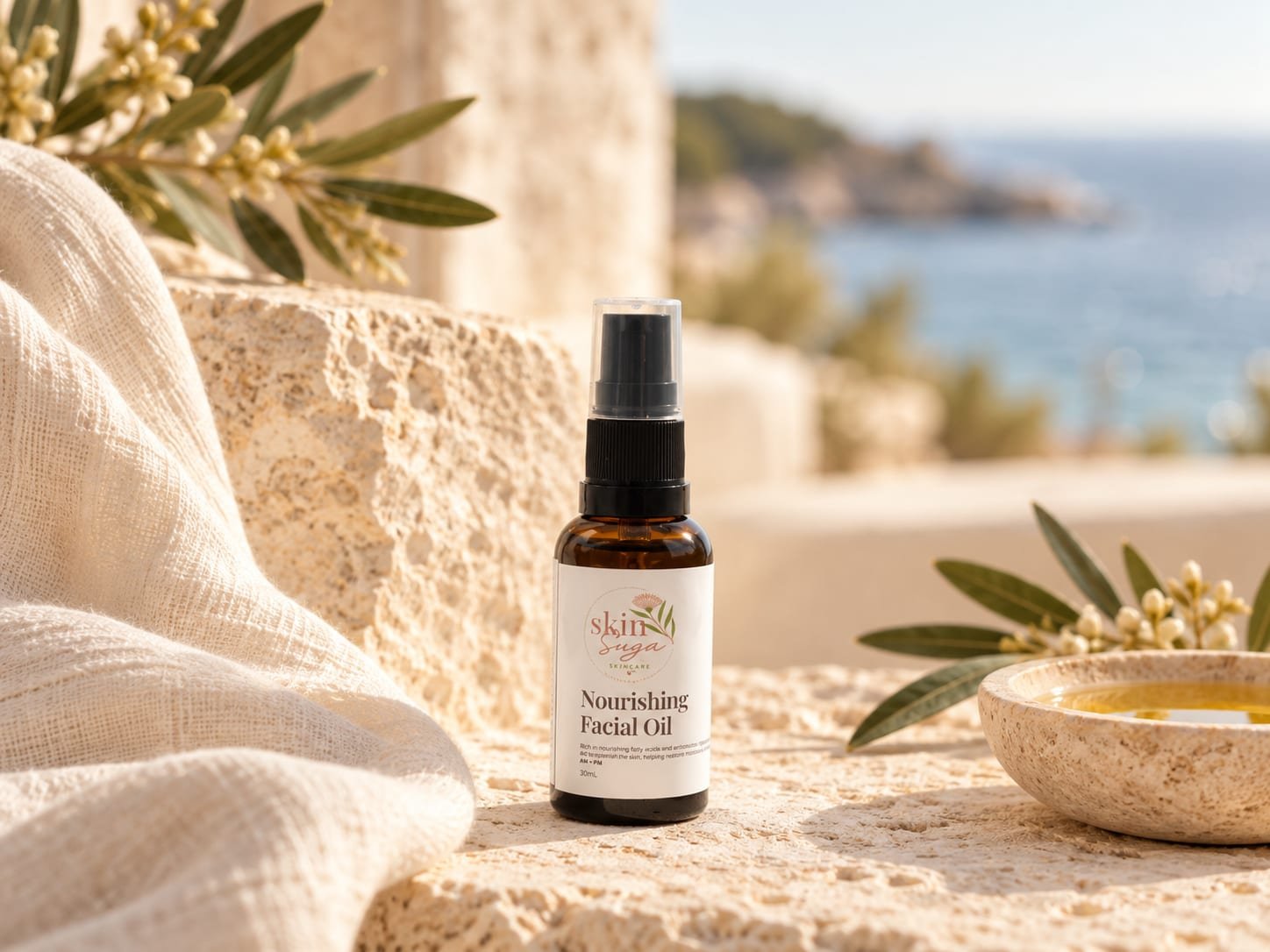
Nourishing Facial Oil
Press one or two drops over dry zones, or mix one drop into moisturiser immediately before use.
Layer hydration and nourishment in the right order
Ultimate Hydration coordinates water-based serum, moisturiser and facial oil so each step has a clear role.
Can facial oil go under sunscreen?
It can sit in a morning routine for some people, but use great care. Sunscreen must form the even film described by its label. Too much oil may make the surface slippery, contribute to pilling or change how makeup sits. Use the smallest amount, allow it to settle and never reduce sunscreen to preserve the finish.
If oil repeatedly interferes, keep it as an evening step. Skin Suga facial oil is not sunscreen and does not replace broad-spectrum SPF, shade, hats, clothing or sunglasses.
How much facial oil is enough?
Begin with one drop for the whole face or one drop shared between dry zones. Warm it between fingertips and press rather than rub. Wait several minutes before deciding to add more. The finish should feel supple, not wet.
Neck and upper chest may need another small drop, but follow the product directions. Avoid the immediate eye area unless the formula is directed there. Wash hands first and keep the dropper from touching skin.
Which skin types should be cautious?
People prone to congestion may prefer oil only on dry cheeks. Sensitive skin should patch test because plant oils and vitamin E can still cause individual reactions. Anyone with nut allergy should review sweet almond oil with an appropriate health professional and read the complete ingredient label.
If acne, dermatitis or rosacea is active, ask a GP or dermatologist before changing several products. “Natural” does not mean universally suitable.
Common mistakes
Adding oil to a full jar
This can affect preservation and dosing. Mix only in a clean palm immediately before use.
Using oil instead of sunscreen
Botanical oils do not provide reliable SPF. Use approved sunscreen according to its label.
Applying many drops at once
Excess creates slip and can interfere with later layers. Start with one drop.
Assuming every dry patch needs exfoliation
Restore hydration and comfort first. Scrubbing a compromised surface can worsen the rough feel.
Adjust oil through the year
Facial oil does not need to be an all-or-nothing commitment. You may use two drops on a cold, windy night, one drop in air-conditioning and none during humid weather. Keep the underlying cleanser, serum and moisturiser stable while changing the oil amount, so you can see what actually improves comfort.
Travel can also change the finish. A richer combination that works in dry Western Australian air may feel excessive in tropical humidity. Pack products you already tolerate and change dose before introducing a new formula. Consistency plus small adjustments is usually easier to interpret than a complete seasonal overhaul.
Frequently asked questions
Should oil go before or after moisturiser?
Usually after, because it is the richer finishing step. Mixing one drop into moisturiser is also an option when both formulas are tolerated.
Can I use facial oil every night?
You can if your skin remains comfortable and the directions allow it. Some people need it only in winter or on dry zones.
Does facial oil hydrate skin?
It supports softness and reduces the dry feel, but pair it with water-based hydration and moisturiser for a more complete routine.
Continue with how often to use facial oil, facial oil under sunscreen and skin that still feels dry after moisturising.
Sources and further reading
- Cleveland Clinic: facial oils and skin type
- DermNet: moisturisers, emollients and occlusives
- American Academy of Dermatology: choosing a moisturiser
General cosmetic education only; not medical advice.