

Check the formula, not a colour chart alone
How can you tell if vitamin C serum has oxidised?
The short answer: A vitamin C serum may be oxidising if it becomes noticeably darker than when first opened, develops an orange or brown tone, changes smell or texture, or starts staining skin or clothing. Colour alone is not a universal test because vitamin C forms and botanical ingredients vary. Compare the product with its label and original appearance, follow its period-after-opening directions, and stop using it if the change is marked or the serum begins to sting.
Vitamin C is one of the most useful and most misunderstood skincare ingredients. It can support antioxidant care and a brighter-looking complexion, yet not every vitamin C formula behaves the same way in the bottle.
Pure L-ascorbic acid is chemically less stable than many vitamin C derivatives. Light, heat, oxygen, pH and the complete formulation all influence how quickly it changes. A serum made with a stable derivative may begin with a creamy, amber or pale-yellow colour because of its other ingredients. That is why an internet photograph cannot tell you whether your particular serum is fresh.
The practical test is change over time. Remember the colour, scent and texture when the product is new. If it gradually becomes much darker, smells unusual, separates despite normal shaking directions or feels different on the skin, pause before continuing.
What oxidation means
Oxidation is a chemical change that can occur when an ingredient reacts with oxygen and other environmental conditions. In L-ascorbic acid formulas, exposure to heat and light can accelerate degradation. The formula may lose potency before it becomes visibly dramatic, and later degradation can create yellow, orange or brown tones.
This does not mean one afternoon in a warm bathroom automatically ruins every vitamin C serum. Packaging, preservatives, stabilising ingredients, vitamin C type and concentration all matter. Opaque or air-restrictive packaging can help, but no cosmetic remains unchanged forever.
Is pale yellow always a problem?
No. Some formulas are pale yellow from the beginning. Kakadu plum, botanical extracts and other ingredients can contribute their own natural colour. Check the product description, packaging and batch appearance rather than assuming that all vitamin C must be water-clear.
A small difference between batches may also occur in botanical skincare. What matters is a substantial change from the serum’s original state, especially when colour change appears with an altered smell, separation, staining or irritation.
When should you stop using it?
Stop and check with the brand if the serum has turned distinctly dark orange or brown, smells rancid or unusually metallic, has separated permanently, or is outside its labelled expiry or period after opening. Discontinue it promptly if it causes persistent burning, swelling, marked redness or an itchy rash.
Do not try to rescue a doubtful formula by mixing it with moisturiser or facial oil. Diluting the sensation does not reverse oxidation or restore the original formula. When in doubt, replace it or ask the manufacturer to assess the batch.
A freshness-conscious vitamin C routine
- Check before applying. Notice colour, scent and texture in natural light.
- Use the labelled amount. Apply a thin, even layer rather than over-pouring product.
- Close it promptly. Replace the cap as soon as the dose is dispensed.
- Moisturise for comfort. Follow with a suitable moisturiser when your skin needs it.
- Protect in daytime. Finish with broad-spectrum SPF50 or SPF50+ sunscreen according to its label.
How Australian heat affects storage
A sunny windowsill, a hot car and a steamy bathroom are poor storage locations. Keep serum in a cool, dry cupboard away from direct light. Do not leave it in a parcel box or vehicle after delivery, particularly during an Australian heatwave.
Refrigeration is not automatically required. Follow the product’s own directions because very cold storage can affect some emulsions and pump mechanisms. The most reliable habits are stable room temperature, a tightly closed container and clean hands.
Does opening the bottle start the clock?
Yes. The open-jar symbol on packaging usually indicates a period such as six or twelve months after opening. Write the opening month discreetly on the box or keep it in your phone. This is more useful than trying to remember when a nearly empty bottle first appeared on the bathroom shelf.
Use one vitamin C product consistently rather than opening several at once. A routine with fewer open formulas also makes it easier to recognise which product caused a reaction.
What about staining on the face or hands?
Oxidative changes in some ascorbic acid formulas can contribute to yellowish staining. Product colour can also transfer directly when too much is used. Wash your hands after application, keep the layer light and inspect the bottle if staining is new.
Do not use staining as the only diagnostic clue. Makeup, self-tan, sunscreen and botanical colour can also transfer. If the serum itself has darkened significantly, replacing it is simpler than trying to compensate with less product.
Are vitamin C derivatives more stable?
Many derivatives were developed partly to improve stability and formulation flexibility. They are not identical to L-ascorbic acid, and the evidence, conversion in skin and ideal concentration vary. A derivative-based serum can still expire or react badly for an individual.
Skin Suga Vitamin C Serum uses triple vitamin C technology with Kakadu plum, rosehip extract, mountain pepper berry, mango extract and aloe. Judge the complete product by its labelled appearance, storage directions and skin comfort rather than comparing it with a clear L-ascorbic acid serum from another brand.
Can you prevent oxidation completely?
No, but careful handling can slow avoidable exposure. Do not leave the cap open while completing the rest of your routine. Avoid touching a dropper to skin. Store the bottle upright if directed, and replace the cap firmly.
Buying a size you can finish within the labelled period is often more sensible than choosing the largest bottle. Consistency matters more than keeping an open backup that slowly changes in the cupboard.
Ritual first: Radiance & Glow Ritual
The Radiance & Glow Ritual places Vitamin C Serum within a complete routine of gentle cleansing, hydration and nourishment. Use the vitamin C step consistently while it remains fresh, then finish every morning with a separate broad-spectrum sunscreen.
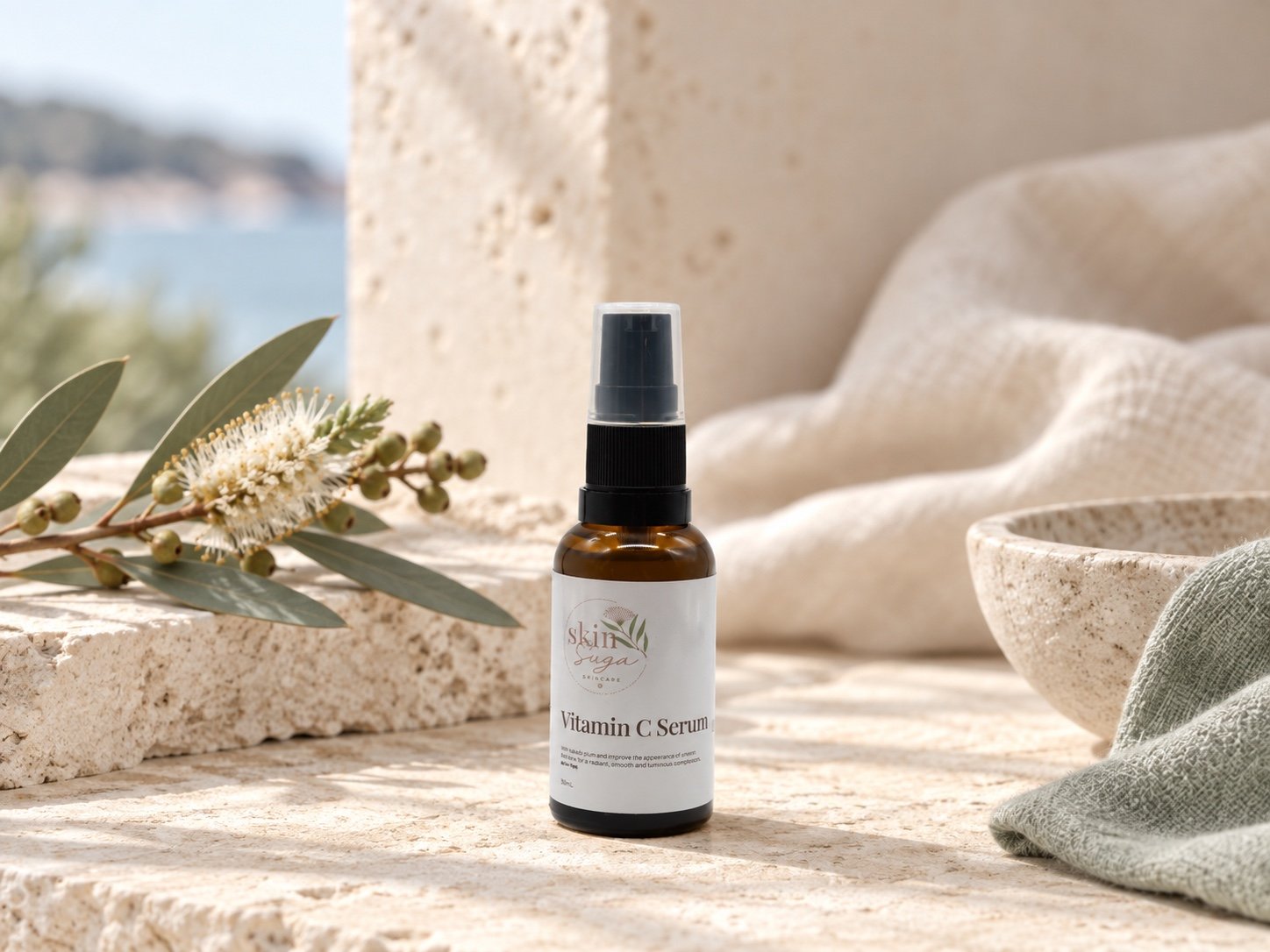
Vitamin C Serum
Triple vitamin C technology with Kakadu plum and antioxidant botanicals for a brighter, fresher-looking complexion.
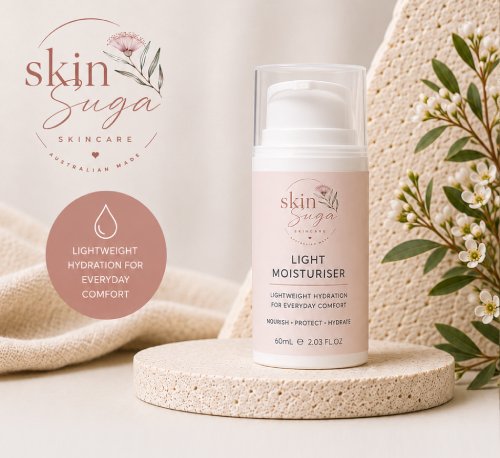
Light Moisturiser
A comfortable finishing layer when a vitamin C morning needs moisture without excessive weight.
Keep radiance care fresh and uncomplicated
Use one well-stored antioxidant serum inside a calm daily ritual.
Common questions
Can I use slightly yellow vitamin C serum?
Possibly, if that is its normal fresh colour. Compare it with the brand’s description and the product when first opened. A major darkening is a clearer reason to stop.
Should vitamin C serum be kept in the fridge?
Only when the label recommends it. A cool, dry, dark cupboard is suitable for many formulas.
Can oxidised vitamin C damage skin?
A changed formula may be less effective and can be more irritating. Stop if it has darkened markedly or causes a reaction.
How long does vitamin C serum last?
Use the expiry date and period-after-opening symbol for your exact product. Formula and packaging determine the useful life.
Sources
- Chemical stability of ascorbic acid in commercial products
- Review of topical ascorbic acid and its derivatives
- American Academy of Dermatology: Testing skincare products
- Cancer Council Australia: Sunscreen advice
General cosmetic skincare information only. Contact the manufacturer about a changed product and seek advice for a significant skin reaction.