Choosing a sunscreen can feel a little confusing, darling. Mineral, chemical, zinc, broad-spectrum, SPF 50… there are plenty of words on the label, and mature skin often has its own preferences. What feels light and comfortable on one complexion may sting, tighten or settle into lines on another.
The reassuring news is that both mineral and chemical sunscreens can provide excellent protection when they are broad-spectrum, applied generously and reapplied regularly. The best sunscreen for your skin is the one you can wear comfortably and consistently.
For many women with mature, dry or sensitive skin, mineral SPF is a gentle place to begin. However, a well-formulated chemical sunscreen may be a beautiful choice if you prefer an invisible finish beneath makeup. Let’s explore the difference together.
Why daily SPF matters for mature skin
As we move through our 40s, 50s and beyond, skin can become drier, thinner and more easily unsettled by environmental stress. Years of sunshine may also contribute to uneven-looking tone, visible pigmentation, dryness and the loss of that soft, rested radiance we love.
UV exposure is present even when the day feels mild or cloudy. In Queensland, bright sunshine and high UV can be part of everyday life, while Western Australia’s intense light and dry climate can leave skin feeling particularly parched. During summer, beach days and outdoor lunches bring longer periods of exposure. Even in winter, the UV index can still call for protection.
Cancer Council Australia recommends combining sunscreen with shade, protective clothing, a broad-brimmed hat, sunglasses and other sun-safe habits. You can read its guidance on sunscreen and the UV Index.
SPF is not a replacement for your skincare ritual, but it is an essential part of caring for the skin you have nurtured for a lifetime.
What is mineral sunscreen?
Mineral sunscreen is also called physical sunscreen. Its active filters are usually zinc oxide, titanium dioxide or a combination of the two.
Rather than relying on the sunscreen to absorb into the skin, mineral filters sit on the skin’s surface and help absorb, scatter and reflect UV radiation. Zinc oxide is particularly valued for broad-spectrum protection, including UVA and UVB rays.
Mineral SPF: the benefits for mature skin
Mineral sunscreen can be especially comforting if your skin is sensitive, reactive or prone to redness.
- It is often less likely to sting around the eyes.
- It can be a good option when your skin barrier feels fragile or easily irritated.
- It begins protecting as soon as it has been evenly applied.
- Zinc-based formulas are often fragrance-free and designed with simpler ingredient lists.
- It may feel calming on skin that does not enjoy strong sensations or active formulas.
There is also something wonderfully straightforward about mineral SPF. It creates a gentle layer between your complexion and the outside world, which can feel reassuring on a hot Queensland afternoon or during a long, bright day in Perth.
Mineral SPF: the considerations
Mineral sunscreen is not perfect for everyone. Some formulas can feel thick, dry or slightly draggy, particularly on dehydrated skin with fine lines and texture. They may also leave a white or pale cast, depending on the formula and your skin tone.
A well-made mineral sunscreen should spread comfortably without tugging. If yours feels tight, chalky or difficult to blend, it may simply not be the right texture for your skin.

What is chemical sunscreen?
Chemical sunscreen uses organic filters such as avobenzone, octisalate, octocrylene and other approved UV filters. These ingredients absorb UV radiation and convert the energy into a small amount of heat, which is then released from the skin.
Chemical sunscreens are not inherently unsafe. In Australia, sunscreens are regulated therapeutic products, and SPF claims are tested according to standardised requirements. As always, it is wise to choose a product from a reputable brand and follow the directions on the label.
Chemical SPF: the benefits for mature skin
Many women love chemical sunscreen because it tends to have a lighter, more fluid texture.
- It often leaves little or no visible cast.
- It can spread quickly over dry or textured areas.
- It may sit smoothly beneath foundation and concealer.
- It can feel elegant and weightless for everyday wear.
- It may be more comfortable if you dislike the feel of a thicker cream.
If you wear makeup most days, chemical SPF can be an easy choice because it often disappears beautifully once applied.
Chemical SPF: the considerations
Some chemical sunscreen formulas can cause stinging, particularly around the eyes or on a compromised skin barrier. Fragrance and certain filters may also be irritating for sensitive complexions.
If your skin is easily reactive, look for a fragrance-free formula labelled for sensitive skin. It is also worth patch-testing a new SPF before applying it all over your face.
Chemical sunscreen should ideally be applied around 15 to 20 minutes before going outdoors, allowing the formula time to form an even protective film.
So, which is better for mature skin?
There is no universal winner, darling. The better sunscreen is the one your skin enjoys and your lifestyle allows you to use generously.
Mineral sunscreen may suit you if:
- Your skin is sensitive, reactive or redness-prone.
- Your eyes often sting or water when you wear SPF.
- You prefer a more nourishing, protective feel.
- You are happy to take a little extra time blending the formula.
- Your skin barrier is feeling dry or delicate.
Chemical sunscreen may suit you if:
- You prefer a lightweight, invisible finish.
- You wear makeup and want a smooth base.
- You find mineral formulas too heavy or visible.
- Your skin tolerates chemical filters comfortably.
- You choose a gentle, fragrance-free formula.
Some sunscreens also combine mineral and chemical filters, offering a balance between comfort, spreadability and finish. Your complexion will always have the final say.
How to apply SPF without disturbing your glow
Your sunscreen is the final step in your morning skincare ritual, after your serum and moisturiser. It should be applied generously and evenly to the face, ears, neck and décolletage. These areas are often forgotten, even though they receive plenty of Australian sunshine.
A useful guide is approximately two finger lengths of sunscreen for the face and neck, although the product label should always take priority. Apply in gentle sections rather than rubbing vigorously, especially if your skin is dry or easily flushed.
Give your skincare a few quiet moments to settle before applying makeup. This can help prevent pilling and allows mineral formulas to dry down more evenly.
When you are outdoors, reapply at least every two hours, and immediately after swimming, sweating heavily or towel-drying. A sunscreen labelled water-resistant is helpful for beach walks, gardening and warm summer days, but it still needs to be reapplied.

Build a calm, nourishing morning ritual
SPF works beautifully alongside a hydrating routine. Mature skin often feels more comfortable when it is gently cleansed, replenished and moisturised before sunscreen is applied.
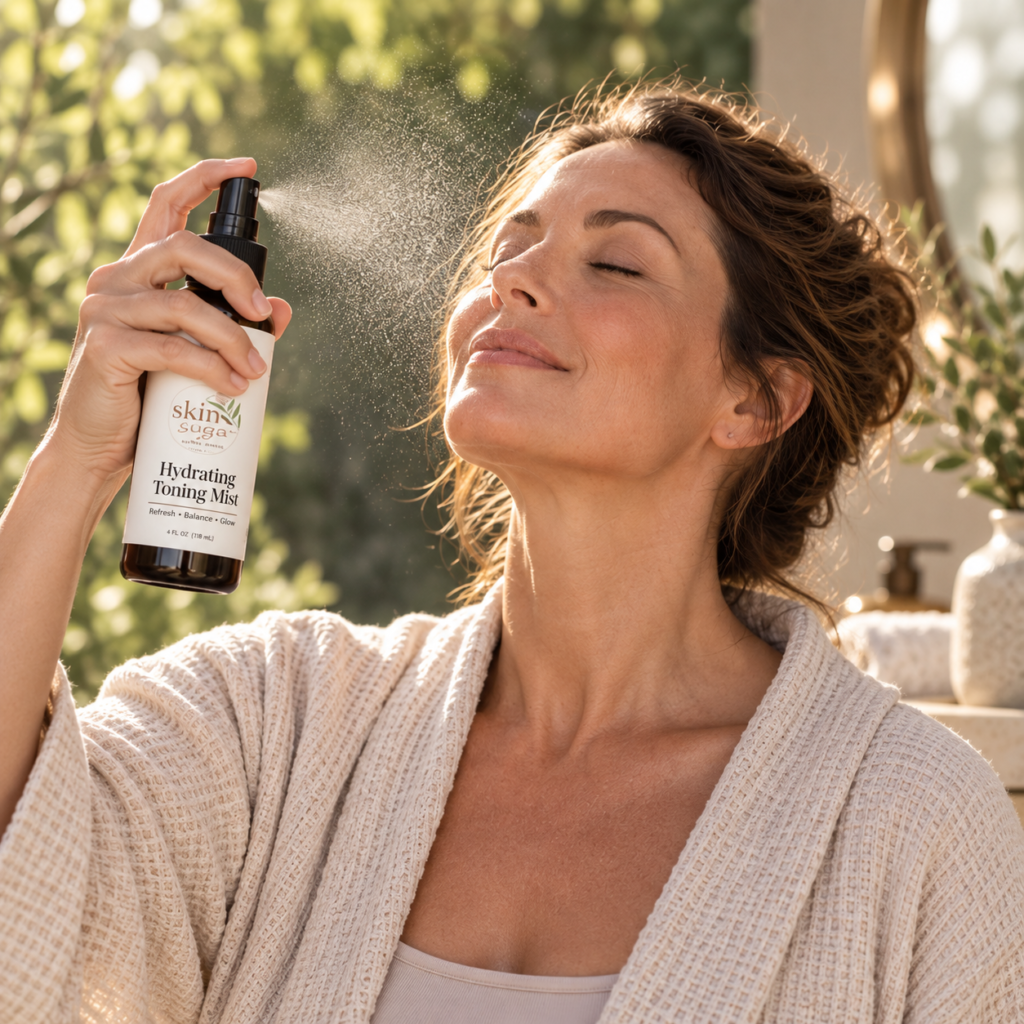
Begin with a comforting cleanser such as our Cream Cleanser, which is designed to remove daily impurities and sunscreen without leaving skin feeling stripped. Follow with Hydrating Toning Mist, then layer a hydrating serum or a brightening formula such as our Vitamin C Serum.
Kakadu Plum is a treasured Australian native botanical naturally rich in vitamin C and antioxidants. It helps support a brighter, more radiant-looking complexion, but it does not replace sunscreen. Think of it as part of your nourishing glow ritual, while SPF provides the essential daily UV protection.
Next, apply a moisturiser suited to your skin. Our Nourishing Moisturiser combines hydration and nourishing ingredients to help skin feel softer, smoother and more comfortable before your SPF goes on.

For skin that feels particularly dry, tight or thirsty during a Western Australian winter or a hot, dehydrating Queensland summer, our Ultimate Hydration Ritual brings together Cream Cleanser, Hydrating Toning Mist, Hyaluronic Acid Serum, Nourishing Moisturiser and Nourishing Facial Oil. It is a beautiful way to create a hydrated foundation beneath your sunscreen.
If your focus is firmness, radiance and a more complete age-supporting routine, explore our Age-Defying Ritual. It combines carefully selected Australian-made skincare with native botanicals and nourishing actives for mature skin.
At night, sunscreen should be thoroughly removed before your evening ritual. Our Cream Cleanser can be used to lift away the day, followed by your chosen nourishing products.
The Skin Suga answer
For mature, sensitive skin, mineral SPF is often the most comforting starting point, especially if you experience eye sting, redness or a delicate-feeling skin barrier.
But chemical SPF may be the better choice if you prefer an invisible, lightweight finish and your skin tolerates it well. There is no need to choose based on fear or pressure. Choose based on comfort, consistency and what helps you feel cared for.
Most importantly, look for broad-spectrum SPF 50 or SPF 50+, apply enough, reapply when needed and pair your sunscreen with shade, clothing and a beautiful wide-brimmed hat.
Your skin deserves protection, nourishment and a little daily tenderness, darling. With the right SPF and a comforting Skin Suga ritual beneath it, you can step into the Australian sunshine feeling beautifully prepared.
Skincare guidance only, not medical advice. If you have persistent sensitivity, unusual pigmentation or concerns about a changing spot, please speak with a qualified healthcare professional.