When your skin is mature, your daily SPF should feel like part of your skincare ritual, not an uncomfortable layer you tolerate because you have to.
The best SPF for mature skin is one that offers reliable protection while leaving your complexion feeling soft, comfortable and beautifully cared for. In Australia, that usually means a broad-spectrum SPF 50 or SPF 50+ that protects against both UVA and UVB rays, with a texture you enjoy applying every morning.
Whether you live in sunny Queensland or along the bright Western Australian coast, daily sun protection is one of the kindest gifts you can give your skin. It helps protect against the visible effects of sun exposure, including uneven tone, sun spots, fine lines and loss of radiance.
Why SPF matters even more as skin matures
As we move through our 40s, 50s and beyond, skin can become drier, more delicate and less resilient. Natural oil production often decreases, while the effects of years spent outdoors may become more visible.
UVA rays are strongly associated with photoageing, including changes to skin tone, fine lines and loss of firmness. UVB rays are the primary cause of sunburn, but both types of ultraviolet radiation can damage the skin.
This is why sunscreen is often described as the most important anti-ageing product in your routine. It does not erase existing lines or pigmentation, but consistent use helps reduce further sun-related damage and supports the results of the nourishing products you already love.
For additional Australian guidance, the Australasian College of Dermatologists’ sun protection advice is a helpful place to begin.

What to look for in an SPF for mature skin
Broad-spectrum SPF 50+
Broad-spectrum protection is essential because it covers both UVA and UVB rays. In Australia’s strong sunlight, SPF 50 or SPF 50+ is a reassuring choice for everyday face and neck protection.
Look for a sunscreen that is appropriately regulated for sale in Australia. Therapeutic sunscreens will carry an AUST L number on the packaging, indicating that the product is listed on the Australian Register of Therapeutic Goods.
A hydrating, comfortable formula
Mature skin often appreciates a sunscreen with a moisturising base. Ingredients such as glycerine, hyaluronic acid, squalane, ceramides and nourishing emollients can help reduce the tight or dry feeling that some sunscreens leave behind.
A comfortable texture matters because it encourages consistent application. The most protective sunscreen in the bathroom cabinet cannot help your skin if you avoid wearing it.
If your complexion feels particularly dry, a layered morning ritual can be soothing:
- A gentle cleanser
- A hydrating mist or serum
- A nourishing moisturiser, if needed
- Your broad-spectrum SPF as the final skincare step
If your sunscreen is already rich and moisturising, it may take the place of your day cream.
Antioxidant support
Antioxidants can be a lovely addition to a mature-skin routine. Vitamin C, vitamin E, niacinamide and botanical extracts help support a brighter, healthier-looking complexion while complementing your sun protection.
Our Vitamin C Serum combines Triple Vitamin C Technology with Kakadu Plum, Rosehip Extract, Mountain Pepper Berry and Aloe Vera. It can be applied beneath sunscreen in the morning to help brighten dull-looking skin and support a more even appearance.
Just remember, darling: antioxidant skincare supports your routine, but it does not replace SPF.
Mineral or chemical sunscreen, which is better?
There is no single best sunscreen type for every woman. Both mineral and chemical sunscreens can provide effective broad-spectrum protection when they are well formulated and applied generously.
Mineral sunscreen
Mineral sunscreens use filters such as zinc oxide and titanium dioxide. They sit on the surface of the skin and help reflect and scatter UV radiation.
Mineral formulas may be especially appealing if your skin is sensitive, easily flushed or prone to stinging. Zinc-based formulas can also feel reassuring for those who prefer a simple, gentle approach.
The possible downside is texture. Some mineral sunscreens can feel thicker or leave a white cast, although newer formulations are becoming more elegant and comfortable.
Chemical sunscreen
Chemical sunscreens use organic filters that absorb UV radiation and convert it into a small amount of heat. Modern Australian formulas can be lightweight, fluid and beautifully easy to layer beneath makeup.
They may be a good choice if you prefer an invisible finish or dislike the heavier feel sometimes associated with mineral products. However, some people with very sensitive skin may notice stinging around the eyes or areas of irritation.
The most suitable option is the one that feels good on your skin and fits naturally into your morning. If a mineral SPF makes you feel dry or chalky, you may be less inclined to apply enough. If a chemical SPF stings, a gentle mineral formula may be more comforting.
For a broader comparison of sunscreen features and buying considerations, see the CHOICE sunscreen buying guide.
Hydration and SPF belong together
Sun protection and hydration work beautifully side by side.
When mature skin is comfortably hydrated, it can look smoother, softer and more radiant. Hydrating products also help sunscreen sit more evenly, rather than catching on dry patches or settling into dehydration lines.
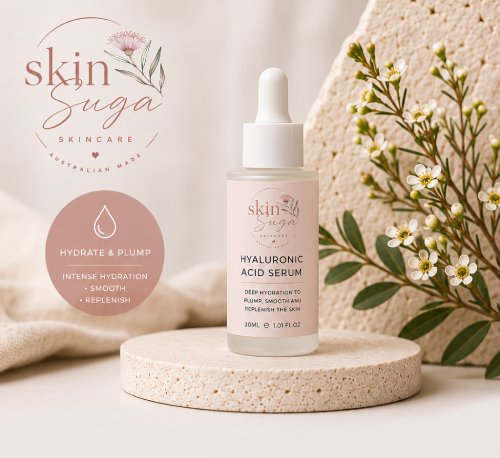
Our Hyaluronic Acid Serum is designed for dry and dehydrated skin. With Vegan Hyaluronic Acid and Radish Root Ferment, it helps attract and hold moisture for a softer, plumper-looking complexion.
Follow with a moisturiser suited to your skin’s needs. Our Anti-Ageing Moisturiser combines Hyaluronic Acid, Co-Enzyme Q10, Native Snowflower, Rice Protein Peptides, Jojoba Oil and Shea Butter to deeply hydrate and support smoother, firmer-looking skin.
Then allow your SPF to be the final protective veil over your morning ritual.
How much SPF should you apply?
Most people use far too little sunscreen, which means they do not receive the level of protection shown on the label.
For the face, neck and ears, a practical guide is approximately two finger lengths of sunscreen. Some Australian guidance suggests around half a teaspoon for the face and neck, depending on the product and area covered.
Apply generously to:
- Face and jawline
- Front and back of the neck
- Ears
- Hairline
- Décolletage when exposed
- Backs of the hands
Sunscreen should be applied every morning, even on cooler or cloudy days. UV exposure does not disappear simply because the sky is overcast. In Queensland’s bright subtropical climate and Western Australia’s long, sunlit days, it is particularly important to make SPF part of your everyday rhythm.
When you are outdoors, reapply approximately every two hours, and after swimming, sweating, exercise or towel-drying.
Your simple morning SPF ritual
A calm, nourishing routine might look like this:
Cleanse: Begin with our Cream Cleanser, which is designed to remove impurities without leaving mature skin feeling stripped.
Refresh: Follow with a light toning mist to replenish a little hydration.
Brighten: Apply our Vitamin C Serum if your skin enjoys antioxidant and brightening support.
Nourish: Use the Anti-Ageing Moisturiser or another moisturiser suited to your skin.
Protect: Finish with your broad-spectrum SPF 50 or SPF 50+.
For a beautifully curated routine without the guesswork, the Age Defy Ritual brings together cleansing, toning, Vitamin C, moisturising and evening nourishment for women aged 45 and over. Your sunscreen remains a separate morning step, added at the end.
Australian botanicals for a brighter-looking routine
At Skin Suga, we love the way Australian native botanicals bring a sense of place and purpose to everyday skincare.
Kakadu Plum is naturally rich in Vitamin C and features in our brightening Vitamin C Serum. Desert Lime and Mountain Pepper Berry are celebrated Australian botanicals that complement the antioxidant story of a nourishing routine.
These ingredients can help support the appearance of radiance and vitality, but they work best alongside, not instead of, reliable daily sun protection. Think of your serum and moisturiser as nourishment, and your SPF as the protective finishing touch.
The best SPF is the one you will wear every day
The perfect SPF for mature skin does not need to be complicated. Look for:
- Broad-spectrum SPF 50 or SPF 50+
- A hydrating, non-irritating texture
- Comfortable layering beneath makeup
- Appropriate Australian regulation and labelling
- A finish that makes generous application easy
- Reapplication when spending time outdoors
Your skin deserves protection that feels gentle, simple and consistent. As the September light begins to warm the mornings across Queensland and Western Australia, let your SPF become a quiet moment of care, a soft final touch before you step into the day.
With nourishing Australian botanicals beneath it and dependable sunscreen above, your skin can feel hydrated, supported and naturally radiant all year round.
Skincare guidance only, not medical advice. If you have very sensitive skin, persistent irritation or a diagnosed skin condition, please speak with a qualified health professional.