

Hydration first, vitamin A second, comfort throughout
Can you use hyaluronic acid and Vitamin A Oil together after 40?
The short answer: Yes. Hyaluronic acid and a vitamin A oil can usually share an evening routine because they perform different cosmetic roles. Apply the hydrating serum first, allow it to settle, then use the vitamin A oil as directed. Introduce vitamin A gradually, protect your skin with sunscreen each morning and reduce frequency if dryness or irritation develops.
Hyaluronic acid and vitamin A do not cancel each other out. Hyaluronic acid is used as a humectant to support surface hydration, while vitamin A derivatives are targeted ingredients used to improve the cosmetic appearance of texture, tone and fine lines over time. For mature skin, the useful question is not whether the ingredients are allowed together, but how to layer them without creating unnecessary dryness.
Why the combination can make sense after 40
Skin commonly becomes drier and less resilient through the forties, fifties and beyond. Hormonal change, climate, cleansing habits and active products can all influence comfort. A hydrating serum can help the surface feel more cushioned, while a vitamin A product may be used separately as the targeted evening step.
That difference in purpose is important. Hyaluronic acid does not perform the same job as vitamin A, and it does not make vitamin A stronger. It simply gives you a hydration layer that may make the overall routine feel more comfortable. A rich routine is not automatically better; the aim is a repeatable routine that leaves skin calm.
What hyaluronic acid actually does
Hyaluronic acid is a humectant, meaning it helps attract and retain water at the surface of the skin. In a serum, it can temporarily improve the look of plumpness and reduce the tight feeling that follows cleansing. Those effects are cosmetic and hydration-led. Hyaluronic acid does not replace sunscreen, rebuild lost facial volume or permanently remove wrinkles.
Apply a small amount according to the formula directions. Some people prefer it on slightly damp skin, but the product instructions should lead. Follow with moisturiser or oil when needed so the water-binding step sits inside a complete routine rather than being left as the only layer in a dry environment.
What vitamin A oil can realistically do
Vitamin A is an umbrella term that includes retinoids and cosmetic vitamin A derivatives. Skin Suga Vitamin A Oil contains 1% retinyl palmitate in a blend of rosehip, sea buckthorn, avocado, jojoba and vitamin E. Retinyl palmitate is a gentler vitamin A ester, but gentler does not mean irritation is impossible.
Vitamin A products are generally used at night and introduced gradually. The visible aim is smoother-looking texture, more even-looking tone and support for the appearance of mature skin over consistent use. They are not a substitute for dermatological treatment, and they should not be used to diagnose or treat a skin condition.
The most practical layering order
Cleanse gently, apply the hyaluronic acid serum first, allow it to settle, then press in the directed amount of Vitamin A Oil. This follows the usual principle of applying lighter water-based textures before oils. You do not need a long timer between layers; wait only until the serum is no longer moving around the face.
If your skin is very dry, a moisturiser can sit between serum and oil, or you can use moisturiser after the oil if that is how the formulas feel best. If your skin becomes congested with several layers, simplify. The correct order is useful, but the correct amount is just as important.
A gradual evening routine
- Cleanse with lukewarm water and a gentle cream cleanser.
- Pat the skin so it is comfortable rather than dripping wet.
- Apply the directed amount of Hyaluronic Acid Serum.
- Allow the serum to settle for a moment.
- Press a small amount of Vitamin A Oil over the face, avoiding irritated areas and the immediate eye area unless directed.
- Use a moisturiser only if extra comfort is needed.
- Begin one or two nights a week, then increase only when skin remains calm.
- Use broad-spectrum sunscreen every morning.
How often should you use vitamin A?
Start slowly even if you have used other active products before. One or two evenings a week gives you time to observe dryness, stinging or redness. If skin remains comfortable for several weeks, increase gradually. Daily use is not a prize and is not necessary for everyone.
Reduce frequency if cleansing begins to sting, the surface becomes persistently flaky or your usual moisturiser suddenly burns. Do not scrub away peeling skin or add an exfoliating acid to speed the process. Pause, return to gentle cleansing and moisturising, and seek professional advice if irritation is significant or persistent.
What not to combine on the same first night
Avoid introducing vitamin A alongside a new exfoliating acid, scrub, peel or several other active products. The individual ingredients may be compatible in theory, but a crowded routine makes irritation more likely and makes it difficult to identify the cause.
Vitamin C can often be used in the morning while vitamin A is used at night. This separation is a practical tolerance strategy rather than a claim that the ingredients chemically cannot coexist. Keep sunscreen as the final morning step because vitamin A does not protect skin from ultraviolet radiation.
Where Skin Suga fits
The Night Recovery Ritual is the most relevant starting point because it treats evening care as a coordinated routine. It combines cleansing, hydration and overnight nourishment rather than expecting one active oil to do every job. Introduce the vitamin A step at the pace your skin tolerates.
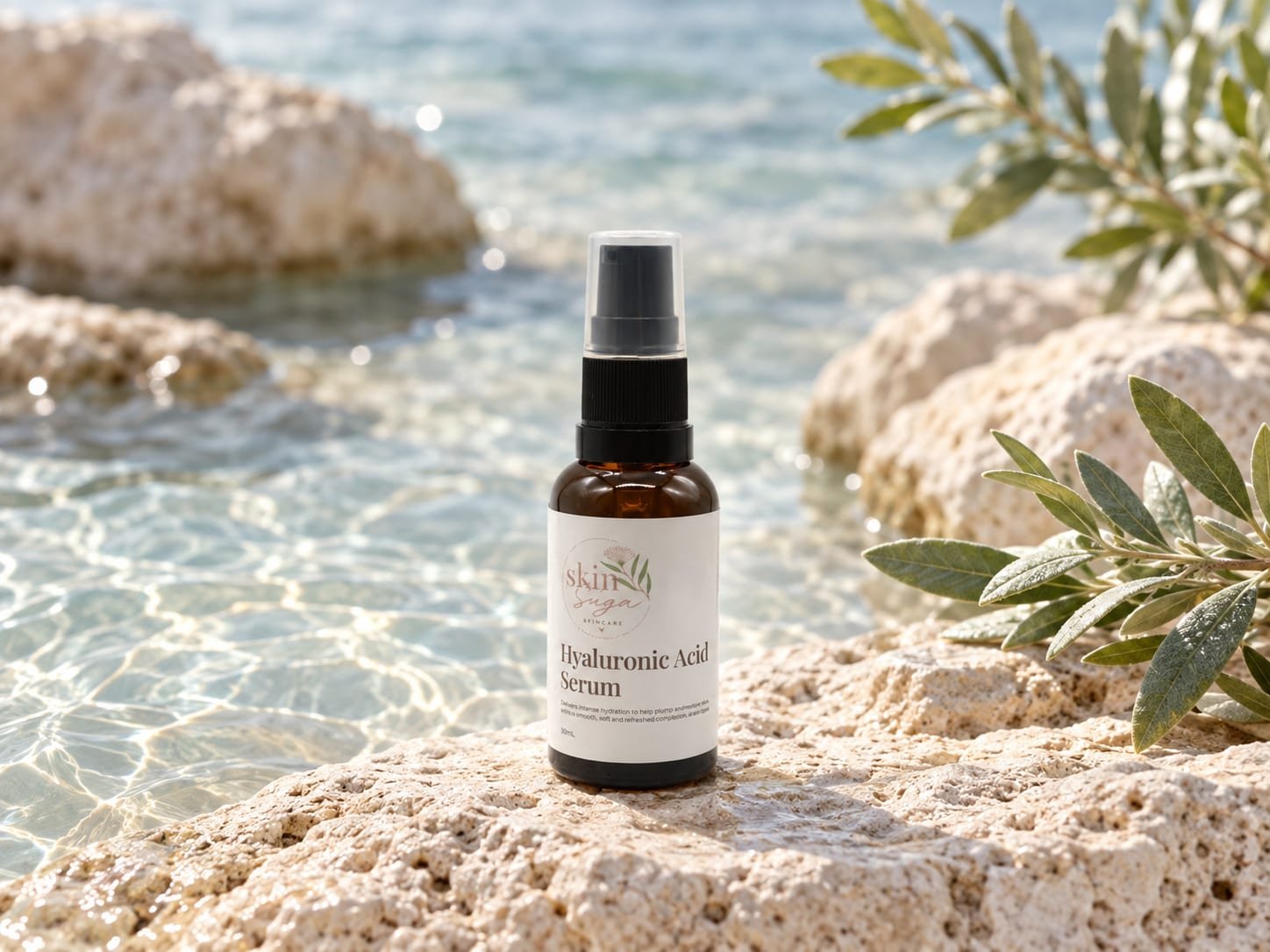
Hyaluronic Acid Serum
A water-binding hydration layer with vegan hyaluronic acid to help mature skin feel less tight and look more cushioned.
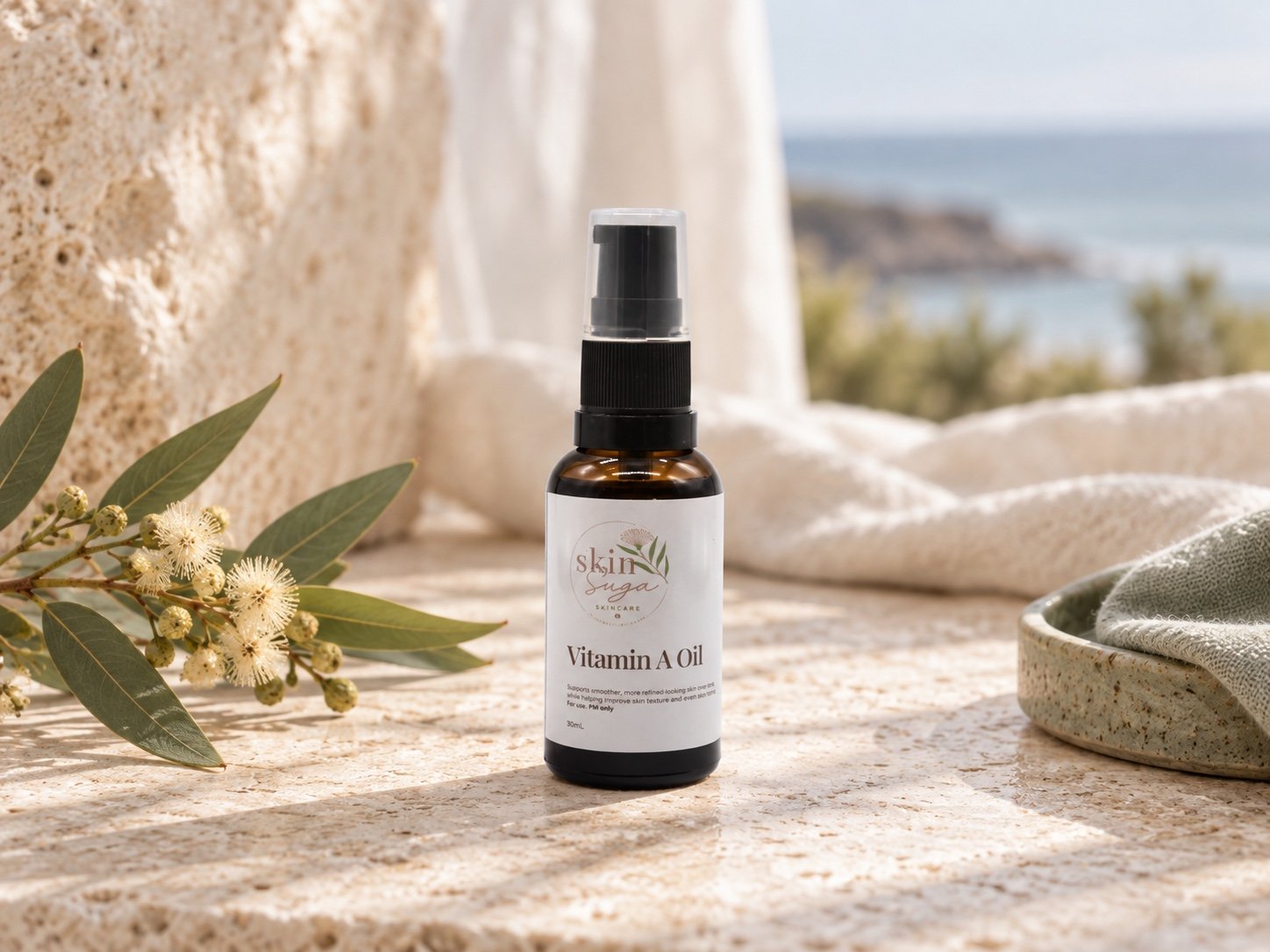
Vitamin A Oil
Retinyl palmitate in a botanical oil blend for a gradual evening routine focused on the appearance of texture and tone.
When to leave vitamin A out
- Your skin is sunburnt, inflamed, broken or reacting to another product.
- You are having a professional peel, laser procedure or other treatment and have not received aftercare guidance.
- You are pregnant, planning pregnancy or breastfeeding without advice from your healthcare professional.
- You have persistent eczema, rosacea or another diagnosed condition that needs individual guidance.
- You cannot use sunscreen consistently the following day.
Frequently asked questions
Should hyaluronic acid go before Vitamin A Oil?
Yes. Apply the lighter water-based serum first and the oil afterwards. Use small amounts so the layers settle comfortably.
Can I use both every night?
Hyaluronic acid can often be used daily, but vitamin A frequency depends on tolerance and product directions. Begin vitamin A slowly and increase only if skin remains calm.
Does hyaluronic acid prevent retinoid irritation?
No. It can support hydration, but it cannot guarantee that irritation will not occur. Frequency, amount, formula and the rest of the routine still matter.
Can I add night cream as well?
Yes if the skin needs extra comfort, but it is not compulsory. If the routine feels heavy, use fewer layers or apply oil only to drier areas.
Build the evening around comfort
Hydrate first, introduce vitamin A gradually and let the skin’s response determine frequency.
Sources and further reading
- American Academy of Dermatology: Retinoids and retinol
- American Academy of Dermatology: Applying skincare in the right order
- DermNet: Topical formulations
This is general cosmetic education. Seek professional advice for persistent irritation, a diagnosed condition or pregnancy-related product questions.