
Use texture as your guide, not a stopwatch
How long should I wait between skincare layers after 40?
The short answer: Usually only until the previous layer has spread evenly and feels settled enough that the next product will not drag it around. For many lightweight cosmetic layers that is about 30 to 90 seconds, not a rigid ten-minute pause. Sunscreen is the important exception: apply it according to its label and allow the protective film to form before makeup, clothing or outdoor exposure.
Most cosmetic skincare layers do not need a long timed pause. The useful question is whether the layer underneath has spread evenly and stopped moving enough for the next formula to glide over it. Thin toners and serums may need only a short pause. Rich creams, facial oils and sunscreen may need more settling time. Product directions always take priority, particularly for regulated sunscreen or prescribed treatments.
Why there is no universal waiting time
Skincare formulas vary in water content, oils, silicones, gums, film-formers and finish. A watery toner may disappear quickly in warm, dry air, while a richer moisturiser can remain emollient for several minutes. The same product can behave differently in Perth summer, coastal humidity, winter heating or strong air conditioning.
Skin type also changes the experience. Dry mature skin may absorb the water phase quickly but still benefit from a moisturising layer while the surface is slightly damp. Oilier areas may need less product. Waiting exactly five minutes after every step ignores those differences and can turn a simple ritual into an impractical half-hour process.
There is little value in waiting for the face to feel completely bare after every layer. The aim is controlled layering: enough slip to avoid tugging, but not so much wetness that the next product pushes the first one into streaks or rolls.
A practical timing guide
After cleansing: pat away dripping water. If a hydrating toner or hyaluronic serum is directed onto damp skin, apply it before the face becomes completely dry. If an active product says to use dry skin, follow that instruction.
Between toner and serum: a brief 15 to 30 seconds is often enough for a mist or toner to distribute. There is no need to fan aggressively. The surface can remain lightly damp when the next hydrating layer is designed for it.
Between serums: start with roughly 30 to 90 seconds, or until the first layer no longer gathers under the fingertips. Use less product before adding more time. Two thin layers generally settle better than two generous ones.
Before moisturiser: moisturiser can often follow while a hydrating serum is still slightly tacky. That can help seal water at the surface. If an active treatment has special directions, use the labelled wait time instead of a generic rule.
Before facial oil: allow moisturiser to spread and settle, then press a small amount of oil over areas that need additional comfort. Oil is normally a final evening cosmetic layer rather than something that needs to disappear completely.
Before sunscreen: the cosmetic layers underneath should be even and settled enough that sunscreen can form a continuous film. Cancer Council Australia advises applying sunscreen 20 minutes before going outdoors and following the label for amount and reapplication. That 20-minute period relates to sun protection before exposure, not a demand to wait 20 minutes between every serum.
Before makeup: give sunscreen time to form its film. Avoid vigorous buffing that lifts it. If makeup causes rolling, simplify the skincare underneath rather than reducing the sunscreen amount.
How to know a layer is ready
Lightly touch one area with clean fingertips. The product can feel hydrated or softly emollient, but it should not slide in a visible pool or lift into strings. When the next product glides without pushing the previous layer into lines, the timing is suitable.
The signs you may need a little longer are rolling, streaking, patchy sunscreen or makeup that drags immediately. The signs that waiting is not the real issue are persistent pilling even after several minutes, a very heavy feel, or the same conflict every time two particular formulas are combined. In that case, reduce the quantities or separate the products into morning and evening.
What changes after 40
Natural skin texture, fine lines and areas of dryness can make uneven layering more visible. That does not mean the skin is failing to absorb products. Cosmetics mainly work at or near the surface, and visible shine or softness is not evidence that nothing has absorbed.
As skin becomes drier, using several rich layers can feel reassuring but may increase movement under sunscreen. A coordinated ritual helps because the textures are selected to move from cleanse to hydration to moisturising. Add a focused oil or serum only when it improves comfort or appearance.
Use less on the centre of the face if it becomes shiny, and slightly more moisturiser on dry cheeks or jaw. This zoned approach can work better than increasing waiting time for the whole face.
How Skin Suga fits the sequence
The Daily Essentials Ritual is the clearest starting point for this question because it establishes an easy order: cleanse, tone, hydrate and moisturise. Skin Suga Hyaluronic Acid Serum is a lightweight hydration layer that can be followed with Nourishing Moisturiser before the skin becomes uncomfortably dry.
If the skin feels very dry, the Ultimate Hydration Ritual adds a nourishing facial oil as the final comfort step. Press the oil over moisturiser at night rather than placing a generous oil layer under morning sunscreen.
A realistic five-minute morning ritual
- Cleanse or rinse, then pat away excess water.
- Mist with toner and pause only long enough to spread it evenly.
- Apply Hyaluronic Acid Serum in a thin layer.
- After roughly 30 to 90 seconds, or when it no longer slides, apply moisturiser.
- Let the moisturiser settle enough for sunscreen to spread without rolling.
- Apply sunscreen as directed, 20 minutes before going outdoors, then allow its film to form before makeup.
When more waiting will not fix the routine
- The products contain textures that repeatedly roll when combined.
- Too much of each product is being used.
- Several serums duplicate the same hydration role.
- A rich facial oil is placed underneath sunscreen.
- Makeup is buffed aggressively over a newly formed sunscreen film.
- Dry flakes need barrier support rather than another makeup layer.
Change one variable at a time. Begin by halving the serum amount, then test. If the problem remains, remove one serum. If that works, decide whether the removed step added enough benefit to justify finding a different time or texture for it.
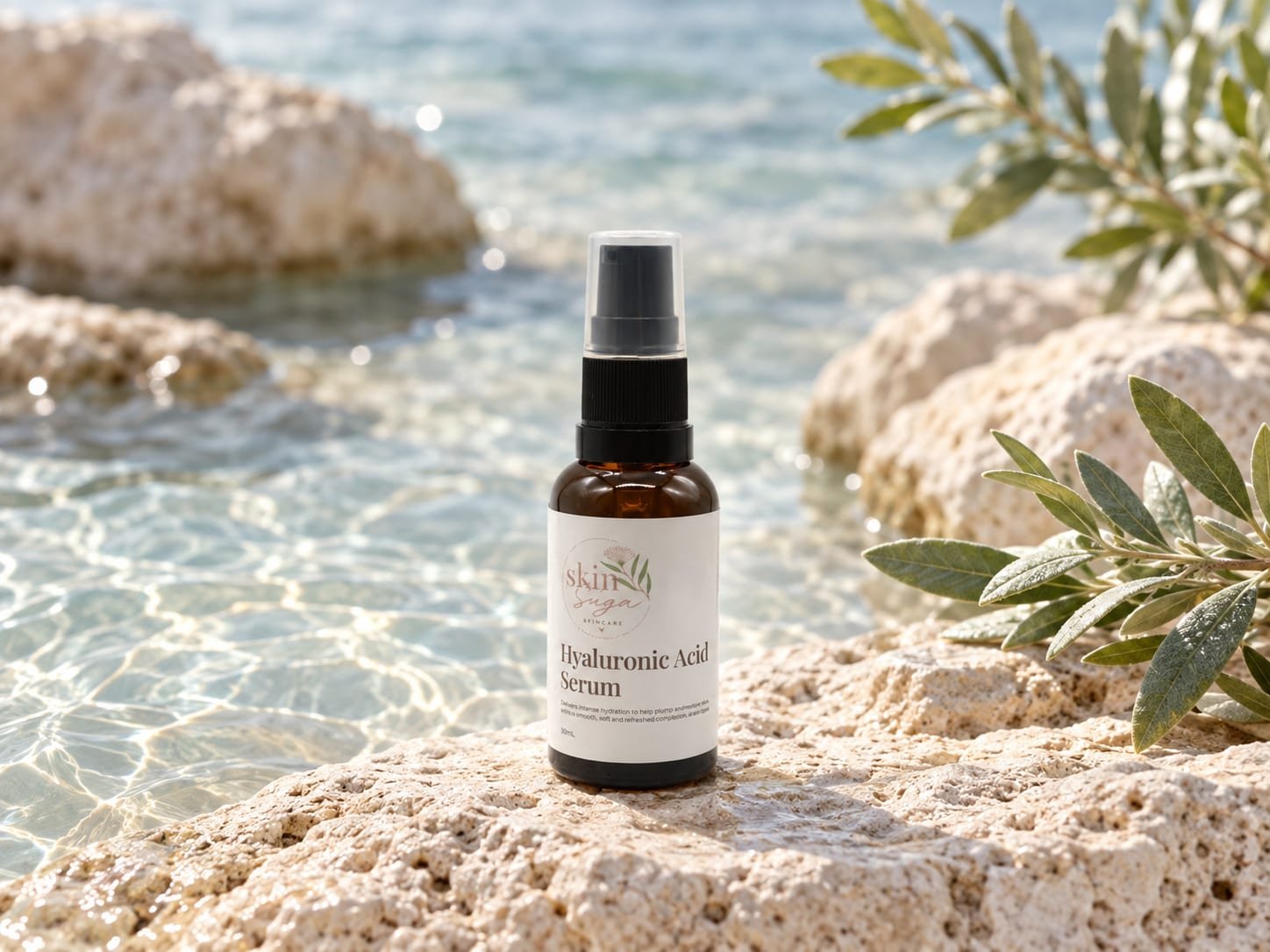
Hyaluronic Acid Serum
A lightweight hydration step that sits between toner and moisturiser.
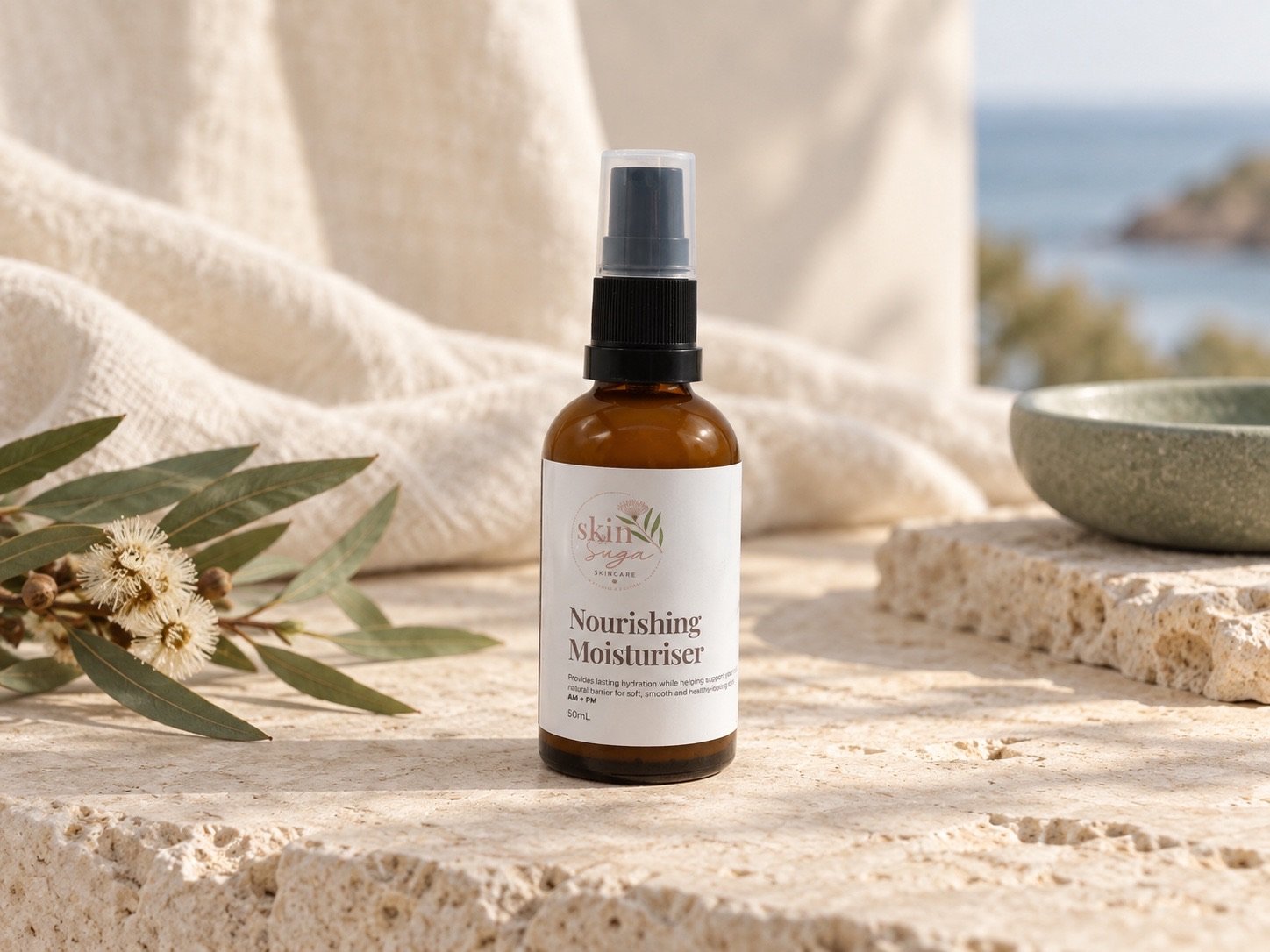
Nourishing Moisturiser
A moisturising layer for sealing hydration and supporting a comfortable finish before sunscreen or evening oil.
Frequently asked questions
Do I need to wait ten minutes after serum?
Usually not. Start with 30 to 90 seconds and judge whether the layer is settled. Follow any specific product directions.
Should moisturiser go onto damp serum?
It can. Applying moisturiser while a hydrating serum is slightly damp may help keep the routine comfortable, provided the products spread evenly.
How long should I wait before sunscreen?
Wait until moisturiser has settled enough for sunscreen to form an even layer. Then follow the sunscreen label; Cancer Council advises applying sunscreen 20 minutes before outdoor exposure.
Does pilling mean a product has not absorbed?
Not necessarily. Pilling is often a formula, amount or rubbing issue. It does not measure absorption or effectiveness.
Let the ritual stay simple
A coordinated order and light application are more useful than turning every layer into a timed event.
Explore Daily Essentials RitualExplore Ultimate Hydration Ritual
Sources and further reading
- American Academy of Dermatology: Applying skincare in order
- Cancer Council Australia: Applying and storing sunscreen
- American Academy of Dermatology: Choosing a moisturiser
Exact waiting times vary by finished formula. Follow product and sunscreen labels where they differ from general guidance.