
When cream seems to disappear
Why is my skin still dry after moisturising over 40?
Moisturiser can fail to feel comfortable when it is applied to completely dry skin, the formula is too light, cleansing is stripping, indoor air is dry, or an active product is increasing sensitivity. Apply hydration and cream in sequence, adjust the amount by facial zone, and fix the cause rather than repeatedly coating the surface.
Dryness is not always a request for more cream
When moisturiser disappears quickly, the instinct is often to apply a thicker layer. Sometimes that works. At other times the missing piece is water-based hydration, a gentler cleanse or a change in the environment. A large amount of cream applied after hot water and a harsh cleanser may still leave the face tight because the routine is repeatedly removing surface comfort.
It also helps to separate dry skin from dehydrated-feeling skin. Dry skin refers to a lower level of surface oil, while dehydration describes a lack of water in the upper layers. Mature skin can experience both, and an oily T-zone can still feel dehydrated. A cream contributes water and emollients, but one formula cannot compensate for every cause.
Pay attention to the timing. Tightness immediately after cleansing points toward water temperature, cleanser choice or technique. Dryness by lunch may suggest the morning layers are too light for the environment. Roughness only after an exfoliant or Vitamin A evening may reflect product frequency rather than a weak moisturiser.
Seven common reasons moisturiser is not enough
- The skin is completely dry before application. Cream can be more effective when applied while a little water remains at the surface.
- A humectant serum is being left alone. Hyaluronic acid is most useful beneath moisturiser, not as the final layer in dry air.
- The cleanser is too strong or used too often. Repeated foaming, brushes and hot water can leave skin feeling stripped.
- The texture is too light. A lotion or gel may not provide enough emollient comfort for dry mature skin in winter or air conditioning.
- Too many active products are being layered. Exfoliants and Vitamin A used too frequently can create dryness or stinging.
- The environment keeps pulling moisture from the surface. Heating, air conditioning, wind and long flights can change what feels sufficient.
- The symptom may need professional assessment. Persistent rash, cracking, itch or burning can have causes that cosmetics should not diagnose.
Use a three-layer test for one week
For seven evenings, simplify the routine to gentle cleansing, a familiar hydrating serum and moisturiser. Apply Skin Suga Hyaluronic Acid Serum to lightly damp skin, not dripping skin. Use a thin, even layer, then follow promptly with Nourishing Moisturiser. If the cheeks remain dry after the cream settles, press two drops of Nourishing Facial Oil over those areas.
Keep exfoliants, new masks and optional active products out of the test if skin is already reactive. This does not prove they are unsuitable forever; it gives you a quieter baseline. Record how the face feels after cleansing, one hour later and on waking. If comfort improves, reintroduce one optional product at a time.
If the forehead becomes greasy while cheeks improve, do not abandon the test. Use less cream through the centre of the face and retain the full sequence on drier zones. Mature combination skin benefits from placement, not a single quantity spread everywhere.
What each Skin Suga layer contributes
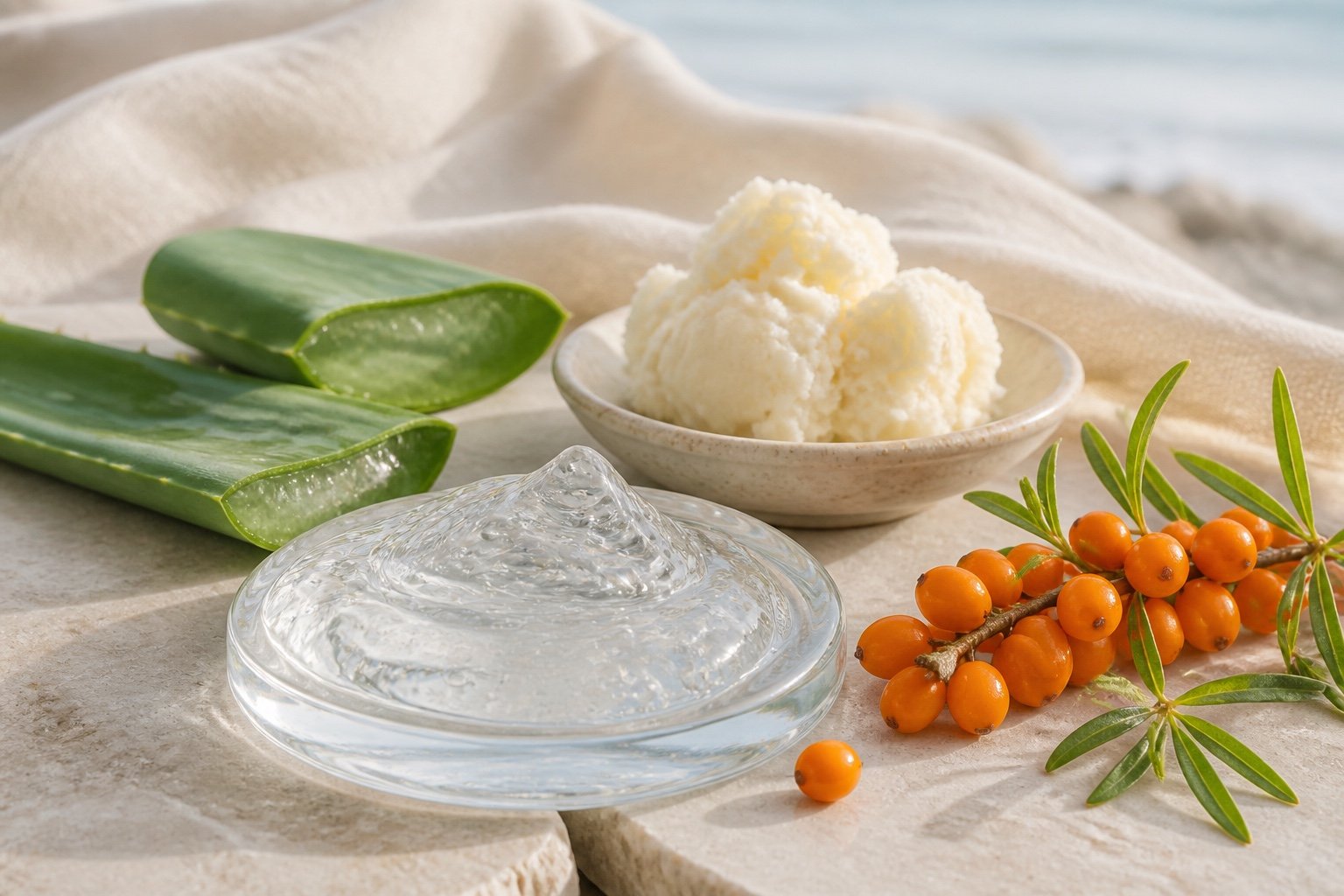
Aloe vera toner step
Anti-Ageing Toner provides a fresh-feeling light layer before serum. It is optional when the skin is very reactive.
Vegan hyaluronic acid
A water-attracting serum step. Apply it to lightly damp skin and always follow with cream when dryness is the concern.
Shea butter and Vitamin E
Ingredients in Nourishing Moisturiser that add a softer emollient finish after the serum layer.
Jojoba, avocado and rosehip oils
Botanical oils that can finish the evening routine with extra slip and softness on dry-feeling areas.
Review the cleanser before buying another moisturiser
Use enough cleanser to remove sunscreen and makeup, but do not chase a thick lather. Massage briefly with fingertips and rinse with lukewarm water. If you double cleanse, make sure both steps are truly needed; repeated cleansing can make dry mature skin feel increasingly tight.
In the morning, try a rinse or a smaller amount of Cream Cleanser if the face is not oily or covered in overnight product. Pat rather than rubbing with a towel. The American Academy of Dermatology advises applying moisturiser while skin is still damp and choosing cream or ointment textures for very dry skin.
A rich moisturiser cannot undo repeated friction. Facial brushes, scrubs, rough cloths and vigorous towel drying should be considered part of the routine, not separate from it.
Check the order and quantity
Apply products from water-light to richer: toner if used, serum, moisturiser, then facial oil. There is no need to wait ten minutes between every step. Move on once the previous layer is spread and no longer very wet. Leaving a hyaluronic serum to dry completely can create a tight or sticky feel.
Start with a modest amount of moisturiser and add a second thin layer to cheeks if needed. A very thick first layer may roll, transfer or feel heavy without improving comfort. Facial oil should be measured in drops, not poured into the palm. Two or three drops for the whole face are often enough.
Morning oil is optional. If it interferes with sunscreen, move it to night. Never reduce sunscreen quantity because the skincare underneath feels rich.
When the environment is the real variable
A routine that works at home may feel different in an air-conditioned office, a heated bedroom or a dry holiday climate. Add richness where exposure is longest. This may mean a fuller evening cream layer after a day in heating, or a small moisturiser reapplication to clean skin during a flight.
A humidifier can change local air moisture when used and cleaned correctly, but it is not a substitute for gentle cleansing and moisturiser. Drinking water supports normal health, yet extra water alone does not replace a topical comfort layer when the skin surface is losing moisture.
Seasonal adjustment is normal. Keep the product sequence stable and change amounts before replacing the whole routine.
When to stop troubleshooting at home
See a health professional when dryness is severe, persistent, itchy, painful, cracked or associated with a spreading rash. Sudden changes can relate to dermatitis, allergy, medication, menopause or another health factor. A cosmetic routine should support comfort, not delay diagnosis.
Stop a newly introduced product if swelling, hives or marked burning occurs. Bring the product label and a complete list of skincare, sunscreen, haircare and prescription products to the appointment.
Common questions
Should I apply moisturiser twice?
You can add a second thin layer to dry areas. First check that the skin is lightly damp and that serum, cream and oil are in the correct order.
Can I use facial oil instead?
Oil adds emollient softness but does not provide the same balanced water-and-cream layer as moisturiser. Dry and dehydrated mature skin usually prefers moisturiser first.
Why does moisturiser sting?
Stinging may follow over-exfoliation, a disrupted surface or sensitivity to an ingredient. Pause new actives and simplify. Persistent burning or redness needs professional advice.
Ritual recommendation
Ultimate Hydration Ritual
This ritual addresses the sequence rather than relying on one oversized cream layer: gentle cleansing, toner, hyaluronic acid serum, Nourishing Moisturiser and Nourishing Facial Oil. Each step can be adjusted by season and facial zone.
$249.95 · value $294.75 · save $44.80
View the Ultimate Hydration RitualSources and further reading
- American Academy of Dermatology: Tips for relieving dry skin
- American Academy of Dermatology: Choosing a moisturiser
- DermNet: Emollients and moisturisers
- American Academy of Dermatology: Skin care in your 60s and 70s
This guide provides general cosmetic skincare education and is not medical advice.